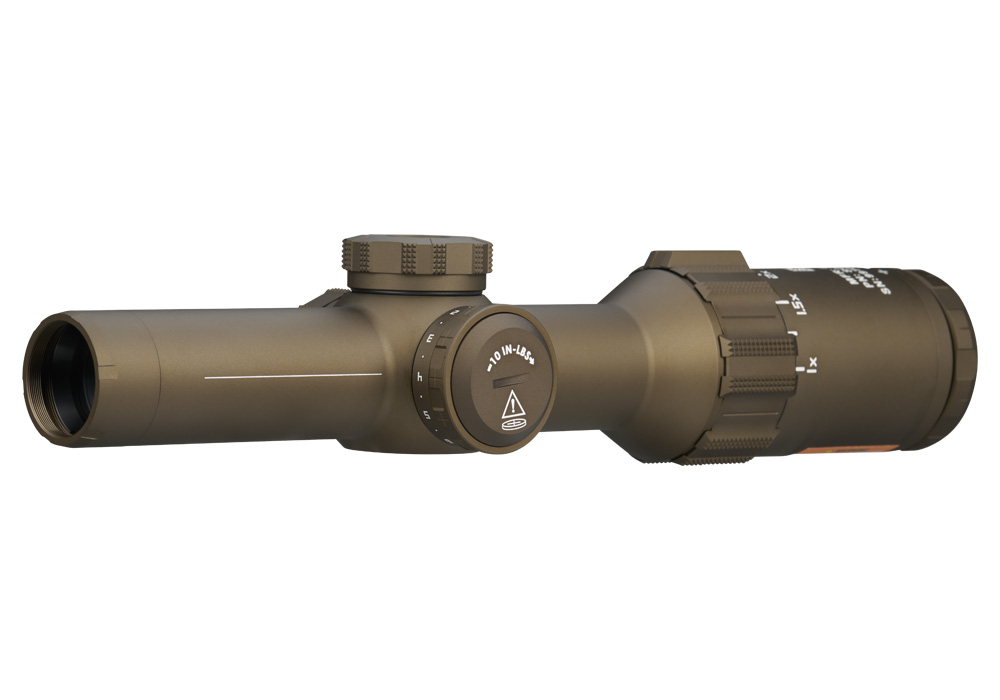
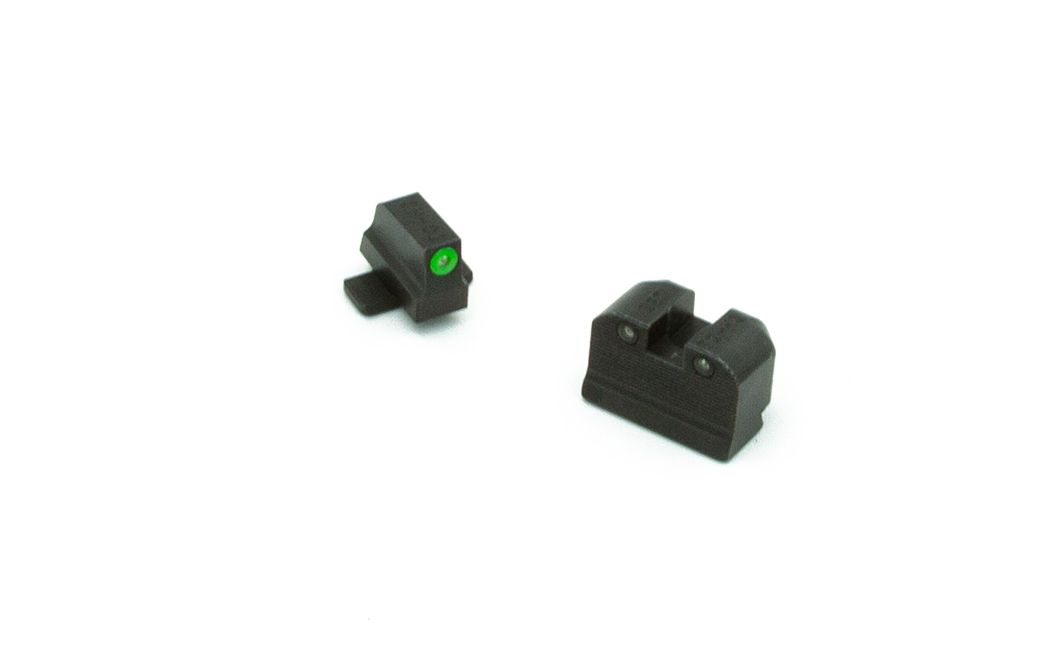
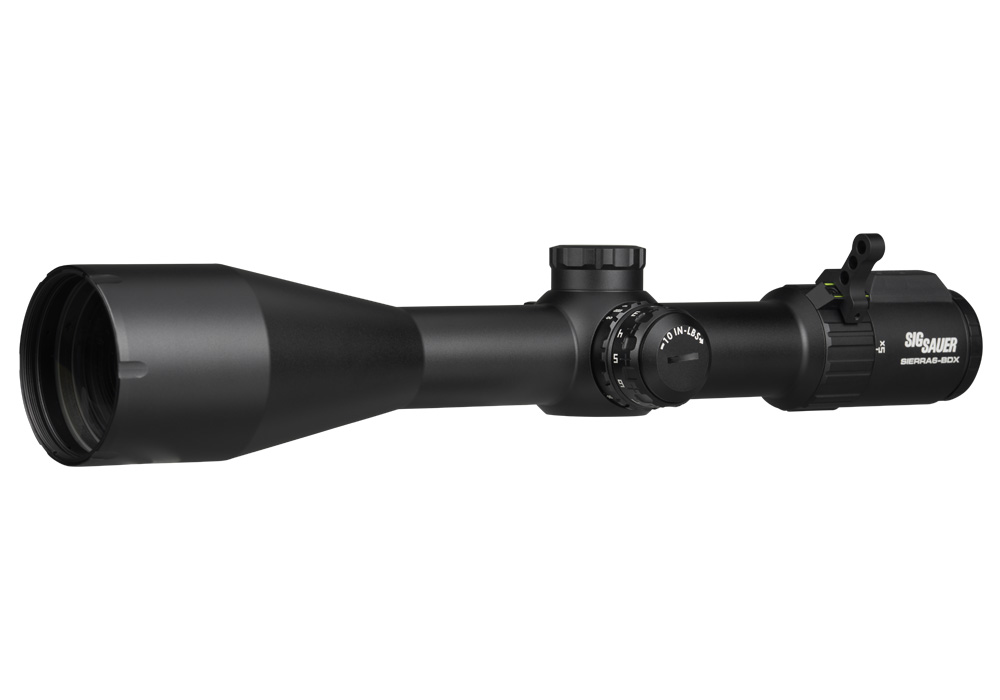
Fog-proof optics are designed to keep the sight picture clear when outdoor conditions change quickly. A scope, binocular, or other optical instrument may move from a cool vehicle or air-conditioned room into warm, humid air, or from a sunny field into a shaded, damp woodland. Those temperature swings can create condensation on glass, making a sharp image appear washed out or obscured. In a properly sealed optic, manufacturers remove ordinary ambient air from the internal chamber and replace it with a dry, inert gas such as nitrogen or argon. O-ring seals help retain that gas while limiting the entry of humid air and moisture. Because the interior remains dry, the glass surfaces inside the housing are protected from the type of fogging that can occur when warm, moisture-filled air meets a colder lens. Some optics also use exterior lens treatments that help control surface moisture. Rather than allowing water droplets to bead into scattered points that interfere with light transmission, hydrophilic or surfactant-based coatings can spread moisture into a thinner, more transparent film. This distinction matters in the field: internal fogging generally indicates a compromised seal or a manufacturing issue and should be addressed through the manufacturer or an authorized service center, while external fogging can result from weather, body heat, breathing, rain, or a rapid change in temperature.
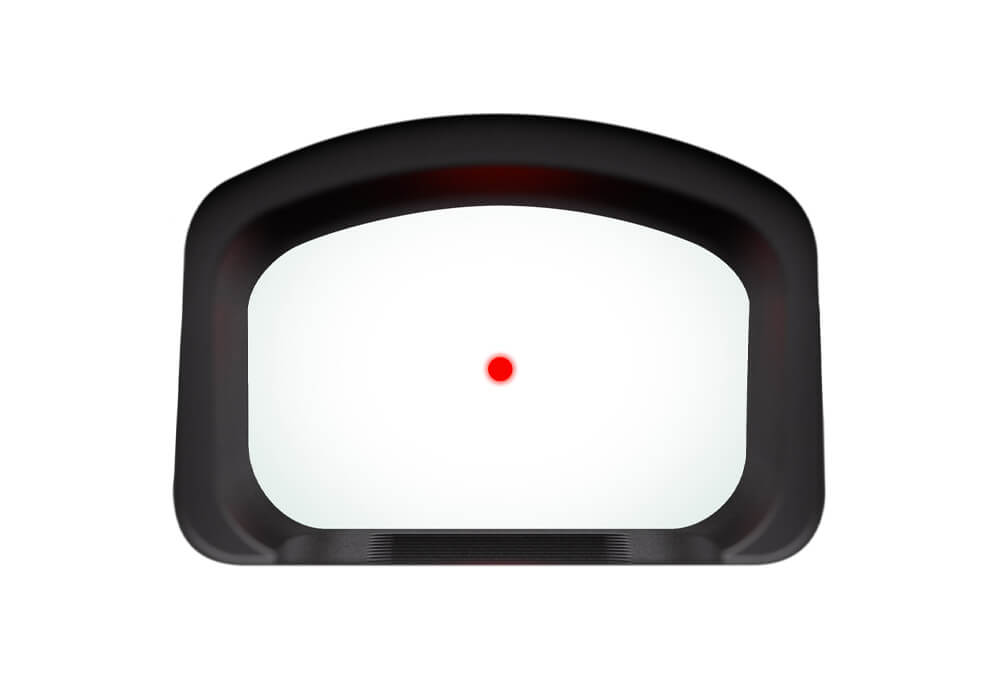
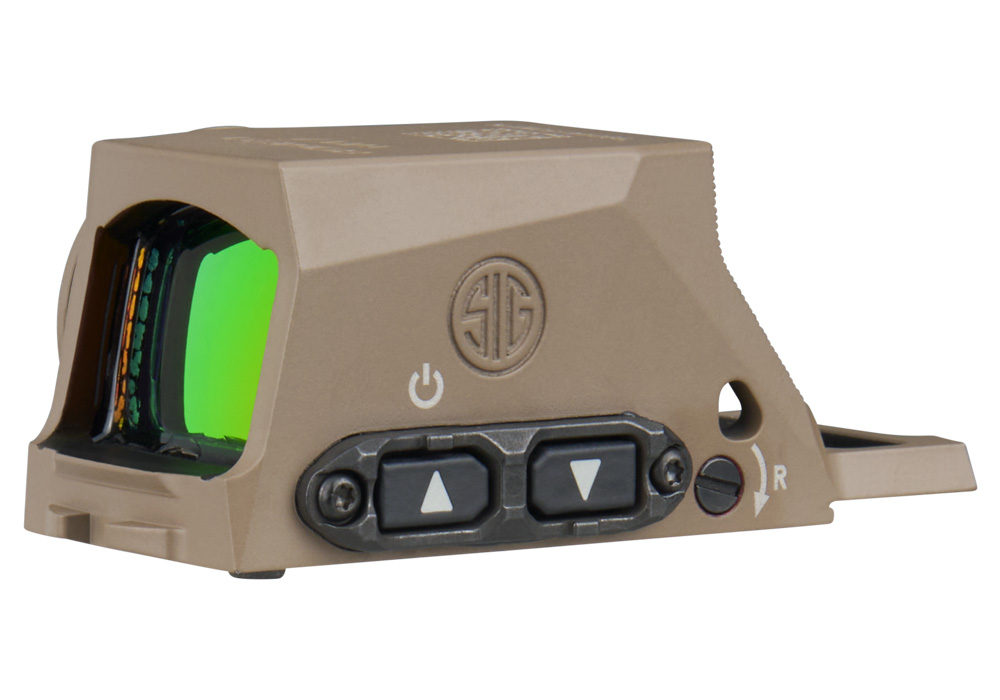
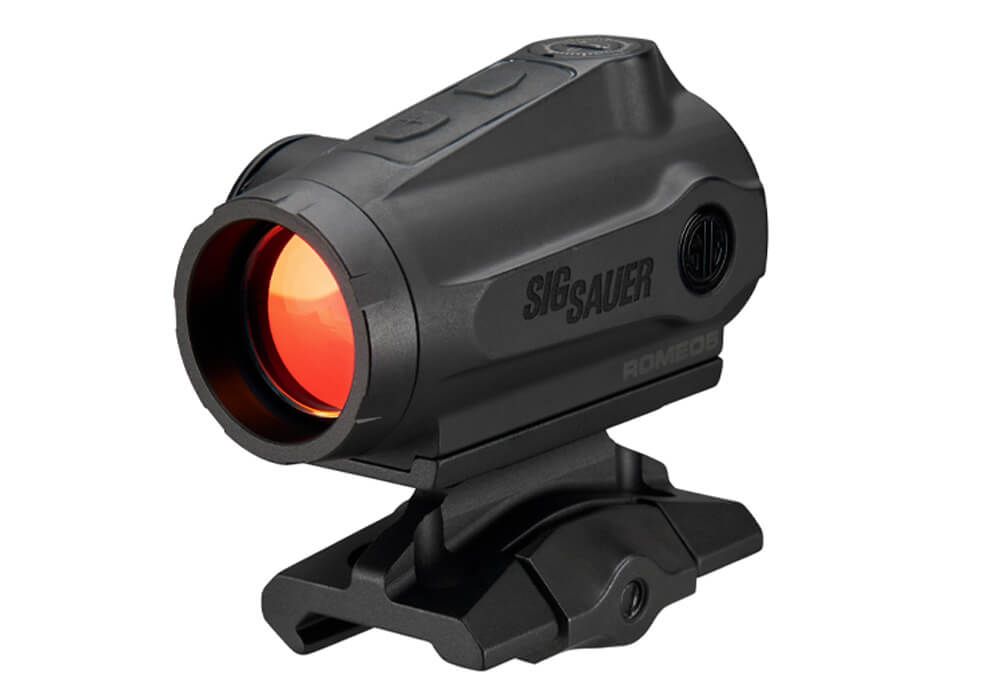
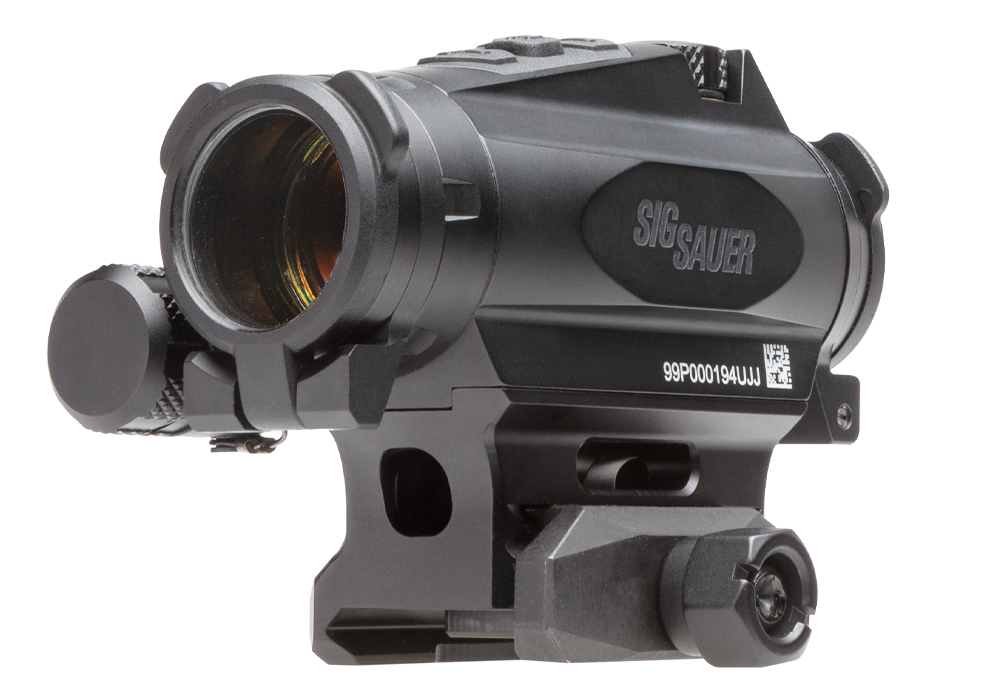
When comparing fog-proof optics, look beyond the label and consider how the optic will be used. A hunter moving through cool timber at first light may value dependable clarity during the transition from a warm vehicle to damp ground, while a range user may need a consistent sight picture through changing temperatures over the course of a session. For users who spend time outdoors during the warmer season or the cooler months, sealed construction and reliable weather resistance can make equipment easier to use when humidity, drizzle, or sudden temperature changes are part of the day. Consider the size and weight of the optic, the amount of eye relief, the field of view, the adjustment controls, and how naturally the optic aligns with the firearm or observation setup. Magnification should suit the intended distance and environment: lower magnification can provide a broader view for close or moving subjects, while greater magnification can help with detail at extended distances when a steady shooting position is available. Light transmission and lens quality are also important in shaded woods, overcast conditions, and the low-angle light that often accompanies dawn and dusk. Some users may prefer an illuminated aiming point for faster reference against dark or irregular backgrounds; those exploring that configuration can review Fog Proof Illuminated Rifle Scopes. For a gift, fog-proof binoculars or a sealed optic can be a thoughtful choice for a hunter, range enthusiast, wildlife observer, or outdoor traveler, particularly when the recipient spends long days outside and appreciates equipment that continues working when the weather becomes less predictable.
Care and handling still play an important role, even with a sealed, fog-proof design. Before leaving a warm indoor space or vehicle, allow the optic time to acclimate to the outdoor temperature when practical; a gradual transition can reduce external condensation and help maintain a clear view. If the outside lens becomes wet or fogged, avoid wiping grit or dried particles across the glass. Use a blower or soft lens brush to remove loose debris first, then clean with a lens-safe cloth and an appropriate cleaning solution. Anti-fog treatments made for optical lenses may help with exterior moisture, but they should be applied only as directed and should never be used to address fogging that appears inside the sealed housing. Keep protective caps in place during transport, store the optic in a dry location, and inspect seals, turrets, controls, and mounting hardware periodically for damage or unusual looseness. A clear lens is only part of a dependable setup; secure mounting, properly adjusted eye relief, and a stable shooting position contribute to a usable sight picture as well. Whether the optic is carried through humid brush, set up on a range as the weather warms, or used during cooler outdoor outings, fog-proof construction provides valuable protection against one of the most frustrating interruptions in the field: losing visibility just when a clear view matters. Pair that protection with responsible firearm handling, careful storage, and regular inspection to keep the equipment ready for the conditions ahead.