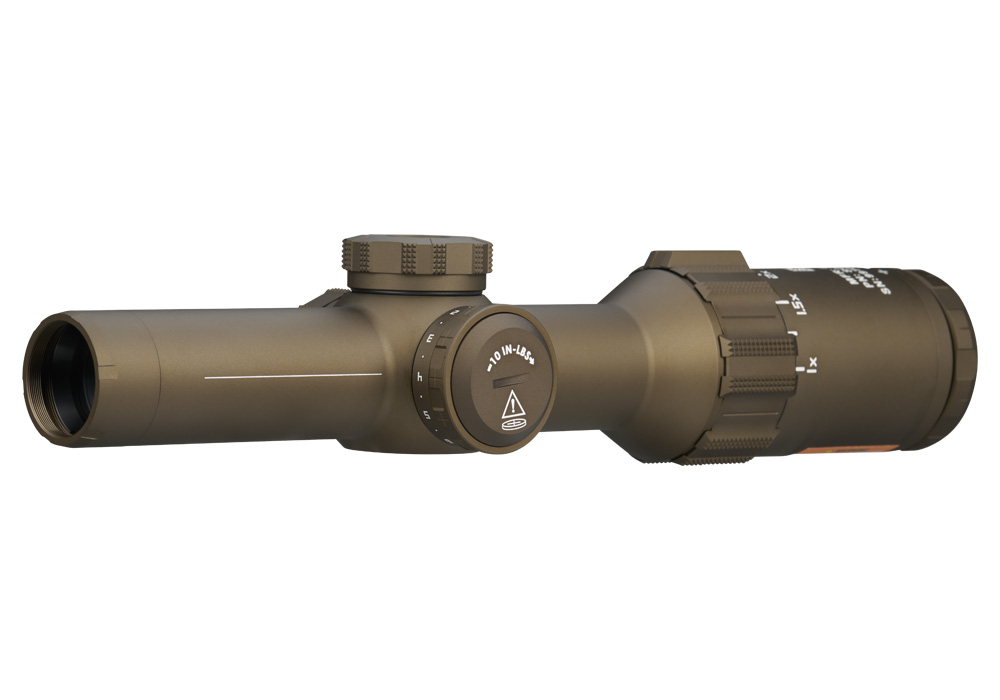
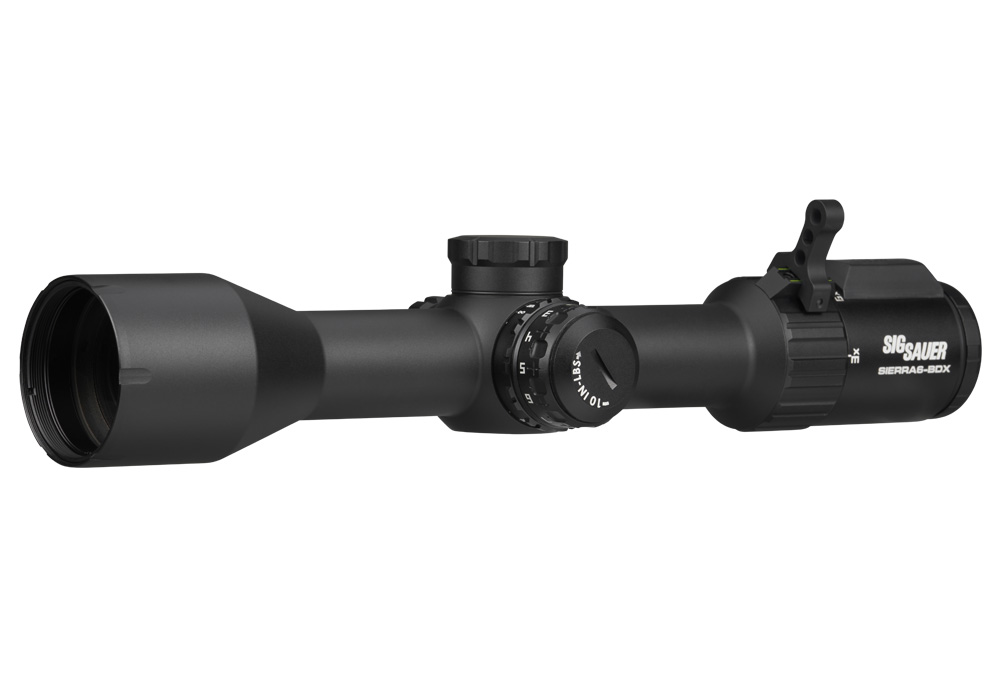
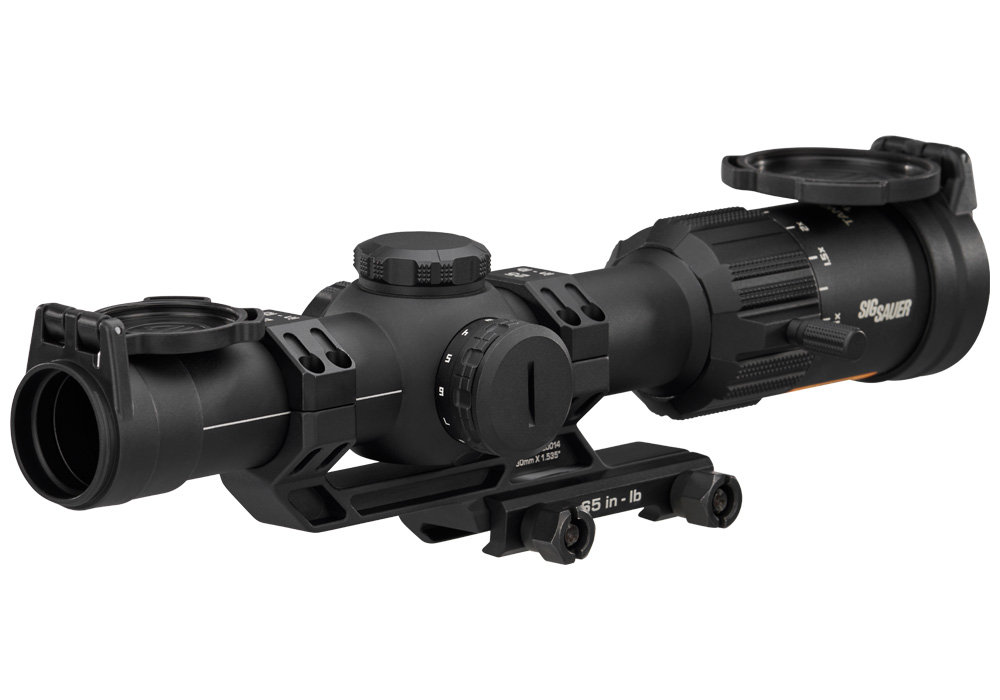
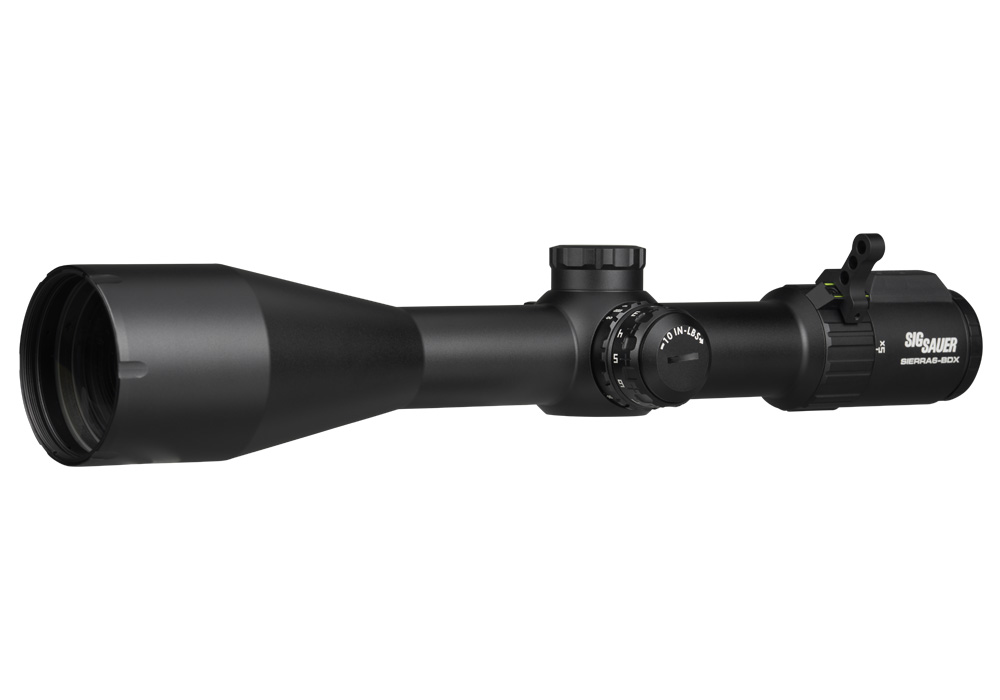
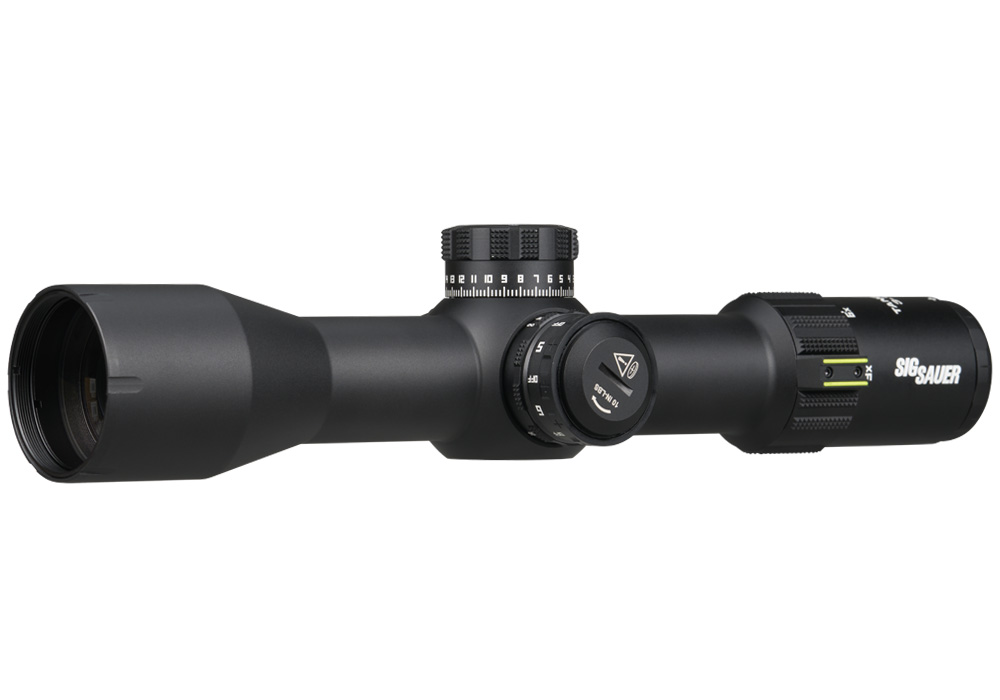
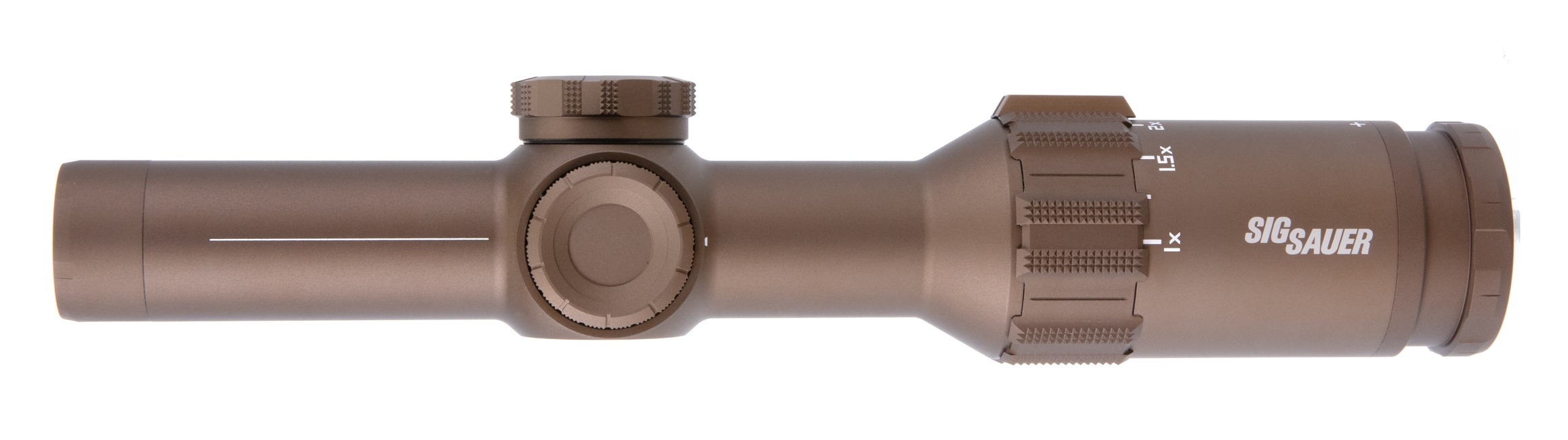
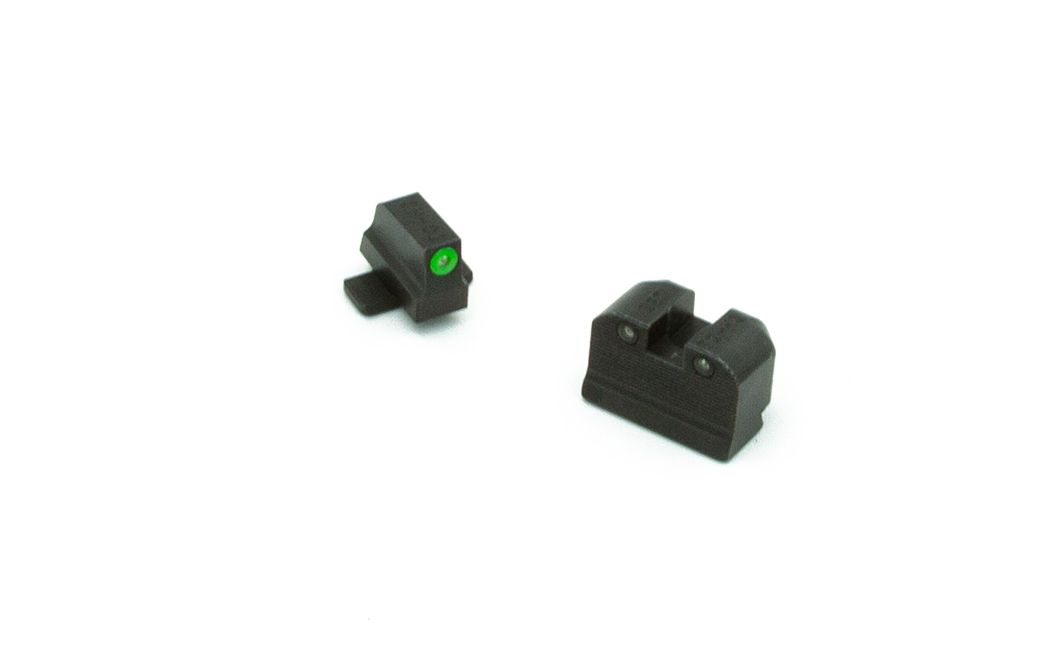
Fogproof scopes are designed to preserve a clear sight picture when temperatures, humidity, and outdoor conditions change quickly. For hunters, sport shooters, and firearm owners who spend time outdoors, that reliability can make a meaningful difference. A scope may move from a warm vehicle or equipment room into cool morning air, or from shaded cover into bright, damp conditions, creating the kind of temperature shift that causes moisture to condense inside an optic. Fogproof construction addresses this concern by replacing the moist air inside the scope tube with a dry gas, commonly nitrogen or argon, and sealing the housing with durable O-rings. This gas-purging process helps prevent internal fogging because there is little moisture available to collect on the interior lenses. A properly sealed scope can therefore maintain internal clarity during rapid transitions, whether the optic is being carried through wet timber, set up before daylight, or used during the cooler months when the difference between sheltered and open-air temperatures is especially noticeable. When comparing options in this category, consider the scope’s intended use, magnification range, reticle style, tube construction, adjustment system, and compatibility with the firearm and mounting hardware. A fogproof designation is most valuable when it is paired with sound sealing and a rugged exterior built for regular field handling. Hunters may appreciate a clear view while glassing across a misty field or tracking movement beneath a canopy, while range users can benefit from consistent visibility when moving between an indoor bench and an outdoor firing line. Those selecting an optic as a gift for a new firearm owner should also consider eye relief, overall size, ease of adjustment, and whether the reticle is intuitive for the recipient’s experience level. A dependable optic can be a thoughtful choice for someone preparing for a first hunting season, building a practical range setup, or upgrading equipment for more confident target observation.
Understanding the difference between internal and external fogging is also important when choosing and caring for a scope. Internal fog occurs when moisture becomes trapped inside the optic, often because seals have deteriorated or the housing has been compromised. It can appear as a haze or droplets beneath the glass and generally requires professional service or factory resealing rather than a simple wipe. External fog forms on the outside surface of a lens when warm, humid air meets cooler glass. Gas purging and O-ring seals help address internal fog, but they cannot prevent condensation that develops on the exposed objective or ocular lens. External moisture can often be reduced by allowing the optic to adjust gradually to the surrounding temperature, keeping lens caps available when the scope is not in use, and using a clean microfiber cloth or an optic-safe anti-fog treatment according to the manufacturer’s instructions. Avoid wiping grit or water across the lens with clothing, paper towels, or other abrasive materials, since small scratches can affect contrast and light transmission over time. During a damp walk through tall grass, droplets may collect on the exterior even when the interior remains perfectly clear; that is normal and can be managed with careful handling. Likewise, carrying an optic from a heated truck into crisp air may produce temporary outside condensation, while a well-sealed fogproof scope continues to protect its internal lenses from moisture. Look for products with fully sealed tubes, gas-purged interiors, dependable lens coatings, and construction suited to the conditions in which the scope will be used. A scope intended for occasional range sessions may have different priorities than one carried over long distances in rain, dust, brush, or changing terrain. Weight, mounting height, control placement, and the ability to make precise adjustments with gloved hands can all influence comfort and usability in the field.
The fogproof scope selection on this page brings together optics intended to help shooters maintain a clear, usable sight picture when the environment is less predictable. Clear glass is only one part of practical performance; the optic should also offer a reticle that remains easy to see against the intended background, adjustment controls that track consistently, and a durable body capable of handling transport and normal recoil. Magnification should reflect the distances and targets most often encountered. Lower magnification can provide a broader field of view for moving targets or closer shooting, while greater magnification may help with observation and precise aiming at extended distances when conditions allow. Light transmission and lens coatings are worth considering for early-morning, late-afternoon, or heavily shaded settings, when contrast can become more important than simple brightness. A well-chosen fogproof scope can support careful observation from a stationary blind, practical practice at the range, or a long day moving through open ground and wooded trails. For a broader selection of sealed, weather-resistant optics, explore Fog Proof Optics. Before purchase, confirm the scope’s tube diameter, mounting requirements, firearm compatibility, and intended operating range, then review the manufacturer’s care recommendations for cleaning, storage, and service. Store the optic in a dry protective case when possible, remove moisture after outdoor use, and inspect the seals, adjustment caps, and lens surfaces periodically. These simple habits help preserve the clarity and dependable operation that make fogproof construction valuable. Whether selected for a seasoned hunter, a recreational shooter, or someone assembling a first complete optic setup, a scope with gas-purged protection and sealed construction offers practical confidence across warm, humid days, sudden weather changes, and the cooler conditions that arrive as the season progresses.