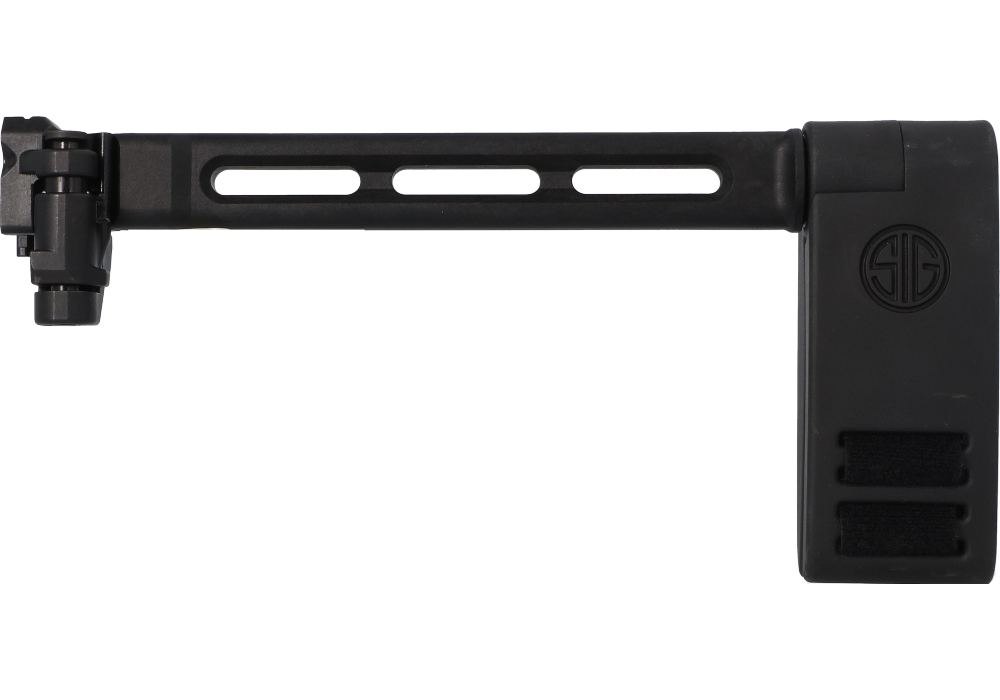
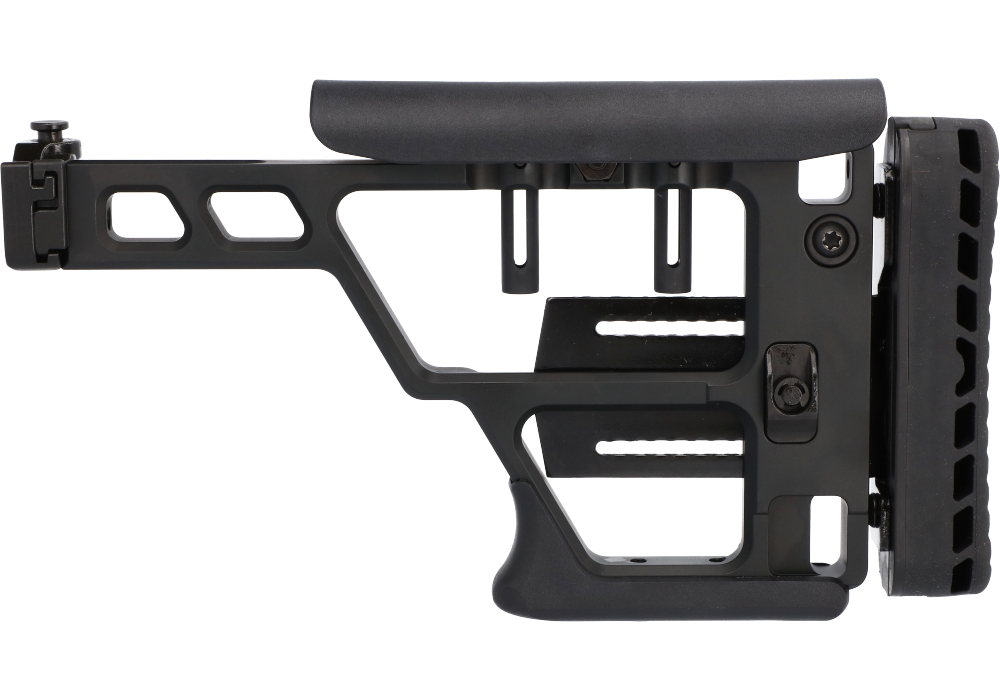
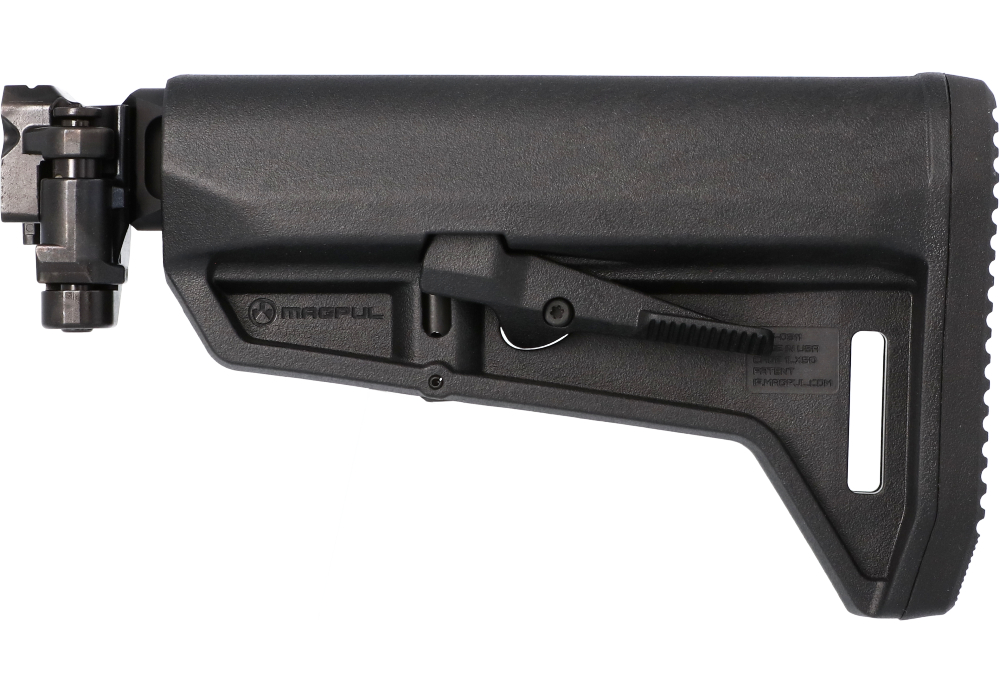
Folding aluminum stocks are a practical choice for shooters who value a compact firearm configuration without giving up the support of a shoulder stock when it is time to shoot. Built around lightweight aluminum components and a folding hinge assembly, these stocks can make a firearm easier to transport, store, and maneuver in confined spaces. The folded profile is useful when a firearm is secured in a case, carried between a vehicle and a range, or stored in a safe alongside other equipment. Once deployed, a well-designed stock should provide a stable point of contact that helps the shooter maintain a consistent cheek position and a controlled sight picture. Aluminum construction keeps overall weight manageable, while a steel hinge or locking component can provide the wear resistance needed for repeated folding and unfolding. For shooters who spend long days moving between the bench, the range bag, and the firing line, the difference is noticeable: a compact setup is easier to carry through a parking area, fit into a travel case, or handle around a crowded work surface. Folding aluminum stocks are also a natural fit for compact rifle and pistol-caliber carbine configurations, where preserving balance and reducing unnecessary length can make the firearm more convenient to handle. Their streamlined appearance appeals to those building a modern, modular setup, while the functional benefits suit recreational shooters, range users, competitors, and responsible owners looking for a space-conscious storage solution. They can also be a thoughtful gift for an experienced firearm owner who already understands the fit and configuration of their platform, provided the stock is compatible with the firearm and all applicable laws and regulations are observed.
Compatibility is the first consideration when selecting a folding aluminum stock. Many current options attach through a standard 1913 Picatinny rear rail, while others are designed for a direct-mount interface, a receiver-specific pattern, or an adapter that replaces an existing rear assembly. Confirming the interface before purchase helps avoid fitment problems and ensures the stock sits at the intended height and angle. It is also important to verify whether the firearm requires a buffer tube, adapter, or other supporting component, as folding designs vary by platform. A positive lock-up deserves close attention. In the extended position, the stock should lock firmly enough to resist movement during normal handling and recoil, with minimal wobble at the hinge. In the folded position, a secure latch or detent helps keep the stock tucked alongside the firearm rather than allowing it to swing freely during transport. Hinge construction is another meaningful detail; heat-treated steel components are commonly favored for long-term durability, particularly on firearms that see frequent use. Aluminum stock bodies may be machined, extruded, skeletonized, or formed into a minimalist profile, and each style balances strength, weight, and adjustability differently. Shooters who share a firearm with a partner or who alternate between layered clothing during warmer and cooler conditions may appreciate length-of-pull adjustment or multiple mounting positions. Height adjustment can also help align the shooter’s cheek with iron sights, red dots, magnified optics, or other aiming equipment. Before adding one to a configuration, inspect the stock’s folded clearance around the charging handle, ejection port, controls, optic, and magazine area. A compact folded position is valuable only when it does not interfere with safe manipulation or routine maintenance. As with any firearm accessory, use should follow the manufacturer’s installation instructions, and a qualified gunsmith can be helpful when an adapter, receiver interface, or platform-specific fitment is involved.
Sling integration adds another layer of everyday practicality. An integrated QD sling socket can provide a convenient attachment point without requiring an additional clamp or accessory, and dual-sided or thoughtfully positioned sockets may make it easier to configure the firearm for right- or left-handed carry. A sling can keep the firearm close while walking between shooting positions, carrying equipment during outdoor training, or organizing gear at the range, whether the stock is extended for use or folded for transport. Stock shape matters as well. A minimalist design may be well suited to a lightweight setup where every ounce affects handling, while a fuller or adjustable design can offer more support for deliberate shooting from a bench or prone position. Triangle and skeletonized profiles often emphasize compactness and visual simplicity, whereas adjustable configurations can provide a more individualized fit. Shooters should consider how the firearm is normally used, the optic height, the amount of clothing typically worn, and the storage case or safe where the firearm will be kept. A stock that feels excellent in a short indoor session may need a different adjustment after an afternoon outdoors, when gloves, a jacket, or a sling are part of the setup. Before live fire, check that the stock opens smoothly, locks positively, and remains clear of the firearm’s controls; then confirm the fit with the firearm unloaded and pointed in a safe direction. After installation, inspect fasteners and mounting hardware periodically, especially when the firearm is transported frequently or used in demanding conditions. The recommended folding aluminum stocks collected on this page offer several ways to balance compact storage, durable construction, comfortable handling, and dependable support. For shoppers comparing related space-saving configurations, the selection of Folding Compact Stocks provides another category to consider while evaluating interface, adjustment, hinge design, sling compatibility, and the overall dimensions of a chosen firearm setup.