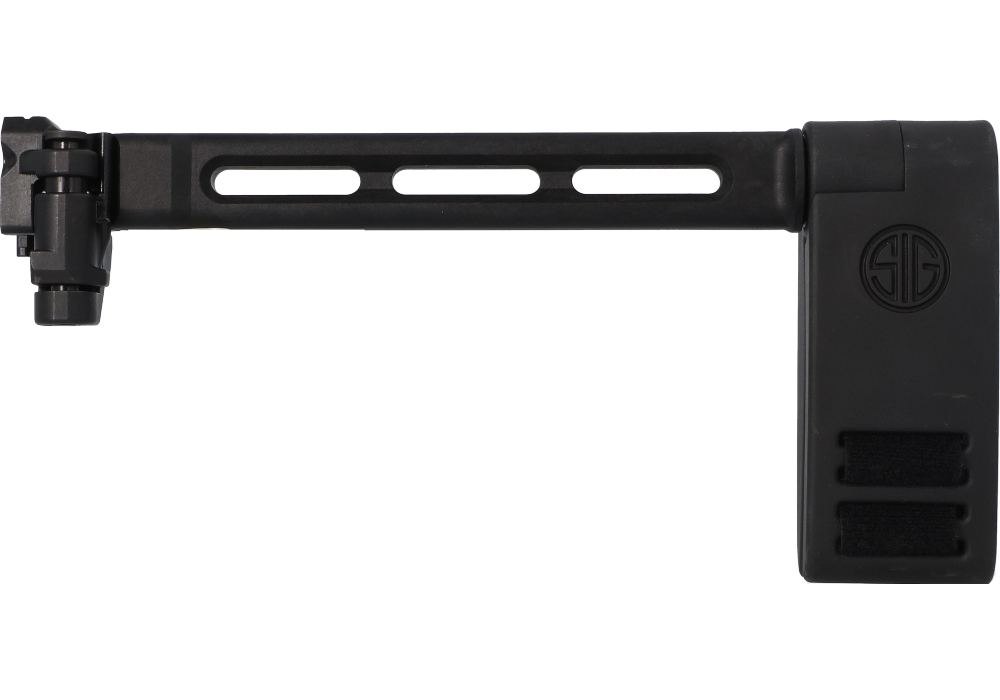
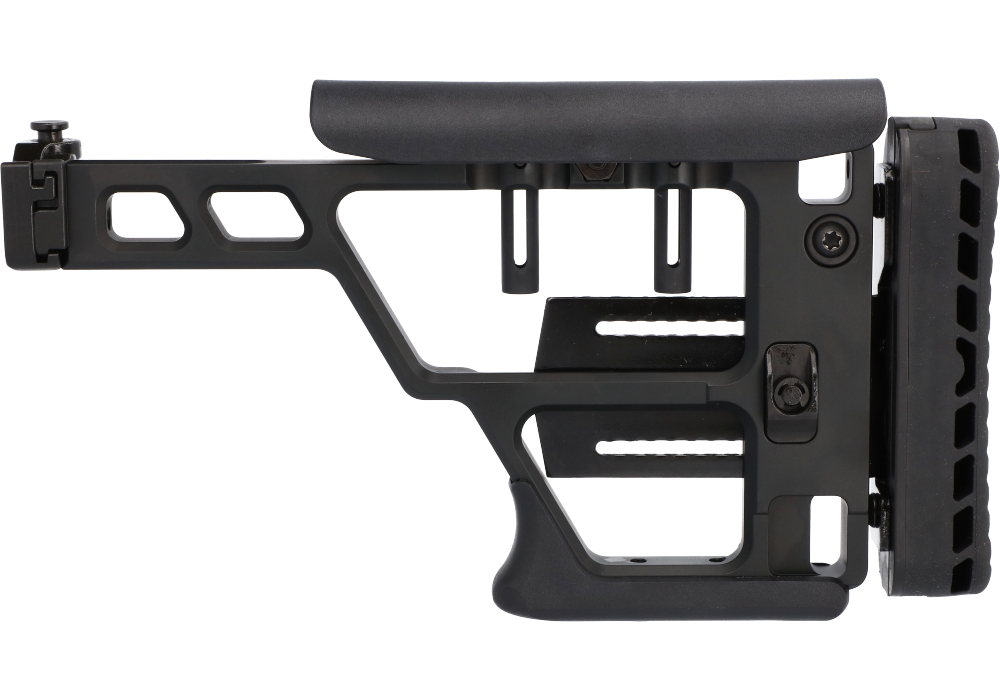
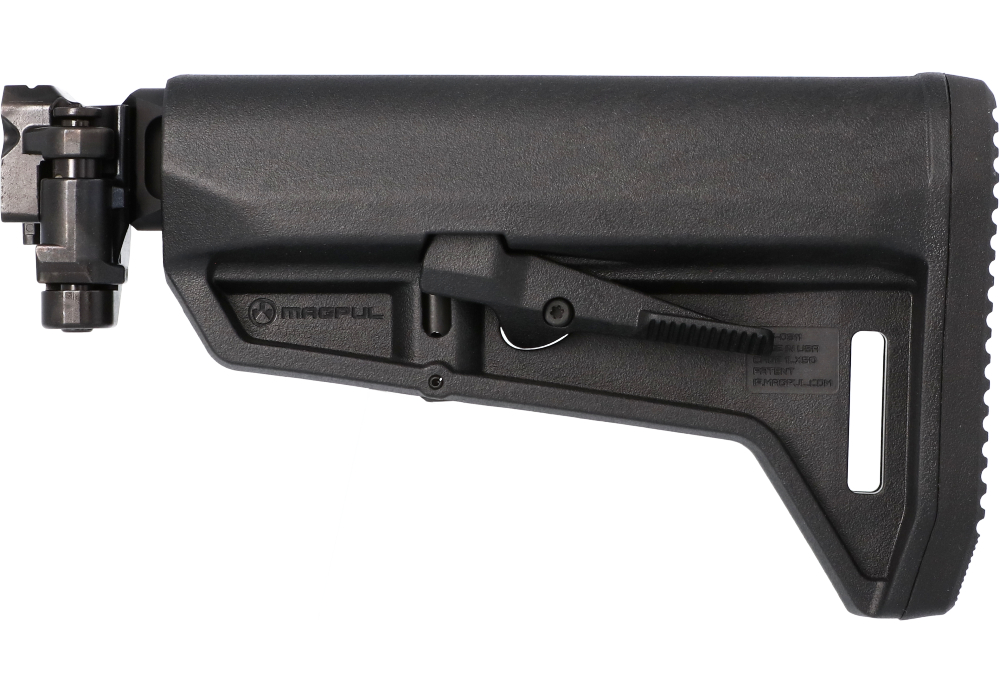
Folding stocks for advanced shooters offer a practical way to make a capable firearm easier to transport, store, and configure without giving up the familiar support of a shoulder stock when it is extended. For shooters who spend time moving between a safe, range bag, vehicle, and firing line, the ability to reduce the overall profile can make a noticeable difference. A folded setup can fit more neatly in a compact case, take up less room in a secure storage area, or make it easier to carry a platform through tight spaces during training. These stocks are especially useful for experienced owners who already understand their preferred shooting position and want to refine the firearm around that position. They may be selected for a compact sporting rifle, a modern sporting platform, or another compatible firearm used for range practice, competition, training, or backcountry travel. Before choosing a folding stock, confirm that the design matches the firearm’s receiver, rear interface, operating system, and intended configuration. Some stocks attach directly to a compatible rail or receiver interface, while others require an adapter between the firearm and stock. Shooters comparing those configurations may also want to review Folding Stock Adapters for Shooting Sports to understand how an adapter can affect fit, folding direction, overall length, and compatibility. A folding mechanism should close cleanly, lock firmly when opened, and resist unwanted movement during handling. Even a small amount of hinge play can become distracting when establishing a steady position, particularly during slow-fire practice from a bench or while working through positional drills. Look for durable hinge construction, positive locking surfaces, and a stock body that feels solid without adding unnecessary bulk. The best choice is not always the lightest option; balance, rigidity, and a secure cheek contact point often matter more once the firearm is shouldered.
Fit and adjustment deserve close attention because a folding stock changes the way the shooter interfaces with the firearm. Length of pull should suit the individual shooter, clothing, and intended use. A compact setting may work well with a light range shirt, while a slightly longer setting can feel more natural when wearing a jacket or other layered clothing during the cooler months. Adjustable stocks allow the same firearm to be shared among household members or configured for different shooting positions without forcing everyone into the same dimensions. A butt pad can help maintain a consistent shoulder pocket and may provide additional comfort during longer practice sessions. Cheek support is equally important, especially when the firearm is equipped with a raised optic, a variable-height mount, or other sighting equipment. A properly positioned cheek riser helps the shooter find the same eye line each time, reducing the need to lift or roll the head while establishing a sight picture. This becomes even more valuable when the stock is folded for transport and then opened before use, since the locking mechanism should return the stock to a repeatable position. Advanced shooters often evaluate these details from the bench first, then confirm them while standing, kneeling, or wearing the gear they commonly use. The shape of the stock, texture of the contact surfaces, and placement of the hinge can influence how naturally the firearm moves from a low-ready position to the shoulder. Users who practice precision shooting may prioritize a rigid stock with fine adjustment and a stable cheek weld, while those focused on compact travel may place greater emphasis on a slim folded profile and quick, dependable deployment. Shooters using optics or other accessories should verify that the folded stock does not interfere with controls, charging handles, bolt operation, sling attachment points, or the protective case selected for transport. Compatibility is more than matching a thread pattern or rail; it includes the complete firearm configuration and the way every component works together.
Folding stocks can also be a thoughtful gift for an experienced shooter, provided the recipient’s firearm platform and preferences are known. They are less suitable as a surprise purchase when the recipient uses a specialized receiver, an unusual optic height, or a stock interface that limits compatibility. A gift buyer can make the choice more useful by confirming the firearm model, rear attachment standard, preferred length of pull, and whether the shooter favors a fixed, adjustable, or minimalist design. For someone who spends cooler days at an outdoor range, a folding stock may provide convenient transport between the parking area and the firing line while leaving room in a case for protective equipment and other essentials. For a competitive shooter, the appeal may be a repeatable cheek weld, a firm lockup, and adjustments that support a consistent position across different stages. For a recreational owner, the benefit may simply be a more manageable firearm package for secure storage and organized transport. Regardless of the use case, buyers should read the manufacturer’s compatibility information carefully, inspect the stock and hinge before installation, and verify that the completed configuration follows all applicable federal, state, and local laws. Certain firearm configurations and folding mechanisms may be regulated differently depending on the jurisdiction, and a qualified professional or appropriate authority can help clarify requirements before purchase or installation. Owners should also follow the firearm and accessory instructions, confirm that the action is clear before handling, and test the fit and operation in a safe setting without assuming that every folding stock works the same way. With the right interface, a dependable lockup, suitable length-of-pull adjustment, and a cheek riser matched to the sighting system, a folding stock can add practical flexibility to an established setup while preserving the deliberate, controlled feel advanced shooters expect.