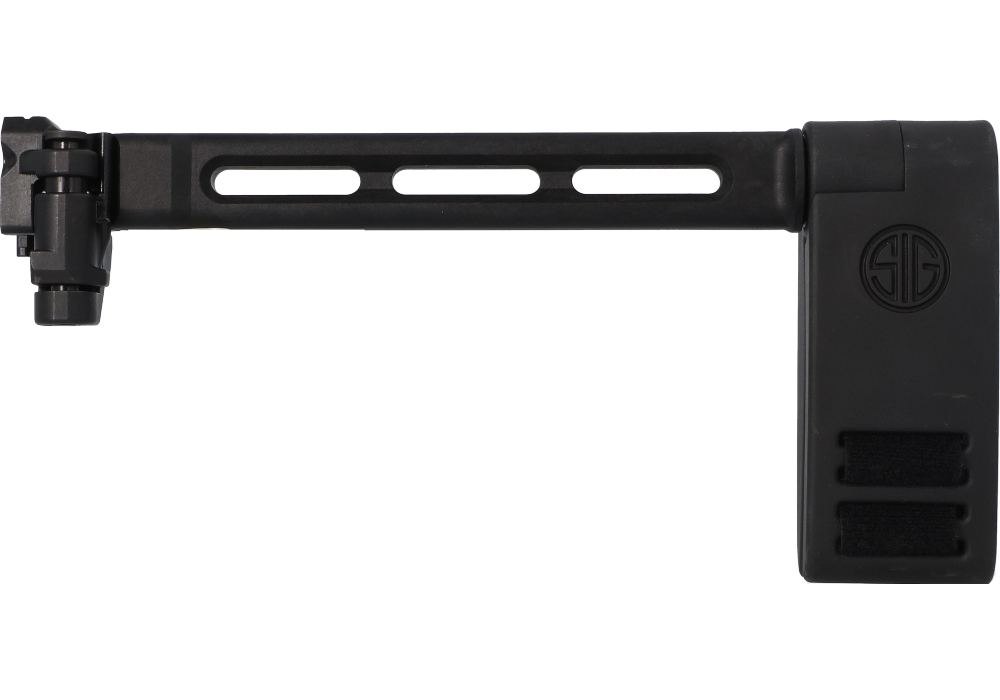
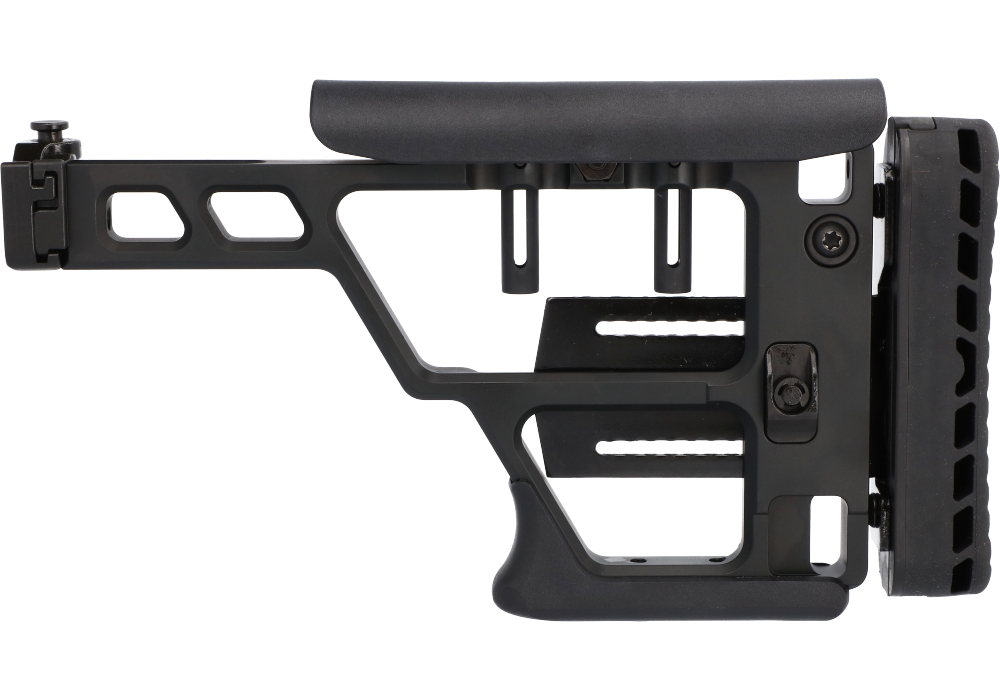
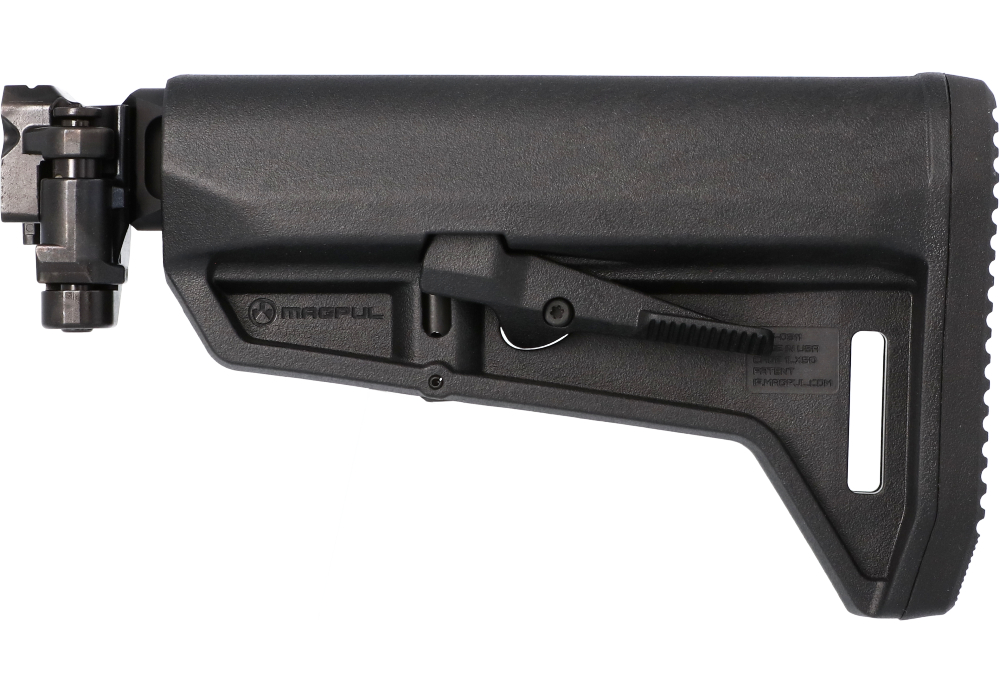
Folding stocks are a practical way to refine a rifle setup for transport, storage, and handling, making them a natural consideration for a July 4th rifle upgrade. A folding stock or folding adapter can shorten the rifle’s stored profile, simplify movement between a safe, vehicle, range bag, or hunting blind, and provide a more flexible fit for shooters who move between different shooting positions. The best choice depends on the rifle’s operating system, rear interface, intended use, and the shooter’s priorities. Some configurations attach directly to a compatible rear receiver interface, while others use a 1913 Picatinny rail or a dedicated adapter to support a folding mechanism. Before selecting an upgrade, confirm the exact rifle model, receiver pattern, buffer system, stock attachment method, and available clearance around the charging handle and controls. Standard AR-pattern rifles often require special attention because many use a buffer tube that affects both stock installation and the rifle’s ability to function when folded. Bufferless designs and compatible folding systems may offer different options, but they are not interchangeable by assumption. A careful fit check prevents the common frustration of receiving a component that looks right in photographs but does not match the rifle’s rear assembly. It is also important to distinguish between a folding stock, a folding brace, and an adapter intended to accept an existing stock. Each serves a different purpose and may carry different installation and compliance considerations. Buyers comparing folding stocks for July 4th rifle upgrades should examine locking strength, hinge construction, cheek-rest geometry, length-of-pull adjustment, sling attachment points, and whether the stock remains secure when folded and unfolded repeatedly. A solid locking interface should feel deliberate rather than loose, with minimal unwanted movement at the hinge. Weight can matter as well: a compact, lightweight setup may suit a rifle carried over uneven ground, while a more substantial stock may provide a steadier cheek weld and a fuller shoulder contact during extended range sessions.
Portability is often the central reason shooters choose a folding configuration. A rifle that fits more easily into a discreet case or a crowded vehicle can be simpler to transport to a training day, outdoor range, or remote property, especially when other equipment competes for space. During the cooler months, when layered clothing and additional gear already fill a vehicle or pack, a shorter stored profile can make organization less cumbersome. Folding stocks may also appeal to shooters who work with limited storage space or who want one rifle to serve several roles without a complete rebuild. A compact folded configuration can help when navigating a bench, moving between shooting stations, or placing a secured rifle in a storage compartment, while the extended position restores a familiar shoulder interface for deliberate shooting. The hinge should not be treated as a substitute for a proper firing position, however. Depending on the rifle and folding system, the firearm may not be capable of firing safely or cycling properly while the stock is folded. Some standard operating systems require the stock or buffer assembly to be extended for reliable function, and a folded stock can interfere with the shooter’s grip, ejection path, or control of the firearm. Read the manufacturer’s instructions, verify the function of the specific platform, and keep the stock fully extended unless the system is expressly designed for another mode of operation. Installation also deserves care. Unload the firearm completely, remove the magazine, confirm the chamber is empty, and follow a safe work process in a clear area. If the upgrade involves removing receiver components, changing the rear interface, or modifying a regulated configuration, a qualified gunsmith can help confirm proper fit and operation. After installation, inspect the hinge, fasteners, sling mounts, and locking surfaces before testing the rifle at a controlled range. Begin with a function check and a small number of carefully observed shots, watching for unusual movement, interference, or changes in handling.
A folding stock can be a thoughtful gift for an experienced rifle owner who has already identified a need for easier transport or a more adaptable setup, but it is rarely a universal accessory. Gift buyers should know the recipient’s exact rifle platform and rear mounting system before making a selection. A stock intended for a direct receiver interface may not fit a rifle using a 1913 rail, and an adapter designed for one operating system may be unsuitable for another. When those details are uncertain, a gift card or an invitation to choose together may be more useful than guessing at compatibility. For buyers selecting an upgrade for their own rifle, start by identifying the platform and deciding whether portability, adjustability, cheek weld, weight, or storage convenience matters most. A shooter who spends long afternoons at the range may prefer a stock with a comfortable cheek rest and repeatable length-of-pull adjustment. Someone who transports a rifle frequently may place greater value on a compact folded profile, a positive lock, and a durable hinge that will withstand routine handling. Those who train from multiple positions should consider whether the stock supports a consistent shoulder mount from standing, kneeling, seated, and prone positions. Sling placement can influence balance, particularly on a rifle equipped with an optic, light, or other accessories, so check that the folded stock does not press against controls or create snag points. Always review federal, state, and local requirements before purchasing or installing a folding stock or adapter. Laws may address overall length, folding mechanisms, stock configuration, transport, and other elements of a firearm, and requirements can vary significantly by jurisdiction. Confirm compliance before installation and again before transporting the rifle. Shooters looking ahead to future seasonal projects can also explore Folding Stocks for Spring Upgrades when planning another platform refinement. With the right interface, secure installation, and a clear understanding of how the rifle functions when folded or extended, a folding stock can bring useful flexibility to a July 4th upgrade while preserving the familiar control and fit that make a rifle comfortable to shoot.