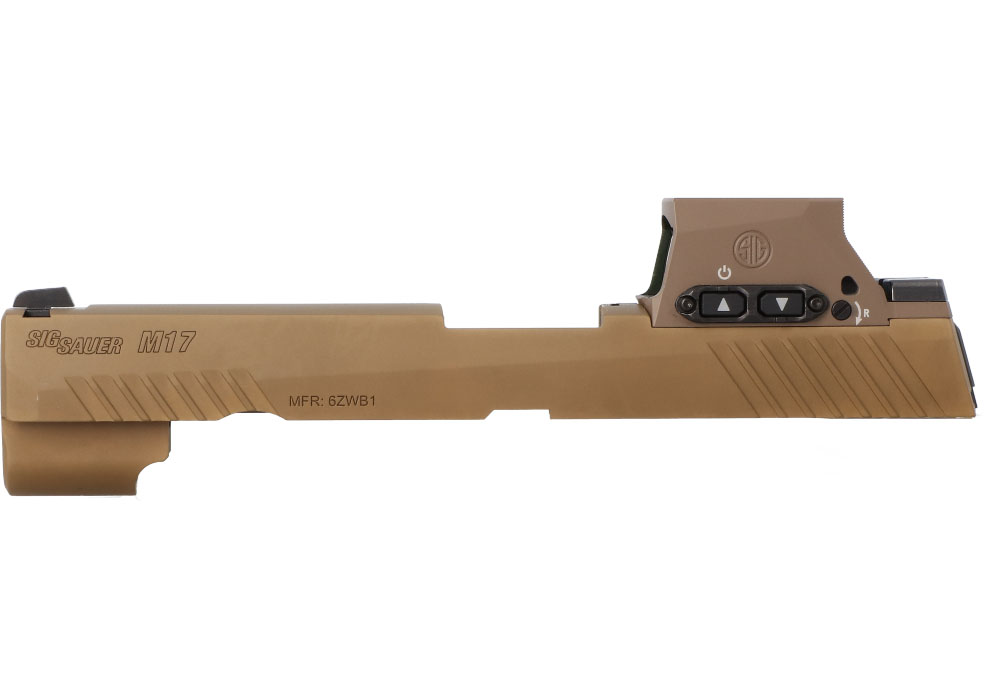
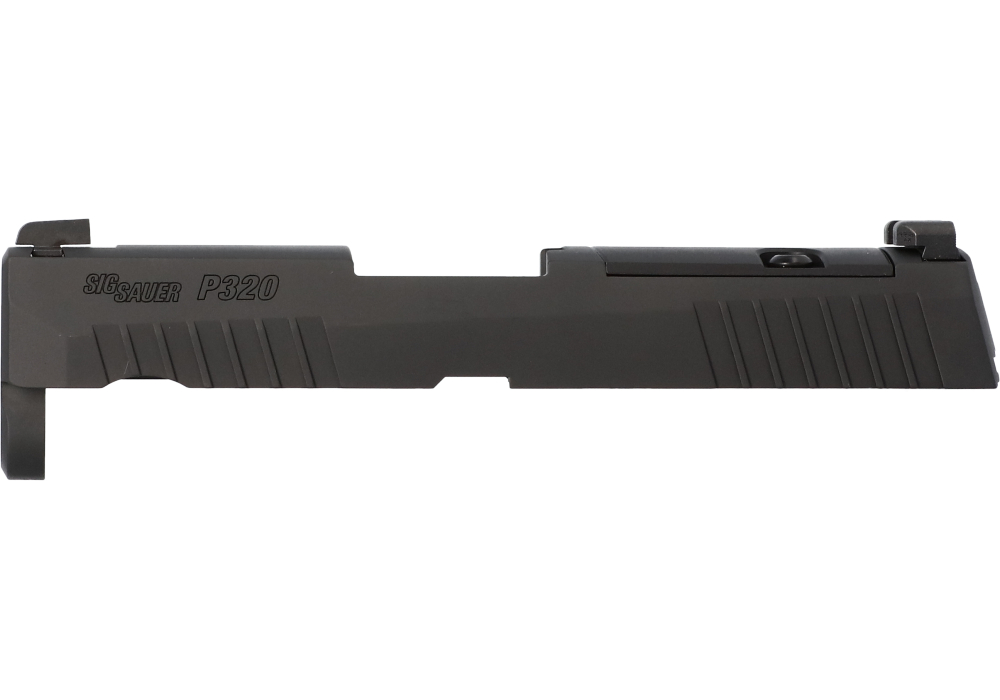
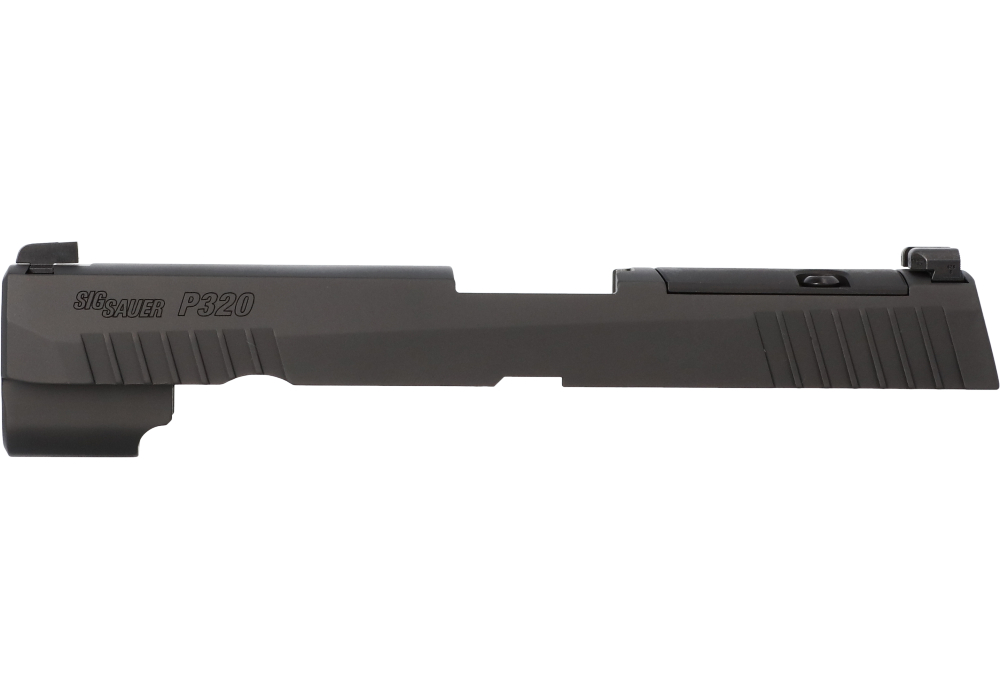
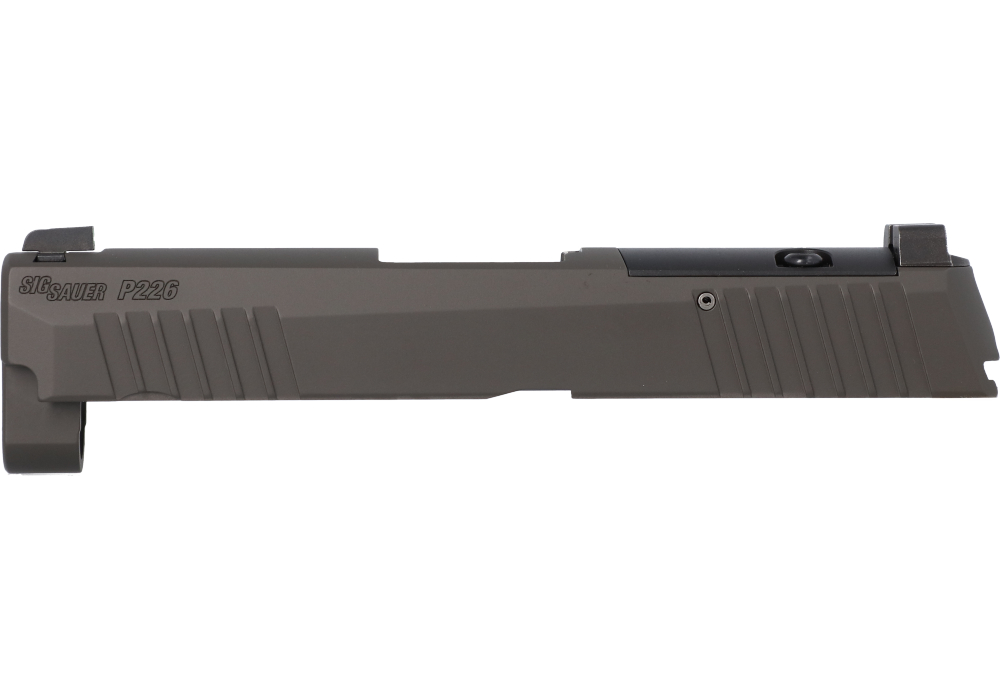
Slide assemblies for July 4th firearm upgrades offer a practical way to refresh a compatible handgun for range use, training, or a carefully planned presentation. A complete slide assembly may include the slide, barrel, recoil spring assembly, and related components, although the exact contents vary by configuration. Because the assembly is designed to pair with a specific frame and operating system, compatibility should be the first consideration before purchase. Confirm the handgun family, model designation, caliber, barrel length, frame size, generation, and any required internal components listed by the manufacturer. A slide that appears similar in photographs may not fit a different model or frame variant, and even assemblies within the same product family can differ in dimensions, optic footprint, or recoil-system requirements. For many owners, the appeal is a straightforward way to update an existing setup without replacing the entire firearm. A complete assembly can also provide a clean starting point for a dedicated range configuration, allowing one compatible frame to support different upper assemblies when the manufacturer’s specifications and applicable laws permit. This makes slide assemblies a thoughtful gift for an experienced firearm owner who already knows the exact model and configuration they use, though a gift card or a conversation about compatibility may be more practical than guessing. During the cooler months, when time at the range may be more deliberate and scheduled, a refreshed slide can be part of a broader maintenance and training plan, helping an owner arrive with equipment that has been selected, inspected, and set up well before the next session.
Optic-ready slide assemblies are especially popular among shooters who want the option of mounting a compact red-dot sight without having a factory slide custom-machined. An optics cut is not universal: different sights use different footprints, mounting screws, plates, and height requirements, so shoppers should verify that the slide’s cut matches the intended optic or that the correct adapter plate is available. Some configurations are sold as slide-only options for customers who already have a compatible barrel and recoil components, while others are complete assemblies intended to simplify the upgrade process. Optic-included packages can be convenient when the sight, mounting system, and slide are designed to work together, but the buyer should still confirm battery access, sight height, co-witness expectations, and any included hardware. Serration placement and slide profile also deserve attention. Deeper or more pronounced front and rear serrations can give the hand a more secure purchase during manipulation, particularly when wearing gloves or working in damp conditions, while a lighter or pro-cut design may change the balance and cycling characteristics of the handgun. These details are less about appearance than about how the assembly feels during loading, unloading, inspection, and practice. A longer slide and barrel may provide a longer sighting plane and a steadier feel for users who favor full-size range setups; a shorter assembly may suit compact frames and owners who prioritize a smaller overall profile. Barrel length, slide mass, optic weight, ammunition selection, and recoil-spring specifications work together, so an upgrade should be evaluated as a complete system rather than as an isolated cosmetic change. When a replacement assembly calls for a particular recoil component, review the manufacturer’s requirements and consider the available Recoil Spring Sets for July 4th Shooting to help maintain the correct relationship between the slide, spring, barrel, and frame.
A well-chosen slide assembly can serve several types of firearm owners. Newer shooters may appreciate an optics-ready setup that supports a consistent aiming reference as they build safe handling and marksmanship habits, while experienced range users may be looking for a refined upper configuration for drills, competition practice, or seasonal equipment updates. In either case, the upgrade should be purchased for a specific compatible handgun and a clear purpose, not simply because a particular finish or cut looks appealing. Review the included parts carefully: some assemblies require the buyer to transfer a firing-pin assembly, extractor, sights, barrel, or recoil spring from an existing slide, while others arrive with most or all of those components installed. If an optic is added, use the correct screws and torque specifications, apply only the thread locker recommended for the hardware, and confirm that the sight is seated properly before live-fire use. Any installation should take place with the firearm unloaded, the magazine removed, and the chamber verified clear, and owners who are uncertain about disassembly or fit should rely on a qualified gunsmith. After installation, function checks should be performed according to the manufacturer’s instructions, followed by a cautious range inspection using appropriate eye and ear protection. Watch for unusual cycling, failures to return to battery, loose fasteners, or inconsistent ejection, and stop using the setup if anything seems abnormal. It is also important to confirm local requirements for firearm parts, optics, transfers, and storage, since rules can vary by jurisdiction. For a July 4th-themed upgrade, the most enduring choice is one that remains useful beyond the holiday: a properly matched assembly that supports safe handling, dependable function, comfortable manipulation, and the owner’s preferred training routine through changing weather and throughout the year.