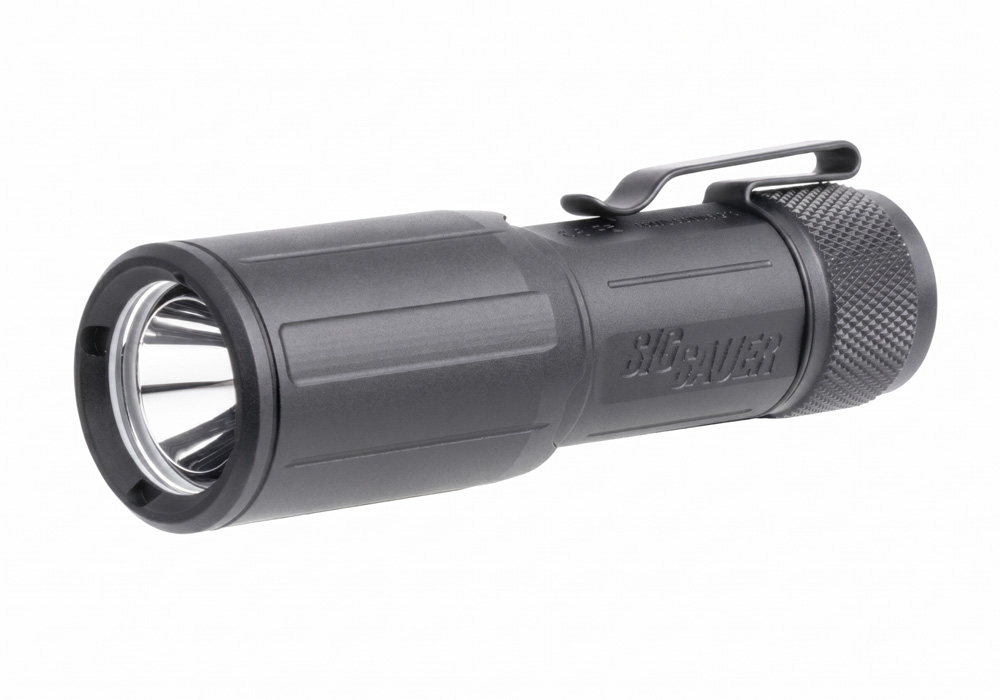
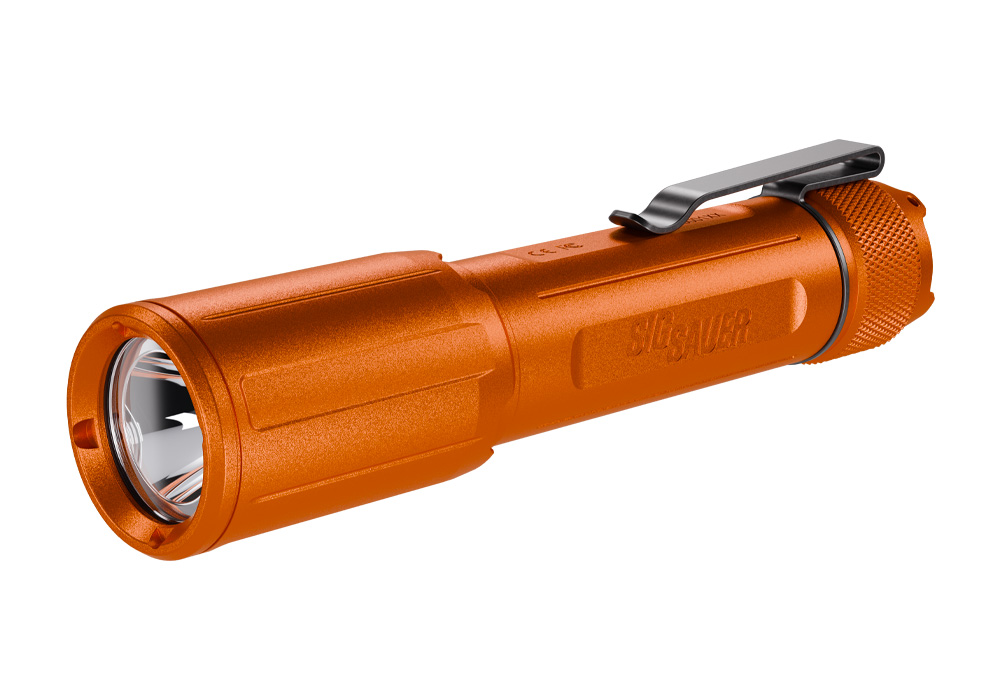
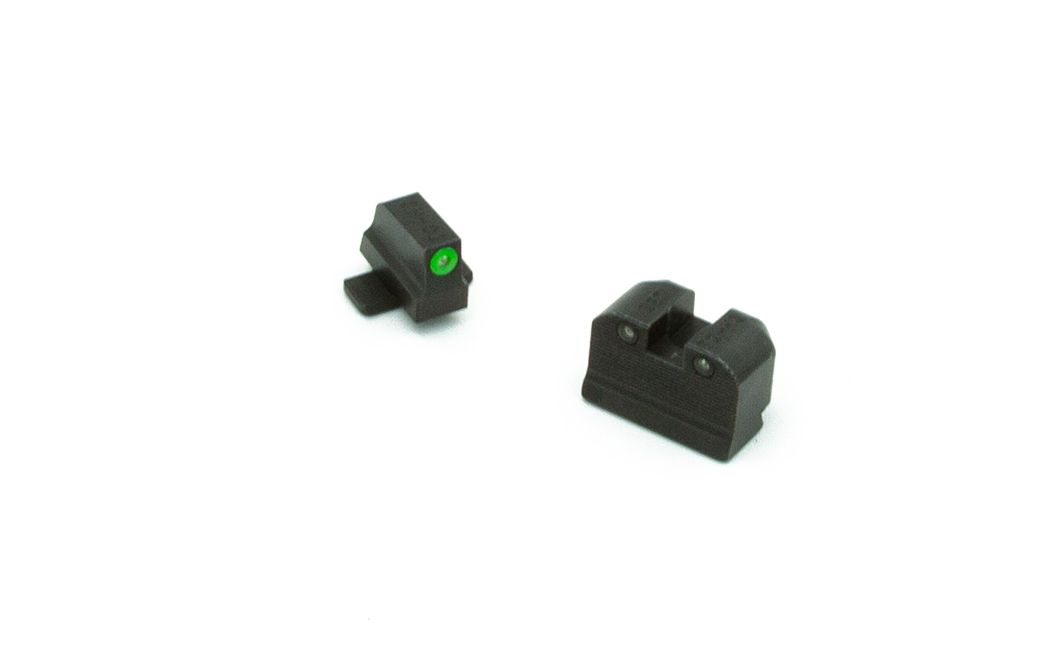
The Foxtrot family belongs to the world of portable illumination and firearm lighting, where a clear view, straightforward controls, and dependable construction matter more than a long list of features. These lighting tools serve different purposes, from a handheld light used to find a missing key beside a parked vehicle to a compatible firearm light selected for a dedicated equipment setup. Understanding that distinction is important: a handheld flashlight can illuminate everyday surroundings independently, while a firearm-mounted light must always be handled according to firearm safety rules. A mounted light is never a substitute for an ordinary flashlight when checking an unfamiliar sound, searching a room, or completing a household task. For responsible firearm owners, recreational shooters, and professionals whose equipment requirements include illumination, the appeal starts with having a light suited to its intended role. Brightness is part of that decision, but the character of the beam matters just as much. Lumens describe total light output, while candela describes intensity in a particular direction. A concentrated center and a broader surrounding beam create different viewing experiences, so the highest lumen figure alone does not establish which light will feel most useful. Beam shape, usable runtime, control layout, and overall dimensions deserve consideration together. A small light that travels comfortably in a pocket solves a different problem from a larger light selected around a mounting interface and holster. Likewise, a switch that feels natural on a handheld body may not resemble the controls on a mounted unit. The strongest match is usually the one whose size, operation, and power requirements fit an established routine without adding unnecessary complications. Whether the goal is everyday utility, equipment consistency, or a more complete range setup, thoughtful selection begins with the job the light needs to perform rather than its appearance alone.
Materials and fit determine much of how a light feels in daily ownership. Aluminum housings are common in this category because they can balance manageable weight with structural strength, while protective surface treatments help resist the wear that comes from repeated handling. Lens construction, seals, switch protection, and the design of battery access points also deserve attention. No single material guarantees durability, and claims about water resistance or impact resistance should be supported by the stated rating for the particular light. A light carried alongside keys experiences different wear from one attached to a firearm, where recoil compatibility and secure mounting become essential considerations. For mounted lighting, compatibility goes beyond whether an accessory appears to fit beneath the barrel. Rail dimensions, mounting interfaces, required adapters, and the manufacturer's approved applications all influence whether the combination is appropriate. Overall length and width can also affect storage and holster selection. A holster designed for a firearm without a light should not be assumed to accommodate the same firearm with one attached; the exact combination needs confirmed compatibility, secure retention, and proper trigger coverage. Any fit check or installation should take place with the firearm unloaded and in accordance with the relevant manufacturer instructions. Handheld lights involve their own practical details, including pocket clip placement, body texture, switch position, and whether the shape is comfortable during ordinary use. A clip that catches on a pocket seam or a control that is difficult to distinguish by touch can turn an otherwise appealing light into an inconvenience. Power systems add another layer to the decision. Replaceable batteries can suit owners who prefer keeping compatible spares, while rechargeable designs may fit naturally into an established charging routine. Neither approach is universally better. Battery type, charging method, published runtime, and any changes in output during operation provide a more useful picture than brightness viewed in isolation. These details help establish whether a light will be comfortable to carry, simple to maintain, and appropriate for the equipment around it.
Care is generally straightforward, but consistency helps preserve both performance and confidence in the equipment. Follow the manufacturer's cleaning instructions, keep the lens free of residue, and use only approved batteries or charging accessories. A soft cloth and an appropriate lens-cleaning method are preferable to improvised abrasives or harsh household chemicals that could damage finishes, seals, or optical surfaces. Mounted lights may collect residue during range use, making a routine inspection especially useful before the next outing. Check the housing, controls, battery compartment, and mounting hardware for visible wear, and address loose or damaged components according to the manufacturer's recommendations rather than improvising a repair. Rechargeable lights benefit from a predictable charging habit, while replaceable-battery designs call for attention to battery condition and correct installation. Storage instructions matter as well, especially when a light will sit unused for an extended period. For someone building an everyday carry routine, the most satisfying choice may be a compact handheld light that earns its place through frequent, ordinary use: reading a label in a dim storage area, finding something beneath a desk, or lighting a path without tying illumination to a firearm. For a firearm owner, the right accessory also depends on existing equipment, training requirements, and the practical realities of secure storage. Lighting does not replace safe handling, positive identification, or instruction from a qualified professional. Gift shoppers can use those same distinctions to make a considerate selection. A handheld light can be a practical gift for someone who appreciates useful equipment, while a mounted light requires much more specific knowledge of the recipient's firearm, mounting interface, and holster. Related browsing may also include Fathers Day Tactical Rifles, with any accessory selection kept specific to the recipient's equipment and preferences. Across the category, lasting satisfaction comes from the details that remain noticeable after the first impression: a secure fit, clear controls, sensible power management, and construction suited to repeated use. A well-chosen light should feel like a useful part of an established routine, supported by care practices that are easy to maintain.