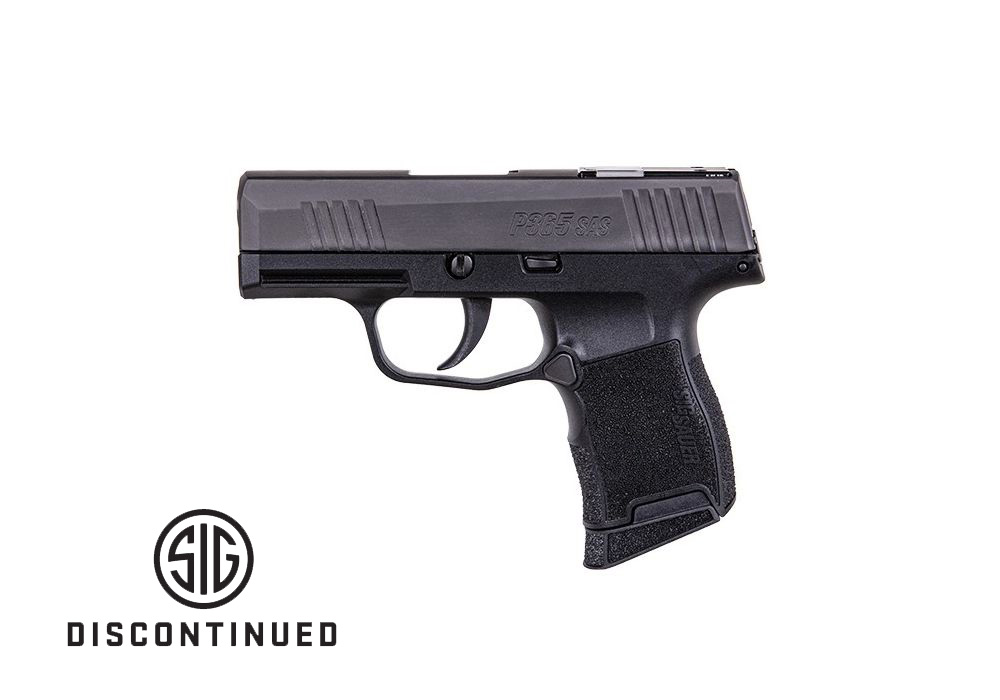
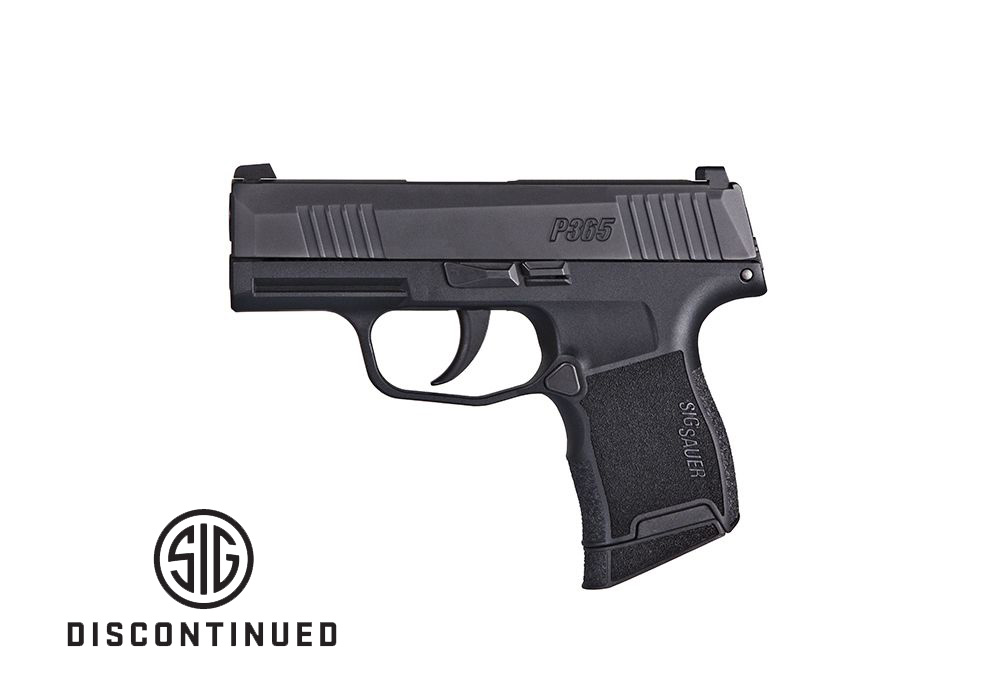
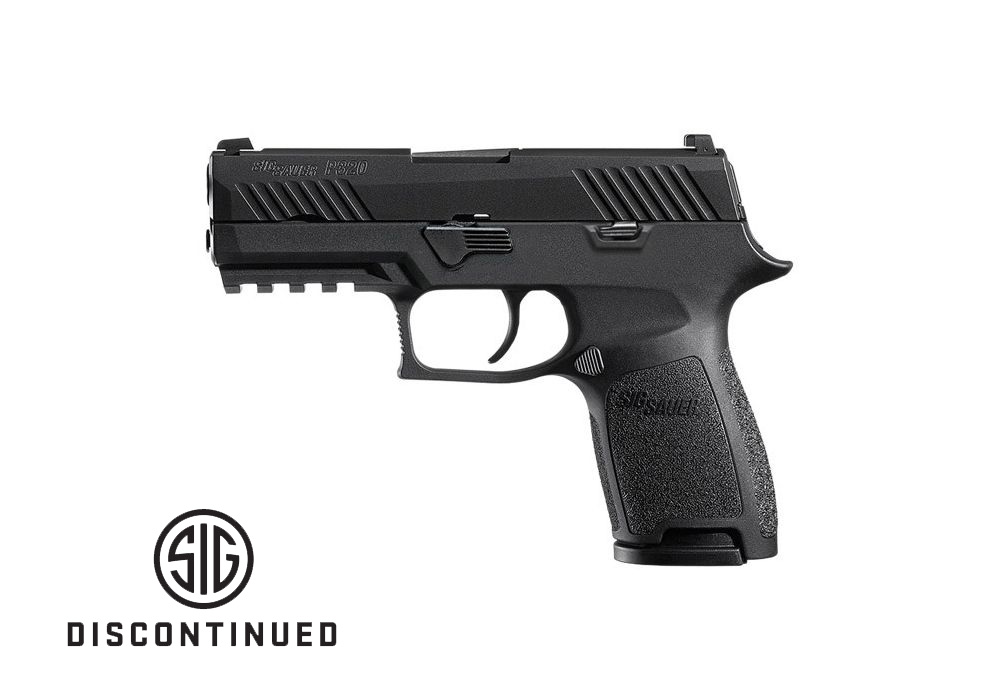
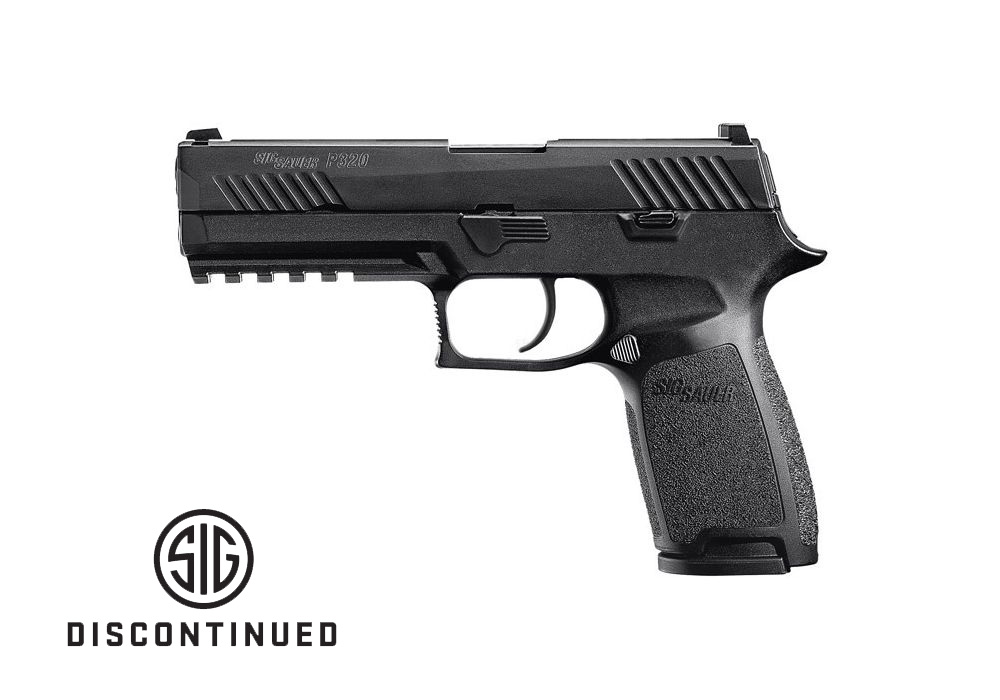
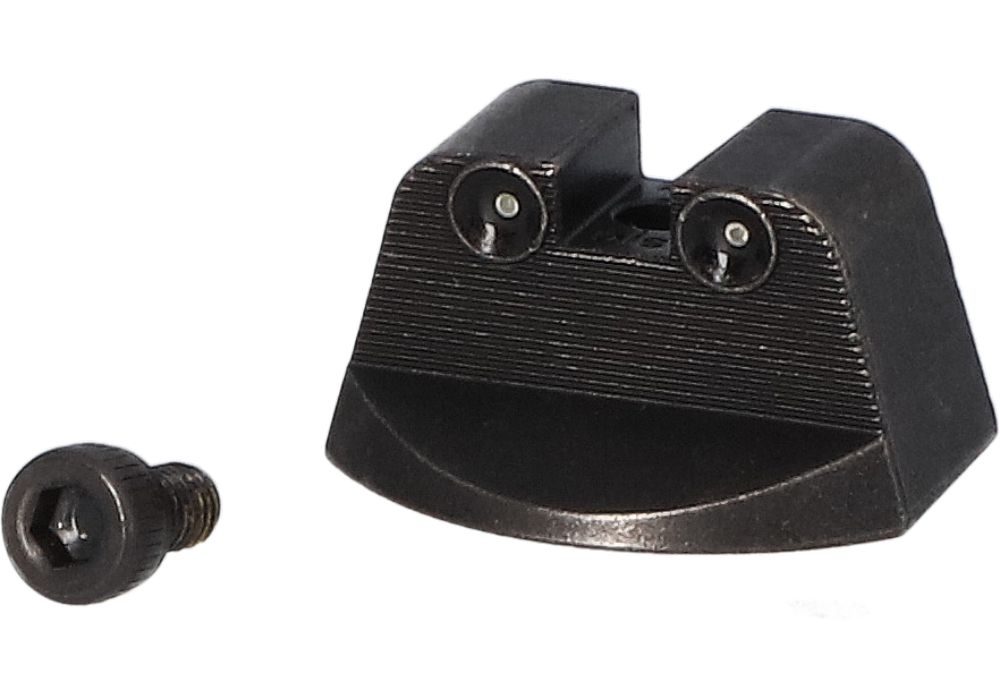
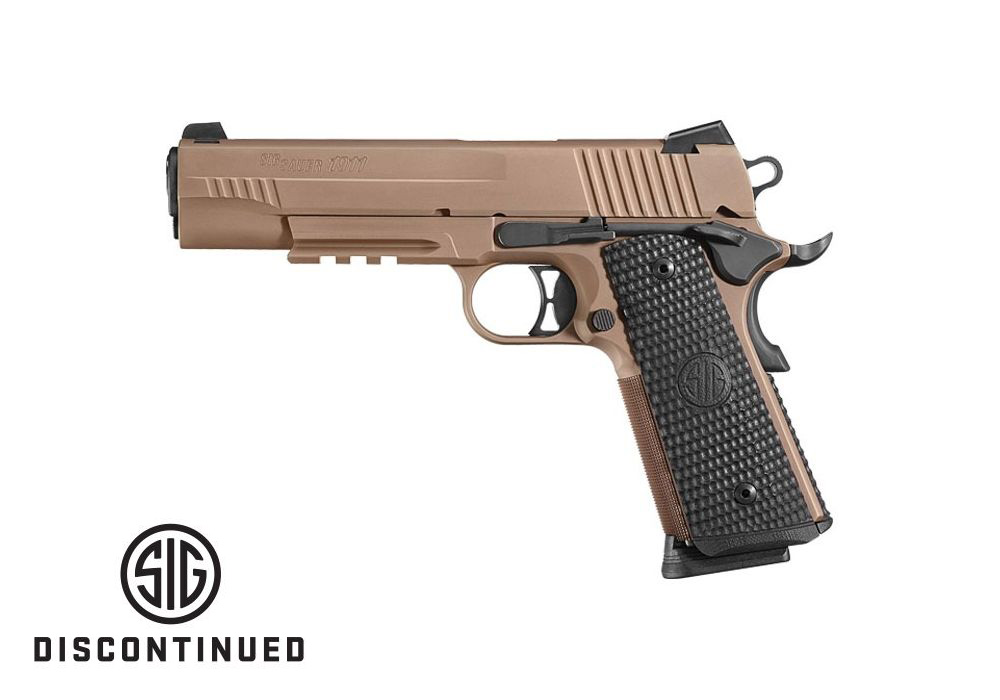
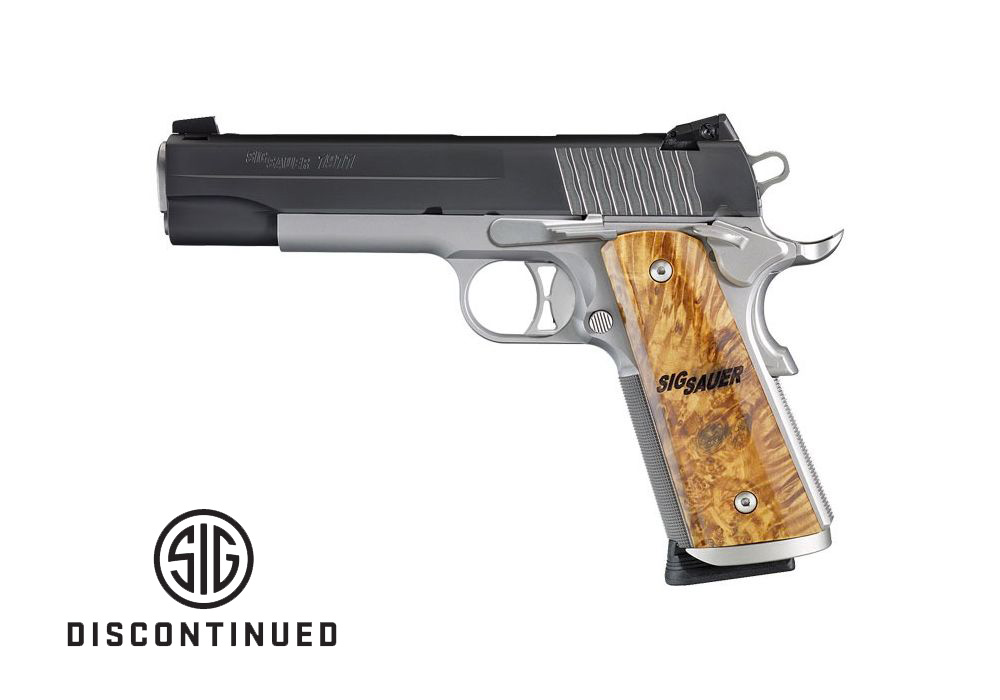
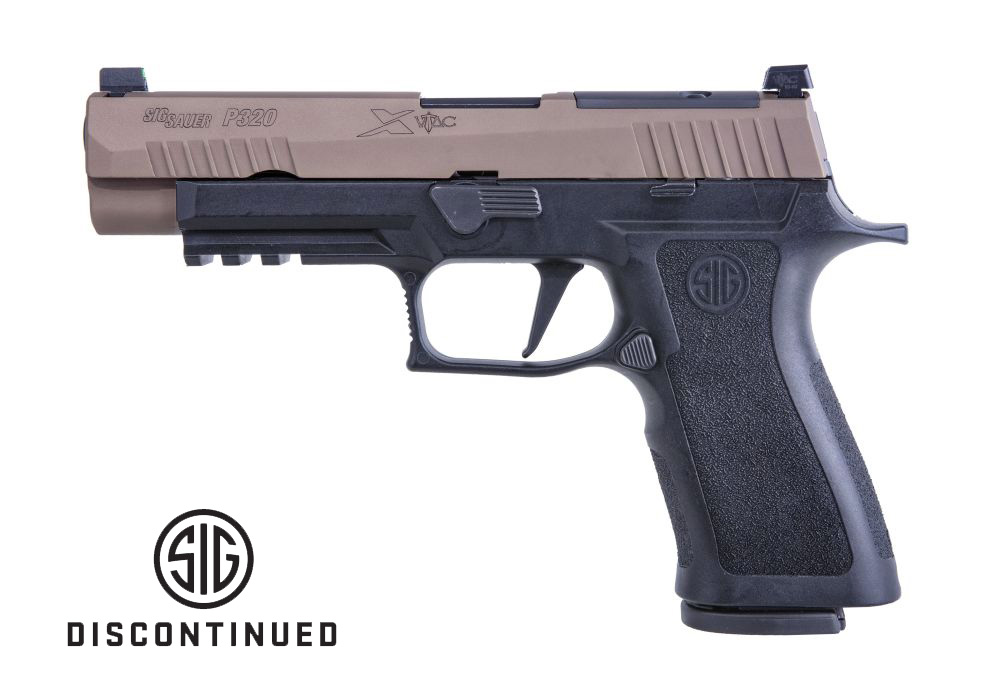
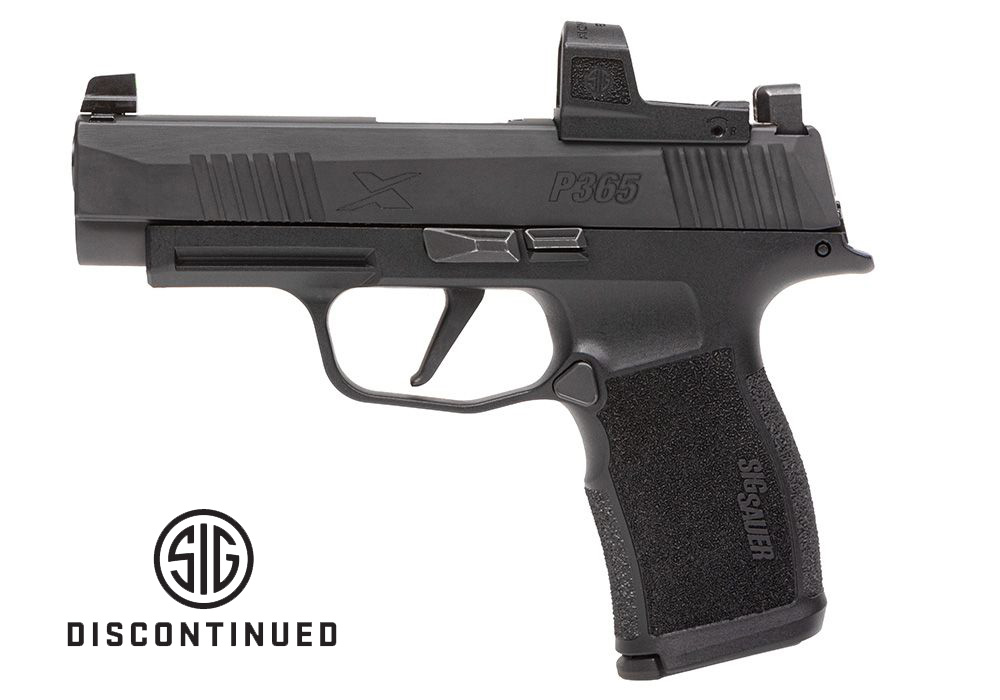
Full-size pistols with night sights combine a full-length handgun platform with sight elements designed to remain visible when ambient light is limited. They suit owners who prefer a substantial grip, a longer sight radius, and an aiming reference that remains useful beyond brightly lit range conditions. Traditional tritium night sights contain sealed, self-illuminating lamps that glow without batteries or prior exposure to light. Fiber-optic elements work differently: they gather surrounding light to create a bright aiming point, but they do not glow independently in darkness. Some sight configurations combine these technologies to support visibility across different lighting conditions. Understanding that distinction helps explain what a night-sight-equipped pistol offers, whether its primary role is range practice, authorized professional use, or lawful personal protection. A contrasting front outline can be especially helpful against a busy background, while rear sight markings provide an additional reference for alignment. Three-dot arrangements are common, although the size, color, and prominence of those dots vary. The best sight picture is not necessarily the brightest or most elaborate; it is one that remains clear to the individual shooter without obscuring too much of the target. Full-size dimensions also contribute to the overall experience. A longer distance between the front and rear sights can make alignment differences easier to recognize, and a larger grip can give the hands more room for consistent contact. Additional weight may help moderate the feel of recoil, although caliber, ammunition, grip shape, and individual technique all influence how a pistol handles. Those characteristics appeal to experienced handgun owners and newer shooters seeking a platform for supervised instruction and regular practice. Night sights nevertheless have an important limit: they help the shooter see the sights, not identify what is beyond them. They do not illuminate a room or establish whether a target is safe. Responsible ownership still depends on clear identification, appropriate lighting, sound judgment, and training rather than sight visibility alone.
Materials, dimensions, and control placement shape how a full-size night-sight pistol feels over years of use. Steel slides, polymer or metal frames, and protective surface finishes each bring different weight and maintenance considerations. Polymer frames can keep overall weight more manageable, while metal frames often contribute a more substantial feel in the hand. Neither construction automatically guarantees better fit or greater durability; design, manufacturing quality, maintenance, and the demands of the intended use matter together. A comfortable grip should provide secure contact without forcing the hand into an awkward position to reach the trigger or operate essential controls. Owners with smaller hands may find grip circumference more consequential than barrel length, while those with larger hands may appreciate the extra support of a full-length grip. Interchangeable grip components, where included, can offer additional flexibility, but their adjustment range varies by platform. Texture also deserves attention. A pronounced surface can feel secure during practice yet become uncomfortable against the body during extended carry. Sight construction is another part of the durability picture. Robust sight bodies help protect the luminous elements, and a secure mounting interface supports consistent alignment through routine use. Protective finishes can resist surface wear and corrosion, but they do not eliminate the need for care. Front sight width, rear notch dimensions, and sight height affect how much visual space surrounds the front post and how easily the aiming reference stands out. Eyesight, corrective lenses, and individual color perception can change the impression of the same sight arrangement. For pistols configured to accept an optic, the relationship between the sight height and the optic installation also matters; ordinary-height sights do not necessarily remain visible through every setup. Holster fit is equally specific. Frame dimensions, slide length, sight profile, and any attached accessories must match the holster’s intended configuration. A full-size designation describes a general class, not a universal fit standard, so compatibility depends on the actual dimensions and features of the pistol.
A full-size pistol with night sights is most useful when its size and handling characteristics fit the owner’s routine. For regular range sessions, a spacious grip and clearly defined sight picture can support consistent practice without the compromises of a smaller frame. For professional users, suitability also depends on employer requirements, approved equipment standards, and qualification expectations. For lawful personal protection, secure storage, responsible access, and the ability to handle the firearm safely remain more important than any single feature. The added dimensions of a full-size handgun deserve realistic consideration when carry is part of that routine. A pistol that feels comfortable during a brief handling session may feel noticeably different after extended time in a properly fitted holster. Clothing, body shape, seated comfort, and the complete weight of the equipment all influence that experience. Shoppers balancing a substantial grip against a smaller overall footprint can also explore Compact Pistols With Night Sights to compare the category’s size and handling tradeoffs. Whichever format fits the intended role, routine care helps preserve function and visibility. Cleaning and inspection should follow the manufacturer’s directions, with the firearm unloaded and ammunition kept separate from the work area. Residue, lint, and excess lubricant can interfere with a clean view of the sights, making gentle cleaning with appropriate materials preferable to aggressive scraping or unapproved chemicals. Sealed luminous components should not be opened or altered. Tritium brightness gradually diminishes over time, so the long-term visibility of night sights warrants periodic assessment even when their exterior surfaces still look sound. Loose, damaged, or noticeably dim sights call for evaluation by the manufacturer or a qualified professional. Storage should prevent unauthorized access and protect the firearm from damaging moisture. Consistent maintenance, verified accessory compatibility, and continued instruction help keep the focus where it belongs: on a well-fitting handgun, a readable sight picture, and responsible ownership throughout the product’s service life.