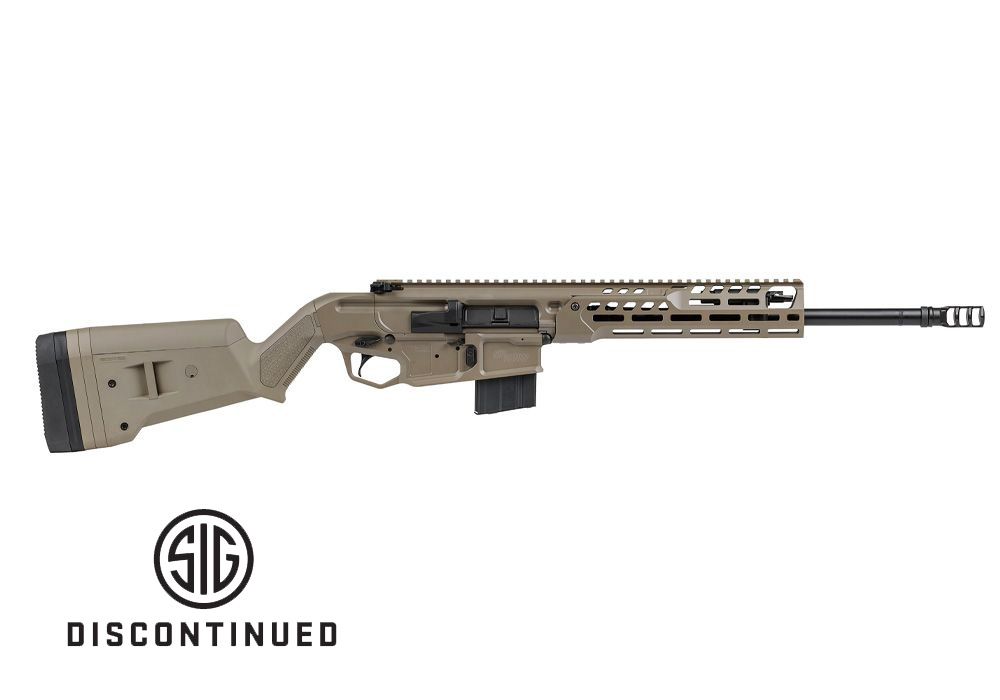
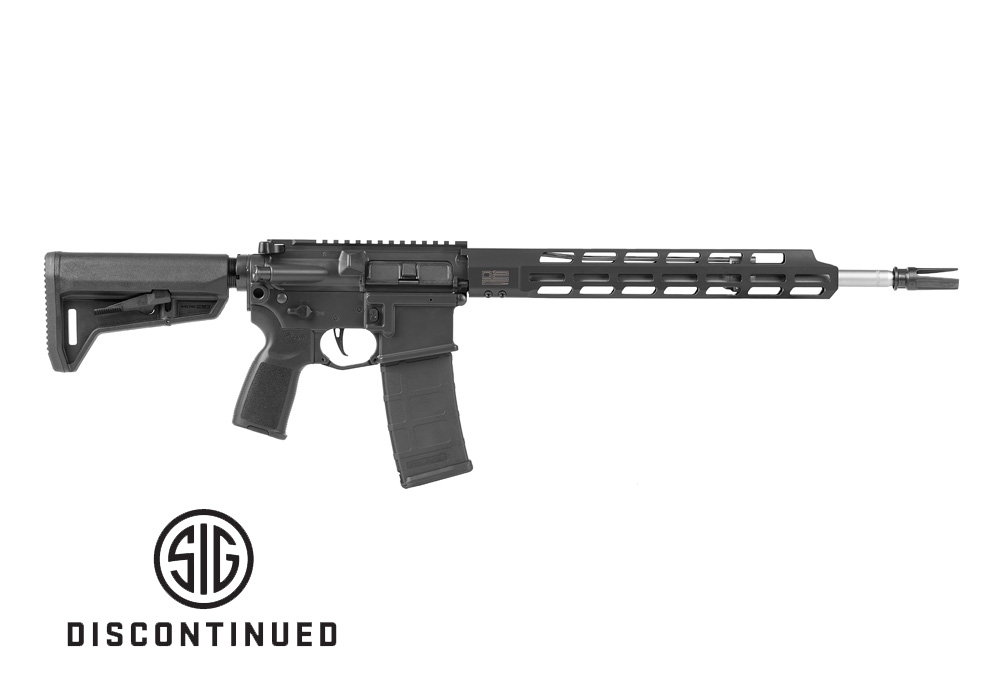
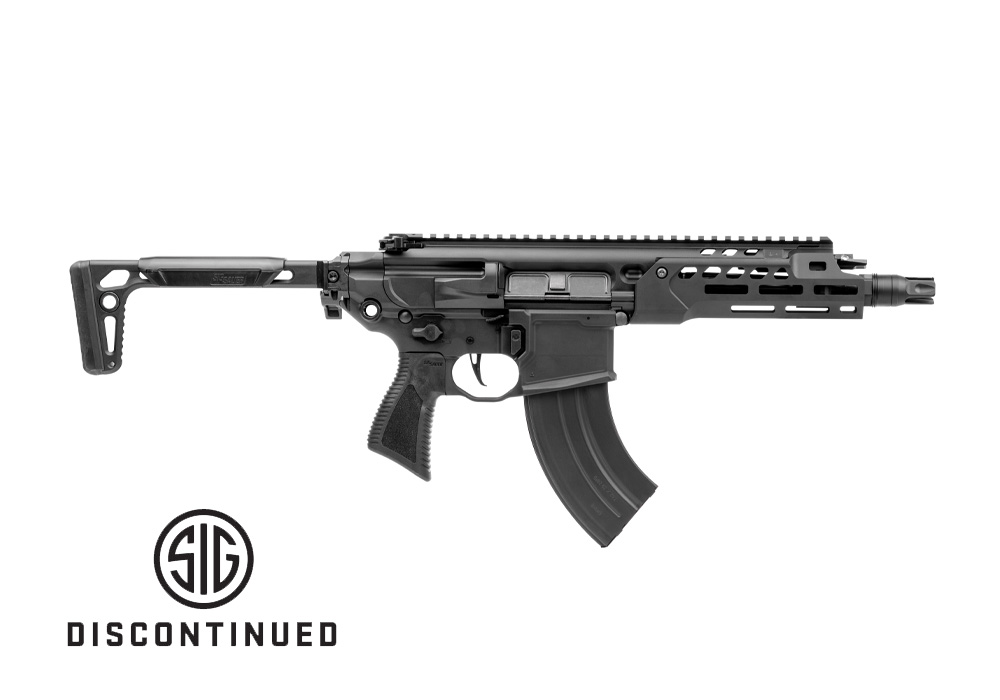
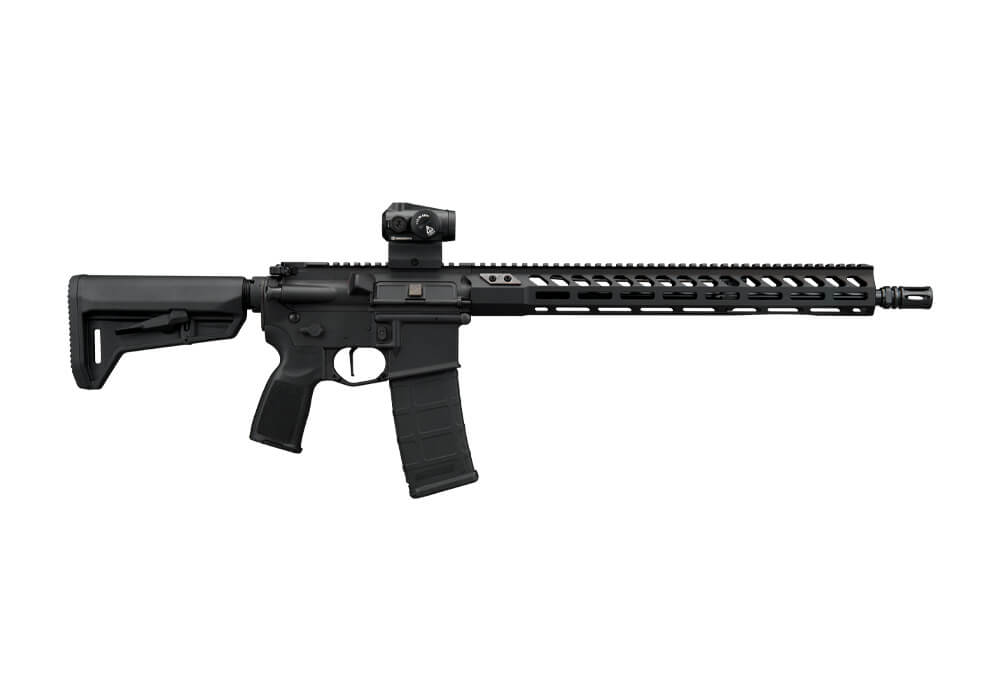
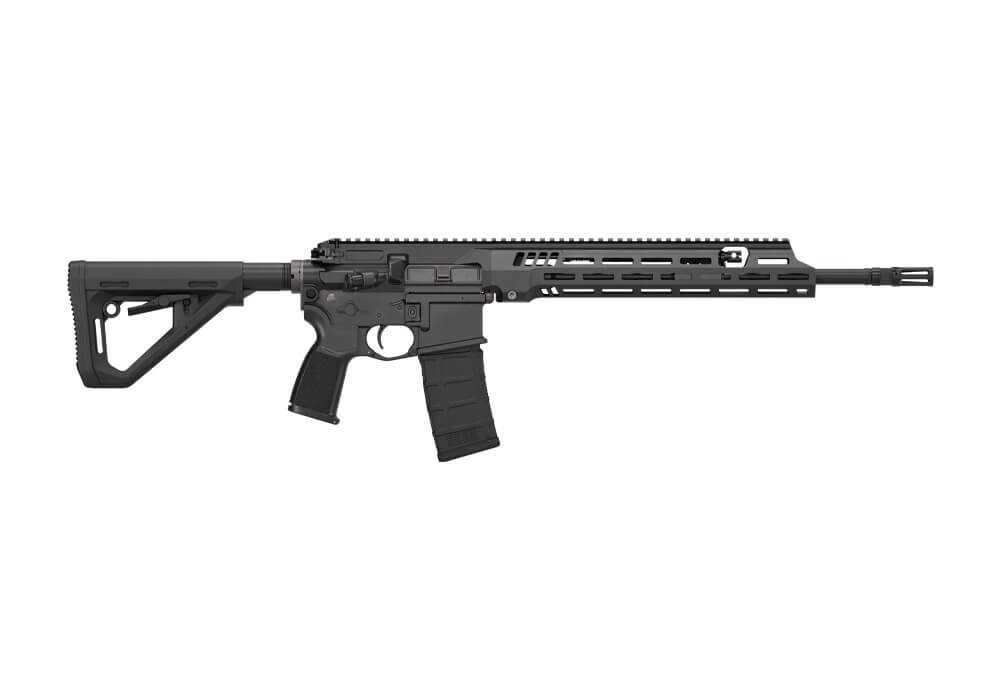
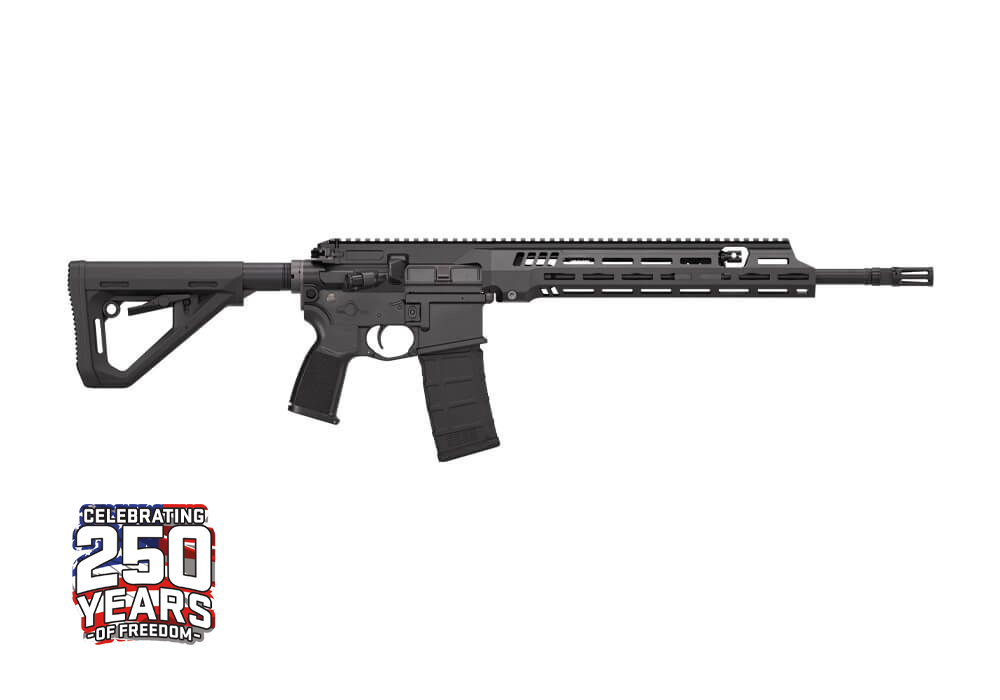
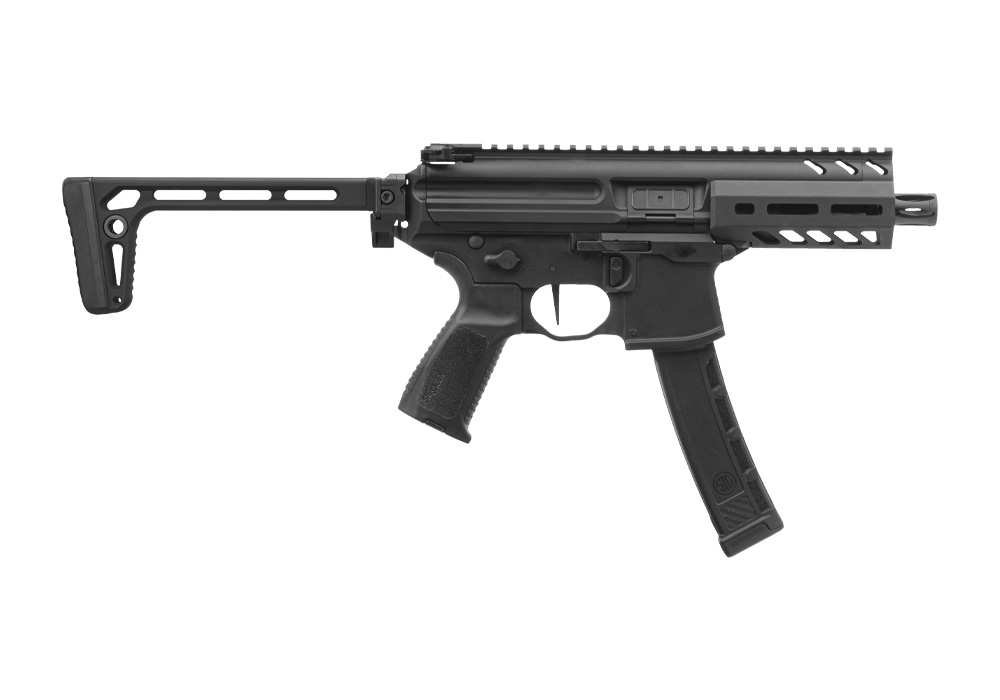
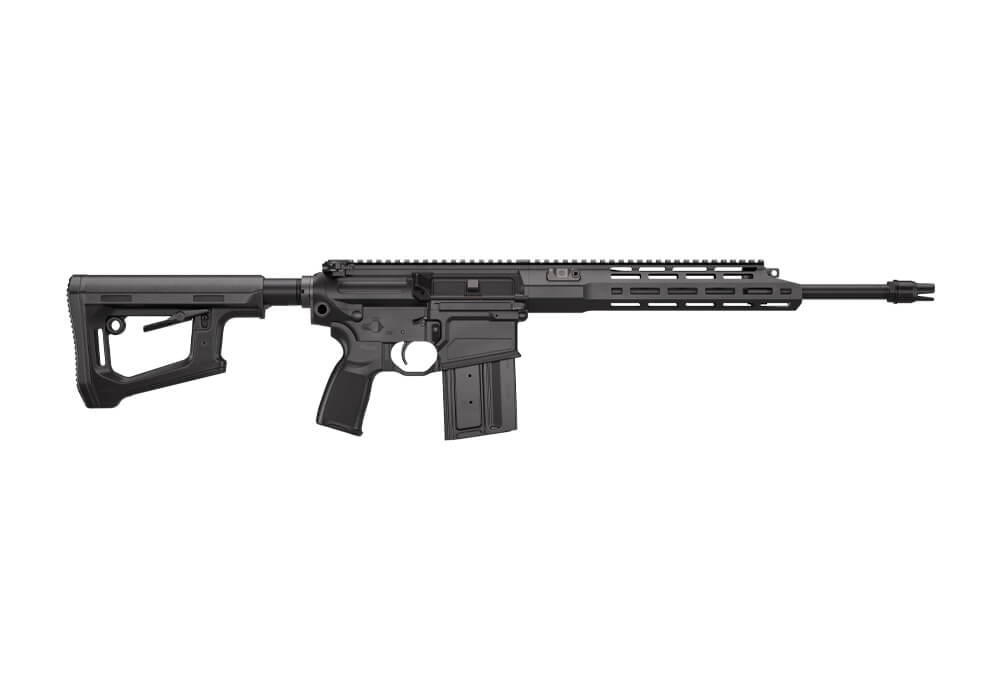
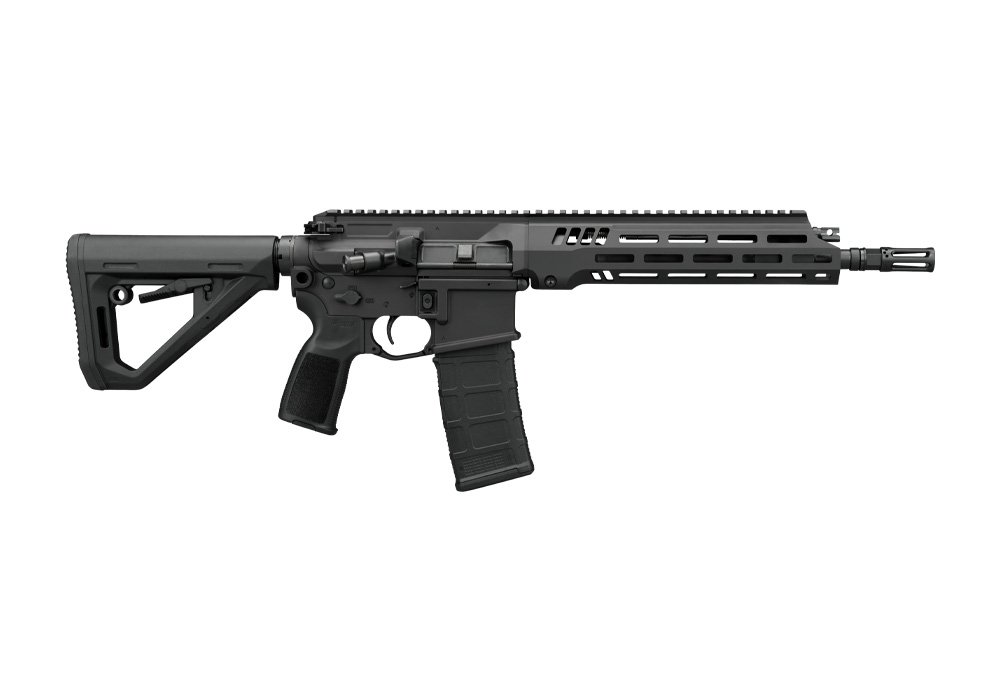
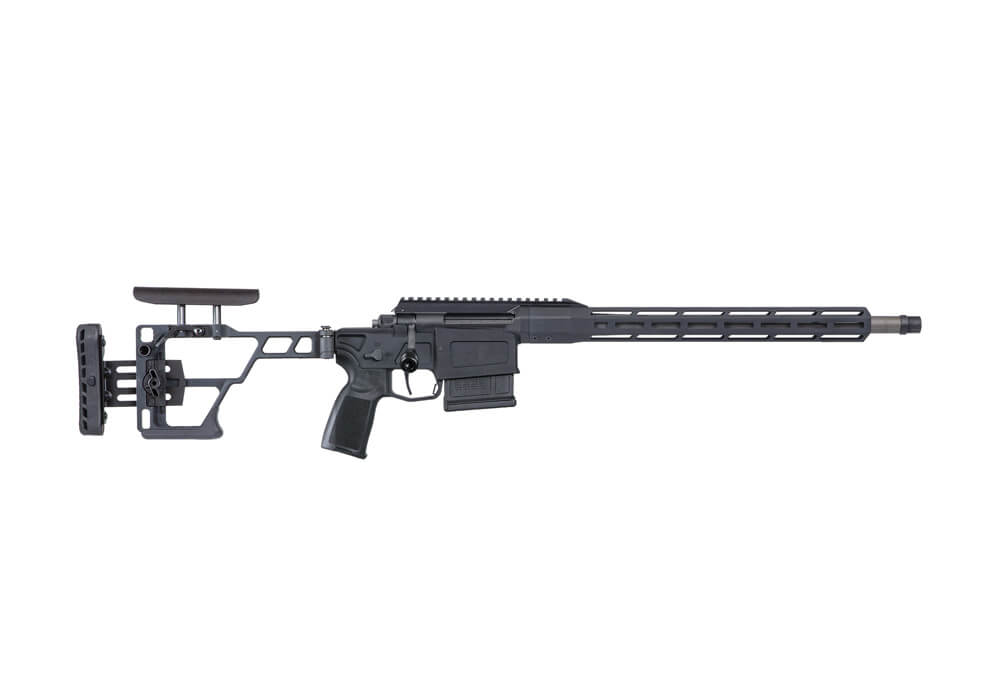
Gas operated tactical rifles use expanding propellant gases to cycle the action after a shot is fired. As the bullet travels through the barrel, a measured portion of high-pressure gas passes through a port and moves into the operating system. That gas either travels through a tube to act directly on the bolt carrier or drives a piston and operating rod that move the action mechanically. The bolt unlocks, the spent casing is extracted and ejected, and spring pressure then drives a fresh cartridge from the magazine into the chamber. This sequence allows the rifle to prepare for the next shot without manually cycling the action each time. The two primary configurations are direct impingement and gas piston. Direct-impingement systems are often valued for their streamlined design, lighter front end, and familiar handling, while piston-operated systems separate much of the heat and carbon from the receiver and may be appealing to shooters who prioritize a cleaner-running action. Neither system is automatically right for every owner; each reflects different choices in weight, balance, maintenance, recoil impulse, and intended use. A rifle that feels quick and natural when shouldered can make a meaningful difference during a long range session, especially when moving between targets or practicing from supported and unsupported positions. For a closer look at the operating principles and design differences behind these platforms, explore Rifle Gas Systems. Whether a shopper is comparing a compact configuration for maneuverability, a longer barrel for a steadier sight picture, or a versatile setup for training and recreation, understanding how gas is regulated and how the action cycles provides useful context before making a selection.
When choosing a gas operated tactical rifle, begin with the way it is likely to be used and the conditions in which it will be stored, transported, and practiced with. Recreational range shooters may place a premium on a balanced rifle that is comfortable through a full afternoon of drills, while competitors often look closely at trigger characteristics, controllability, optic compatibility, and the ability to make consistent transitions between targets. A responsible homeowner considering a rifle for defensive purposes should account for secure storage, overpenetration concerns, local regulations, training requirements, and a clearly established safety plan; a firearm should never be selected on appearance alone. Barrel length influences handling, velocity, and overall size, and caliber affects recoil, ammunition availability, terminal performance, and ongoing training costs. Standard capacity and extended capacity magazines may suit different range routines, but local laws can regulate magazine dimensions and other features, so reviewing applicable federal, state, and municipal requirements is essential before purchase or transport. Buyers should also examine the controls, stock or brace configuration where applicable, charging handle placement, sling attachment points, and the rifle’s compatibility with the intended sighting system. A red-dot optic may offer a fast, uncluttered aiming reference for close-range practice, whereas a magnified optic can support more precise work at distance. Whatever the configuration, the sight should be mounted securely and confirmed at the range rather than assumed to be zeroed. Fit matters as much as specifications: the grip should feel natural, the controls should be reachable without breaking a solid firing-hand position, and the rifle should settle comfortably when brought to the shoulder. During cooler months, gloves, heavier clothing, and changing outdoor conditions can reveal small fit issues that are easy to overlook during a quick indoor inspection.
These rifles can serve a broad range of responsible owners, including experienced enthusiasts refining their skills, new shooters building a foundation under qualified instruction, competitors preparing for organized matches, and families establishing a carefully controlled recreational tradition at the range. They may also be considered as gifts between knowledgeable adult enthusiasts, but a firearm should never be given casually or without confirming the recipient’s interest, eligibility, and ability to receive it lawfully. In many cases, a gift certificate, training course, secure storage solution, or range membership is a more appropriate choice for someone who has not selected a rifle before. Every owner benefits from a quality locking device or secure gun safe, eye and ear protection, appropriate ammunition, a chamber check before handling, and a written routine for unloading and storage. New owners should spend time learning the manual of arms, identifying the safety selector and magazine release by feel, and practicing safe loading and unloading with the rifle pointed in a safe direction and the chamber verified clear. Cleaning needs vary by operating system and use, but inspection of the bore, chamber, bolt, carrier or piston components, magazines, and lubrication points helps maintain dependable function. Direct-impingement rifles may require particular attention to carbon and heat in the action, while piston systems still benefit from regular inspection and proper maintenance rather than being treated as maintenance-free. A calm, repeatable routine is more valuable than rushing through a checklist: let the rifle cool after sustained firing, separate ammunition from cleaning areas when practical, and follow the manufacturer’s instructions for disassembly, lubrication, and storage. With thoughtful selection, consistent training, and disciplined safety habits, a gas operated tactical rifle can be a practical platform for range practice, competition, preparedness, and responsible firearm ownership throughout the seasons.