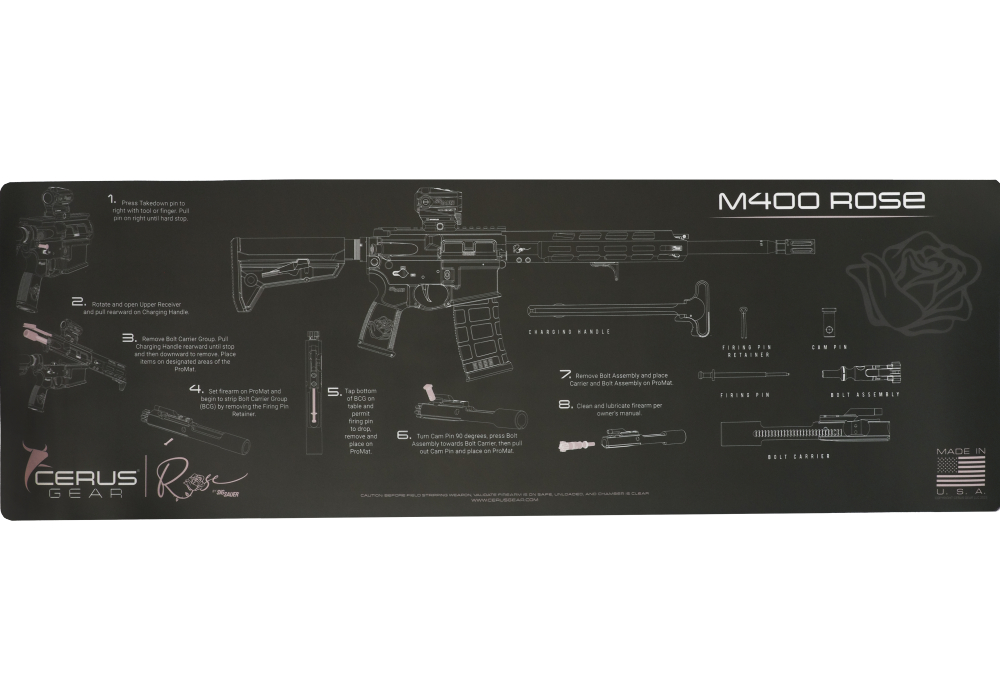
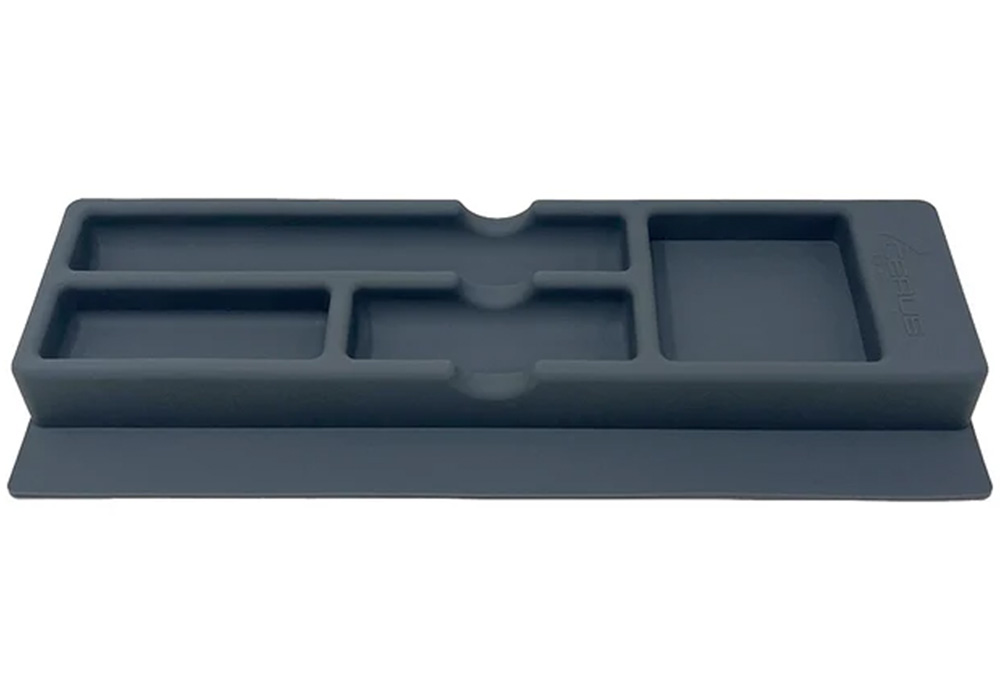
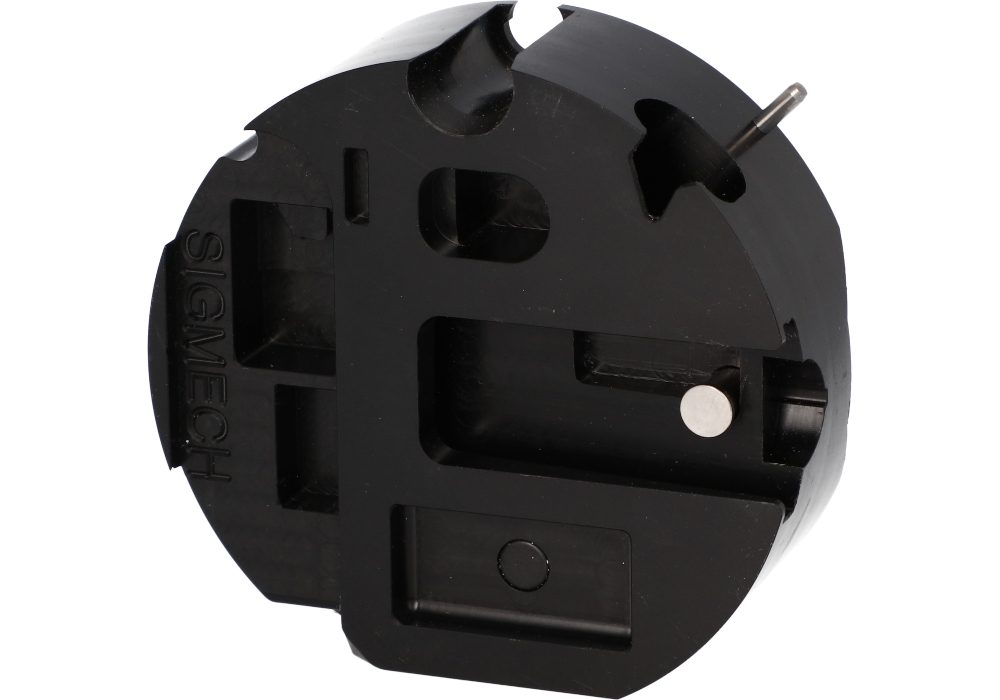
Gear for firearm workshops includes the supports, hand tools, cleaning equipment, protective surfaces, and storage accessories that help keep routine maintenance organized and controlled. Whether the workspace is a dedicated gunsmithing bench or a compact area used for caring for a personal firearm collection, the most useful equipment suits both the firearms involved and the work being performed. A handgun owner handling routine cleaning has different space and support needs from a professional inspecting long guns throughout the day. Stable support is a central consideration in either setting. A firearm vise or maintenance fixture should accommodate the firearm’s shape without concentrating pressure on a delicate surface, while padded contact points help protect finishes from direct contact with harder materials. Adjustable supports can accommodate different profiles, and an articulating fixture can provide access from several angles without repeatedly repositioning the entire setup. For bench-mounted equipment, the strength of the mounting surface matters alongside the fixture itself; even a substantial vise cannot compensate for a loose or flexible bench. Portable maintenance stations serve a different purpose, combining supported positioning with a contained work area that can be stored between uses. Their usefulness depends on a stable base, secure adjustment points, and enough clearance to reach the areas involved in routine care. Removable trays and accessible compartments also help keep small components from disappearing beneath cleaning cloths or rolling toward the edge of the table. Protective bench coverings add another layer between the firearm, tools, and work surface, with cushioned or textured materials offering different advantages depending on the setting. No protective surface replaces safe handling: workshop use belongs in a controlled space with firearms verified unloaded and ammunition stored separately. Across these different arrangements, good workshop gear supports a consistent routine rather than forcing the owner to improvise around an awkward grip, an unstable rest, or a crowded tabletop. That distinction becomes especially noticeable during repeated maintenance, when comfortable access and dependable support make the workspace easier to use.
Fit and material quality are particularly important in firearm maintenance tools because small differences at the contact point can affect both the tool and the surface beneath it. Screwdriver bits should match the width and profile of the fastener, with hollow-ground designs offering parallel contact surfaces suited to many slotted firearm screws. A broad assortment is useful only when the individual sizes correspond to the equipment being maintained; a nearly matching bit can leave visible damage on a screw head. Hardened tool steel can provide resistance to wear, while accurately formed working ends and comfortable handles contribute to controlled use. For fasteners with specified torque requirements, an appropriate torque tool offers a more consistent reference than hand feel alone, provided its range, units, and accuracy suit the application. Manufacturer documentation remains the reference for permitted maintenance and fastening requirements, and work beyond those limits belongs with a qualified professional. Cleaning equipment has its own fit considerations. Rods, brushes, jags, and related accessories need to correspond to the firearm’s dimensions and the manufacturer’s care recommendations rather than simply fitting into the same storage case. Coated or nonabrasive contact surfaces can help protect surrounding finishes, but their condition matters: embedded grit can turn an otherwise gentle material into an abrasive surface. The same concern applies to padded vise jaws and bench mats that collect residue over time. Chemical compatibility deserves equal attention. Cleaning fluids can affect plastics, coatings, adhesives, and fabrics differently, so solvent resistance is a practical consideration for trays, work surfaces, and storage compartments exposed to routine care products. Durable equipment should also be straightforward to maintain, with accessible surfaces, secure hardware, and replaceable wear components where the design allows. A worn jaw pad or damaged driver bit should not undermine an otherwise serviceable setup. For frequently used workshop gear, cleanable construction and clear size markings can be more useful than an elaborate assortment of rarely needed attachments. These details support careful upkeep without suggesting that every owner needs the same collection of tools.
Organization gives firearm workshop equipment much of its everyday value. A bench can have excellent tools and still feel frustrating if each task begins with a search for the correct bit, a missing cleaning attachment, or a small component hidden beneath a cloth. A coordinated selection of Gunsmithing Workshop Supplies supports a workspace where frequently used equipment has a clear place and delicate parts remain separate from heavier tools. Compartmented trays, labeled storage, and fitted cases serve different purposes: open trays keep components visible during routine maintenance, while enclosed storage protects tools between sessions. Compartments should be sized for their contents, with closures that keep small accessories contained during transport. For a shared bench, clear organization also helps distinguish equipment assigned to different firearms or maintenance routines. A portable setup benefits from secure retention and handles that remain comfortable with the case fully loaded, while a permanent workshop may place greater emphasis on accessible storage and an uncluttered working surface. Care products need suitable containers and storage conditions, following their labeling rather than sharing an open compartment with absorbent materials or precision tools. Lighting and eye protection also belong in the broader picture, especially where fine markings, small fasteners, or cleaning fluids are involved. Workshop gear can be a thoughtful gift for a firearm owner, shooting enthusiast, or professional who values equipment care, particularly when the selection reflects an established routine. Protective surfaces and organizational accessories may be easier to match than specialized tools, which often depend on exact dimensions or an existing tool system. For someone developing a first maintenance area, a compact, coherent arrangement is generally more practical than an assortment with overlapping functions and uncertain compatibility. Experienced users may value durable replacements for frequently handled equipment or storage that keeps a well-used bench orderly. The strongest workshop setups are not defined by the number of tools on display, but by appropriate fit, dependable construction, and a layout that supports safe, attentive firearm care.