Gear for personal defense enthusiasts is best selected as part of a thoughtful, practical system rather than as a collection of isolated items. Everyday carry equipment may include a dependable flashlight, a compact communication device, a medical pouch, protective gloves, and a purpose-built belt that remains comfortable while supporting essential gear. A flashlight is especially useful because it helps identify surroundings, navigate a dark parking area, locate keys, or find a circuit breaker without immediately reaching for a defensive tool. Look for a model with an intuitive switch, a durable body, a beam suited to both close and distance viewing, and controls that are easy to operate in cold weather or under stress. Pepper spray or pepper gel can provide another option where permitted, with gel formulas often reducing concerns about airborne blowback in breezy conditions. Anyone carrying chemical defense should understand local laws, check expiration dates, practice safe handling, and know that no tool replaces awareness, distance, communication, and a clear plan to leave a dangerous situation. Compact impact tools and electronic defensive devices may also appeal to enthusiasts who want additional options, but their usefulness depends on lawful possession, realistic training, and an honest understanding of range and limitations. These categories can make considerate gifts for a new concealed-carry permit holder, a college graduate moving into a first apartment, a traveler building a vehicle kit, or a family member who values preparedness. Gift selections are most helpful when they reflect the recipient’s daily routine instead of adding unnecessary bulk. A person who walks a dog before sunrise may appreciate a comfortable light and reflective equipment, while someone who spends long hours commuting may benefit from a compact first-aid kit, spare batteries, and a secure way to organize essentials. During the cooler months, gloves, layered clothing, and heavier outerwear can affect access and fit, making comfort and placement just as important as the equipment itself.
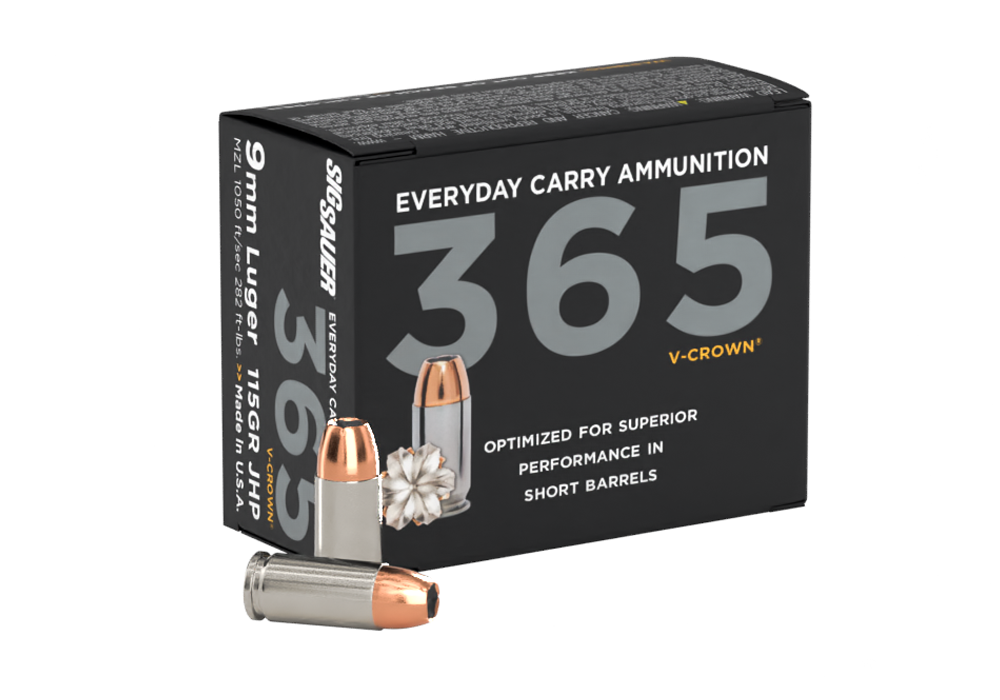
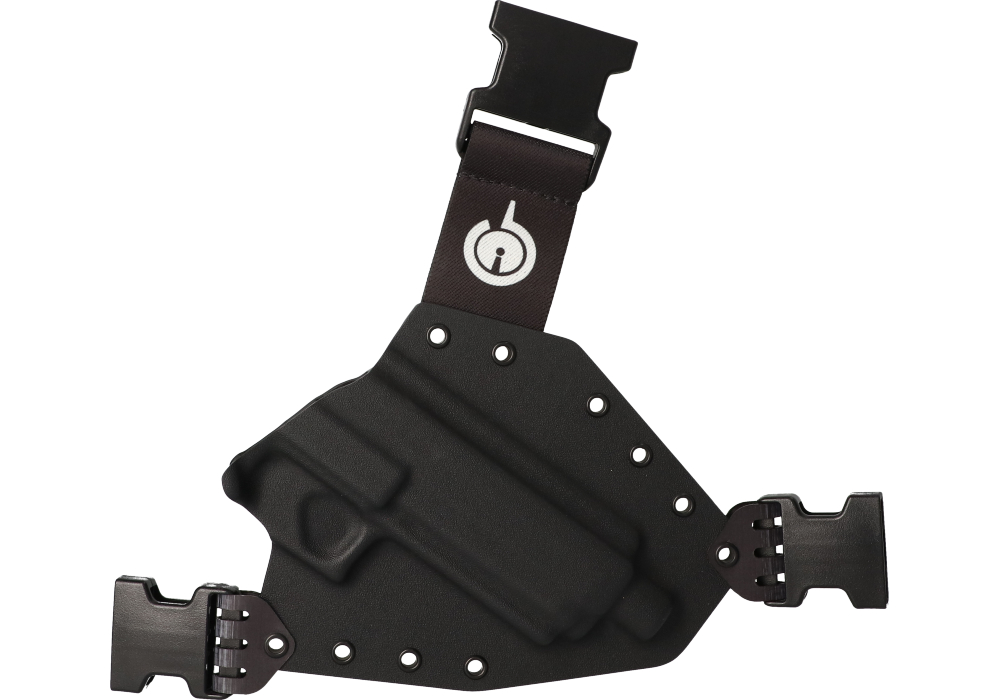
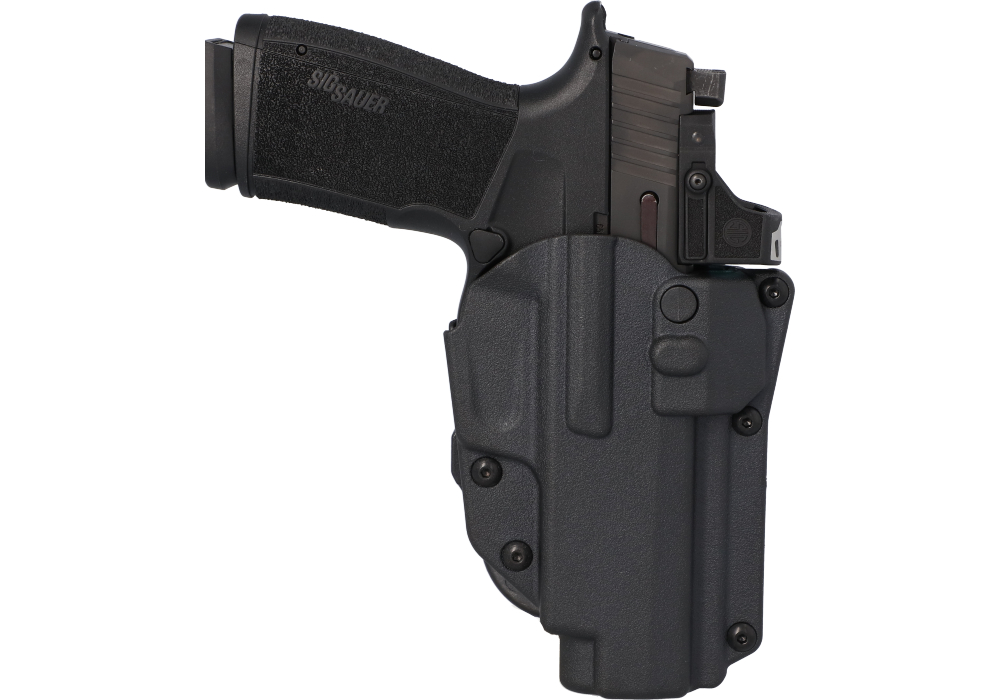
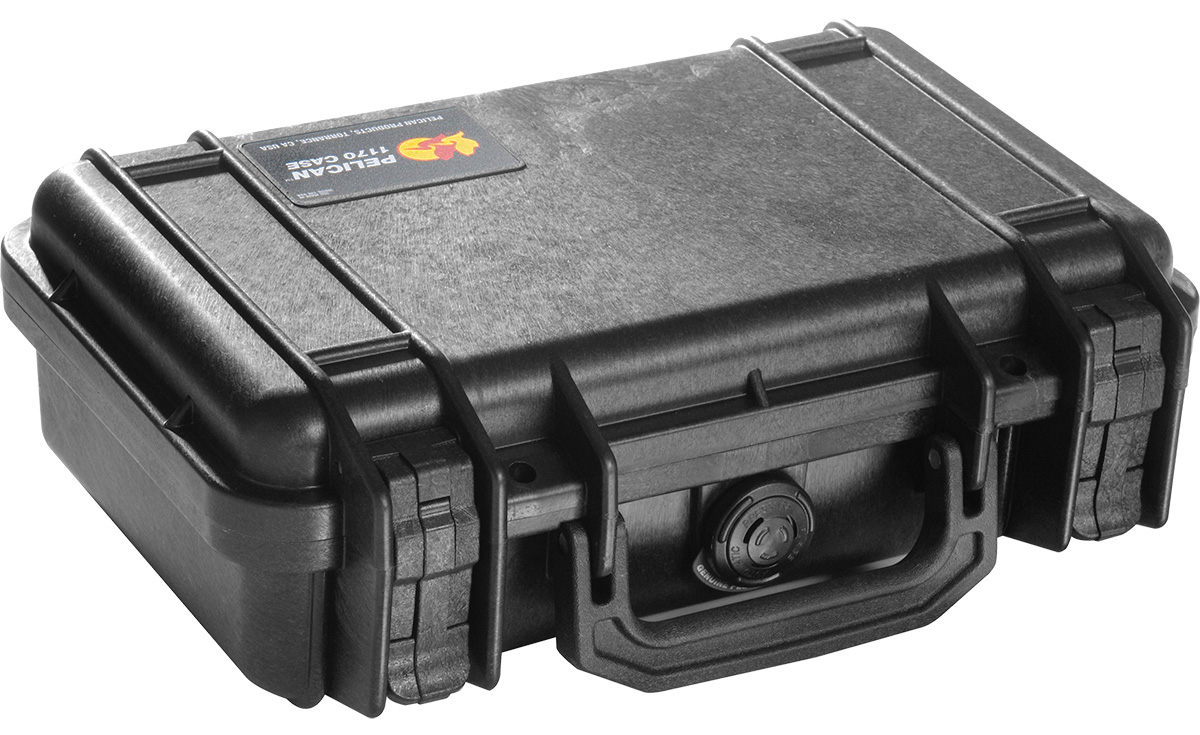
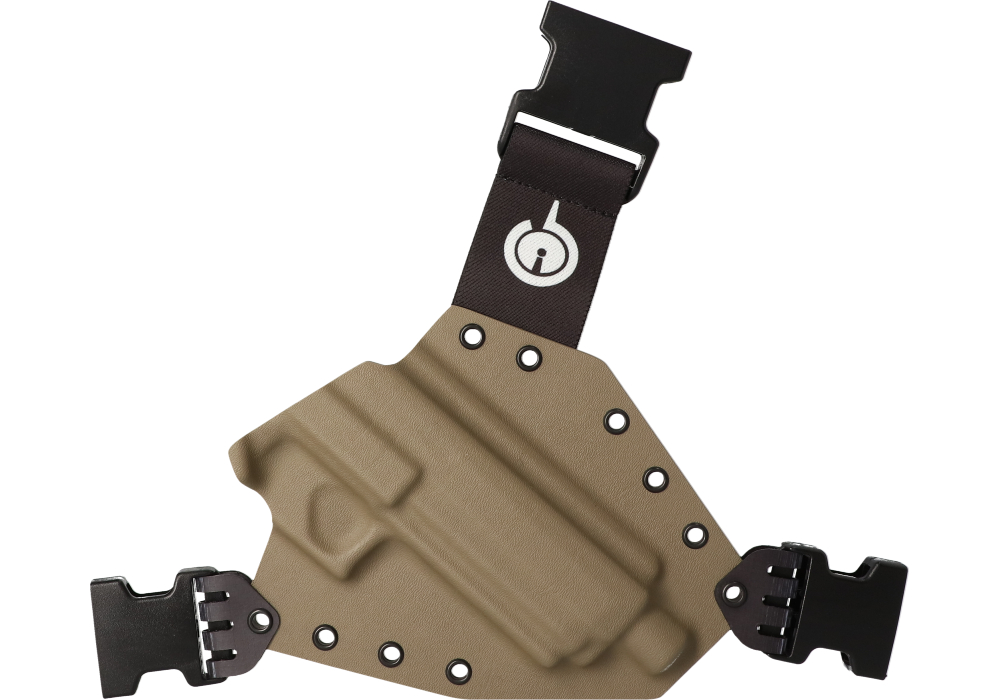
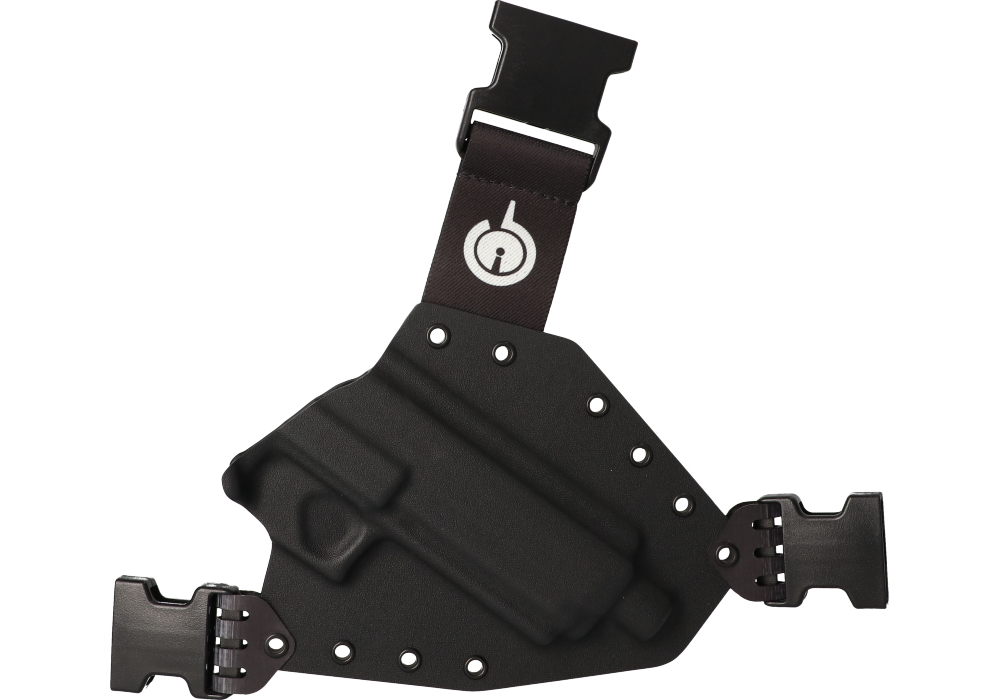
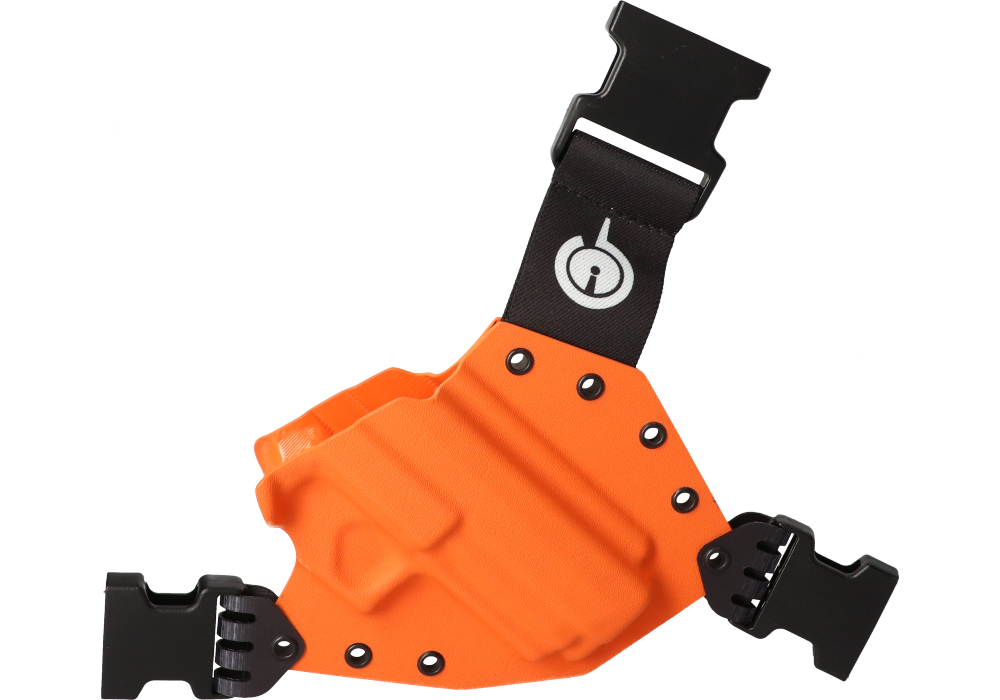
For enthusiasts who lawfully own a firearm, the surrounding equipment deserves the same care as the firearm itself. A rigid, properly fitted belt helps prevent sagging and keeps a holster positioned consistently, while a retention holster helps secure the firearm during normal movement and reduces the chance of an unintended dislodging. Holster selection should account for the firearm’s exact configuration, carry position, clothing, body type, and whether the design fully protects the trigger area. Ammunition should be chosen from reputable sources and matched to the firearm according to the manufacturer’s specifications; defensive ammunition may be evaluated for reliability, function, and performance in the individual firearm, while practice ammunition supports regular skill development. Standard capacity or extended capacity magazines should be checked for fit, function, and lawful ownership, with spares stored securely rather than carried without a reasoned plan. Eye and electronic hearing protection are valuable for range sessions, especially when equipment allows ambient conversation to remain audible while reducing harmful impulse noise. A well-organized range bag can hold magazines, eye protection, hearing protection, a chamber flag, basic tools, targets, and a small cleaning kit without turning every outing into a search through loose accessories. Secure storage is essential in every home: a locking container, quick-access safe, or other compliant storage solution can help prevent unauthorized access while keeping the firearm protected from damage. Families should consider children, visitors, roommates, and guests who may not know safe-handling practices. Training should cover the four basic rules of firearm safety, safe loading and unloading, storage procedures, local regulations, and decision-making under stress. Regular practice with unloaded equipment, followed by supervised live-fire training at an appropriate range, can build familiarity without creating false confidence. Personal defense gear should support avoidance and escape first; it should never encourage confrontation, investigation of suspicious activity, or handling a situation better left to emergency services.
A complete personal defense setup may extend beyond daily carry to the home, vehicle, workplace, and outdoor activities. A trauma kit can be a meaningful addition for anyone who spends time at a range, drives long distances, works with tools, or enjoys hiking and camping. Useful contents may include gloves, pressure dressings, compressed gauze, a tourniquet from a trusted source, wound packing material, chest seals, shears, and clear instructions, but supplies matter only when the user knows how to apply them. Hands-on first-aid and emergency medical training can turn a kit from a pouch of equipment into a practical response resource, and supplies should be inspected periodically for damage or expiration. A vehicle kit may include a flashlight, reflective signaling equipment, seasonal clothing, water, a phone charger, basic tools, and medical supplies, arranged so that critical items remain visible and reachable without obstructing passengers or controls. At home, layered preparation can include exterior lighting, charged phones, clearly identified house numbers, reinforced entry hardware, and a family communication plan. During darker evenings and changing weather, these simple measures can make it easier to notice hazards and contact help. Browse Tactical Gear to compare equipment categories that can complement a responsible personal defense plan. The right choices will vary with local law, living arrangements, experience, climate, clothing, and intended use, so fit and familiarity should guide every purchase. Keep defensive tools maintained, replace damaged or expired items, and store them in a consistent location known only to authorized users. Whether assembling a discreet everyday carry setup, preparing a vehicle kit, improving range readiness, or selecting a practical gift, prioritize reliable construction, comfortable carry, straightforward controls, and training that reinforces sound judgment. A well-prepared enthusiast is not defined by how much gear they carry, but by how thoughtfully each item supports awareness, safety, communication, and the ability to get home responsibly.