Gen2 scope accessories help refine the way a second-generation optic is mounted, protected, adjusted, and used in the field. While the scope itself provides the aiming reference, the right supporting equipment can make setup more repeatable and operation more intuitive, especially when conditions change quickly. This category commonly includes throw levers for faster magnification adjustments, flip-up lens covers for protection from dust and impact, replacement or supplemental battery covers, mounting hardware, leveling tools, and other optic-specific components. Some accessories are designed to fit a particular tube diameter, mounting interface, or scope configuration, so compatibility should be the first consideration before purchase. Confirm the exact optic model, generation, objective size, adjustment layout, and mounting system, then compare those details with the accessory specifications. A component that appears similar may not provide the correct fit, clearance, or range of motion. This is especially important when selecting direct-fit parts for a Gen2 optic, since turret placement, illumination controls, battery access, and ocular dimensions can vary between otherwise similar designs. A good accessory should work with the optic rather than force changes to the way it is mounted or handled. For customers assembling a complete setup, accessories can also be selected around the intended use. A hunting rifle carried through wet timber may benefit from protective covers and secure mounting hardware, while a range setup used for repeated magnification changes may be better served by an ergonomic throw lever and a carefully leveled mount. During the cooler months, gloves and heavier layers can make small controls harder to manipulate, which is another reason to pay attention to tactile surfaces, clearance, and accessibility.
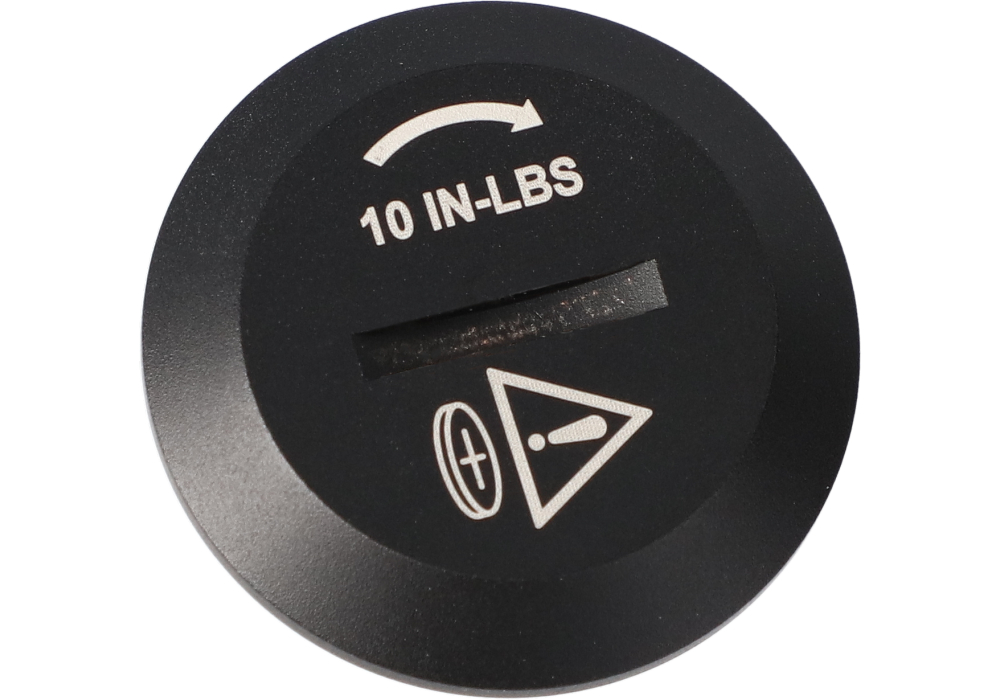
Throw levers are among the most recognizable Gen2 scope accessories because they provide a larger contact point around the magnification ring. Instead of reaching for a narrow ring with the fingertips, the user can move the lever with a short, deliberate motion while maintaining a consistent cheek position. This can be useful when transitioning between a broad field of view for close targets and a more magnified setting for careful observation at distance. The best choice depends on the shape of the magnification ring, the available space around the scope, and whether the lever can be positioned without contacting a mount, rail, ring, or rifle control. Flip caps and lens covers serve a different purpose: they help keep objective and ocular lenses clear of rain, dust, mud, brush, and the occasional bump against a vehicle or gear case. A secure cover should open cleanly, remain out of the sight picture, and stay attached when the optic is being carried. Mounts, rings, and related hardware deserve equal attention. Proper height can affect cheek weld and alignment, while a stable interface helps preserve zero when equipment is removed, transported, or subjected to routine recoil. Follow the manufacturer’s torque guidance and use the appropriate tools rather than tightening by feel alone; too little tension may allow movement, while too much can damage fasteners or the optic body. Battery covers and replacement parts are practical additions for users who want to keep essential components on hand, particularly when an optic uses an illuminated reticle or another electronic feature. Store spare parts in a labeled pouch with the optic’s manuals and adjustment tools. That small habit can save time when a cover is misplaced on a range day or when a rifle is being prepared before dawn. For gift giving, Gen2 scope accessories can be a thoughtful choice for a hunter, competitive shooter, or outdoor enthusiast when the recipient’s exact optic model is known. If the model is uncertain, a general-purpose accessory such as a protective case, leveling tool, or organized storage solution may be a safer selection than a direct-fit component.
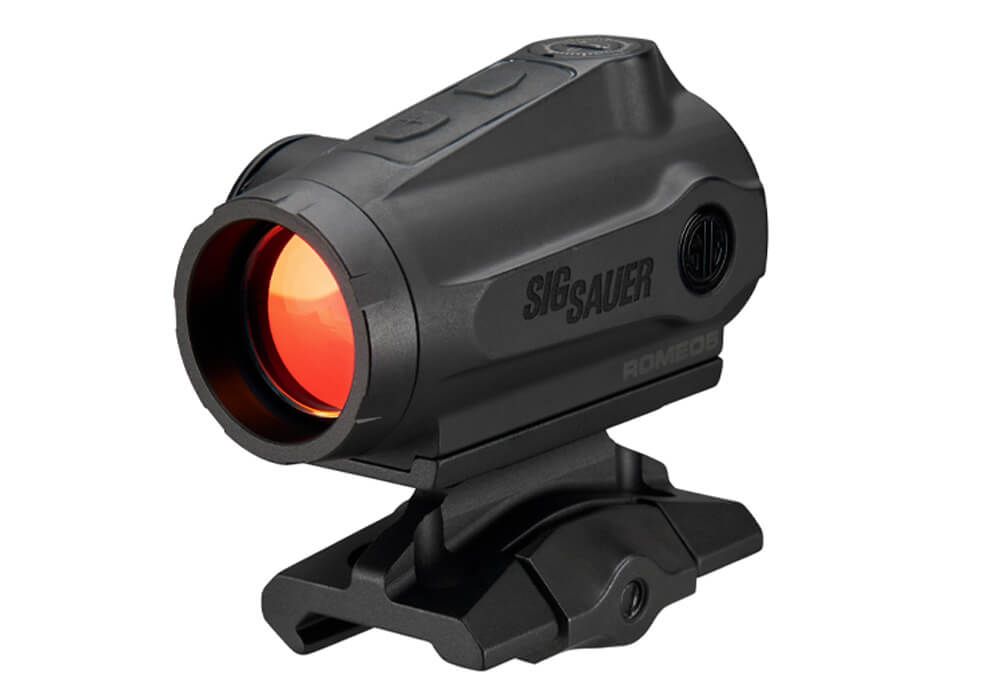
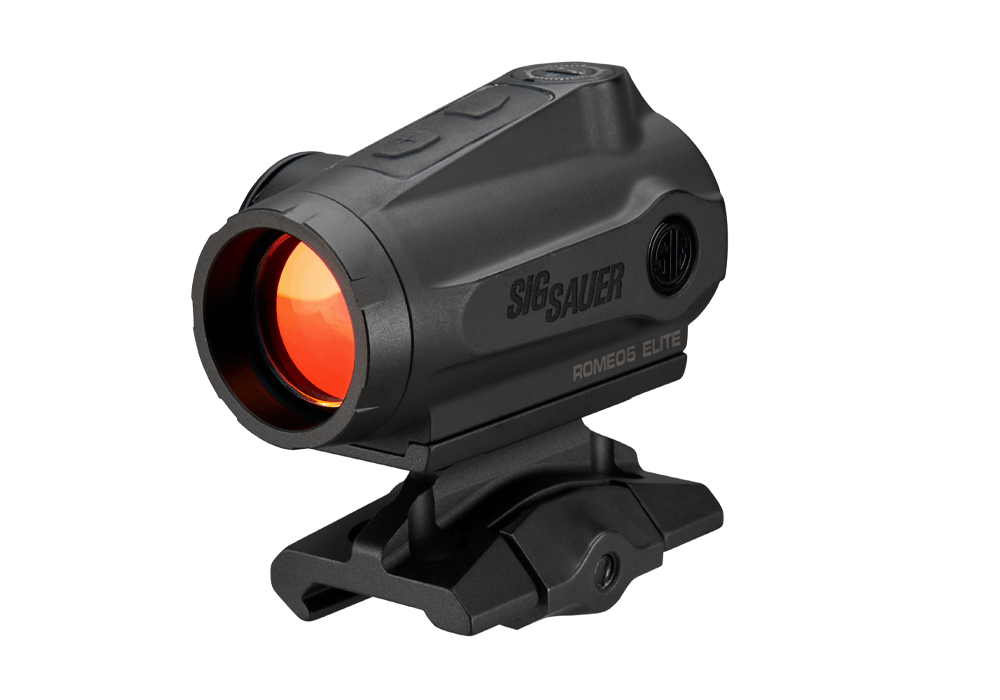
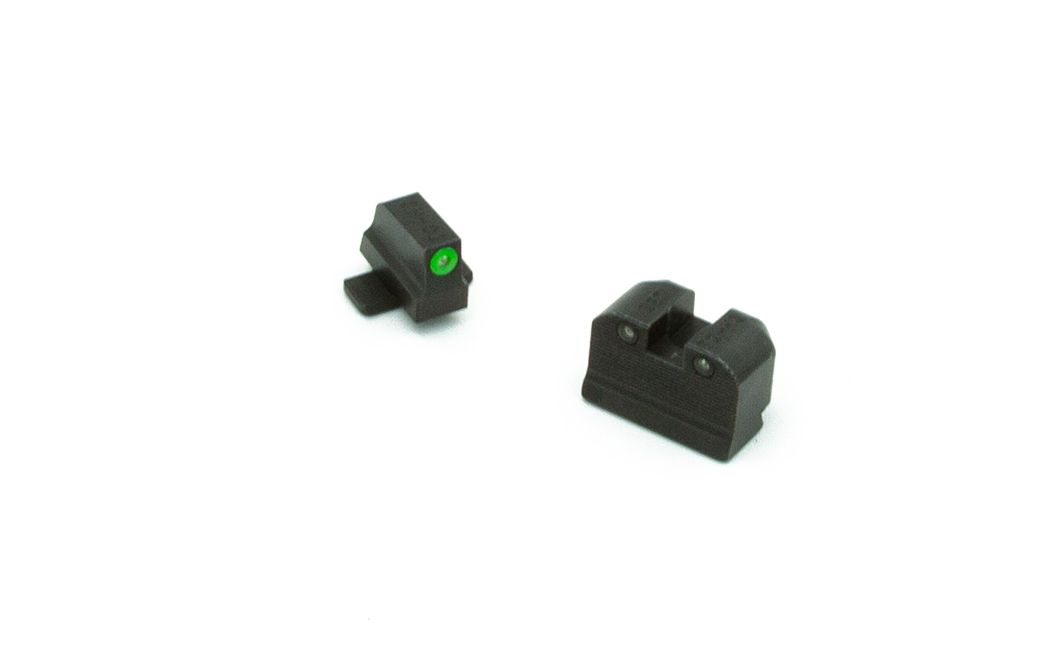
Selection becomes easier when accessories are evaluated as part of the complete rifle and optic system rather than as isolated add-ons. Check whether the scope uses a standard or extended capacity battery solution, whether the mount leaves enough room for lens covers, and whether the chosen accessory interferes with adjustment turrets, illumination controls, or a backup sighting system. Users who run a red dot, offset sight, or other secondary aiming device should inspect the entire rail layout before adding a large lever or tall mount. Those comparing sighting-system components may also find useful options among Rear Sight Accessories, particularly when planning a coordinated setup with more than one aiming reference. For field use, consider how the accessory will behave after hours of walking, repeated handling, and exposure to changing weather. A low-profile design may be preferable for a rifle carried through thick vegetation, while a more pronounced control can be helpful on a range rifle where speed and easy access are priorities. In early fall, clear mornings can give way to damp afternoons, and during winter outings cold metal, wet gloves, and reduced daylight can make simple controls feel less forgiving. Protective covers, secure fasteners, and accessible controls help keep the setup manageable without adding unnecessary complexity. Before heading out, inspect the mount, confirm that covers open and close properly, verify that the magnification ring moves smoothly, and check that battery compartments and adjustment caps are secure. After installation, confirm the optic’s zero and make sure the rifle still fits its case or safe without pressure on the scope. Whether the goal is a more durable hunting setup, a streamlined range configuration, or a dependable optic prepared for changing outdoor conditions, Gen2 scope accessories offer practical ways to protect equipment and tailor its operation to the user.