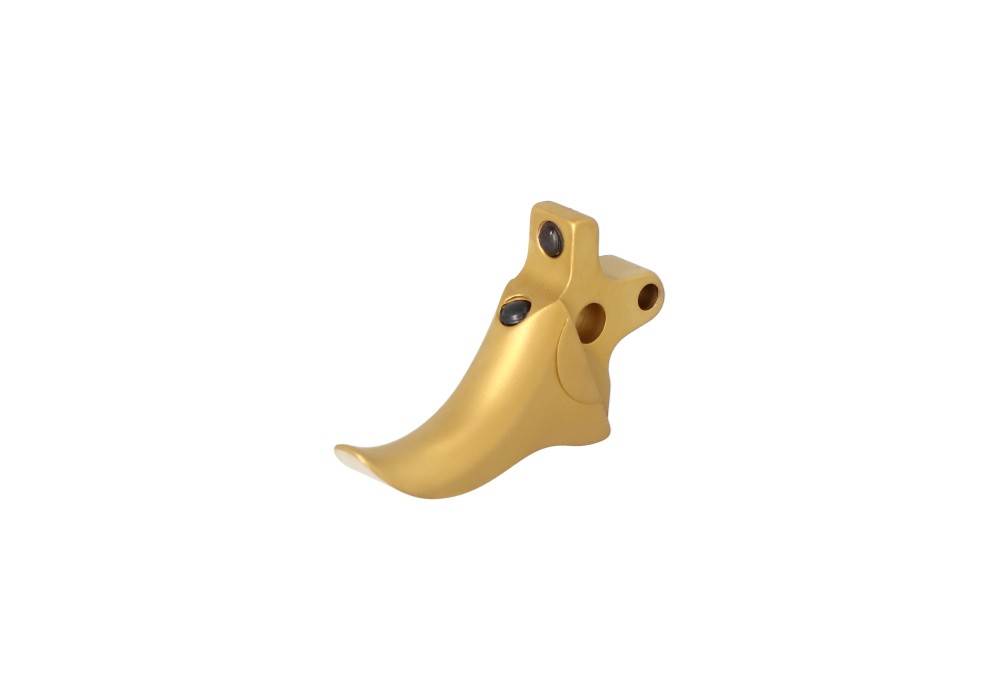
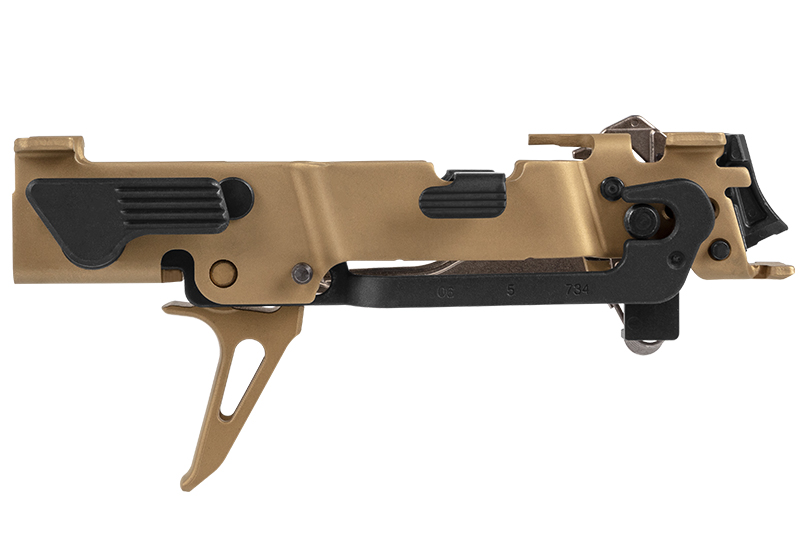
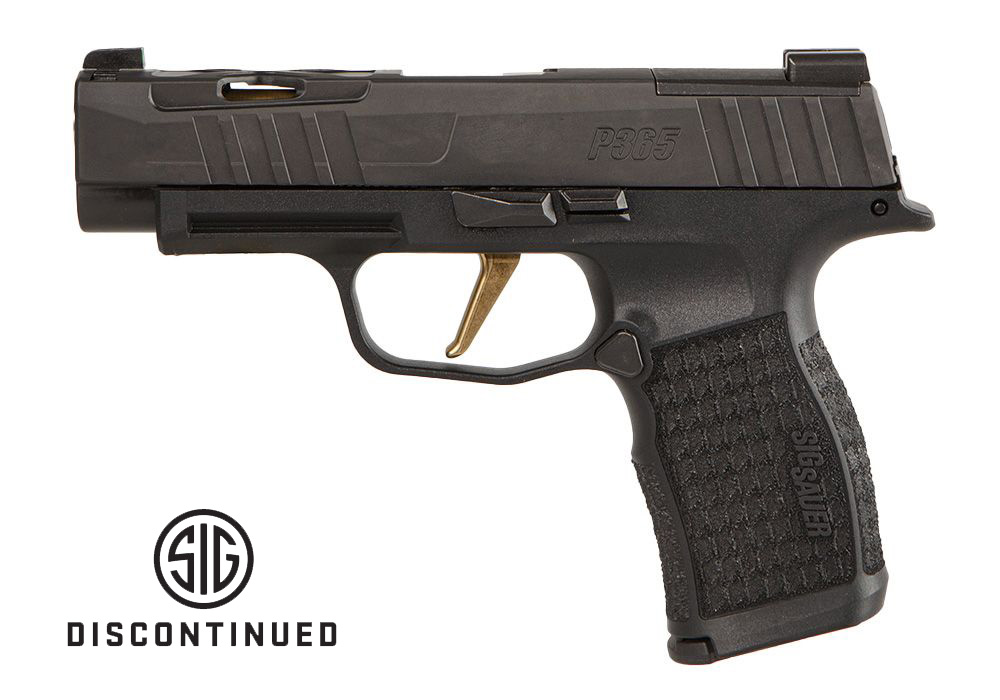
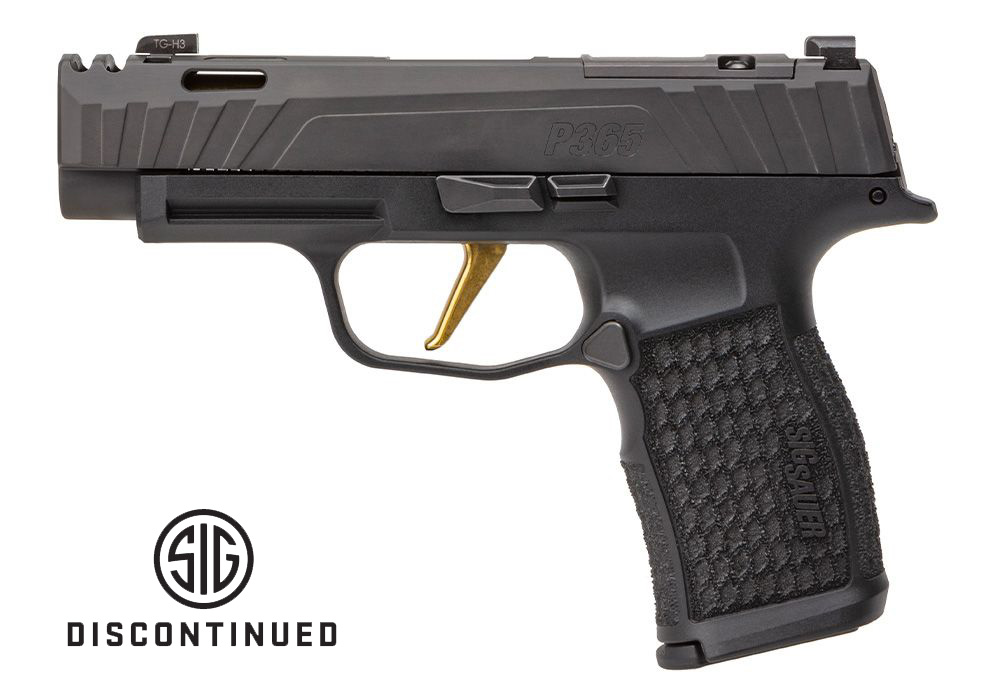
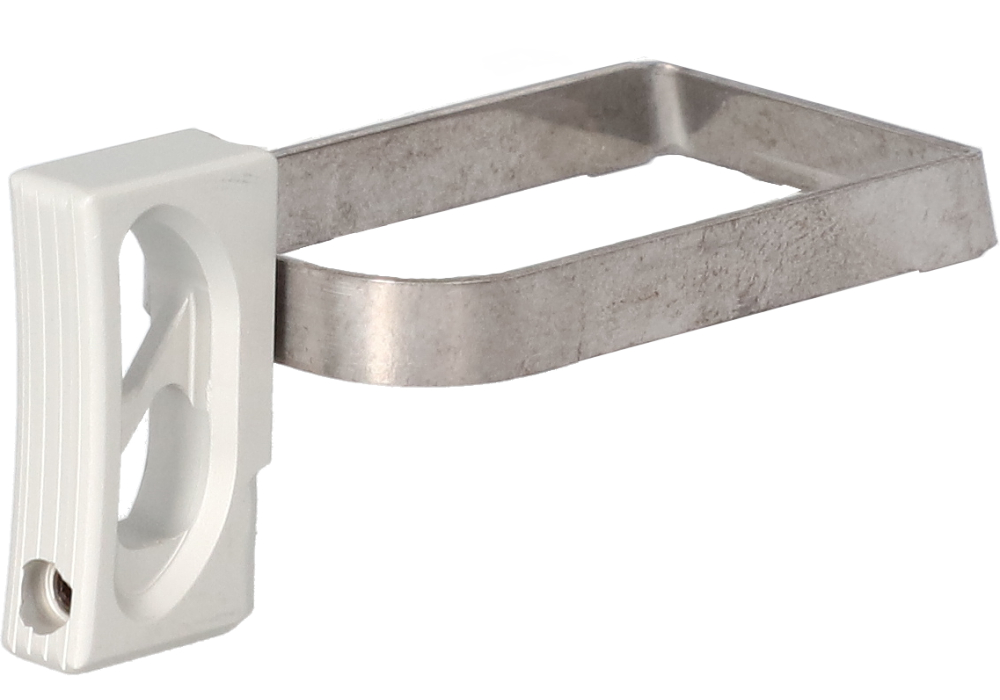
Gold firearm triggers are trigger components distinguished by a gold-toned finish, offered as individual replacement parts or as part of compatible trigger assemblies. The color creates a distinct visual accent against a dark frame, a brushed metal surface, or other contrasting details, giving an otherwise understated firearm a more personalized appearance. That appearance does not necessarily indicate precious-metal construction. A gold trigger may use a steel or aluminum alloy base with a coating or surface treatment that supplies the color. Titanium nitride is one example of a treatment that can produce a gold appearance, although the exact material and finish should always be confirmed in the component specifications. Different treatments can look noticeably different: one may have a pale champagne tone, another a deeper yellow, and another a warm, reflective sheen. Surface texture matters, too, because a polished face catches light differently from a satin or matte finish. For someone coordinating several visible components, those differences can be more noticeable than they appear in separate photographs. Gold color alone does not establish trigger pull weight, travel, reset, corrosion resistance, or mechanical quality. Those characteristics depend on the component’s design, materials, finish specifications, and relationship with the firearm’s operating system. A decorative replacement may preserve the intended operating characteristics, while another design may have different specifications that require closer evaluation. The distinction is important for anyone who wants a visual change without assuming a corresponding change in performance. Durability also involves more than color retention. Contact surfaces, construction quality, and the suitability of the finish for its intended application all deserve attention. Even a durable coating can develop visible wear where parts contact one another or where repeated handling occurs. A well-chosen gold trigger balances the desired appearance with appropriate construction and documented compatibility, rather than treating a bright finish as evidence of superior function. It can be a restrained finishing detail or a prominent focal point, depending on the surrounding firearm and the owner’s preferences.
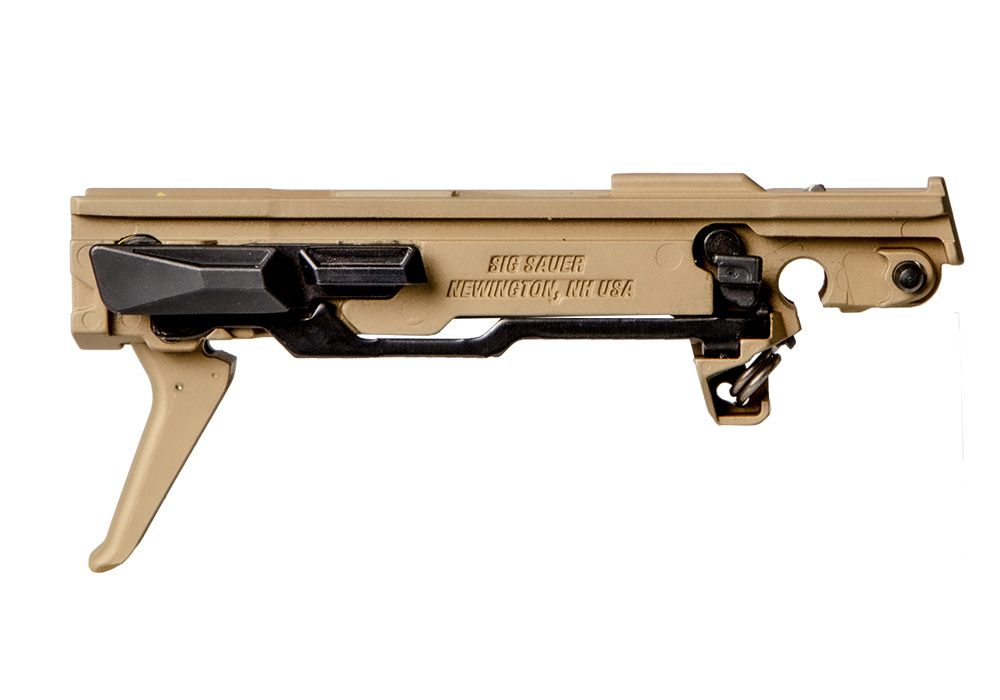
Fit is the central consideration when comparing gold triggers, because similar-looking components are not necessarily interchangeable. Compatibility can depend on the firearm’s model, generation, frame configuration, and internal mechanism, not simply whether the component is intended for a pistol or rifle. Two triggers with nearly identical outlines may have different dimensions or interfaces, and a listing for a related platform is not enough to establish a correct match. The manufacturer’s stated compatibility and installation requirements should take priority over photographs or assumptions based on appearance. When comparing individual components with Gold Trigger Kits, check the contents rather than assuming every kit includes the same parts. An individual trigger component and a more complete assembly can represent different replacement scopes, with different requirements for professional assessment. A qualified gunsmith can evaluate compatibility and complete any necessary work without relying on improvised alterations. Trigger shape is another meaningful distinction. Curved and flat faces present different contact surfaces, while width, edge contour, and surface texture can influence how the trigger feels against the finger. Those differences are personal rather than universally better or worse. Someone accustomed to a curved face may prefer its familiar contact point, while another shooter may favor the feel of a flatter surface. Neither shape guarantees greater precision, and neither substitutes for consistent, safe handling. Intended use should keep those preferences in perspective. Recreational target shooting, organized competition, and defensive use can involve different equipment requirements and expectations. Competition participants need to account for the rules of their chosen discipline, while anyone considering a change to a defensive firearm should prioritize documented suitability and dependable operation over appearance. Training programs may also have equipment policies worth checking before a replacement is selected. Following any component change, the firearm should receive the inspection and function verification specified by its manufacturer before use. The goal is a compatible component that suits the firearm’s role, not simply a finish that looks appealing in isolation.
Care for a gold firearm trigger should follow the requirements of both the firearm and the particular finish. A coating’s appearance does not reveal which cleaning chemicals, brushes, or cloths are appropriate, so finish-specific guidance is more useful than a general assumption that all metallic surfaces tolerate the same treatment. Some aggressive solvents, abrasive polishing compounds, or rough cleaning tools may affect certain coatings or alter their appearance. Routine care should avoid unnecessary abrasion, and lubrication should follow the firearm manufacturer’s directions rather than being applied simply to enhance shine. Any cleaning or inspection should begin with the firearm unloaded and ammunition kept separate from the work area. Visible residue, uneven wear, or a change in trigger feel deserves attention, but cosmetic wear and mechanical condition are not interchangeable judgments. A small mark does not automatically indicate a functional problem, just as an unmarked finish does not prove that a component is operating correctly. Professional evaluation is appropriate whenever function is uncertain. For owners who enjoy a coordinated appearance, a gold trigger can complement other details without requiring every visible surface to match. A single warm-toned accent against a simple frame often has a different character from a fully coordinated arrangement, and personal preference should guide that visual balance. Photographs taken under different lighting can exaggerate or mute the color, making written finish descriptions especially useful when comparing tones. These components may also appeal to an experienced firearm owner as a gift, particularly when the recipient has already identified a compatible design and preferred finish. Exact fit and personal preferences make a surprise selection less practical than it might be for a general-purpose accessory. Confirming the intended firearm and the recipient’s wishes helps keep the choice useful. Whether selected for a familiar range firearm, a competition setup, or a carefully considered cosmetic update, a gold trigger is best judged by the combination of verified fit, suitable materials, manageable care requirements, and an appearance the owner will appreciate beyond the first impression.