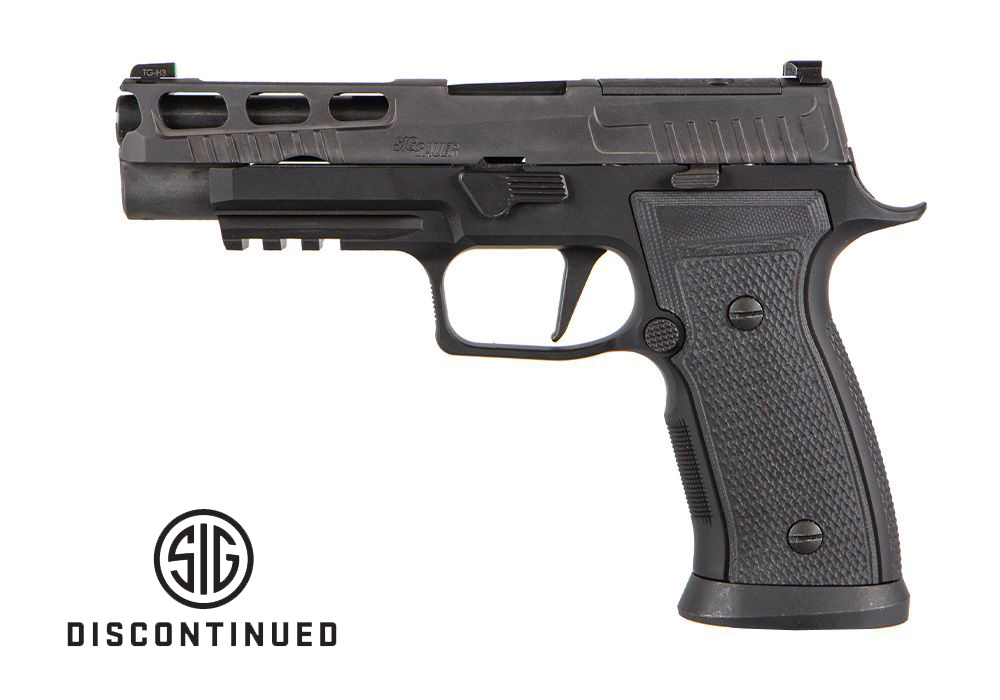
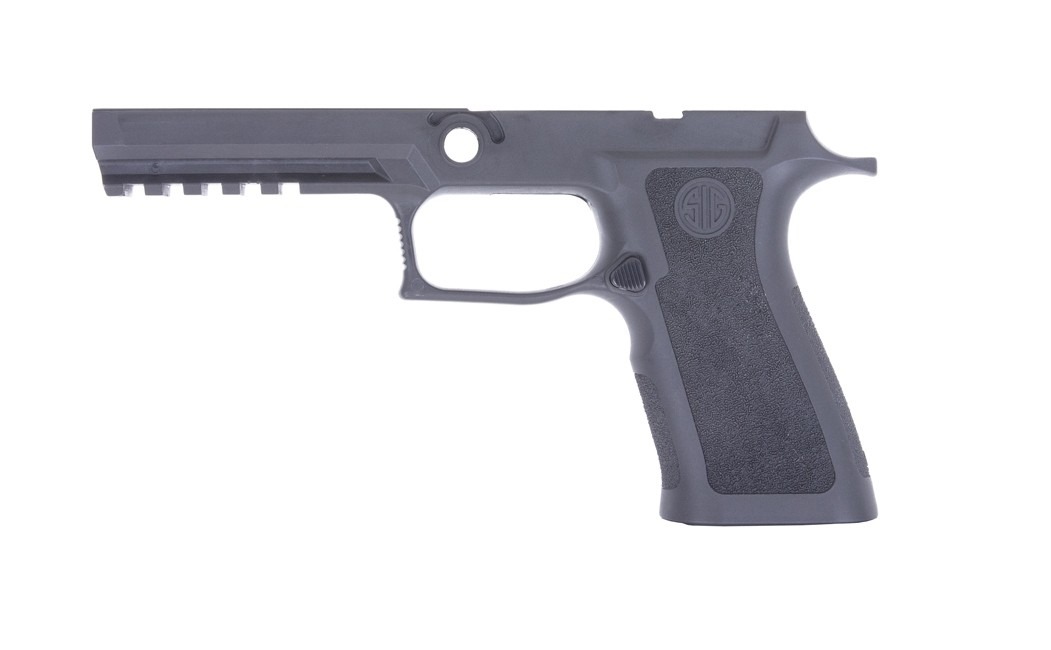
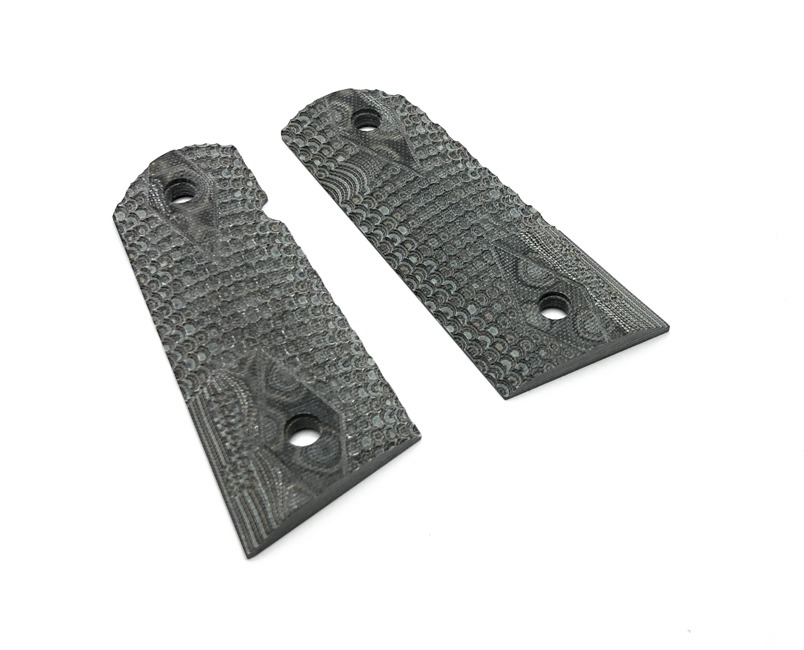
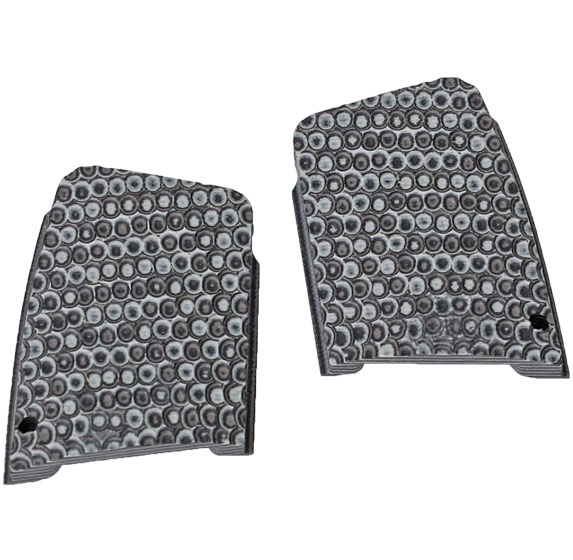
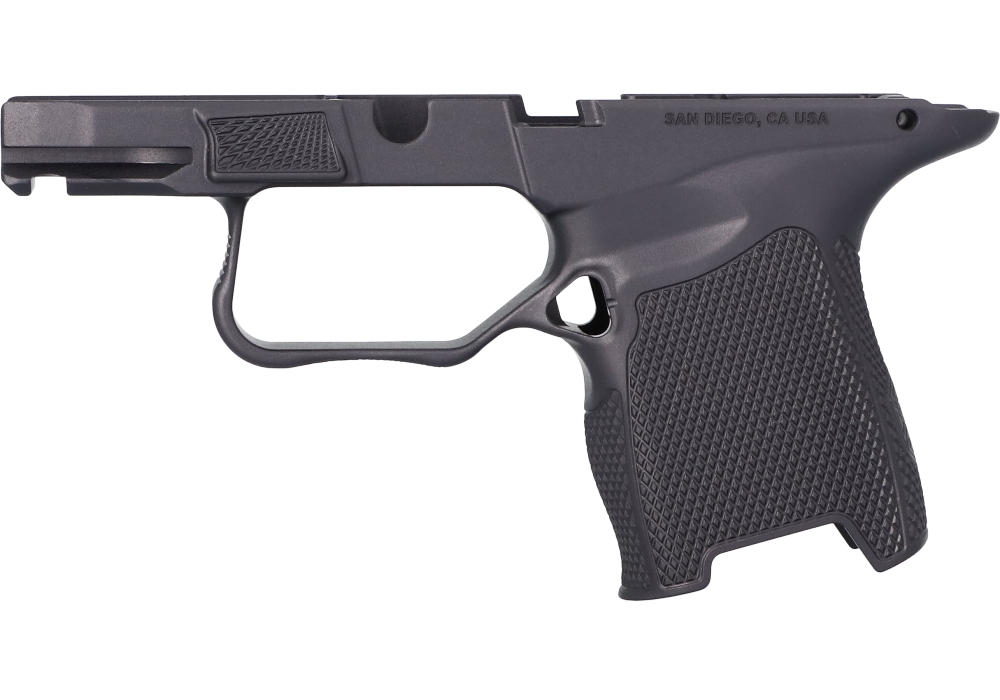
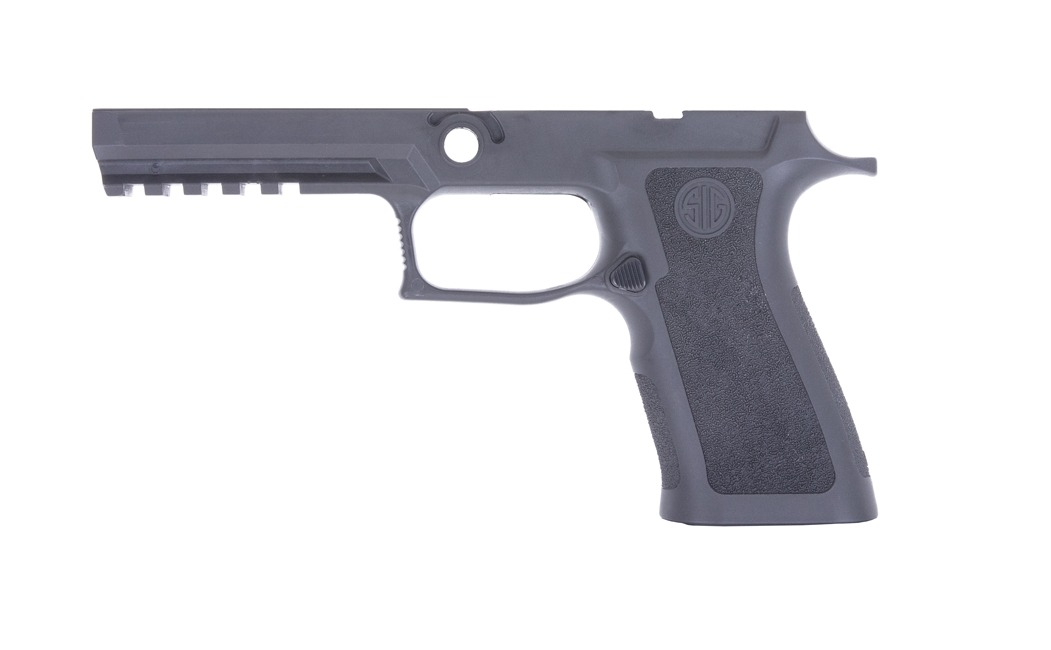
Gray magwell grips are firearm grip components that combine a gray appearance with a shape intended to work around the magazine well. The term can describe pistol grip panels designed for a separate magwell, grip assemblies that incorporate a flared magazine opening, or rifle accessories that surround the magazine well to provide an additional handhold. These categories serve different purposes and are not interchangeable. On a pistol, a magwell creates a wider entrance around the magazine opening, while compatible grips provide the contour and clearance needed for that arrangement. Some panels have a shorter lower profile to accommodate a separate magwell; others extend toward it for a more continuous fit. An integrated design brings those surfaces together within the grip assembly. The flare can help guide a magazine toward the opening, but its usefulness depends on the firearm, magazine dimensions, and the shooter’s familiarity with the equipment. Gray describes the color, not the construction or compatibility. A pale, nearly silver surface can look quite different from charcoal gray, and layered materials may reveal contrasting tones within the texture. Common grip materials include reinforced polymer, aluminum, and G10, a fiberglass-and-resin laminate valued for its rigidity and ability to support detailed surface patterns. Polymer can provide a comparatively light grip assembly, while aluminum offers a firm structure and may have an anodized or coated finish. G10 often combines pronounced texture with color that extends through its layered construction, although the exact finish varies. Material alone does not determine comfort: edge shape, grip thickness, surface pattern, and the transition into the magwell all affect the feel. For recreational target shooting, organized competition, or an everyday carry setup, the relevant distinction is how the accessory fits the firearm and the hand. A coordinated gray appearance can be part of that choice, but secure attachment, suitable dimensions, and unobstructed operation remain more important than color.
Compatibility is specific to the firearm’s grip design, not simply its general size or resemblance to another model. Removable grip panels, complete grip modules, and external magwell accessories have different attachment methods and clearance requirements. Full-size and compact versions within the same firearm family may use different panel lengths, mounting points, or magazine-well dimensions. A grip described as magwell-compatible may require a particular magwell profile rather than working with every flared opening. The relationship between the bottom of the grip, the magwell, and the magazine baseplate is especially important: those parts need enough clearance for the magazine to seat as intended without interference. On designs with removable panels, screw spacing, fastener specifications, and relief around controls also matter. A clean-looking fit should not come at the expense of access to a safety, magazine release, or other operating control. For a smaller handgun, the options represented by Gray Grips for Compact Pistols address a related category, though compact dimensions alone do not establish compatibility with a magwell. Hand fit deserves the same attention as mechanical fit. A pronounced palm swell can fill the hand comfortably for one shooter yet feel bulky to another, while a flatter panel can preserve a slimmer profile. Deep texturing may provide a defined contact surface during a range session, but it can also feel abrasive against clothing or the skin when carried close to the body. A smoother border around an otherwise textured panel can soften that contact without eliminating texture across the main gripping area. Likewise, a large flare may suit a dedicated range pistol but add bulk to a concealed-carry configuration or conflict with a fitted holster. Rifle magwell grips present a separate set of considerations, including receiver fit, clearance around the magazine opening, and suitability for the shooter’s established handling practices. Across these categories, the best match is an accessory whose dimensions and contours support the intended use rather than requiring compromises elsewhere in the setup.
Durability involves more than resistance to visible scratches. The grip should retain its shape, its mounting surfaces should remain sound, and its edges should stay comfortable through repeated handling. On a range pistol, the lower edge and magwell opening can show wear from routine magazine contact; on a carried pistol, raised texture and exposed corners may rub against a holster or clothing. Those contact patterns help explain why a gray finish may develop polished spots or small cosmetic marks without necessarily affecting function. Coated metal, molded polymer, and layered composite surfaces can respond differently to cleaners, so care should follow the accessory manufacturer’s recommendations. A soft brush can clear residue from textured recesses, and a clean cloth can remove fingerprints and surface grime without aggressive abrasion. Strong solvents or stiff abrasive tools may alter a finish or affect certain materials. Any inspection or cleaning belongs on an unloaded firearm, with ammunition kept away from the work area. Attention to loose fasteners, cracks, damaged edges, or movement at the mounting points helps distinguish ordinary cosmetic wear from a condition that needs professional evaluation. Installation and fit concerns are appropriate matters for a qualified gunsmith, particularly when controls, magazine seating, or holster clearance are affected. Gray magwell grips can appeal to an experienced range shooter refining the feel of a familiar pistol, a competitor seeking a compatible grip-and-magwell arrangement, or an owner who prefers a restrained color palette. They can also be a thoughtful gift when the recipient’s exact firearm configuration and preferences are known. Someone who favors thin panels and modest texture may not enjoy a thick palm swell with sharply cut grooves, even if the color is right. A useful selection brings appearance, hand fit, maintenance needs, and mechanical compatibility into balance. The result is not merely a different-looking grip, but a carefully matched component that feels consistent in use and remains practical to maintain.