Gun accessory mounting screw sets provide a practical way to keep the small but essential hardware needed for firearm upgrades organized, matched, and ready for installation. Optics, scope bases, red dot adapter plates, handguard accessories, grips, lights, and rail sections may use different thread pitches, diameters, head styles, and lengths, so a screw that appears close in size may not be the correct choice. A well-selected set can help replace misplaced fasteners, complete an accessory installation, or keep a spare assortment on hand for maintenance and future changes. Common optic and scope mounting screws may use firearm-specific thread patterns such as #6-48 or #8-40, while pistol optic plates and other accessory interfaces can call for metric sizes including M3, M3.5, or M4, as well as smaller inch-pattern fasteners such as 6-32. Length matters just as much as diameter and pitch; sets may include short, medium, and longer options to accommodate different slide cuts, receiver thicknesses, plates, rails, and mounting surfaces. Shoppers comparing mounting screw sets should review the firearm, accessory, and interface specifications before ordering, paying close attention to whether the application calls for an inch or metric thread. A set intended for one mounting system may not be suitable for another, even when the screws look similar at a glance. For users who are building a small range-maintenance kit, replacing hardware after a sight change, or preparing a firearm for cooler-season practice, an assortment can be a useful addition beside a torque driver, bits, and other properly selected tools. It can also make a thoughtful gift for a shooter who enjoys refining a setup, maintaining equipment, or keeping a well-organized bench. The best sets are easy to sort and identify, with clearly differentiated lengths and thread types that reduce the chance of reaching for the wrong fastener when a small screw disappears into the edge of a work mat.
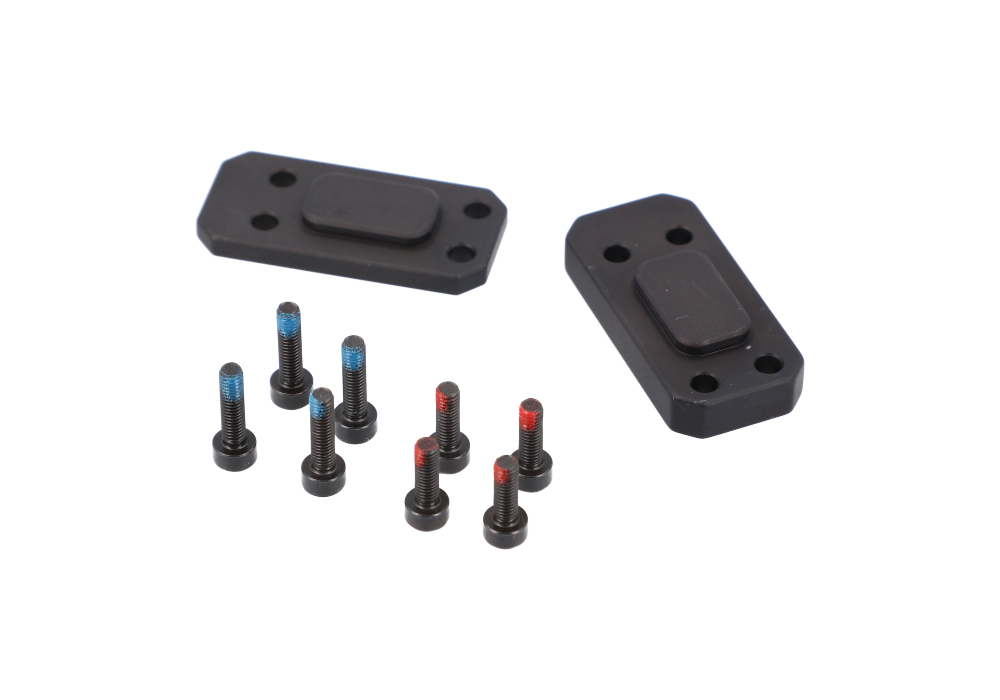
Mounting hardware is especially valuable when an accessory has been removed, replaced, or moved between compatible configurations. A scope base or optic rail may require one screw length, while a plate or direct-mount optic may require another, and using the wrong length can create problems even when the threads initially engage. Before installation, compare the screw to the accessory specifications and confirm that it threads smoothly by hand without forcing. The fastener should engage cleanly and tighten against the mounting surface without bottoming out in a blind hole, protruding into an internal receiver channel, or extending into an area near a barrel assembly. This check is important because a screw that is too long can interfere with internal components, while one that is too short may not provide sufficient thread engagement. For shooters shopping specifically for optic-related hardware, Scope Mount Screws can help narrow the search toward fasteners designed for scope and optic mounting applications. Some sets also include receiver plug screws, which can provide a clean, flush way to fill unused mounting holes after an optic rail or other component has been removed. For accessories that attach through M-LOK-style slots, the set may include specialized T-nuts and screws rather than conventional threaded fasteners. These T-nuts must be positioned correctly within the slot and turned approximately 90 degrees so they sit perpendicular to the opening before final tightening; visual confirmation helps ensure the nut has engaged the mounting surface as intended. Hardware finish, head shape, and driver compatibility are additional considerations. A screw head that accepts a familiar bit can make installation easier, while a corrosion-resistant finish is useful for equipment that moves between a dry indoor storage area and damp outdoor conditions during the cooler months. Keeping several common bit sizes and a small labeled organizer nearby can turn a frustrating search through loose hardware into a quick, orderly part of a normal maintenance routine.
Secure installation depends on more than selecting a screw set that fits the package description. Use the torque value specified by the firearm or accessory manufacturer, and apply pressure gradually with a suitable torque tool rather than relying on feel alone. Recoil and repeated handling can work against improperly tightened hardware, but excessive force can damage threads, distort an accessory, or make future removal unnecessarily difficult. A medium-strength threadlocker is commonly used where the manufacturer permits it to help resist vibration; many installers choose a removable blue formulation for small accessory screws and avoid permanent high-strength compounds on hardware that may need routine service. Threadlocker should be applied sparingly and kept away from moving parts, lenses, and internal mechanisms. After mounting, confirm that the accessory sits evenly, the fastener heads are fully seated, and no screw or T-nut interferes with the operation of the firearm. A brief inspection after initial handling and again after a range session can help identify settling or loosening before it becomes a larger issue. These sets are useful for experienced owners, first-time optic users working from an approved installation specification, gunsmiths, range staff, and anyone who prefers to keep replacement hardware available rather than pause a project over a single missing screw. They also suit practical gifts for a shooting partner or family member who spends time organizing a workbench, preparing equipment for outdoor use, or adjusting a favorite configuration as conditions change. Whether the goal is to replace a lost fastener, preserve a clean appearance with unused-hole plugs, complete a rail attachment, or keep a selection of compatible hardware ready for future upgrades, gun accessory mounting screw sets offer a compact and dependable way to support responsible firearm maintenance.