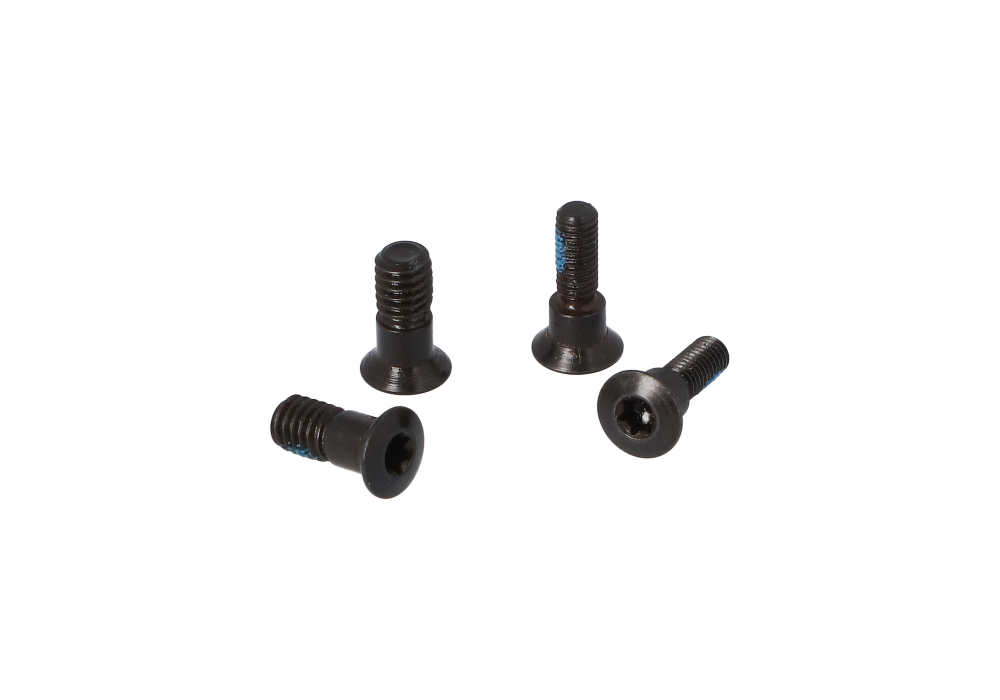
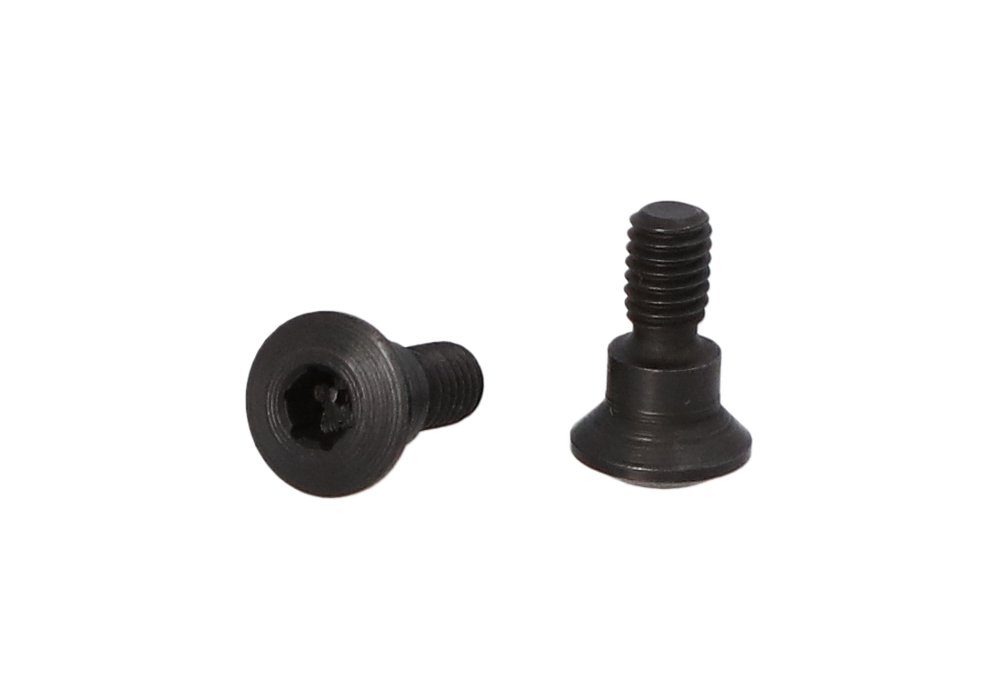
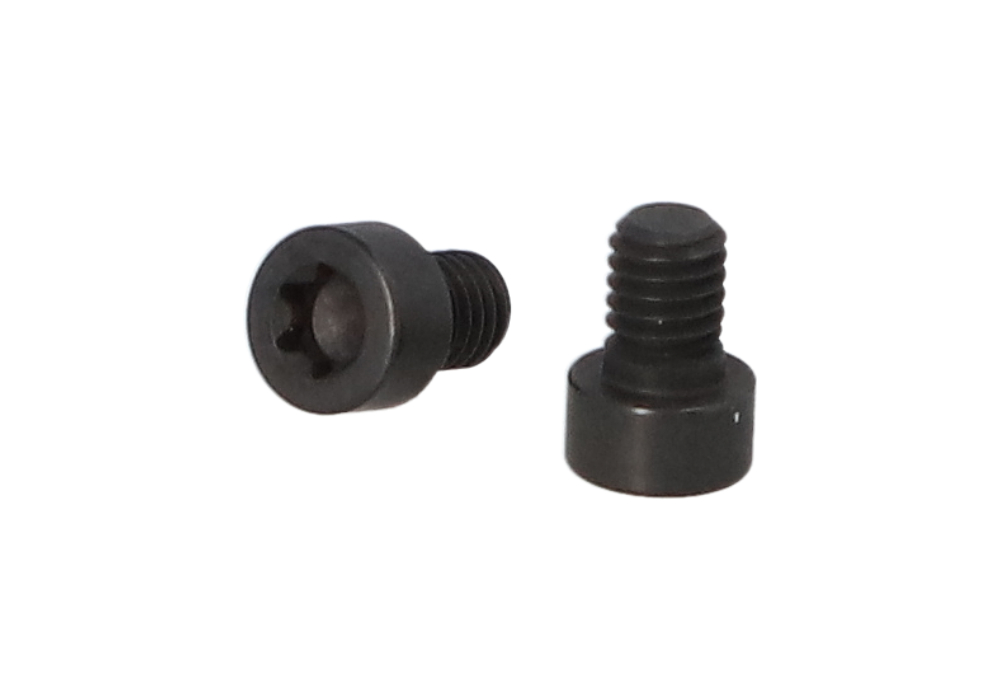
Scope mount screws are the fasteners that attach scope bases or rails to a firearm and secure the ring components that hold an optic. Although these screws are small, their dimensions and seating surfaces matter to the fit of the entire mounting assembly. Common scope base thread sizes include #6-48 and #8-40: the first number identifies the screw’s nominal diameter, while the second indicates threads per inch. These sizes are not interchangeable, and ring screws, clamp screws, and other mounting fasteners may use different inch-based or metric threads. A screw that looks similar to an original can still have the wrong pitch, length, or head profile. Compatibility depends on the firearm, base, ring, or mount specifications rather than appearance alone. Length is especially important because the screw needs adequate thread engagement without extending beyond the space intended for it. Hardware that is too short may not engage sufficiently, while a screw that is too long can bottom out before the mounting surface is properly secured or interfere with components beneath it. Head geometry deserves the same attention. Fillister, flat, and oval profiles appear across mounting hardware, with different bearing surfaces and seating requirements. A recessed head and a raised head serve different designs; a flush appearance does not, by itself, confirm a correct fit. Torx and hex drives are common, and T10 or T15 recesses appear on some scope mounting hardware. The drive style and size must match the fastener, since a loose-fitting tool can damage even a sturdy screw head. For a target shooter replacing worn hardware, a hunter maintaining a familiar optic setup, or a gunsmith servicing a customer’s mounting assembly, the useful distinction is not simply between small and large screws. It is between hardware that matches every relevant specification and hardware that only resembles the original. Replacement scope mount screws are best understood as precision fitting components, not universal fasteners. Their role within the assembly helps determine which dimensions, head styles, and material characteristics are relevant.
Material and finish influence how scope mounting screws handle repeated use, contact with tools, and exposure to moisture during normal handling. Carbon steel, alloy steel, and stainless steel can each appear in small fastening hardware, but a material name alone does not establish strength or suitability. Heat treatment, manufacturing tolerances, thread quality, and the requirements of the mounting assembly all contribute to performance. Protective finishes can help limit corrosion and complement the surrounding mount, although no finish eliminates the need for routine inspection and sensible care. Clean, well-defined threads and an undamaged drive recess are more important than a cosmetic match. A dark finish may blend into a ring or base, but the correct seating surface and specified dimensions remain the priorities. Durability also involves how the screw interacts with the surrounding components: a steel fastener engaging an aluminum mount is part of a system with its own limits, not an invitation to apply extra force. Torque requirements vary by manufacturer and assembly. Published specifications for some scope base screws fall around 15–25 inch-pounds, while some ring cap screws specify 15–18 inch-pounds; neither range is a universal recommendation. The applicable specification takes precedence over a general range, and inch-pounds should not be confused with foot-pounds. Thread size alone does not establish the correct torque. Excessive tightening can damage threads or place unwanted stress on the optic tube, while insufficient tightening can leave the assembly inadequately secured. Thread treatments are another compatibility consideration. Certain base fasteners may call for medium-strength threadlocker, whereas other assemblies specify dry threads or hardware with an existing treatment. Ring cap screws have their own requirements and should not automatically receive the same treatment as base screws. For ongoing care, screw heads, threads, and nearby mounting surfaces benefit from attention to residue, visible corrosion, and signs of wear. Rounded recesses, damaged threads, and distorted heads are reasons to assess replacement rather than assume another tightening cycle will restore dependable fit. Hardware in sound condition also helps make future maintenance more predictable.
The intended use of scope mount screws often reflects the history of the setup rather than a new purchase alone. An optic may move between compatible mounting assemblies, a familiar rifle may return to service after maintenance, or a missing ring screw may interrupt an otherwise complete setup. In each case, a replacement needs to preserve the original fastening arrangement. Matching the thread specification without matching the head profile or usable length leaves an important part of compatibility unresolved. Base screws, ring cap screws, and rail clamp screws can sit only inches apart while performing different jobs, so a mixed assortment is not necessarily a collection of substitutes. For owners who maintain several firearms or optics, clearly identified spare hardware can reduce confusion at the workbench. A labeled compartment that distinguishes base screws from ring screws is more useful than a handful of nearly identical fasteners in an unmarked bag. Original documentation, mounting assembly specifications, and a known original screw can provide valuable reference points when evaluating replacement hardware. Related Gun Accessory Mounting Screw Sets can also be relevant when the need extends beyond an individual scope fastener, provided the included hardware matches the intended application. Recreational shooters, competitive shooters, hunters, and professional gunsmiths may all use these components, but their practical needs differ. Someone maintaining one established optic setup may prioritize an exact replacement, while a workshop servicing varied assemblies may value organized sets with clearly documented dimensions. Neither situation changes the importance of verified fit. A larger screw is not automatically an upgrade, and a different drive style is not automatically compatible with an existing mount. The most useful hardware supports the assembly as specified, seats correctly, and remains suitable for routine inspection and maintenance. Careful attention to these small components helps protect the larger investment in the optic and mounting system, keeping the focus on consistent fit, serviceable hardware, and dependable use.