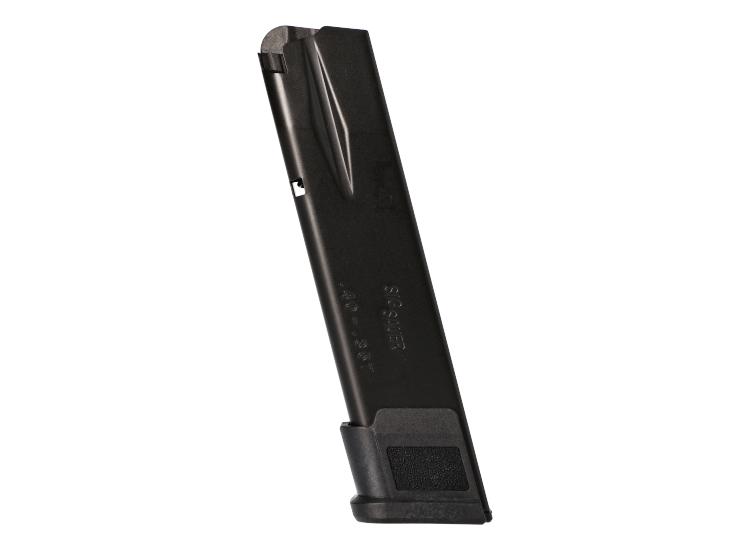
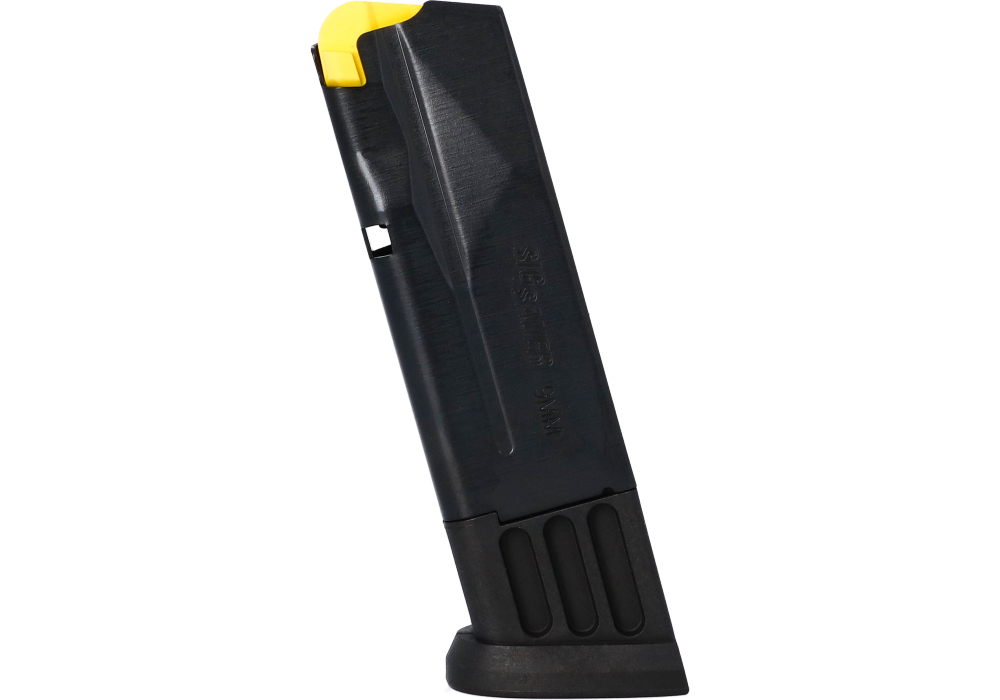
Gun magazine parts serve a straightforward purpose: supporting the fit, function, and upkeep of the magazines a firearm is designed to use. Although a magazine looks simple from the outside, its body, spring, follower, and base components work together as a matched system. The body provides the structure, the follower supports the cartridges, the spring supplies upward pressure, and the base components retain the internal assembly. Each has its own dimensions and design requirements, which makes compatibility more important than visual similarity. Two magazines can look nearly identical on a bench yet use different internal components or attachment features. For shoppers comparing replacement parts, the relevant details include the firearm platform, magazine generation, cartridge designation, and the particular magazine design identified by the manufacturer. A component intended for one configuration should not be assumed to fit another simply because both serve the same general purpose. These distinctions matter to recreational shooters maintaining familiar equipment, competitors keeping their range gear organized, and owners replacing a worn component rather than an otherwise serviceable magazine. The appeal is practical: keeping equipment consistent, preserving a familiar fit, and choosing parts with a clearly documented application. A magazine that sees regular range use encounters repeated loading, handling, and contact with benches, pouches, and other gear. Over time, that routine can leave visible wear on exposed surfaces or reveal a need for inspection. Replacement components belong in that broader maintenance picture, not as a promise that a single new part will resolve every functional concern. Clear descriptions and compatibility information help separate a suitable replacement from a similar-looking alternative. When the magazine itself shows damage or its condition is uncertain, an evaluation by the manufacturer or a qualified gunsmith is more useful than guessing which component needs attention. Thoughtful selection starts with understanding what is already in use and keeping the replacement within the specifications established for that equipment.
Materials and construction influence how gun magazine parts tolerate repeated handling, friction, and ordinary wear. Depending on the design, components may use steel, engineered polymers, aluminum, or a combination of materials selected for different roles. A spring has different mechanical demands from a follower, while a base component needs the correct attachment geometry as well as suitable resistance to wear. Material names alone do not establish quality or compatibility; dimensions, finishing, and the intended application matter just as much. A smooth surface may help limit friction where components contact one another, while a protective finish can help shield susceptible metal surfaces from corrosion. Neither feature substitutes for the correct fit or appropriate care. Polymer components likewise vary by design, and their shape, contact surfaces, and retention features deserve more attention than a broad assumption that one material is always preferable. For an owner who carries several magazines in a range bag, small differences in base shape can affect how comfortably they sit in a pouch or how easily their markings can be read. Exterior dimensions may also influence compatibility with existing storage accessories, so the surrounding equipment is part of the purchasing decision. Routine care is another consideration, particularly when dust, lint, or residue collects around openings and contact surfaces. Manufacturer-approved cleaning methods and products help protect finishes and materials without introducing unnecessary complications. More lubricant is not automatically better, and maintenance requirements can differ between designs. Inspection should account for cracks, deformation, corrosion, and unusual wear rather than appearance alone; a cosmetic scuff and a compromised structural feature are not equivalent. Any handling or inspection should take place with the firearm unloaded and ammunition kept separate, following the applicable manufacturer instructions. Parts that require fitting or leave uncertainty about safe function are best assessed by a qualified professional. This keeps the emphasis where it belongs: appropriate materials, documented fit, and care suited to the equipment rather than cosmetic changes or unsupported performance claims.
Intended use helps give those details context. A recreational shooter who visits the range regularly may value consistency across a set of compatible magazines, while a competitive shooter may need to consider equipment rules and how magazine dimensions interact with permitted gear. An owner maintaining a less frequently used firearm may be more concerned with identifying the correct replacement for an older magazine configuration. In each case, a well-chosen part supports the original system without relying on assumptions about interchangeability. Maintaining a simple record of magazine markings and configuration can make future comparisons less confusing, especially when similar-looking equipment shares the same storage space. Keeping replacement components identified and protected from contamination also helps prevent mix-ups before any work begins. Some fit concerns involve the interface between the magazine and the firearm rather than the magazine’s internal parts. Related Gun Magazine Catch Assemblies address a distinct part of that interface and have their own platform-specific compatibility requirements. That distinction matters because a seating or retention concern should not automatically be attributed to the spring, follower, or base. A professional assessment can help establish whether the issue lies with the magazine, the firearm, or their interaction before a replacement is selected. For gift shoppers, the same specificity makes magazine parts a better choice when the recipient’s exact equipment and preferences are known. A familiar appearance or a shared cartridge designation is not enough information for a confident match. Practical accessories are most useful when they complement the recipient’s established setup rather than create a new compatibility question. Across these different uses, the strongest purchasing criteria remain straightforward: an identified application, suitable construction, clear manufacturer guidance, and a realistic understanding of the component’s role. Gun magazine parts are small pieces of a larger mechanical system, and their value comes from fitting that system correctly. Attention to those details helps owners approach routine upkeep with greater clarity, retain serviceable equipment where appropriate, and recognize when replacement or professional service is the more responsible choice.