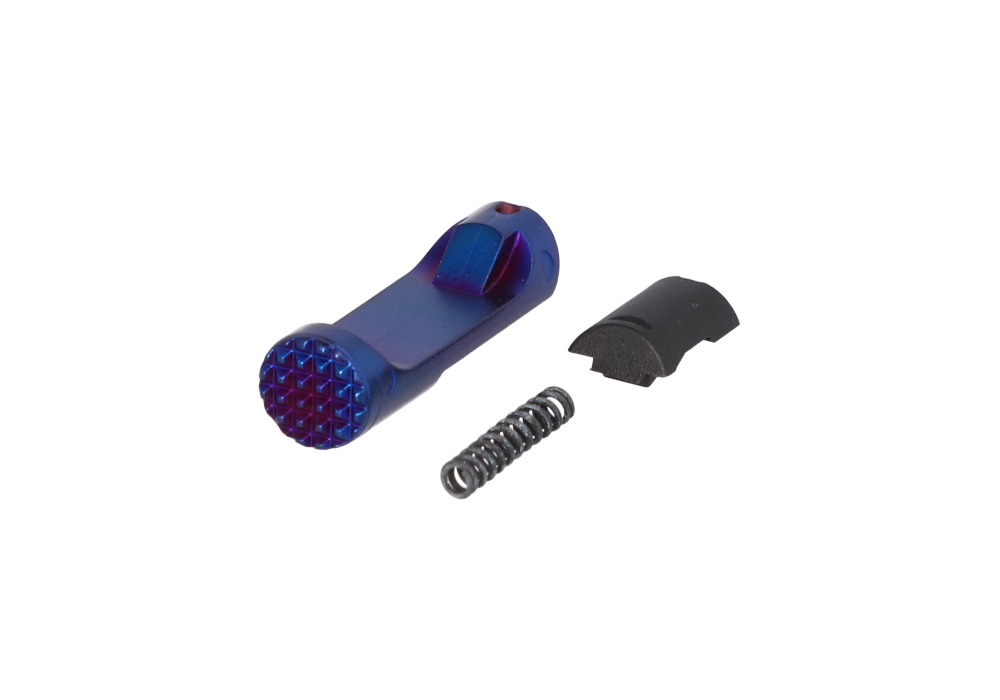
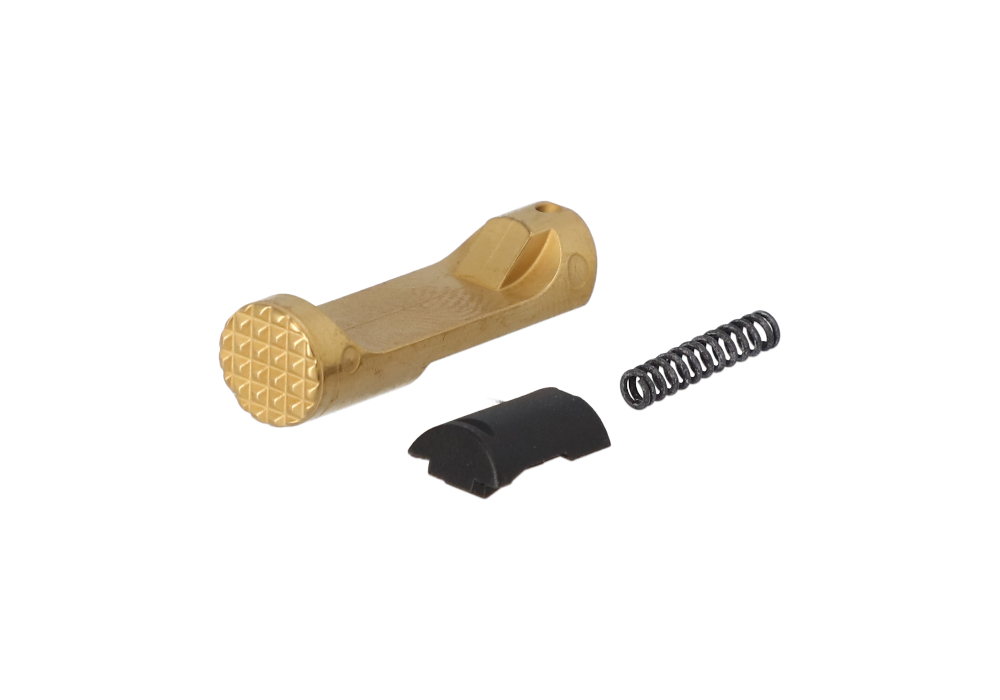
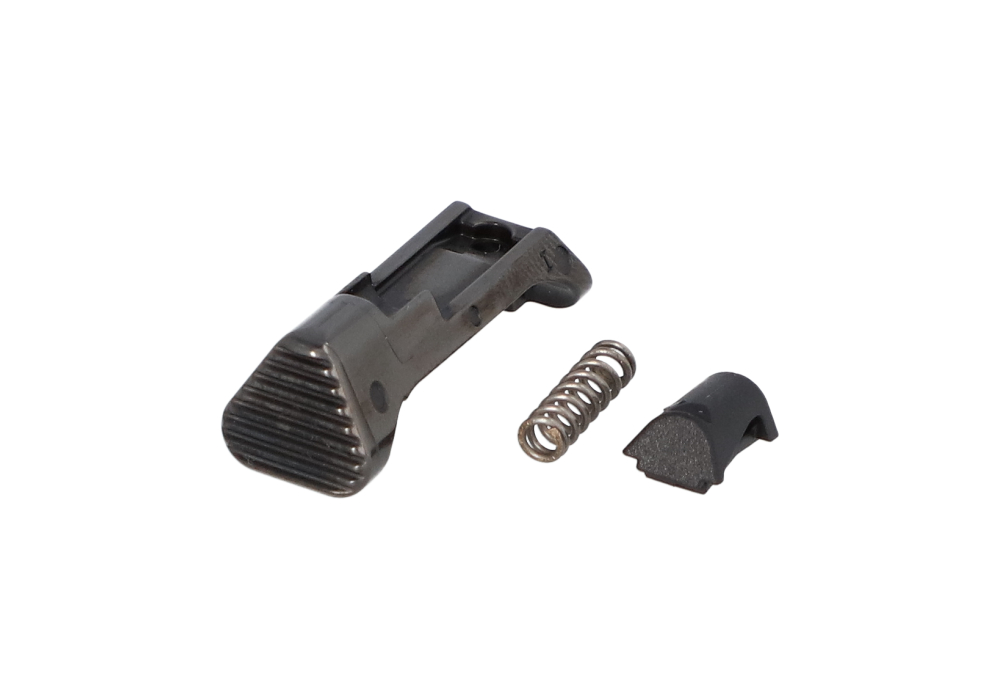
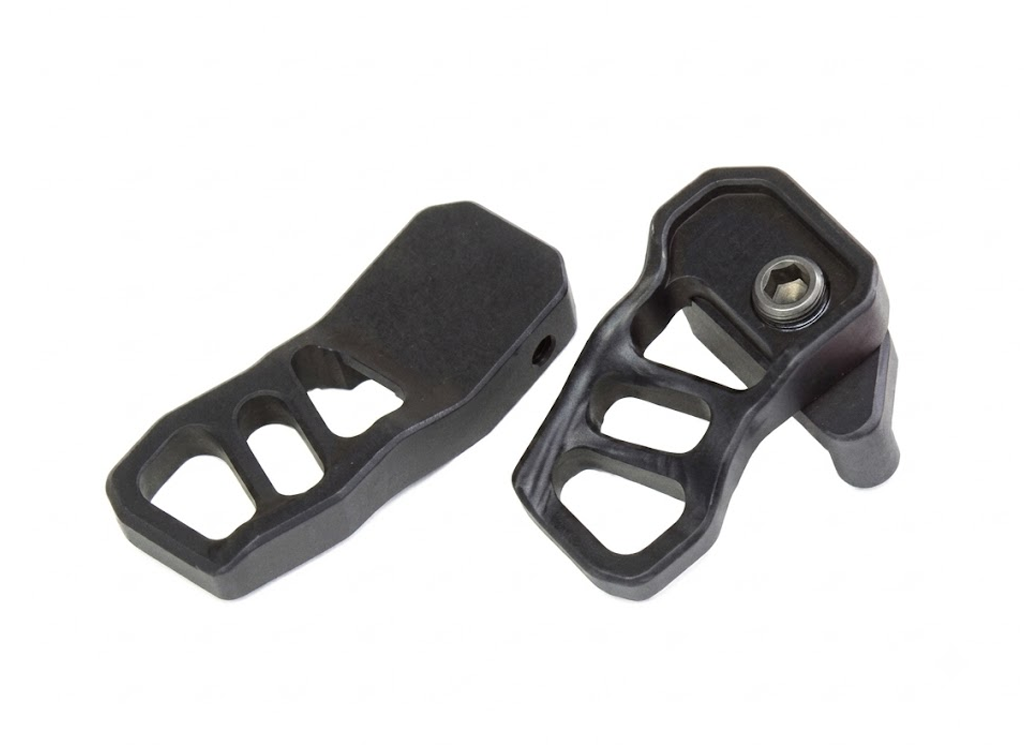
A gun magazine catch assembly is the mechanism that secures a detachable magazine in a firearm and allows its release when the magazine release control is intentionally operated. Depending on the firearm’s design, the assembly may sit in the frame or lower receiver and include a catch, spring, and button or lever. The catch engages a corresponding notch or retention surface on the magazine, helping keep it seated during normal handling and use. Although small in size, these components serve a distinct role: the magazine holds ammunition, while the catch assembly retains the magazine itself. That distinction matters when comparing replacement parts, since a magazine, a magazine release control, and a complete catch assembly are not interchangeable product categories. Gun magazine catch assemblies are relevant to owners maintaining a familiar range firearm, replacing a worn component, or having a qualified gunsmith restore the correct function of an existing setup. Compatibility begins with the exact firearm model, its configuration, and any applicable production revision, not simply whether the firearm is a pistol or rifle. Two firearms that use the same cartridge or appear similar externally can have different magazine retention systems. Even within a single model family, variations in the frame, receiver, or control arrangement can affect which assembly fits. The magazine’s design also matters because its retention surface must match the catch intended for that platform. A clear product description should identify the intended application and distinguish a complete assembly from an individual component. Photographs can help show the general shape and control layout, but visual resemblance alone does not establish compatibility. Manufacturer documentation and the firearm’s parts information are more reliable references than a similar outline in a product image. For an owner keeping a frequently used firearm in service, the practical goal is a correctly matched retention mechanism that works as the original design intends.
Materials, surface treatment, and manufacturing consistency all influence how a magazine catch assembly holds up to regular use. Depending on the design, components may use steel, other metal alloys, or engineered polymers, with each material serving a particular purpose within the mechanism. Metal engagement surfaces can provide resistance to wear, while a polymer control may be appropriate where the firearm’s original design specifies one. Material alone does not determine suitability; dimensions, geometry, and compatibility with neighboring components remain essential. A sturdy-looking catch with the wrong engagement profile is not a substitute for the correct part. Finishes can help protect metal surfaces against corrosion and routine handling, but they do not eliminate the need for proper care. Repeated magazine insertion and removal place contact stress on the engagement surfaces, while the spring supplies the force required by the mechanism’s design. These working relationships explain why attention to the entire assembly matters more than the appearance of its visible control. The control’s shape and texture also affect how it feels under the thumb or finger. Some designs use a compact button, while others use a lever or a control accessible from either side. Hand size, handedness, and shooting gloves can influence comfort, but the firearm must support the chosen arrangement. A control that projects farther from the frame may also interact differently with a holster or other equipment, making clearance another consideration where applicable. For target shooters who practice regularly, familiar control placement can be more useful than an unfamiliar shape selected for appearance alone. The same applies to an owner preserving an established firearm configuration: maintaining the original relationship between the frame, catch, and magazine often takes priority over cosmetic differences. Whether the purpose is routine upkeep or replacement after confirmed wear, durability means retaining the correct fit and function through ordinary use, not simply choosing the heaviest component or the most prominent control.
Care for magazine catch assemblies belongs within the firearm’s overall maintenance requirements. Dust, lint, residue, and excess cleaning product can collect around small controls and openings, so the manufacturer’s instructions should govern cleaning methods, compatible solvents, and lubrication. More lubricant is not automatically better, and a finish that looks clean on the outside does not establish that every internal component is in good condition. Maintenance should follow the firearm’s safety directions, with the firearm unloaded and ammunition kept separate from the work area. Cracks, deformation, corrosion, or a noticeable change in control feel warrant assessment rather than assumptions about which component needs replacement. A magazine that does not remain seated can involve the magazine, the catch mechanism, or another compatibility issue; selecting a new catch solely from that symptom may overlook the actual cause. A qualified gunsmith can evaluate concerns and handle installation or fitting when the manufacturer calls for professional service. Shoppers comparing complete assemblies with individual replacement components can also review Factory Replacement Magazine Catches, keeping the firearm’s documented specifications central to the selection. Included components deserve close attention because the word “assembly” does not guarantee the same contents across every firearm design. A listing may describe a group of related parts, while another may identify only the catch or its external control. Understanding that distinction helps owners plan maintenance without assuming that existing springs or associated hardware are appropriate for reuse. These details are particularly useful for someone maintaining several firearms with similar-looking controls or purchasing a replacement component for an experienced firearm owner. As a gift, a magazine catch assembly is best considered only when the recipient’s exact firearm configuration and preferences are known. For regular range use, collection maintenance, or a professionally assessed repair, documented fit and clearly identified components provide a sounder basis for selection than appearance alone. A small part deserves the same attention to specifications as the larger firearm it supports.