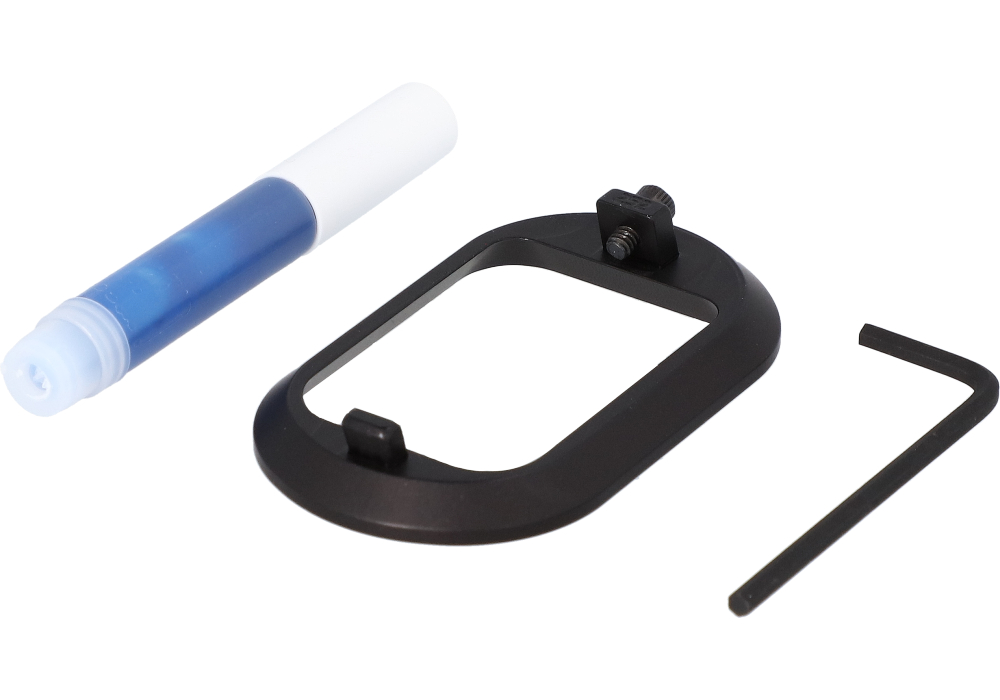
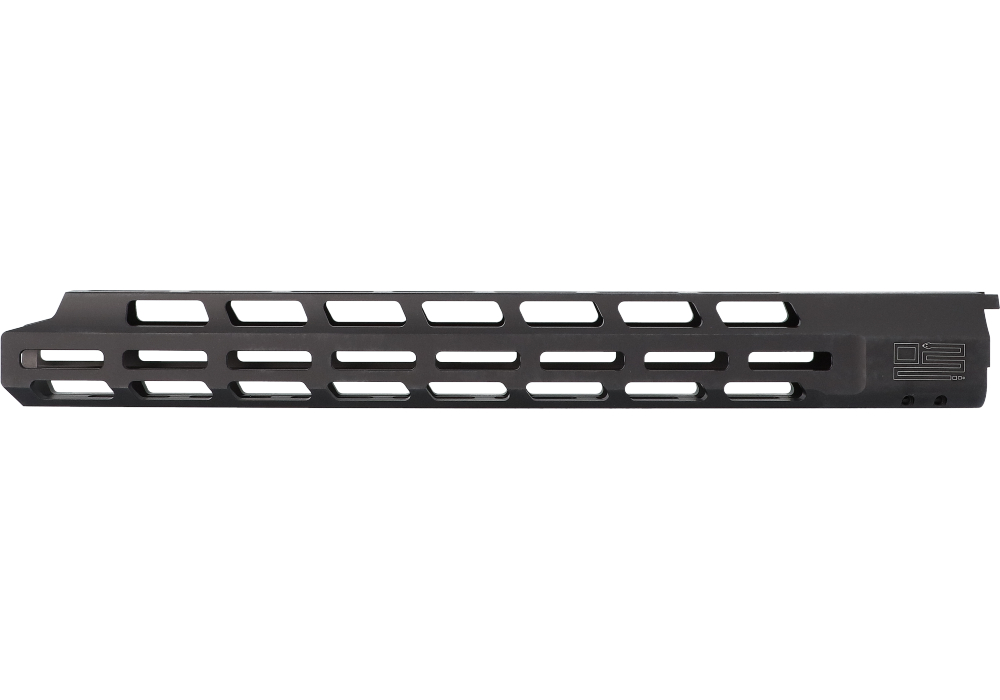
Gun modding accessories give firearm owners practical ways to refine fit, handling, sighting, and control for a particular shooting style. The right upgrade may help a new shooter find a more comfortable grip, give an experienced range user a clearer sight picture, or make a familiar firearm feel more natural during practice. Common accessory categories include red dot sights, magnified optics, night sights, lasers, pistol grips, stocks, braces where lawful, foregrips, hand stops, ambidextrous controls, upgraded triggers, muzzle brakes, compensators, extended magazine releases, weapon lights, slings, and other rail-mounted components. Each serves a different purpose. A red dot sight can help the eye settle quickly on a target at close and moderate distances, while a magnified optic may be better suited to carefully observing and engaging targets farther away. Night sights and other low-light aiming accessories can improve visibility when the surroundings are dim, but they should never be treated as a substitute for positive target identification. Weapon lights can illuminate a dark area and support safer decision-making, while a sling helps keep a firearm controlled and accessible when both hands are needed for movement or other tasks. Grips, stocks, braces, foregrips, and hand stops influence how the firearm sits in the hands and against the body, helping users establish repeatable contact and manage recoil. Ambidextrous charging handles, safety selectors, and other controls may be especially useful for left-handed shooters or anyone who trains to operate a firearm from either side. Trigger upgrades can change the feel of the trigger press, and muzzle brakes or compensators may reduce muzzle rise and felt recoil, though their effects can vary with the firearm, ammunition, and shooting position. When comparing options, start with the firearm’s exact make, model, generation, caliber, mounting pattern, rail type, and intended use. A compact defensive pistol, a sporting rifle, and a range-focused firearm place very different demands on an accessory. Compatibility is more than a matter of appearance: mounting dimensions, clearance, weight, controls, holster fit, and sight height can all affect safe function. Review manufacturer specifications carefully, confirm whether installation requires specialized tools, and consult a qualified gunsmith whenever a modification affects the trigger, fire-control components, barrel, muzzle, or other critical operating parts.
A thoughtful setup is usually built one change at a time. This makes it easier to understand what each accessory contributes and prevents a collection of additions from becoming unnecessarily heavy, complicated, or difficult to maintain. For many owners, comfort is the best place to begin. A grip that fills the hand properly, a stock or brace with an appropriate length of pull where permitted, and controls that can be reached without shifting the firing hand can make practice more consistent. Stability accessories such as hand stops and foregrips can provide a defined index point, while a properly adjusted sling can keep the firearm close to the body during movement without allowing it to swing freely. Optics deserve careful consideration as well. Think about eye relief, reticle style, brightness settings, battery life, mounting height, and the conditions in which the firearm will be used. A sight that looks excellent in a bright indoor display may need different adjustments on a shaded outdoor range during the cooler months. Lights and lasers should be selected with attention to activation method, beam placement, durability, and battery access; controls should be usable without compromising a secure grip. Magazine releases and other reload-related controls should improve access without creating an increased chance of unintended activation. If a firearm uses standard or extended capacity magazines, verify that the accessory is designed for that configuration and comply with all applicable federal, state, and local laws. Firearms should be unloaded before installation or inspection, and every modification should be function-tested in a controlled setting with appropriate eye and ear protection. After installation, check that fasteners remain secure, controls move as intended, the optic holds zero, and the firearm cycles reliably with the ammunition selected for practice. A qualified instructor can help evaluate fit and handling, while a gunsmith can identify clearance or installation concerns that are easy to overlook. For transport and storage, accessories should be considered part of the complete setup: a fitted case, locking device, protective cover, or other Gun Protection Accessories can help shield equipment from impact, moisture, dust, and unauthorized access.
Gun modding accessories can also be practical gifts for responsible firearm owners, range partners, hunters, competitive shooters, and instructors, provided the recipient’s firearm and intended use are known. A gift card or carefully chosen accessory is often more useful than a visually appealing part that does not fit the recipient’s platform. Before giving an optic, mount, grip, sling, light, or control component, confirm the exact model and whether the owner prefers a particular mounting system, reticle, finish, or control layout. Small upgrades can be especially meaningful: a comfortable grip for long practice sessions, a durable sling for organized transport, or a clear sighting solution for a shooter who is refining presentation and target focus. During late summer and the transition into cooler weather, many owners spend more time preparing equipment for outdoor range sessions, training days, hunting seasons, or organized competitions. That is a useful opportunity to inspect screws, batteries, lens covers, sling hardware, and protective cases, then replace worn components before equipment is needed. Keep modifications purposeful and maintainable. A streamlined setup with secure mounting, familiar controls, a clear sight picture, and reliable protection is generally easier to train with than an overloaded configuration assembled without a plan. Whether the goal is improved comfort, faster sight alignment, better recoil management, more versatile low-light capability, or a more personalized fit, selecting accessories around the firearm and the shooter creates a setup that feels deliberate rather than improvised. Always follow the firearm and accessory instructions, observe safe handling practices, and obtain professional installation help when the modification involves critical components or falls outside the owner’s experience.