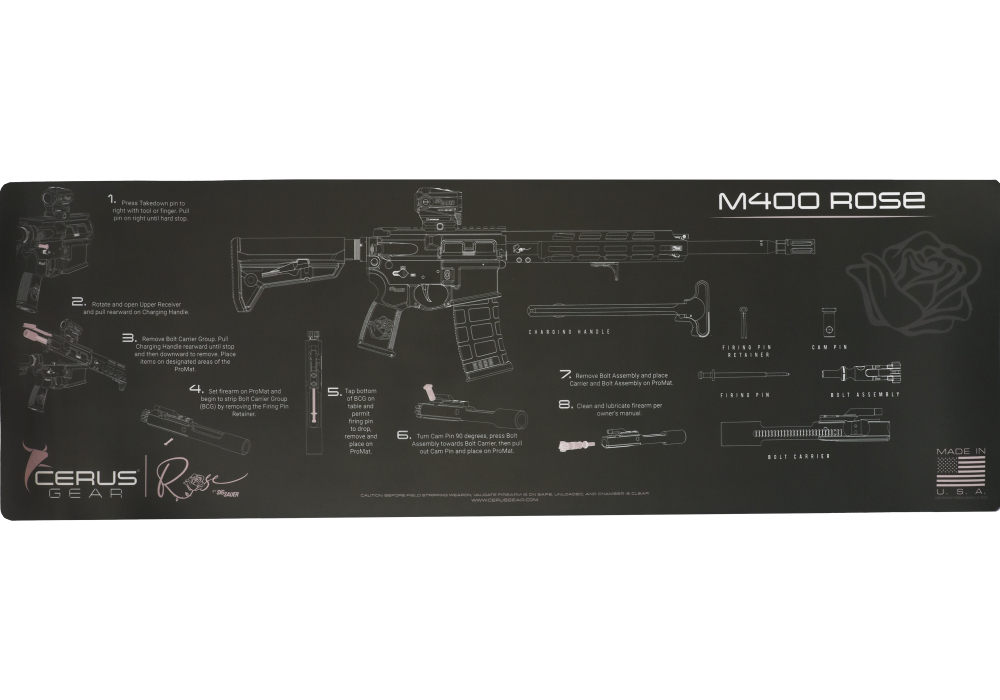
“Gun prints” can describe two very different kinds of material, and understanding that distinction helps shoppers find the right fit. In decorative settings, the term often refers to photographic or artistic prints featuring firearms, historic arms, hunting scenes, range imagery, or detailed technical views. CT-scan and X-ray artwork can reveal internal contours, mechanical structures, and layered textures that are usually hidden from view, turning familiar subjects into striking wall art. Traditional archival prints may offer a more classic look, with carefully composed profiles, vintage styling, field scenes, or historical references suited to an office, study, workshop, collection room, or personal library. When selecting a print, consider the room’s lighting, wall color, available space, and overall character. A high-contrast image can anchor a plain wall, while a subdued monochrome design may blend naturally with wood, leather, metal, or neutral furnishings. Size and orientation also matter: a wide print can complement a desk or display case, while a vertical piece may fit neatly beside shelving or a doorway. Look for clear image quality, durable paper or other display materials, and framing options that protect the artwork from dust, sunlight, and changing indoor conditions. These pieces can be thoughtful gifts for collectors, shooting enthusiasts, history-minded relatives, photographers, or anyone who appreciates industrial design. They also work well as personal reminders of time spent at the range, in the field, or learning about the craftsmanship and history surrounding firearms. For a broader selection of apparel, accessories, and themed display items, explore Gun Merchandise. A well-chosen print does not need to dominate a room; even a modest piece can add texture and conversation to a space when its subject, scale, and presentation suit the person receiving it.
The same phrase may also appear in searches for digital blueprints or CAD files associated with 3D-printed firearms and components. That subject is separate from decorative wall art and involves substantial legal, technical, and safety concerns. A digital design is not a finished firearm, and a desktop 3D printer cannot create every part required for a functional firearm. Designs may involve frames or lower receivers alongside metal components such as barrels, firing pins, and other parts that require appropriate materials, precise specifications, and careful inspection. Rules governing these files, unserialized frames, firearm construction, transfers, and possession vary by jurisdiction and can change over time. Federal requirements may apply, while certain states and local jurisdictions impose additional restrictions or prohibit specific activities altogether. Anyone considering digital firearm designs should review current laws in the relevant location, consult a qualified attorney or official government resource, and verify requirements before downloading, producing, modifying, possessing, or transferring any regulated item. Safe handling remains essential at every stage: keep firearms unloaded when they are not in use, store them securely, prevent access by unauthorized people, and follow established range and training practices. Digital files should never be treated as casual craft patterns or shared without considering legal status, intended use, and the risks associated with an improperly finished component. For shoppers seeking visual artwork, focusing on archival photography, CT-scan imagery, X-ray compositions, and historically inspired prints will provide a clearer path than searching for technical files. For shoppers researching the technical meaning of “gun prints,” careful attention to terminology can help separate decorative artwork from CAD designs, 3D-printing discussions, and regulated firearm components. This distinction supports more informed purchasing, responsible ownership, and a display choice that feels appropriate for the home, office, range room, or gift occasion.