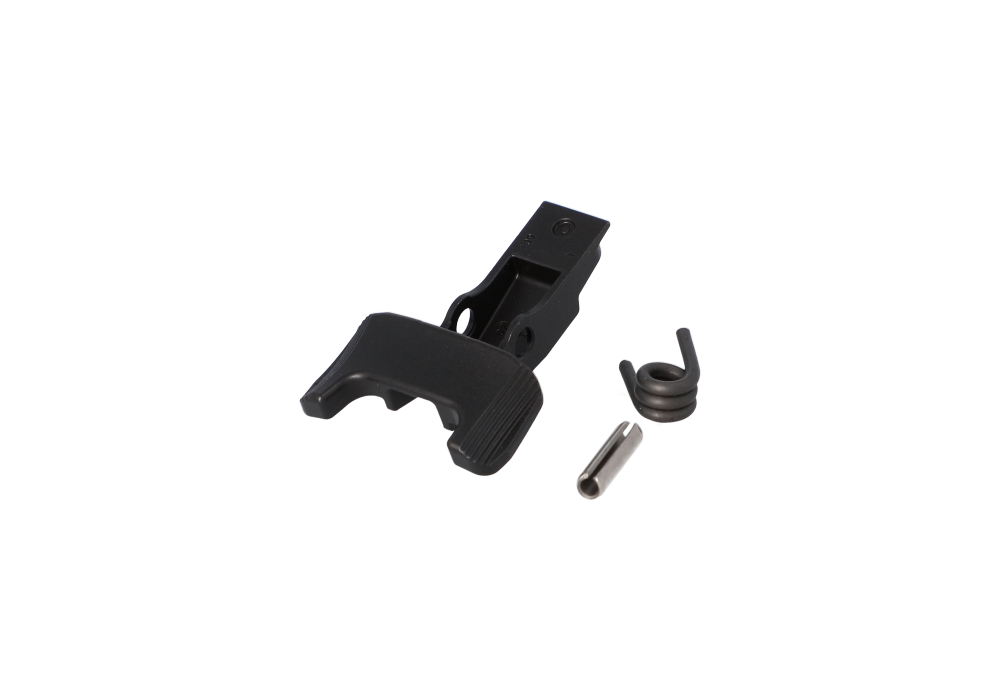
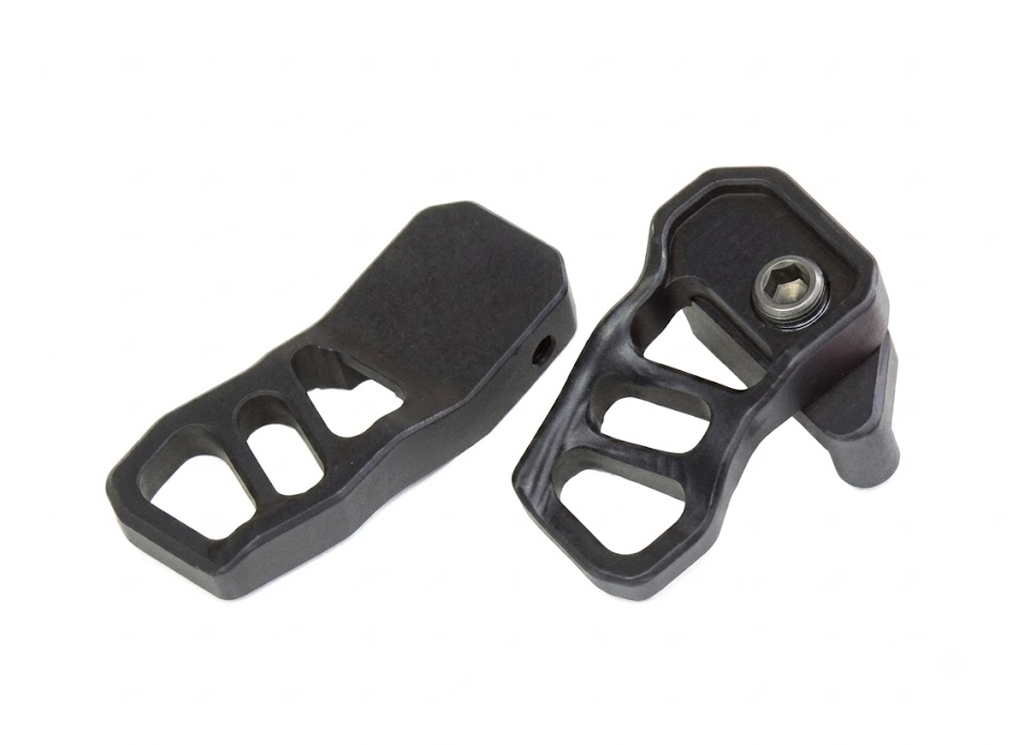
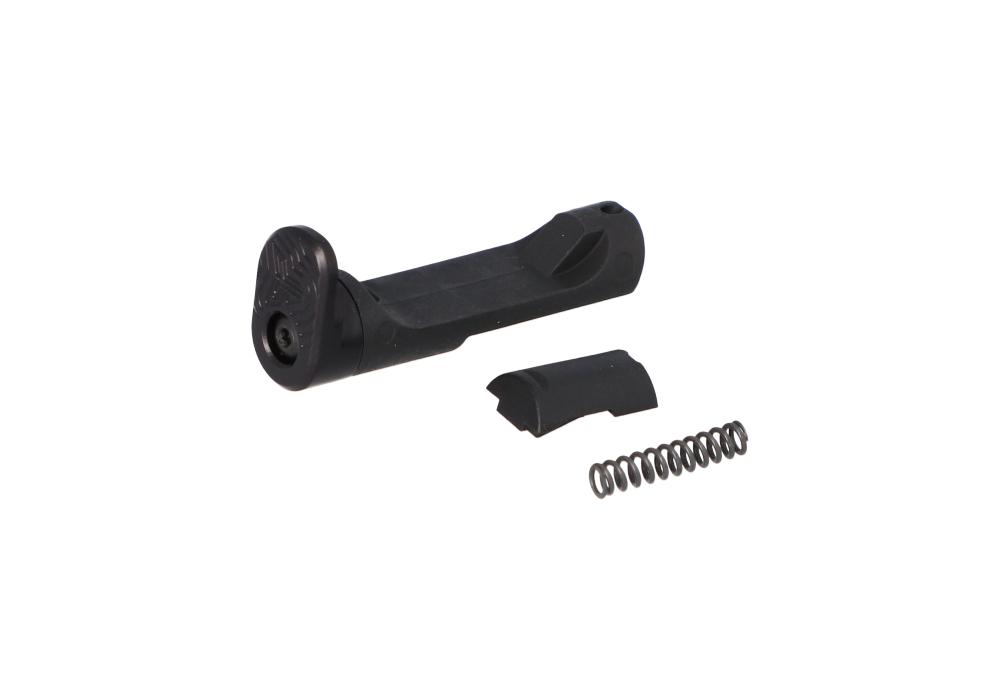
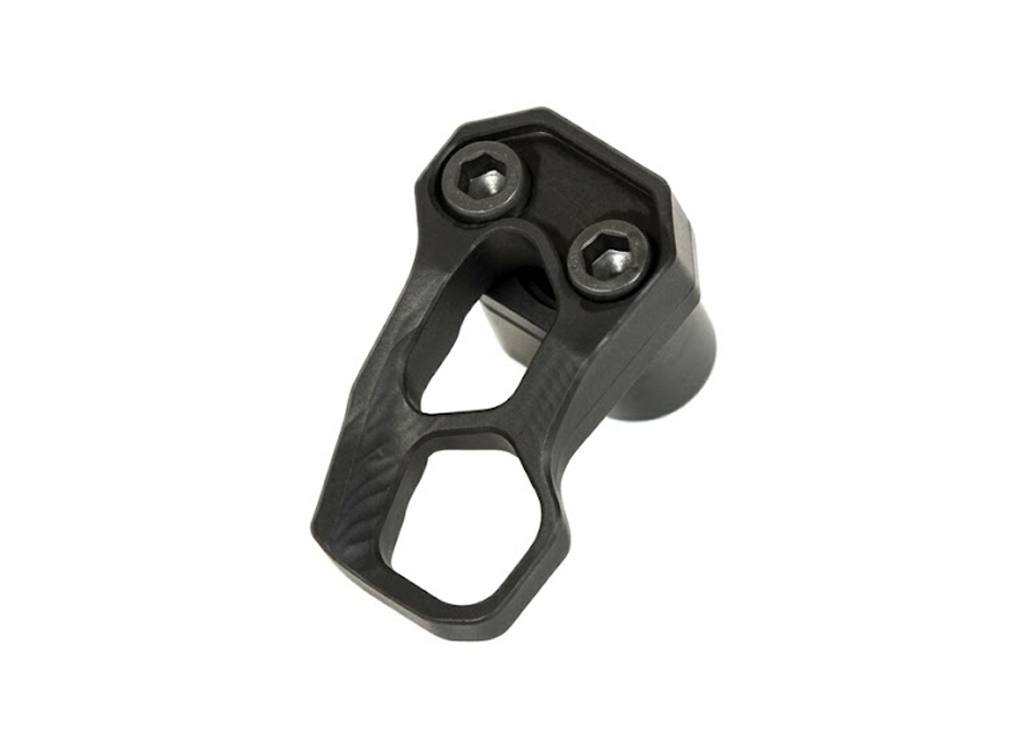
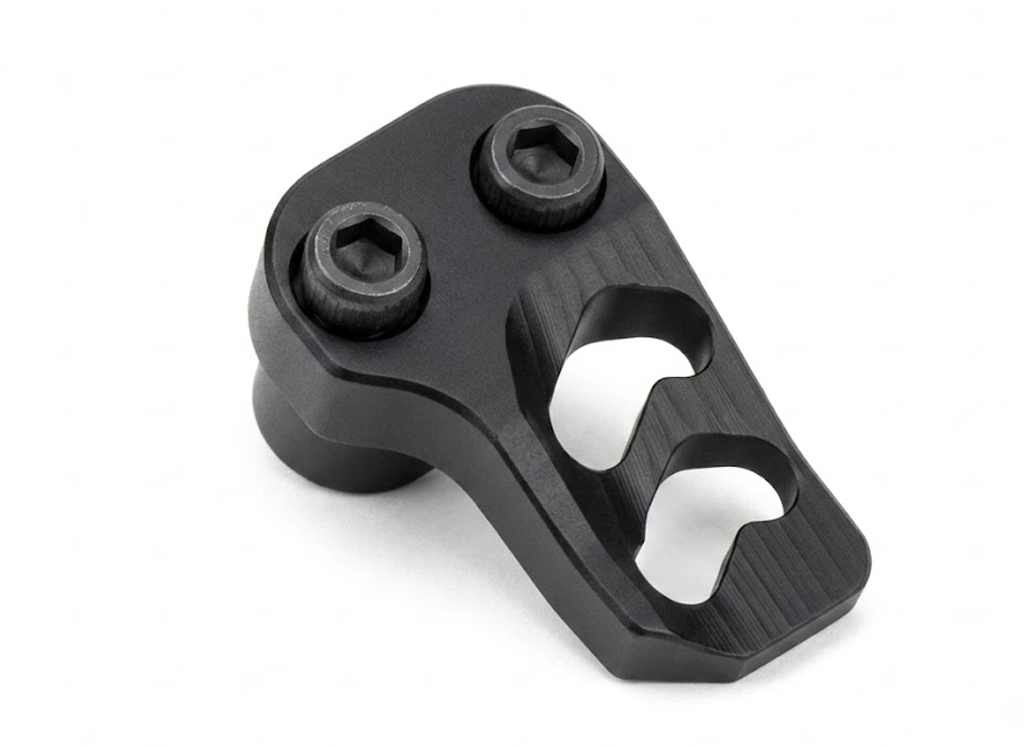
Gun release buttons, commonly called magazine release buttons or magazine catches, are the controls that allow a shooter to detach a removable ammunition magazine from a compatible semi-automatic handgun or rifle. On most firearms, the release is positioned near the trigger guard so it can be reached without completely changing the shooting grip. Designs vary by firearm platform, and a button that feels natural on one model may feel too small, too recessed, or difficult to reach on another. Standard push-button releases are a familiar choice for everyday range use, training, and routine maintenance, while extended or enhanced buttons provide a taller, wider, or more textured contact surface. These ergonomic changes can make the control easier to locate by touch, especially when wearing gloves, working in cooler weather, or practicing reloads under time pressure. An ambidextrous release is designed for operation from either side of the firearm, making it useful for left-handed shooters, instructors working with students, households where more than one person uses the same firearm, or anyone who prefers flexibility in hand position. The right choice depends on the firearm’s exact make and model, the shooter’s hand size, the intended use, and whether the release can be reached without disturbing the trigger finger or compromising a secure grip. Shooters who are already refining the fit of a pistol may also compare other controls and components, including Black Pistol Triggers, to create a consistent feel across the firearm. As with any replacement or accessory part, compatibility should be confirmed before purchase. Small differences in frame dimensions, magazine geometry, release shape, spring arrangement, and internal retention features can determine whether a component fits correctly and operates as intended. Product listings may identify a release as standard, extended, enhanced, reversible, or ambidextrous, but those descriptions should always be read alongside the listed firearm compatibility information.
When selecting a gun release button, start with the firearm’s exact model and configuration rather than relying only on a general platform description. Consider whether the original control is difficult to reach, uncomfortable during repeated practice, prone to accidental activation, or simply lacking the tactile feedback you prefer. A larger release can help shooters with smaller hands reach the control without shifting the firing hand, while a lower-profile design may be preferable for those who want to reduce the chance of pressing it unintentionally during a supported grip or when carrying the firearm in a properly selected holster. Texture also matters: serrations, stippling, or other surface details can make the button easier to identify with the thumb, though a pronounced surface may feel different during concealed carry or extended range sessions. Compliance-style release devices that require a tool rather than a bare finger may be relevant in jurisdictions with specific rules for semi-automatic rifles, but firearm and magazine regulations vary widely by location and can change over time. Buyers should review applicable federal, state, and local requirements and confirm that an intended configuration is lawful before ordering or installing any part. Installation can be straightforward for an experienced armorer, but many magazine releases use a spring-loaded shaft, retaining feature, or threaded assembly that must be handled carefully; a misplaced spring or incorrectly tensioned component can leave the release stiff, loose, or unreliable. If there is any uncertainty, professional installation and a function check by a qualified gunsmith are sensible choices. After installation, verify that the magazine locks securely, releases when the control is pressed, and does not drop free or disengage unexpectedly when the firearm is handled as intended. Always work on an unloaded firearm in a safe environment, keep ammunition separate during installation, and follow the owner’s manual for the specific model. Gun release buttons can be practical replacement parts, ergonomic upgrades, or thoughtful gifts for a shooter who spends time practicing reloads, maintaining a training firearm, or preparing equipment for use during the cooler months. A well-matched release should feel predictable and easy to operate while preserving safe handling habits, reliable magazine retention, and the overall balance of the firearm.