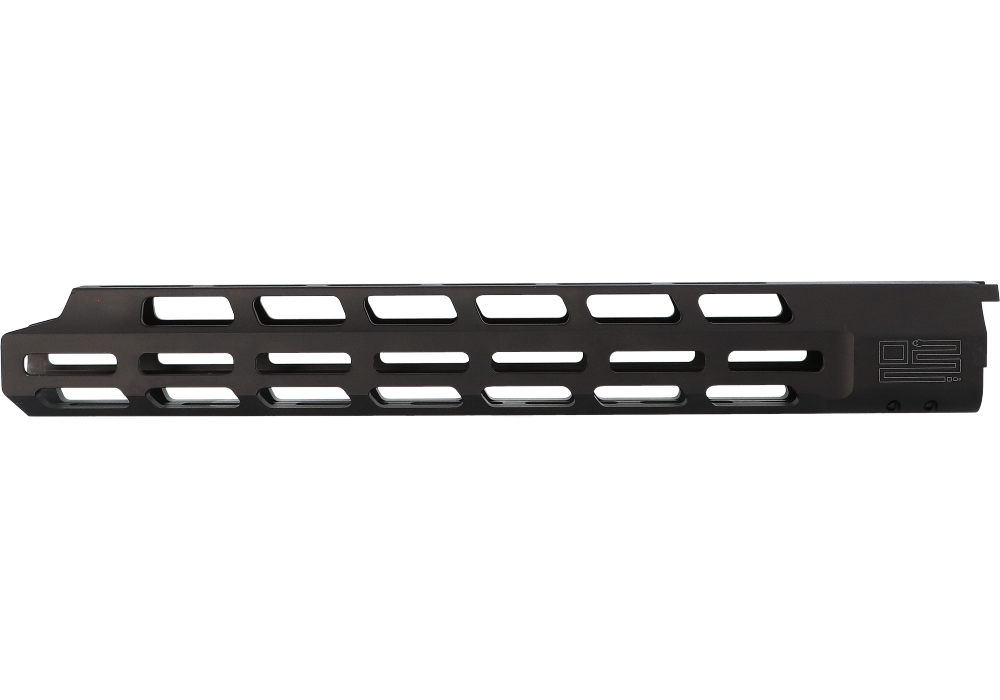
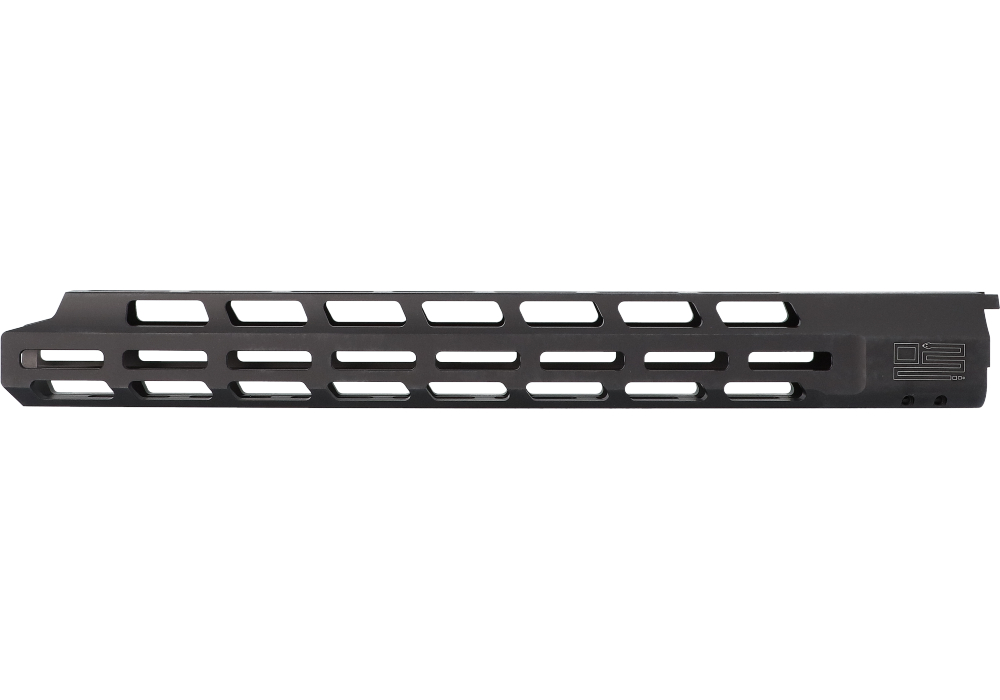
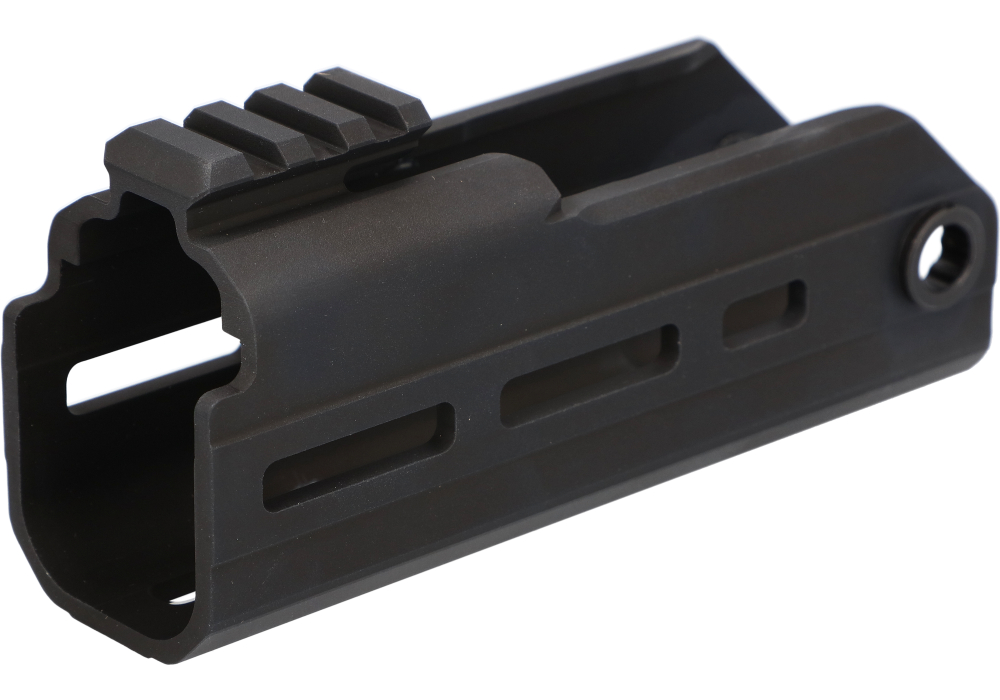
Handguard accessories help tailor a modern sporting rifle or firearm to the way it is carried, handled, and used. Rather than treating the handguard as a fixed surface, many shooters build around it with carefully chosen accessories that improve control, add practical utility, or make extended range sessions more comfortable. Common options include vertical and angled foregrips, hand stops, rail covers, weapon lights, sling attachment points, bipod adapters, and other mounting hardware. The right combination depends on the firearm, the handguard’s attachment system, and the shooter’s intended use. A compact setup for moving between shooting positions may benefit from a slim hand stop and a dependable sling mount, while a rifle configured for bench or prone shooting may call for a bipod attachment and a more substantial support interface. Those shopping for a complete handguard upgrade can also explore Combat Handguards to find a foundation suited to their preferred accessory layout. Before selecting individual components, identify the mounting surface and confirm whether it uses M-LOK slots, KeyMod slots, or a Picatinny rail. M-LOK is a slot-based system that allows accessories to attach directly to the handguard with a relatively clean profile, while KeyMod uses a distinctive keyhole-shaped interface and remains present on some existing builds. Picatinny, also known as a 1913 rail, uses a series of cross slots and offers broad compatibility with many rail-mounted accessories, though it can add more bulk than a direct-attach system. Compatibility is more than a matter of appearance: attachment hardware must match the interface, available space, and clearance around the barrel, gas system, muzzle device, and controls. Checking the manufacturer’s specifications before ordering can prevent a frustrating fit issue and helps ensure the finished setup remains balanced.
Grip and protection accessories are often the first additions a shooter notices because they affect every movement of the support hand. A vertical foregrip can provide a consistent reference point and may feel natural for a shooter who prefers a more upright wrist position. An angled foregrip offers a different hand placement, often keeping the profile closer to the handguard, while a hand stop creates a compact indexing point without extending far below the rifle. None of these choices is universally best; comfort, hand size, shooting stance, and the way the firearm is transported all matter. A useful setup should allow the support hand to settle into the same place each time without interfering with the magazine release, safety controls, or other operating surfaces. Rail covers and panels can add texture, protect unused rail sections, and help shield the hand from sharp edges or heat during longer sessions. They can also reduce snag points when a firearm is secured in a case or carried with a sling. When selecting a light or other electronic accessory, consider switch placement, battery access, weather resistance, and whether the controls can be reached without shifting the support hand. Sling mounts deserve similar attention. A quick-detach mount can make it easier to move between supported and unsupported positions, while a fixed attachment point may offer a simpler, streamlined arrangement. Bipod mounts are useful for shooters who spend time building a stable position on a bench or on the ground, but the added weight and folded profile should be considered if the firearm will also be carried over distance. Accessories can make thoughtful gifts for a new firearm owner, a recreational range shooter, or an experienced enthusiast refining a familiar setup. A rail cover, hand stop, or sling attachment point is often easier to choose than a major component, especially when the recipient’s handguard interface and preferred shooting style are already known.
A well-planned accessory arrangement should feel purposeful rather than crowded. Start with the tasks that matter most, then add only the components that support them. Someone who spends cooler months practicing from field positions may value a sling mount and a compact light, while a shooter focused on precision from a fixed position may prioritize a stable bipod interface and a comfortable, repeatable hand placement. Those who train with gloves should leave enough room around controls and verify that the grip or hand stop remains easy to index with added material between the hand and the handguard. Weight distribution is another important consideration: accessories placed far forward can affect how quickly the firearm transitions between targets, and a collection of loosely chosen attachments may make the rifle feel heavier than expected. Use the correct fasteners, follow the accessory and firearm manufacturer’s installation instructions, and check that each attachment is secure before every range session. After installation, handle the unloaded firearm in a safe direction and confirm that the accessory does not obstruct the bore, interfere with the operating system, contact a moving part, or prevent normal access to the controls. A short practice session can reveal more than a long list of specifications; shoulder the firearm, establish a natural support-hand position, work the controls, and see whether the setup remains comfortable through repeated movements. It is also wise to review applicable laws, range rules, and transport requirements before adding lights, lasers, or other regulated equipment. From a clean, minimalist handguard with one carefully placed hand stop to a fully configured setup with protective panels, sling hardware, illumination, and a bipod adapter, the goal is the same: a secure, compatible arrangement that supports confident handling without unnecessary clutter. During changing weather and varied shooting conditions, durable materials, secure mounting, and straightforward maintenance help keep accessories ready for the next session.