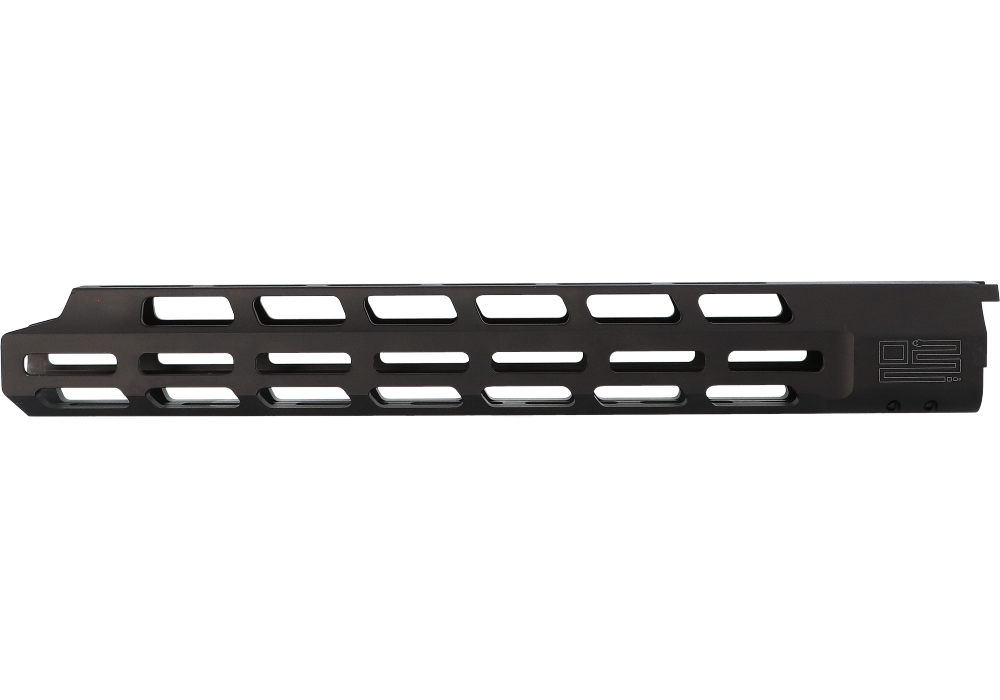
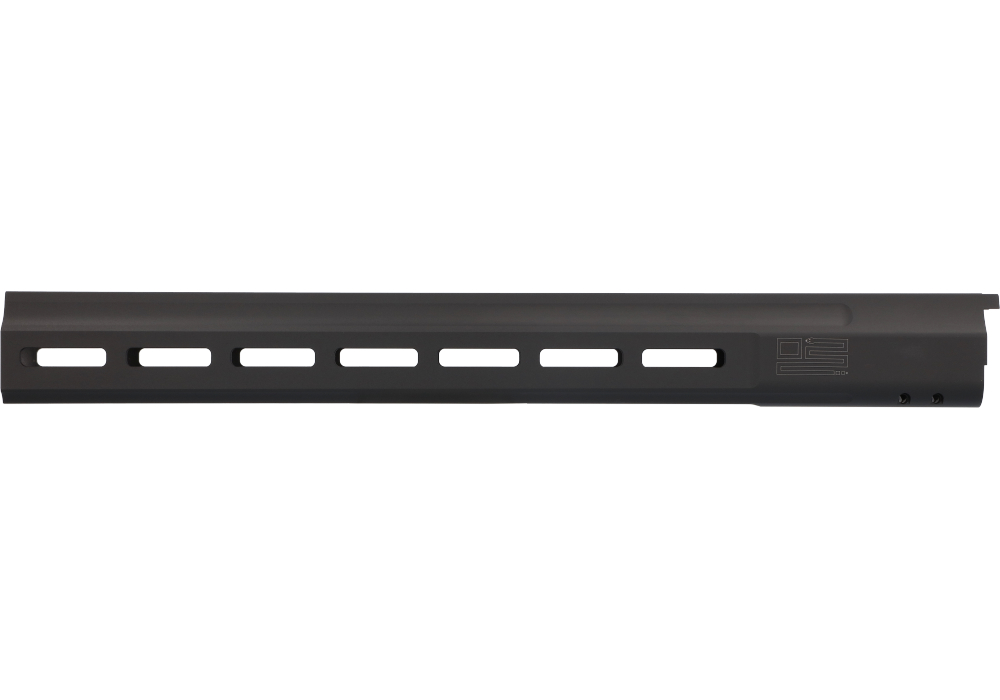
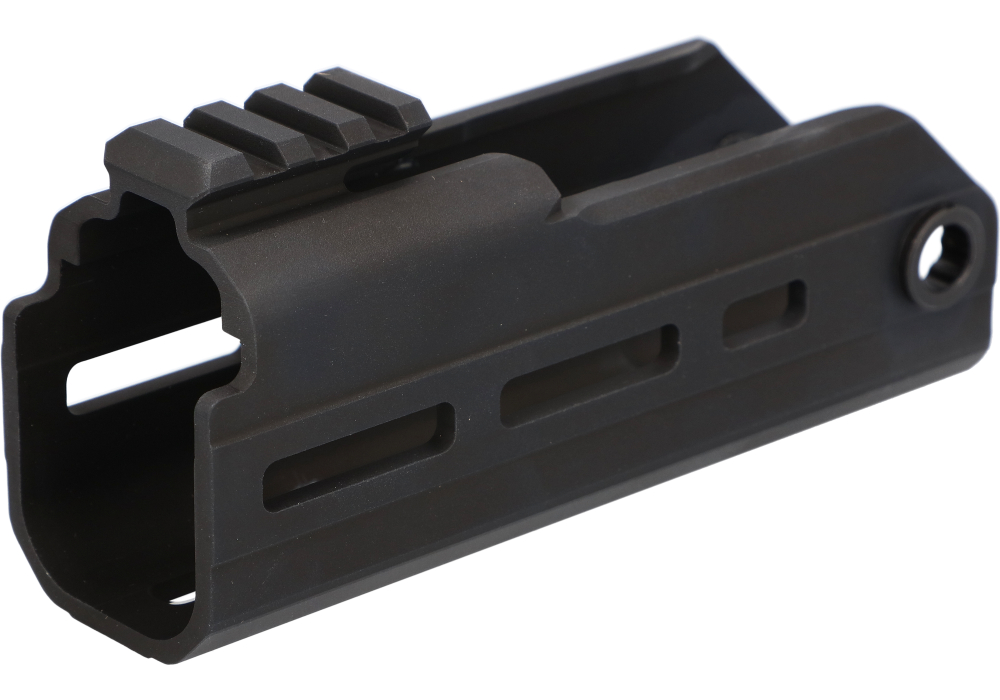
Handguards for Picatinny rail optics provide a practical foundation for configuring a rifle with a wide range of aiming and accessory options. Often recognized by their continuous 1913-style rail sections, these handguards give users multiple mounting positions for compatible optics, lights, lasers, sling hardware, and other equipment. The full-length rail profile can be especially useful when a setup needs flexible positioning from the receiver area toward the muzzle, whether the rifle is configured for range practice, varmint control, training, competition, or field use. A rail handguard also offers a familiar interface for anyone who already owns accessories designed for Picatinny attachment, reducing the need to replace otherwise useful equipment when updating a rifle. When reviewing the products in this collection, begin with the firearm platform, barrel length, gas system, and barrel profile. The handguard must provide the correct clearance around the barrel and gas components, and its overall length should work with the intended muzzle device and front sight arrangement. It is also important to confirm the installation pattern, barrel nut requirements, receiver compatibility, and any included mounting hardware before purchase. Free-float designs attach to the barrel nut and remain separate from the barrel, helping limit outside pressure that could influence point of impact. This style can be a strong choice for users who place an optic or other aiming device on the handguard and want consistent support during careful shooting. Two-piece rail systems that use existing front and rear support points can offer a simpler installation path and may suit standard configurations, casual range use, or buyers who prioritize straightforward maintenance. Since rail handguards can feel broader and heavier than slim modular alternatives, compare overall weight, exterior dimensions, and the amount of rail you genuinely expect to use. A wider profile may feel reassuring during hard use, while a lighter design can be more comfortable during long walks, extended practice sessions, or repeated transitions between targets. Texture and edge treatment matter as well; a secure grip surface should provide control without creating unnecessary discomfort when the rifle is carried against a sling or held for a long period.
Choosing the right handguard is also about how the rifle will be handled in real conditions. A recreational shooter may appreciate a simple rail layout that supports a compact optic and a light for evening range sessions, while a hunter may focus on weight, clearance, and a comfortable grip during movement through brush or uneven terrain. Training-oriented users often value repeatable accessory placement, because a light or aiming device that returns to the same rail position can make setup more familiar from one session to the next. For a gift, a handguard can be a thoughtful option for a rifle owner who has mentioned improving ergonomics, adding a forward accessory, or replacing an older system, though the recipient’s exact firearm configuration should be confirmed first. Small differences in receiver pattern, barrel length, gas system, and mounting hardware can determine whether a handguard is compatible, so checking those details is more useful than choosing based on appearance alone. Users who intend to mount an optic directly to the handguard should pay close attention to rigidity and installation quality, particularly when consistency at longer distances matters. In many precision-focused configurations, keeping the optic aligned with the receiver is preferred, while a rigid free-float handguard can still provide a stable location for compatible aiming equipment when the overall setup supports it. For additional options focused on accuracy-oriented configurations, explore Precision Rifle Handguards. Mounting surfaces should be inspected for clean alignment, secure fastener engagement, and enough usable rail space for the chosen optic without interference from backup sights, charging handles, or other controls. Consider the optic’s footprint, ring or mount height, eye relief, and the shooter’s preferred cheek position before settling on a rail length. During the cooler months, gloves and heavier clothing can change how a handguard feels in the support hand, making exterior width and grip comfort particularly important. A well-matched handguard should complement the rifle rather than overwhelm it, giving the shooter dependable control, sensible accessory placement, and a configuration that remains comfortable from the first careful sight-in session through regular use.