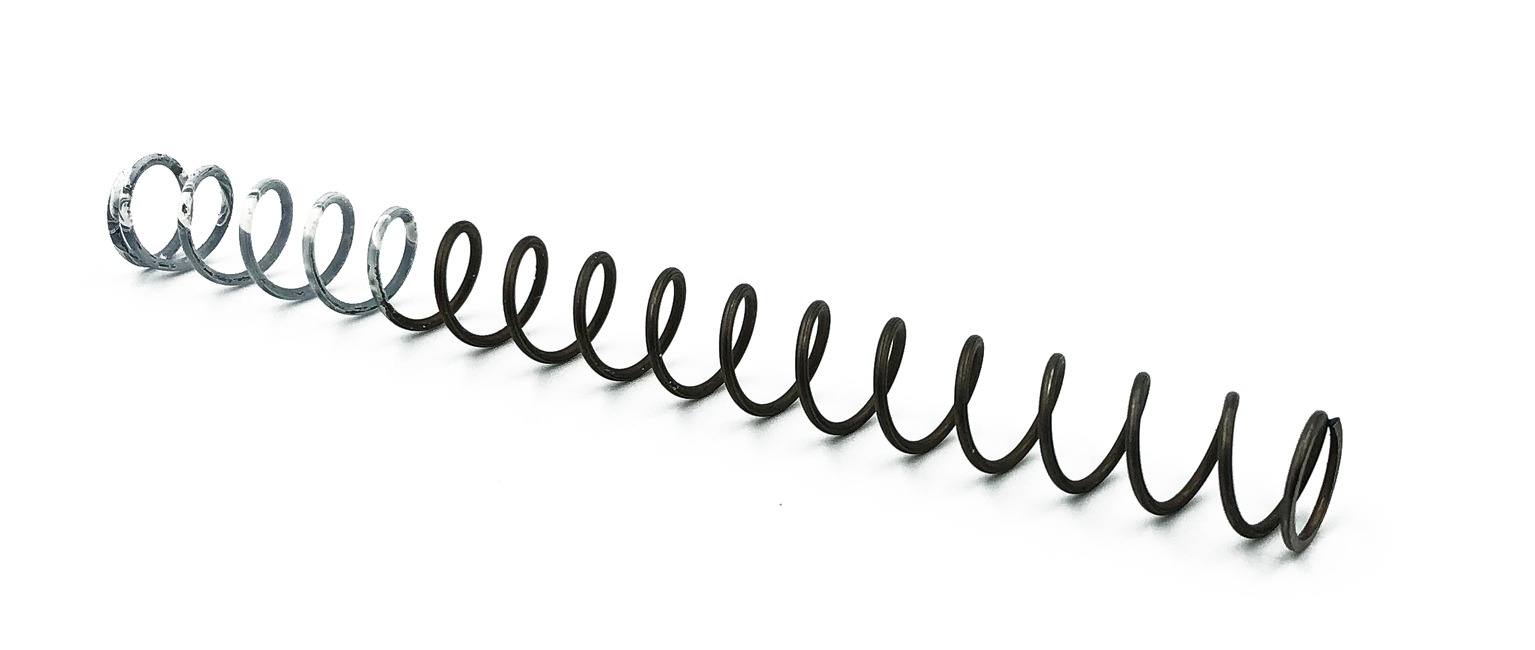
Handgun recoil kits are designed to help shooters manage, replicate, or study the movement that occurs when a handgun cycles. Depending on the configuration, a kit may be intended for live-fire recoil reduction or for realistic training without firing live ammunition. Mechanical systems commonly replace the factory guide rod and recoil spring with a matched assembly that changes how the slide moves and returns to battery. Some use a progressive spring arrangement to spread force across the slide’s travel, while others add weight beneath the barrel to help reduce muzzle rise and keep the sights tracking more naturally. These changes can make a noticeable difference during repeated practice, particularly for shooters who find that sharp recoil affects their grip, sight picture, or ability to make a quick follow-up shot. A recoil kit should be selected for the exact handgun model, caliber, generation, and intended use. Small differences in slide length, barrel configuration, frame design, and spring specifications can affect fit and function, so the manufacturer’s compatibility information deserves close attention before ordering. It is also important to understand that a recoil kit is a component-level modification, not a substitute for proper maintenance or instruction. A clean handgun, sound ammunition, a secure grip, and a controlled shooting environment remain essential parts of reliable operation.
Training-oriented recoil systems provide another way to build familiarity with handgun movement while reducing the logistical demands of live fire. Many use a replacement barrel or barrel assembly with a CO2-powered mechanism that cycles the slide and provides a tactile impulse similar to recoil. When properly configured, these systems can support practice with draw strokes, presentation, trigger control, reset awareness, sight recovery, and other fundamentals without using live ammunition. Some are designed to work with digital training platforms or interactive simulators, while others are suited to structured dry-fire sessions in an appropriate location. Although these systems do not reproduce every aspect of live fire, the visible slide movement and physical response can help a shooter recognize habits that are difficult to notice when simply pressing a stationary trigger. A law enforcement or military training program may use this style of equipment for repeatable drills, while an individual shooter may use it to reinforce fundamentals between range visits. Anyone using a CO2 recoil trainer should follow all safety procedures for the specific system, remove live ammunition from the training area, verify that the firearm is unloaded, and use a safe backstop or controlled training space as appropriate. CO2 cartridges, magazines, replacement barrels, and other components may have system-specific requirements, making it important to review the instructions before installation. For households with multiple shooters, these kits can also be a thoughtful gift for a responsible adult who values structured practice, provided the recipient owns a compatible handgun and has a suitable place to train.
Choosing between a mechanical recoil-reduction setup and a CO2 training conversion begins with identifying the goal. Shooters who spend time at the range and want to tune the feel of a competition or defensive handgun may prefer a matched spring or guide-rod assembly intended for live-fire use. Those who want more frequent practice with less ammunition consumption may be better served by a training system that provides slide movement and simulated recoil. A shooter who experiences discomfort during extended sessions may appreciate a recoil assembly that moderates the slide’s impact, but the correct spring rate is critical; a setup that is too light or too heavy can interfere with cycling, reliability, or the handgun’s ability to function with different loads. For that reason, recoil components should be installed according to the manufacturer’s directions, and the handgun should be tested carefully with the ammunition and magazines intended for regular use. Competitive shooters may focus on flatter tracking and quicker sight recovery, while new shooters often benefit from equipment that helps them concentrate on grip pressure and trigger movement rather than anticipating a sharp kick. Experienced owners sometimes keep a spare recoil assembly available as part of routine maintenance, especially when a handgun sees frequent practice. A wide selection of compatible Recoil Spring Kits can make it easier to compare configurations for a particular platform. During the warmer months and into cooler range days, the right recoil kit can support consistent practice, but every modification should be evaluated for fit, function, durability, and safe operation before becoming part of a regular training routine.