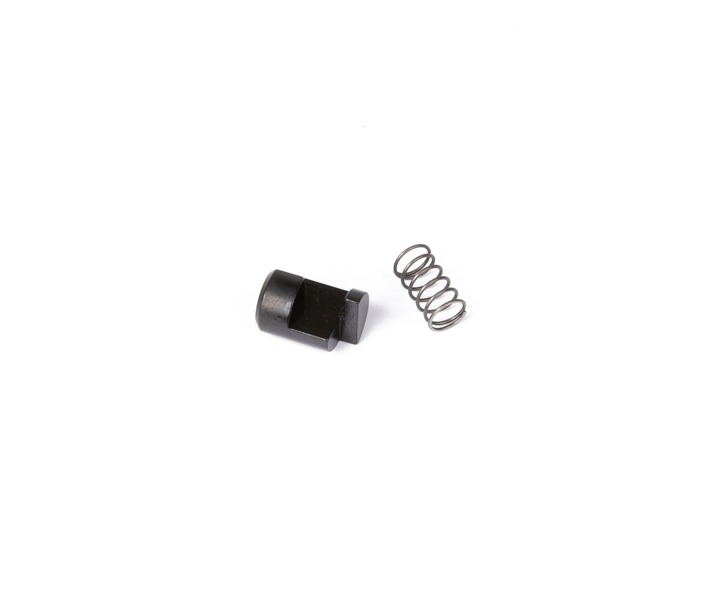
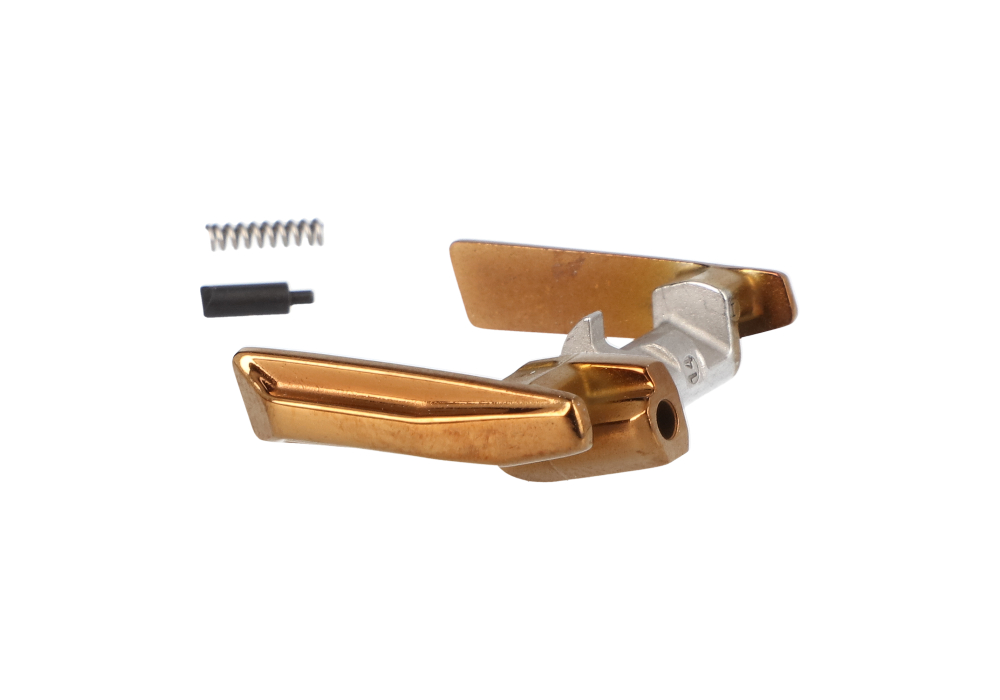
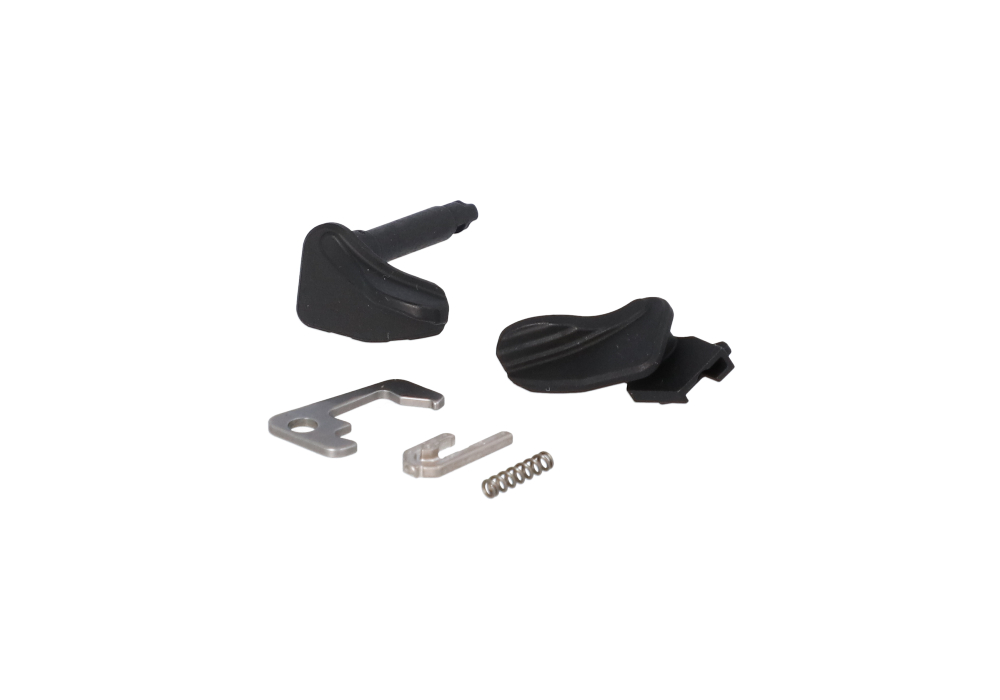
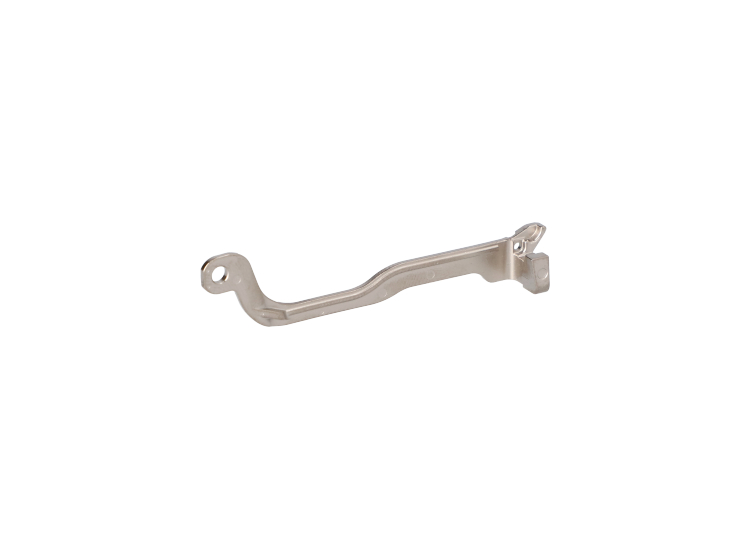
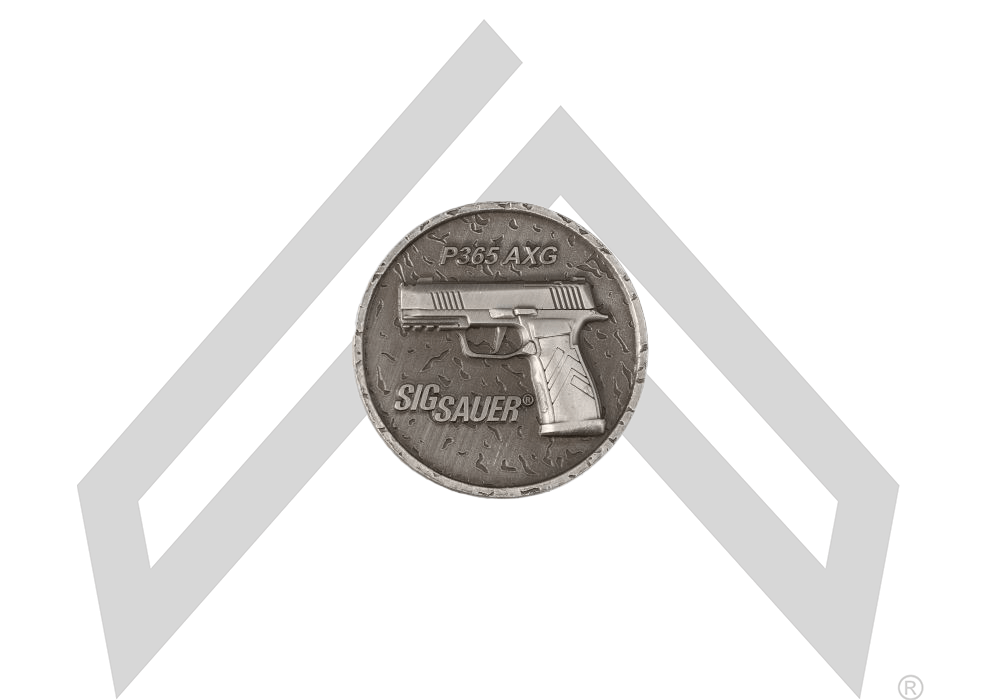
Handgun safety parts are designed to help control when and how a handgun can fire, supporting safe handling during storage, transport, practice, and lawful defensive use. These components may be external controls that a user can see and operate, or internal mechanisms that work automatically as part of the handgun’s firing system. A thumb safety is a manual lever positioned on the frame or slide that can help block the sear, trigger, or related firing components until it is deliberately moved to the firing position. A grip safety is built into the rear of the grip and is typically disengaged only when the handgun is held with a proper, secure grasp. A decocker is intended to lower a cocked hammer safely without allowing it to strike the firing pin, helping return the handgun to a designated ready condition when used as directed. Internal safety parts may include a firing pin block or striker block, which physically prevents forward movement until the trigger is pulled through its intended range. A trigger safety blade, integrated into the face of the trigger, helps prevent rearward trigger movement unless the trigger is pressed in the correct manner. Some handguns also use a magazine disconnect, a mechanism designed to prevent firing when the magazine has been removed, even if a cartridge remains in the chamber. The exact arrangement varies by handgun design, and a safety part should never be viewed as a substitute for muzzle awareness, trigger-finger discipline, secure storage, or careful inspection. Every firearm should be treated as loaded until the user has personally confirmed otherwise, and the owner’s manual should be consulted before handling, installing, adjusting, or testing any safety-related component.
When selecting handgun safety parts, start with exact compatibility rather than appearance alone. The handgun’s manufacturer, model, generation, caliber, frame size, operating system, and production variation can all affect whether a component fits and functions correctly. Even parts that look nearly identical may differ in dimensions, engagement surfaces, spring tension, pin placement, or finish. Review the product description carefully, compare it with the handgun’s documentation, and verify whether the part is intended as a factory replacement, a compatible component, or a specialized upgrade. It is also useful to consider the role of the handgun and the preferences of the person who will operate it. Someone who spends time at a range may value a familiar manual safety or a clearly defined control, while a person who carries lawfully may prioritize consistent operation, smooth access, and compatibility with an established training routine. A replacement trigger safety blade, firing pin block, grip safety, decocker component, or magazine disconnect should preserve the intended safety function of the handgun rather than bypass or diminish it. Installation is not a casual do-it-yourself project when the part interacts with the trigger, sear, striker, hammer, or firing pin. If you are uncertain about fit, function, or the correct installation procedure, have the work completed and inspected by a qualified gunsmith. After any replacement or service, the handgun should be checked according to the manufacturer’s procedures, including verification that controls operate as intended and that the handgun remains unloaded during inspection. Related components can also be found in areas such as Handgun Slide Parts, where proper fit and system compatibility remain equally important.
Handgun safety parts can be useful for owners maintaining a trusted handgun, updating a worn component, or setting up a training firearm for a new user. They may also be a thoughtful gift for a responsible firearm owner, particularly when the recipient has identified a specific replacement need or maintains a regular cleaning and inspection routine. A small control lever, replacement safety blade, or internal block can be meaningful when it helps keep a familiar handgun in dependable condition, but gift-givers should avoid guessing at compatibility; a store credit or a conversation about the exact model is often more practical than choosing an unverified part. During the warmer months, many owners spend more time traveling to outdoor ranges, attending training sessions, or preparing equipment for time away from home, making a careful inspection of controls and storage practices especially valuable. During the cooler months, handguns may be handled less frequently, which makes secure storage and periodic condition checks just as important. Keep firearms and ammunition secured from unauthorized access, use a suitable locking method, and follow all applicable laws and manufacturer recommendations. Safety parts are precision components, not universal accessories, and their purpose is to work within a complete handgun system: the manual safety, grip safety, trigger safety, firing pin or striker block, decocker, and magazine disconnect each address a particular aspect of operation. Choosing the correct component, maintaining it properly, and learning the handgun’s controls through qualified instruction can help build the calm, consistent habits that matter most when a firearm is handled.