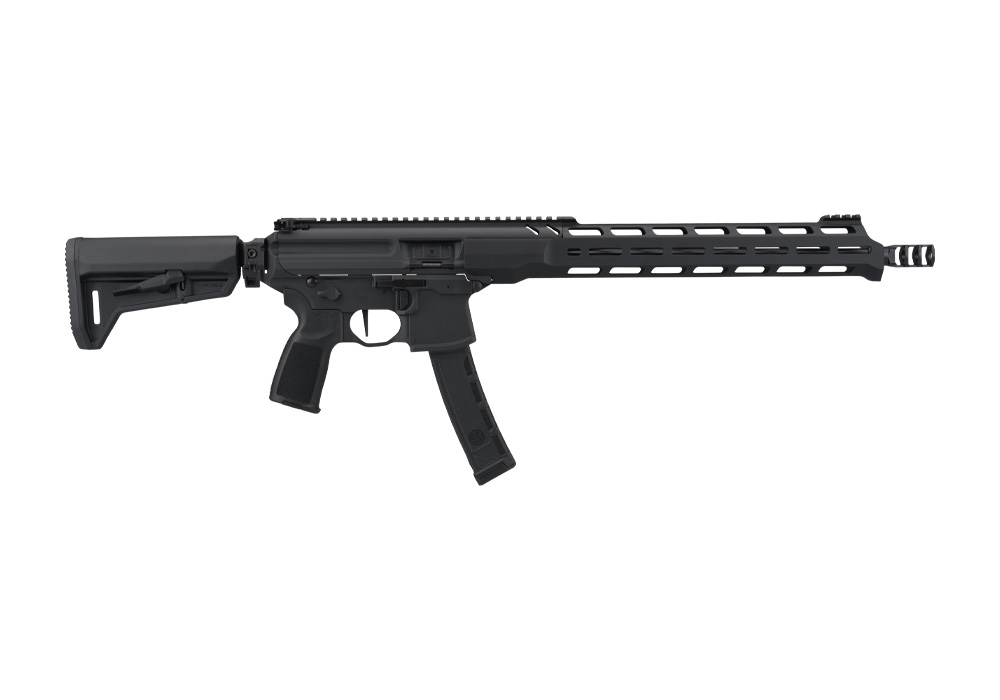
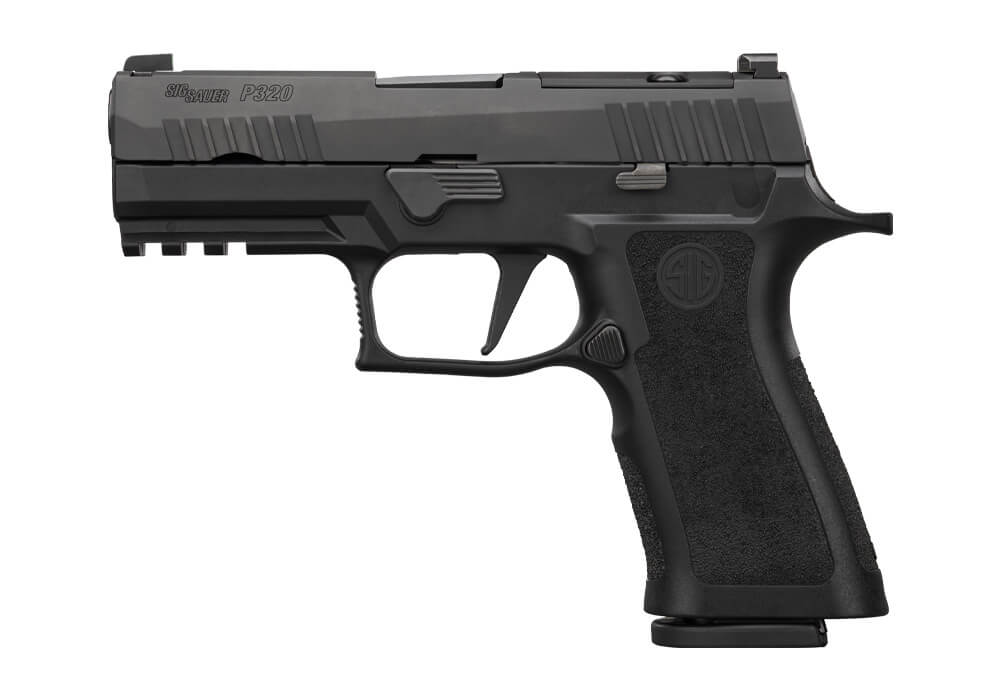
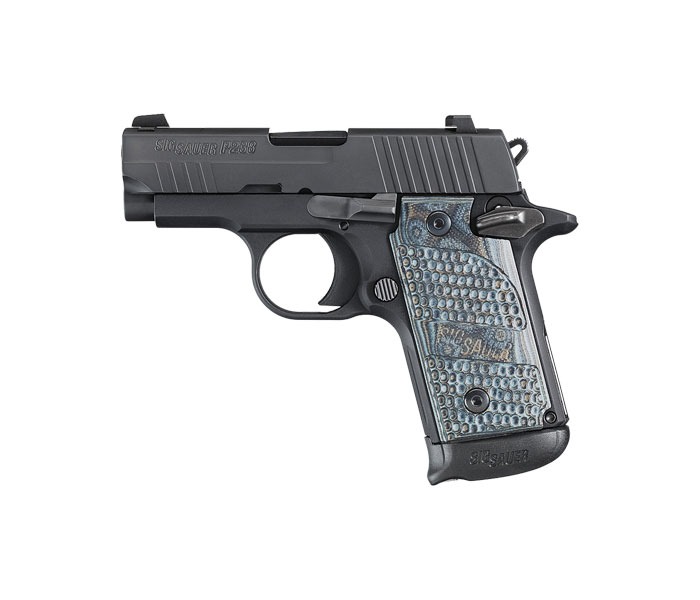
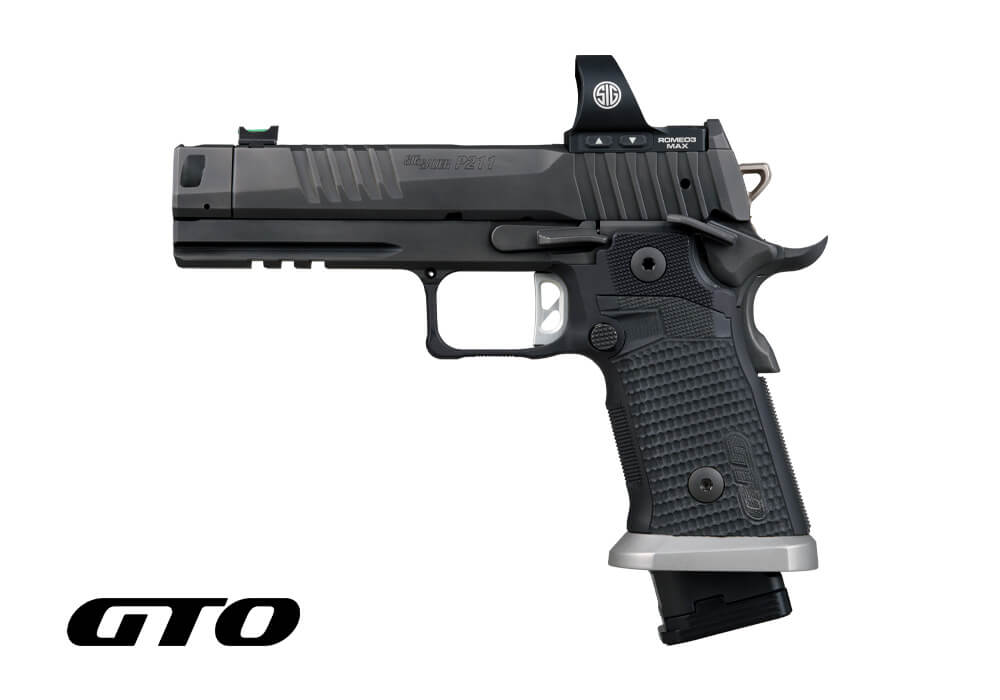
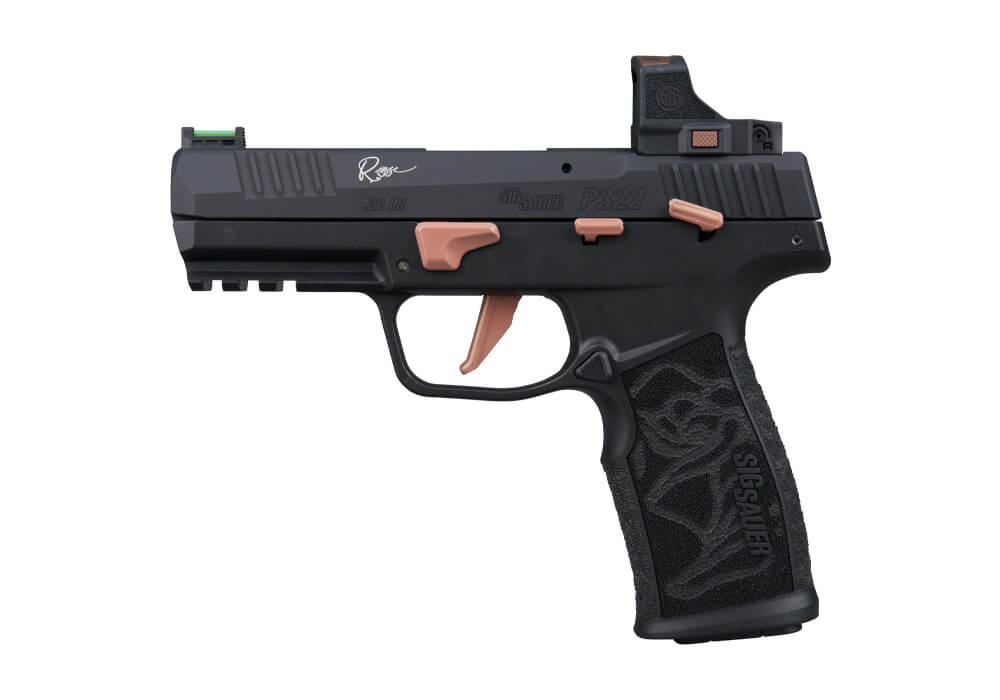
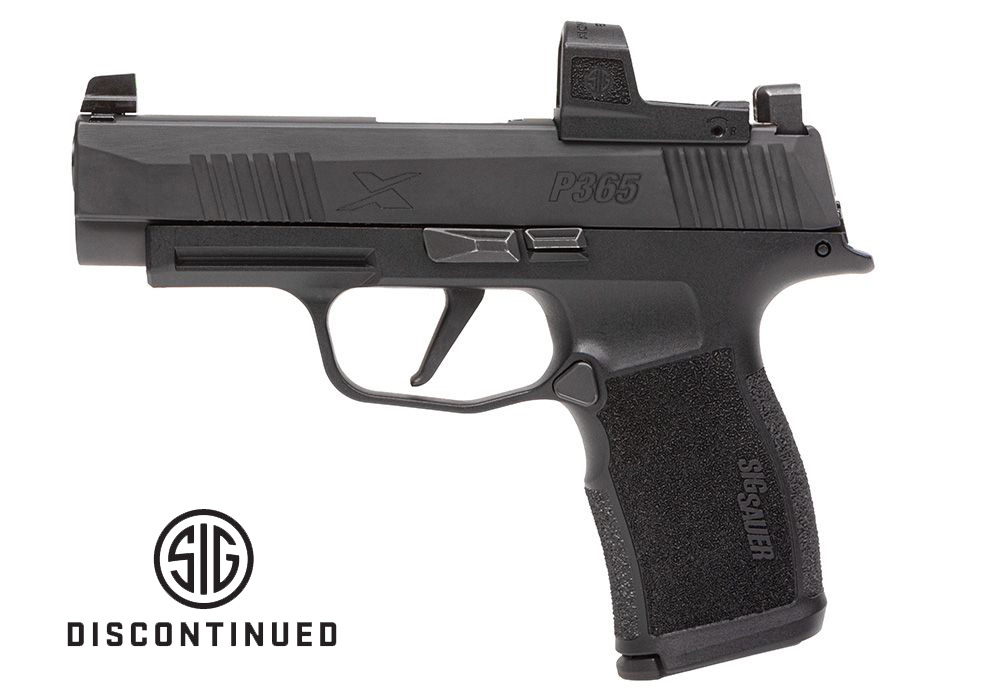
August shooting events often bring a lively mix of practical competition, club matches, and recreational range days, making this a useful season to compare handguns designed for controlled, repeatable performance. Local events may follow USPSA, IDPA, or Steel Challenge rules, while other ranges schedule fun shoots, silhouette matches, and 2-Gun challenges that combine pistol work with a second platform. Each discipline places a slightly different emphasis on the handgun. Steel matches reward a clear sight picture and quick transitions between targets. Practical-action competitions place greater attention on safe movement, reliable operation, smooth reloads, and consistent accuracy from a holster. A suitable handgun for these events should feel natural in the hand, present cleanly, and maintain predictable behavior through long strings of fire. Full-size models are often popular because their longer sight radius, balanced weight, and generous grip area can help shooters stay steady during rapid fire. A competition-oriented configuration may also include an enhanced trigger, a refined grip texture, an optic-ready slide, or a longer barrel intended to support precise target engagement. Striker-fired and hammer-fired designs each offer a distinct feel, so handling several options at a qualified range can be valuable before making a decision. Caliber is another consideration: a commonly available pistol cartridge can simplify ammunition planning, while bullet weight and recoil characteristics may affect comfort during an extended match. Shooters should always confirm the rules for the particular division, including permitted handgun dimensions, magazine restrictions, sighting systems, holster placement, and ammunition requirements. Match organizers may publish equipment rules separately from the event schedule, and those details can change from one discipline to another. If August’s warmer conditions give way to cooler range days in early fall, a handgun that remains comfortable with the shooter’s preferred belt, holster, and clothing setup can make practice more enjoyable. The goal is not simply to choose the most specialized configuration, but to find a dependable platform that suits the event, the shooter’s experience, and the way the handgun will be transported, stored, and maintained between range sessions.
A complete setup extends beyond the handgun itself. A secure, properly fitted holster is essential for organized shooting events, and it should be compatible with the handgun, mounted securely to a suitable belt, and permitted by the match rules. Shooters commonly bring at least three magazines so one can be loaded, one can be in use, and another can remain available as a spare; additional magazines may be helpful when preparing between stages. Magazine pouches, a sturdy belt, chamber flags where required, and a small maintenance kit can reduce distractions on match day. Eye protection should be worn whenever firearms are handled on the range, and properly fitted ear protection helps shield hearing while allowing the shooter to remain aware of range commands. A compact bag can keep ammunition, magazines, tools, water, sunscreen, and weather-appropriate layers organized as conditions shift from warm late-summer afternoons to cooler fall mornings. Before attending, review the range’s procedures, confirm the start time and registration requirements, and verify whether the event uses a particular scoring system or safety briefing. New competitors often benefit from observing a match before participating; watching the stage procedure, listening to commands, and seeing how experienced shooters move between positions can make the first event feel more manageable. Beginners should prioritize safe handling, a consistent grip, and accurate shot placement rather than trying to match the pace of seasoned competitors. More experienced shooters may look for a handgun with a trigger and sighting arrangement that supports precise transitions without sacrificing reliability. These handguns can also appeal to an experienced shooter receiving a firearm as a gift, provided the transfer complies with all applicable laws and the recipient has an appropriate place to store it. A thoughtful gift may include time at a reputable range, professional instruction, or secure storage equipment rather than relying on assumptions about fit or preference. Responsible ownership includes keeping the handgun unloaded and secured when not in use, storing ammunition appropriately, and following all applicable federal, state, and local requirements. Shooters planning for events later in the season can also explore Handguns for Fall Shooting Competitions as conditions become cooler and match calendars continue into the fall. Whether the day involves steel targets, practical stages, a silhouette course, or a pistol-and-rifle format, choosing compatible equipment and building dependable habits helps keep the focus on safe, confident participation.