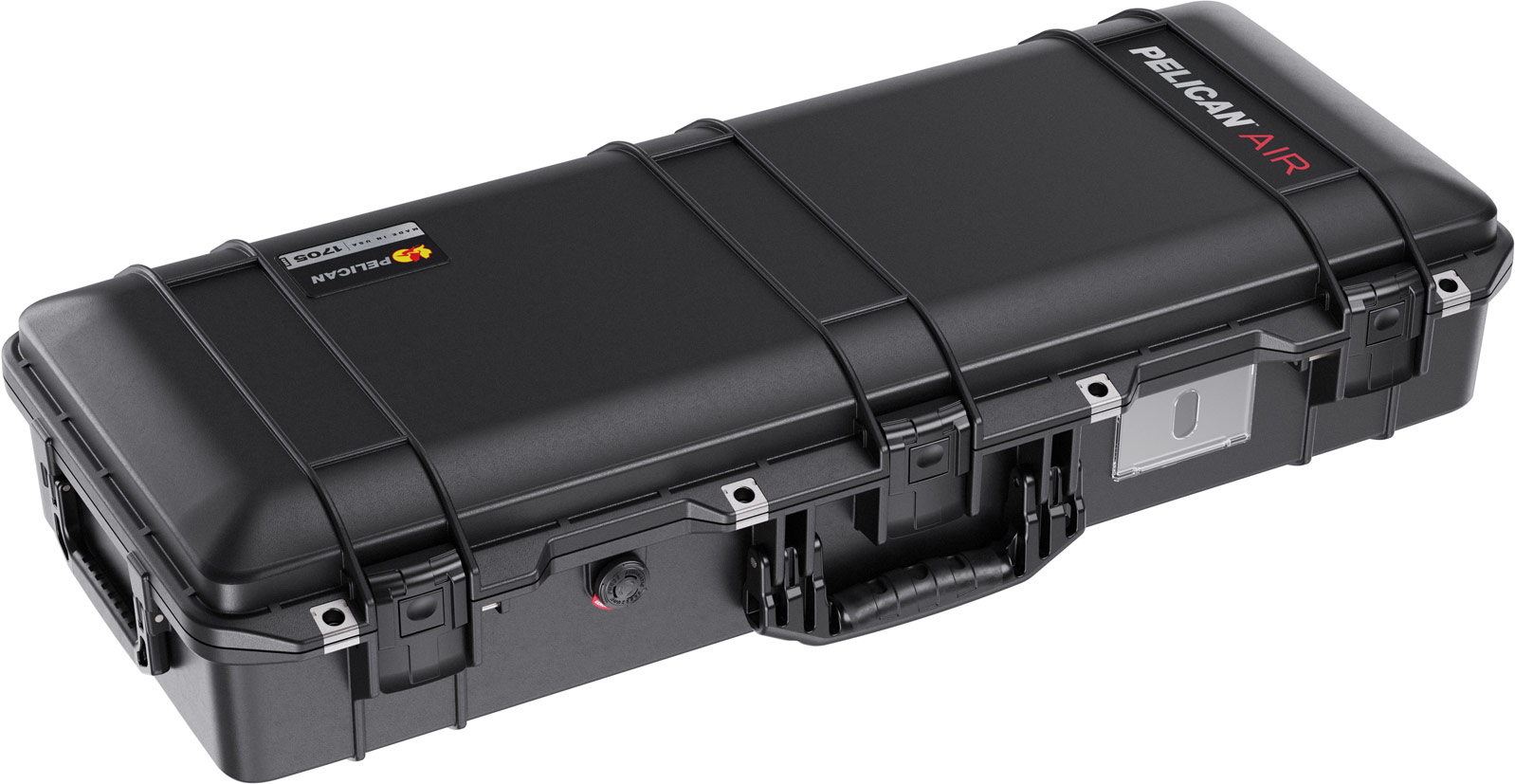
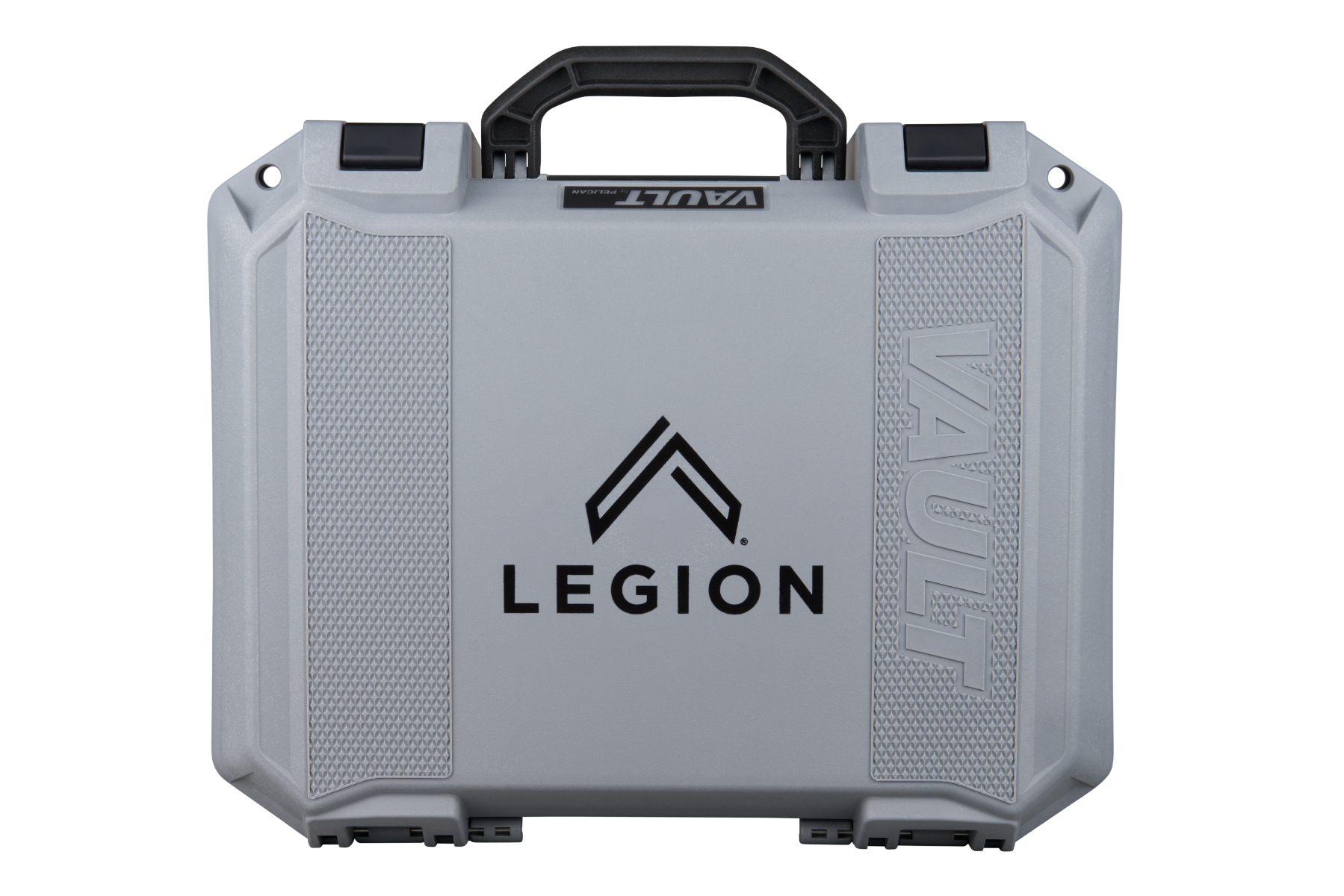
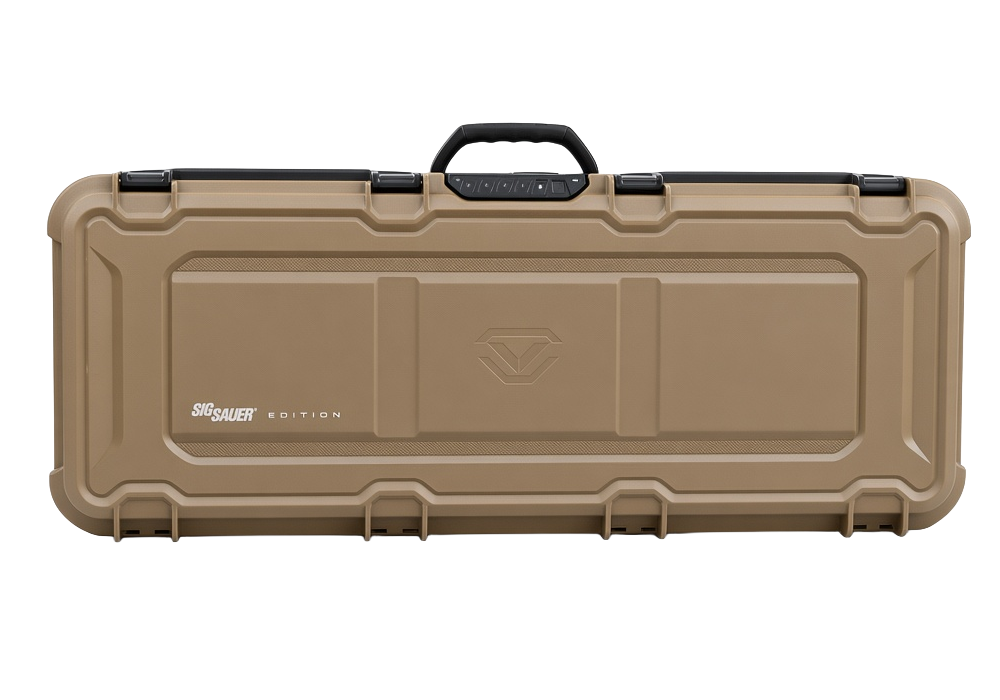
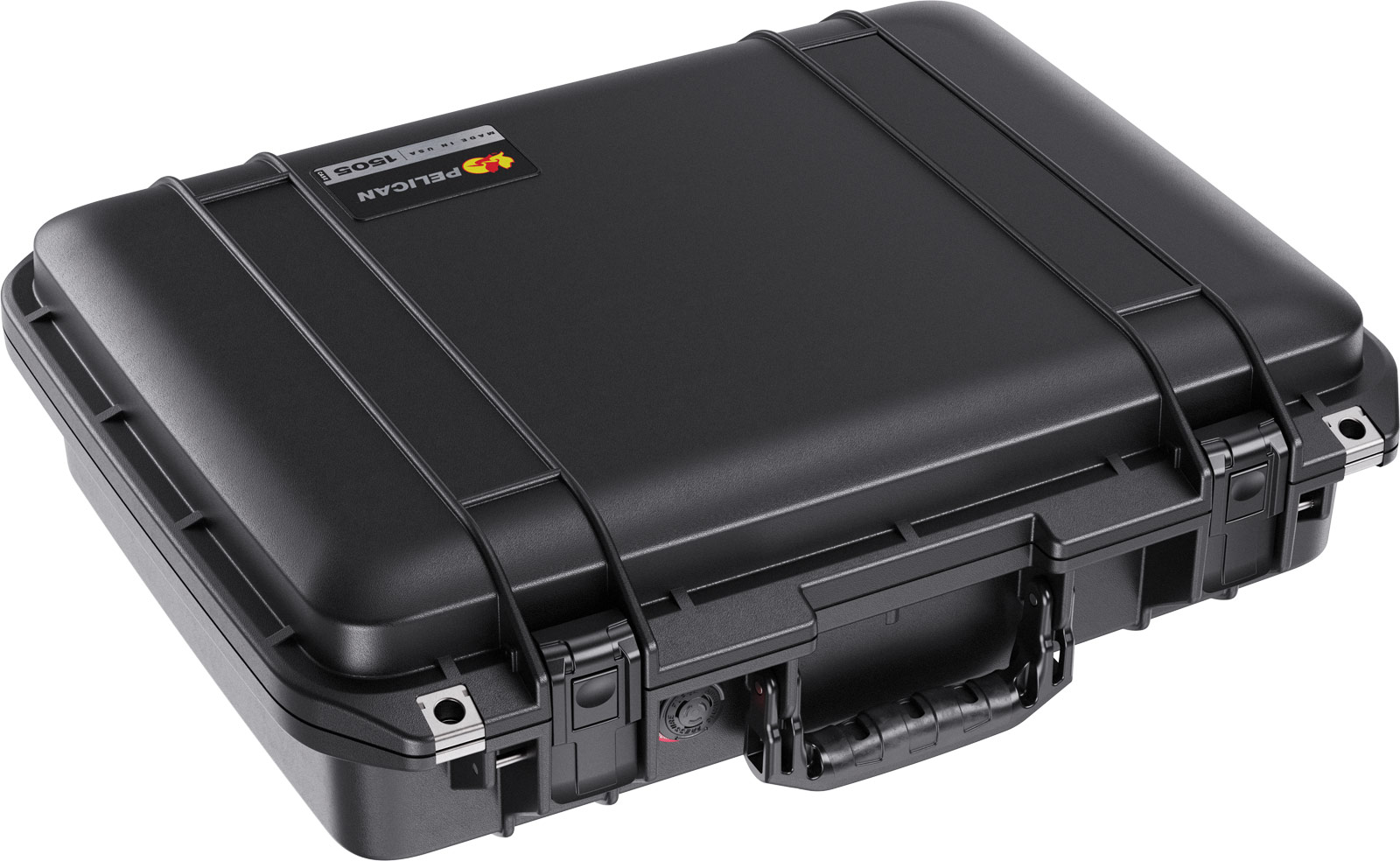
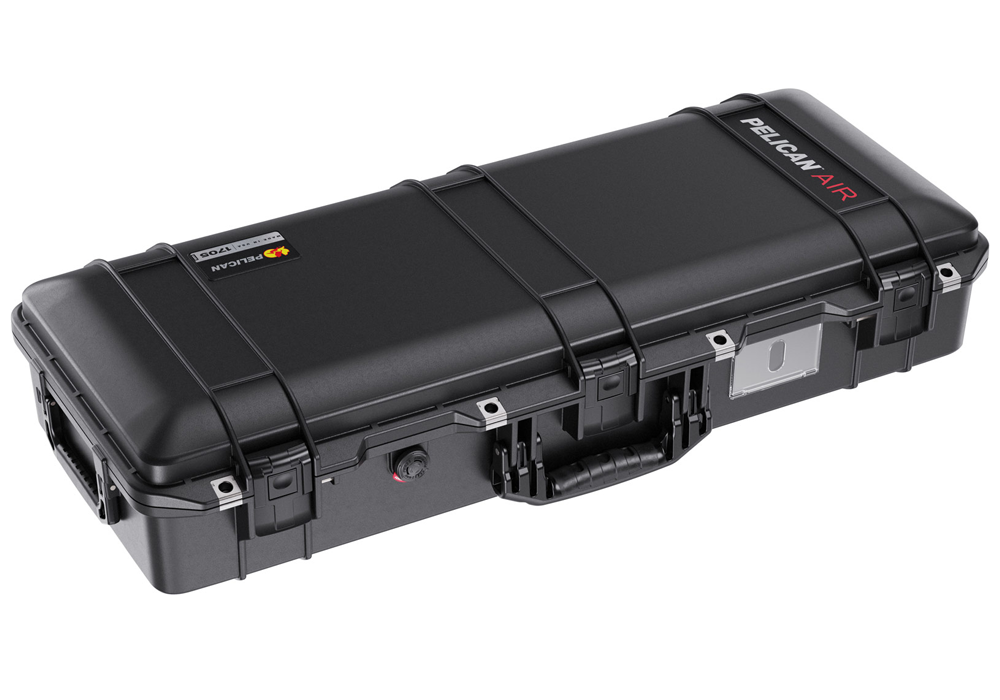
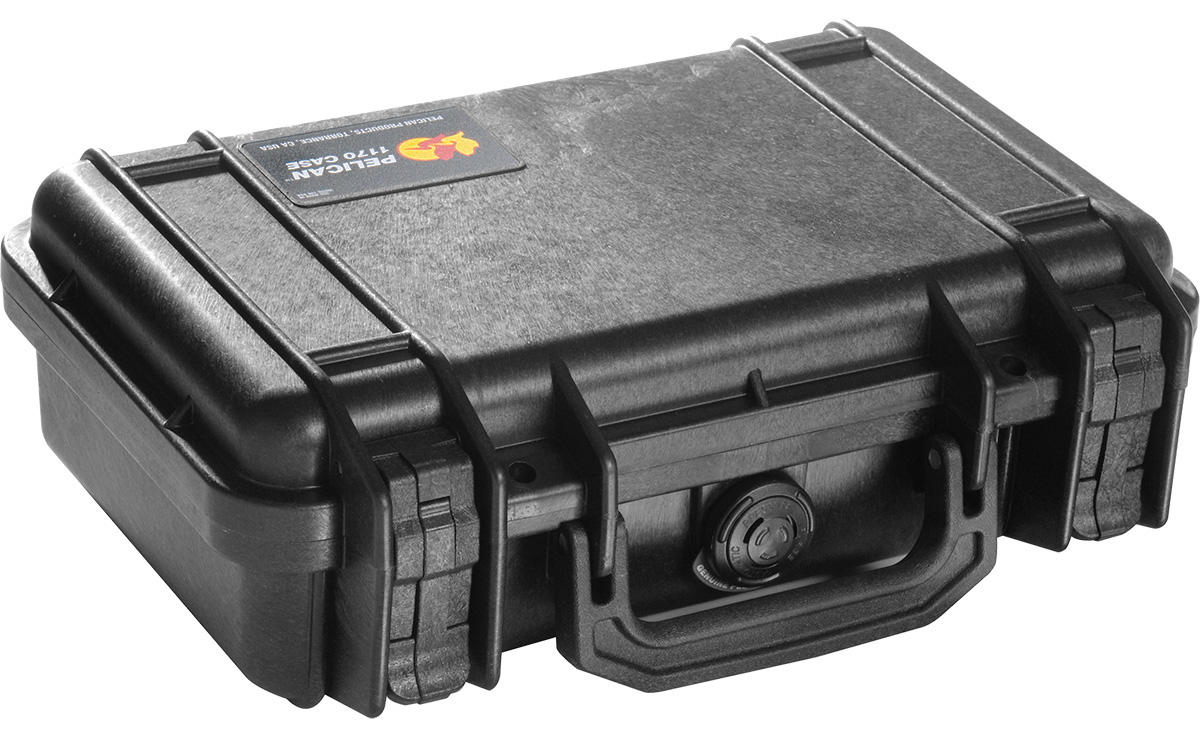
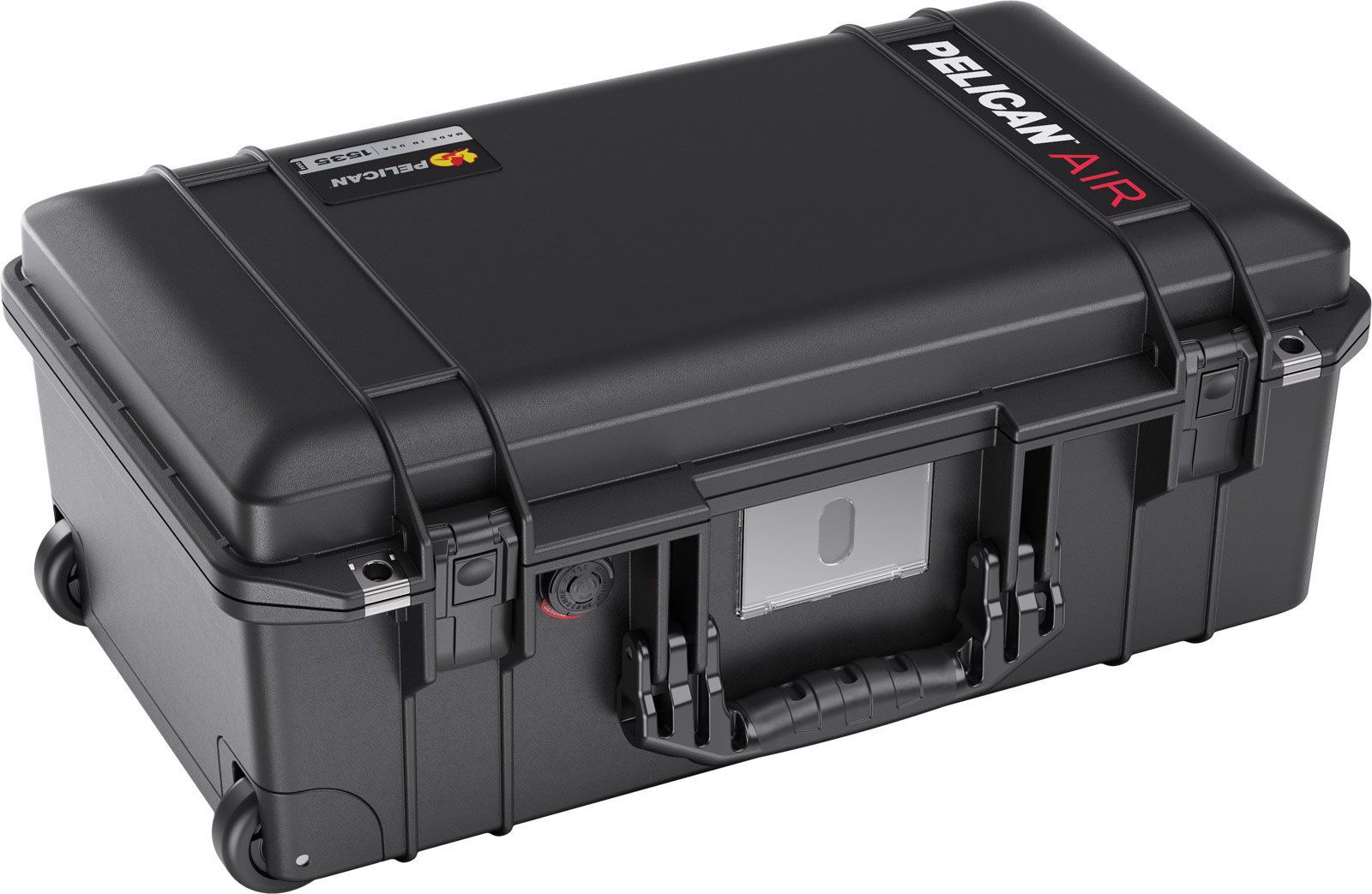
Hard gun cases are rigid protective containers for transporting and storing handguns, rifles, and shotguns. Their outer shells help shield firearms from impact, abrasion, and pressure, while interior padding limits movement and separates the firearm from hard surfaces. Compared with a soft-sided bag, a hard case provides a more structured enclosure, particularly useful when gear shares space with range equipment, luggage, or other cargo. Protection varies by construction: a rigid shell does not automatically mean a case is waterproof, dustproof, or suitable for every type of travel. Those qualities depend on the complete design, including the lid seal, hinges, latches, and any stated testing or ratings. Common shell materials include molded polymers and aluminum, each with practical differences in weight, rigidity, finish, and maintenance. Polymer shells can offer a useful balance of toughness and manageable weight, while aluminum construction typically combines rigid panels or framing with reinforced edges. Material alone does not determine durability; corners, hinge attachments, handle mounts, and closure hardware all contribute to how a case holds up through repeated use. A case carried from a vehicle to a shooting bench encounters different demands from one that travels through baggage handling or accompanies equipment to frequent training sessions. For either routine, a dependable enclosure keeps the firearm contained and its protective lining properly positioned. Surface scuffs may be cosmetic, but cracks, bent hardware, loose hinges, or latches that no longer engage evenly can affect function. Hard gun cases also provide an organized place for equipment between outings, helping prevent exposed sights, controls, and finishes from rubbing against neighboring gear. Their value comes from matching the enclosure to the firearm and the way it will be handled, rather than choosing solely by exterior appearance. For range visitors, hunters, competitive shooters, and collectors, that match can make packing, carrying, and unpacking more orderly while reducing unnecessary contact with the firearm.
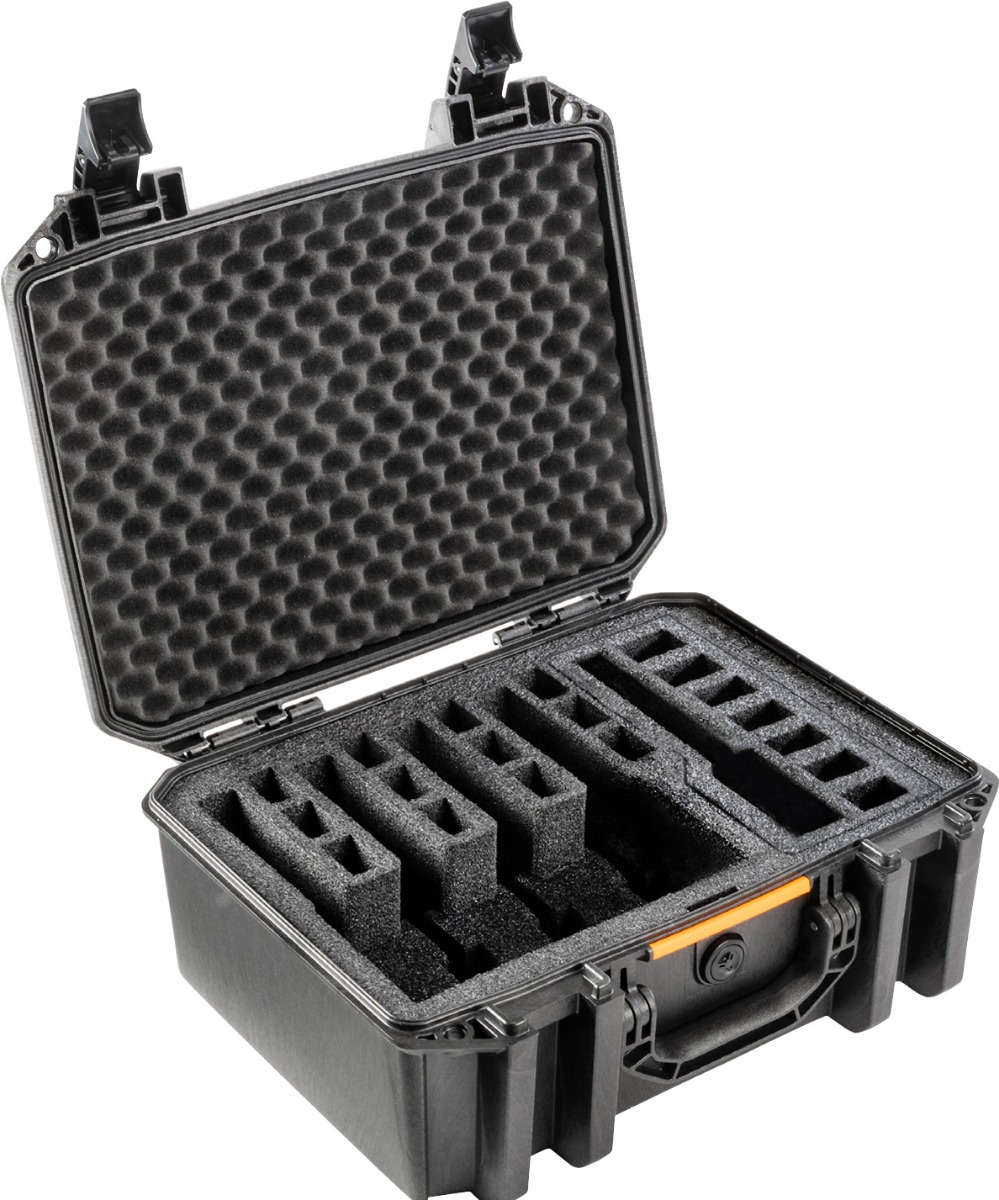
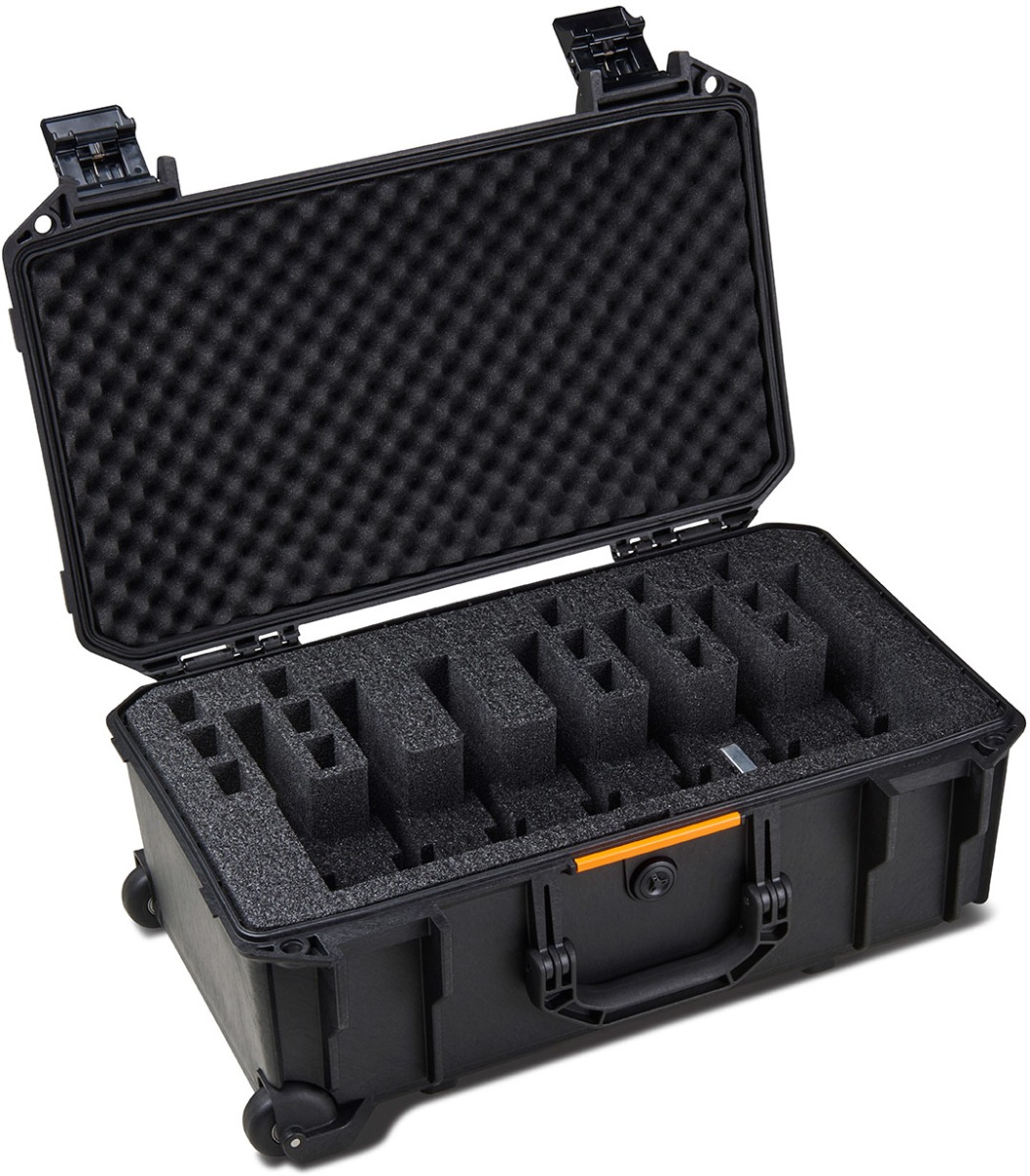
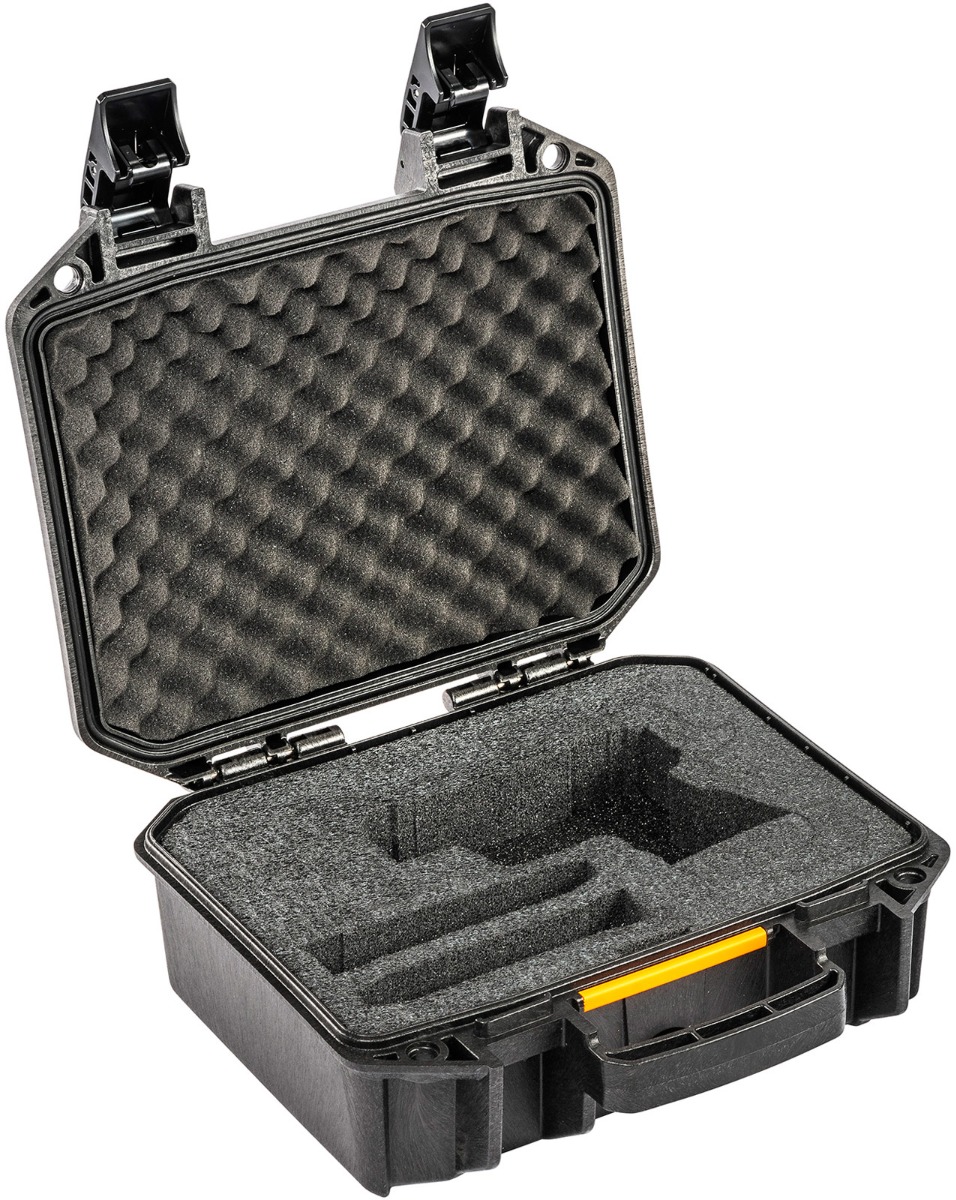
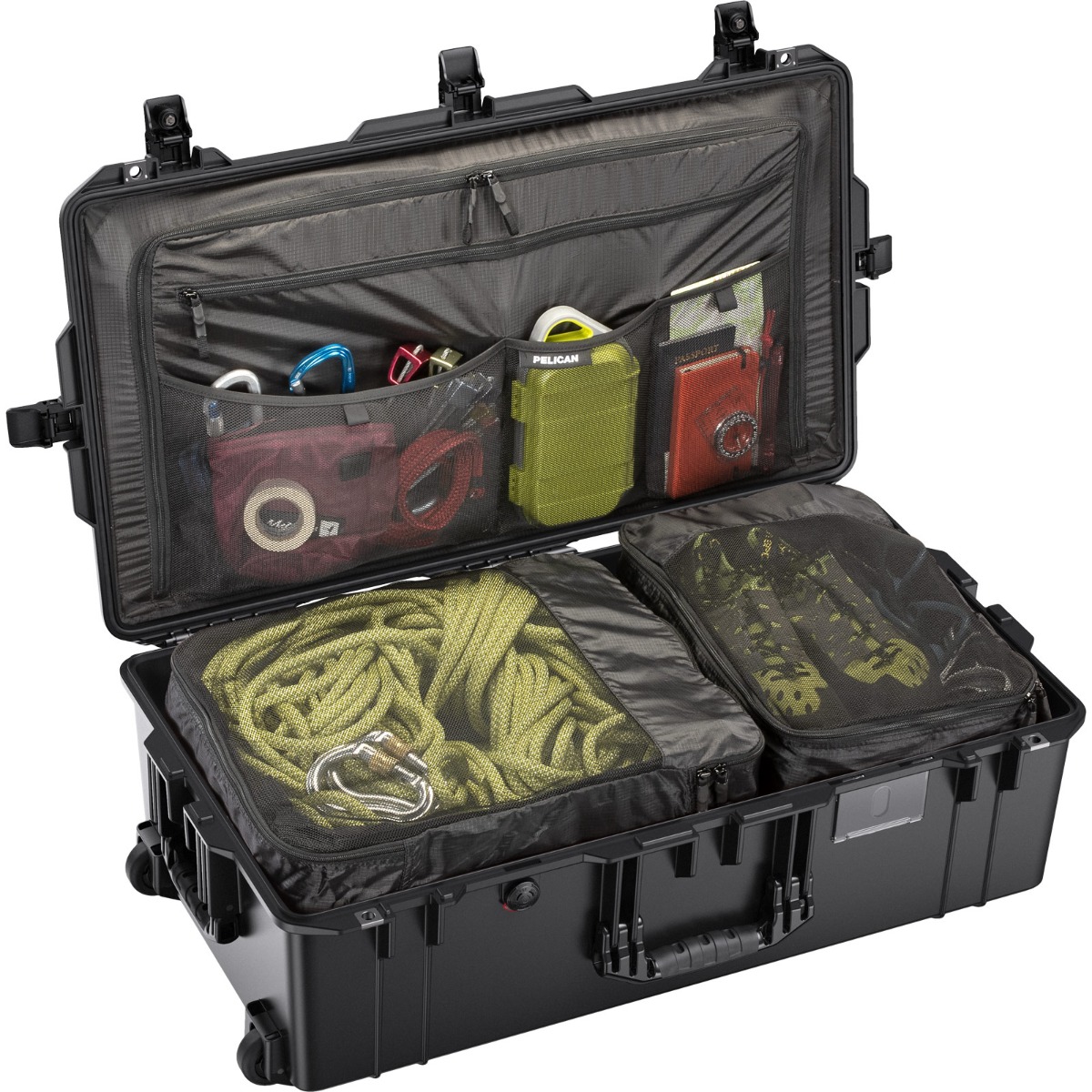
Fit is one of the most important distinctions among hard firearm cases, and interior measurements matter more than the apparent size of the shell. A handgun with a mounted optic needs a different interior profile from the same handgun without one, just as a rifle with a scope, bipod, or adjustable stock can require additional clearance. Overall length is only part of the equation; width, usable depth, and the shape of the padded interior determine whether the firearm rests comfortably without pressure on sights, turrets, controls, or other projecting components. Padding should support the firearm without forcing the lid closed. An enclosure that allows substantial movement can leave equipment shifting against its surroundings, while an overly tight fit can put stress on delicate accessories or interfere with an even closure. Foam options may include layered sheets, removable sections, or custom-cut inserts, with different advantages for changing equipment and maintaining a consistent layout. A fitted insert can establish a clear position for each component, while a more adaptable interior may better suit an owner whose range setup changes. Foam density and lining texture matter as well: cushioning needs to resist excessive compression, and surfaces in contact with the firearm should remain clean and free of grit. When multiple firearms or accessories share an enclosure, separate padded spaces help keep metal parts from touching. Organization also affects the carrying experience. A long case loaded unevenly can feel awkward even with a comfortable handle, and a deep case may be unnecessarily bulky for a compact setup. Handle placement, grip clearance, wheels, and the way the lid stays open can become noticeable details during an ordinary range visit. Exterior dimensions deserve attention too, especially when fitting a case into a vehicle cargo area or a designated storage space. The most practical hard gun case balances protective clearance with an overall footprint that works for the owner's regular routine.
Lockable Gun Cases combine a protective enclosure with provisions for restricting access, but closure design deserves the same attention as shell strength and interior fit. Some cases have reinforced openings for separate locks, while others use integrated locking hardware. The placement and construction of those features affect how securely the lid stays closed and how conveniently the case can be handled. A transport case is not automatically equivalent to a dedicated firearm safe, and a lock alone does not establish compliance with every storage or travel requirement. Firearms should be unloaded before being placed in a case, handled according to their manufacturer's instructions, and secured against unauthorized access. Airline policies and applicable laws can impose additional requirements, so the case and locking arrangement need to suit the actual trip rather than assumptions based on appearance. Routine care supports the protection a hard case provides. Dust and grit around a seal can interfere with closure, while debris in the lining can rub against a firearm's finish. Shells, handles, hinges, and latches benefit from regular inspection and cleaning consistent with the case manufacturer's directions. Interior padding should be clean and dry before equipment is enclosed; a sealed shell can retain moisture already present inside, and foam should not be treated as a substitute for appropriate firearm maintenance. Long-term storage calls for attention to humidity and periodic inspection rather than leaving equipment packed indefinitely. These practical details also make hard gun cases thoughtful gifts for someone who regularly visits a range, participates in shooting sports, or transports a firearm for lawful recreation. Knowing the recipient's firearm dimensions and preferred setup is more useful than guessing from the exterior style. A well-matched case becomes part of a familiar routine: designated spaces for equipment, a balanced carry from the vehicle, and a secure place to pack everything after the session. That everyday usefulness is what gives durable construction, supportive padding, and reliable closures lasting importance.