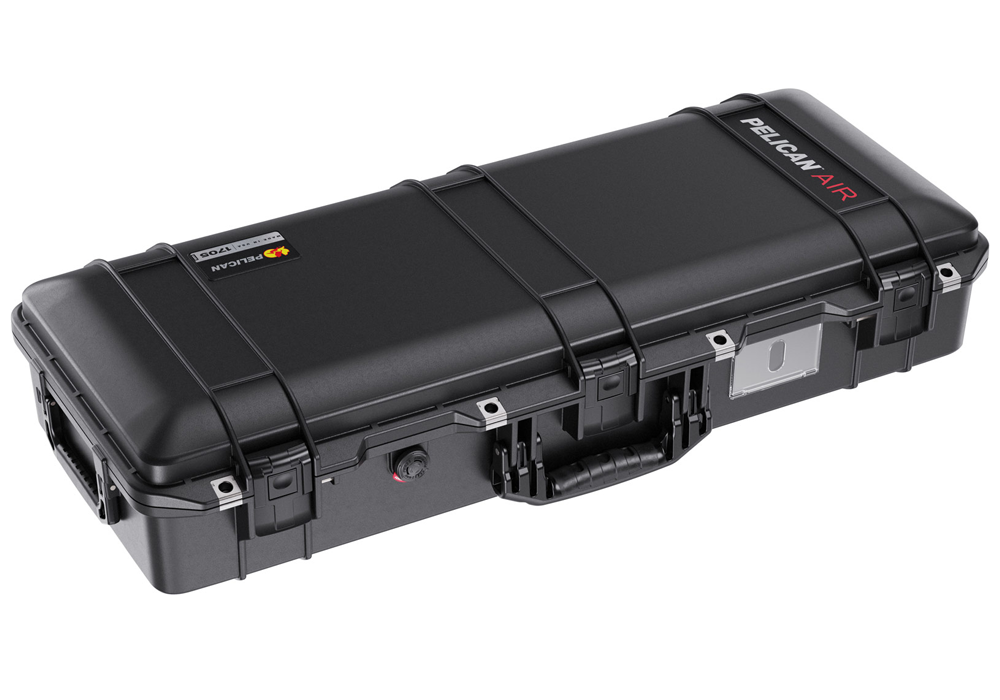
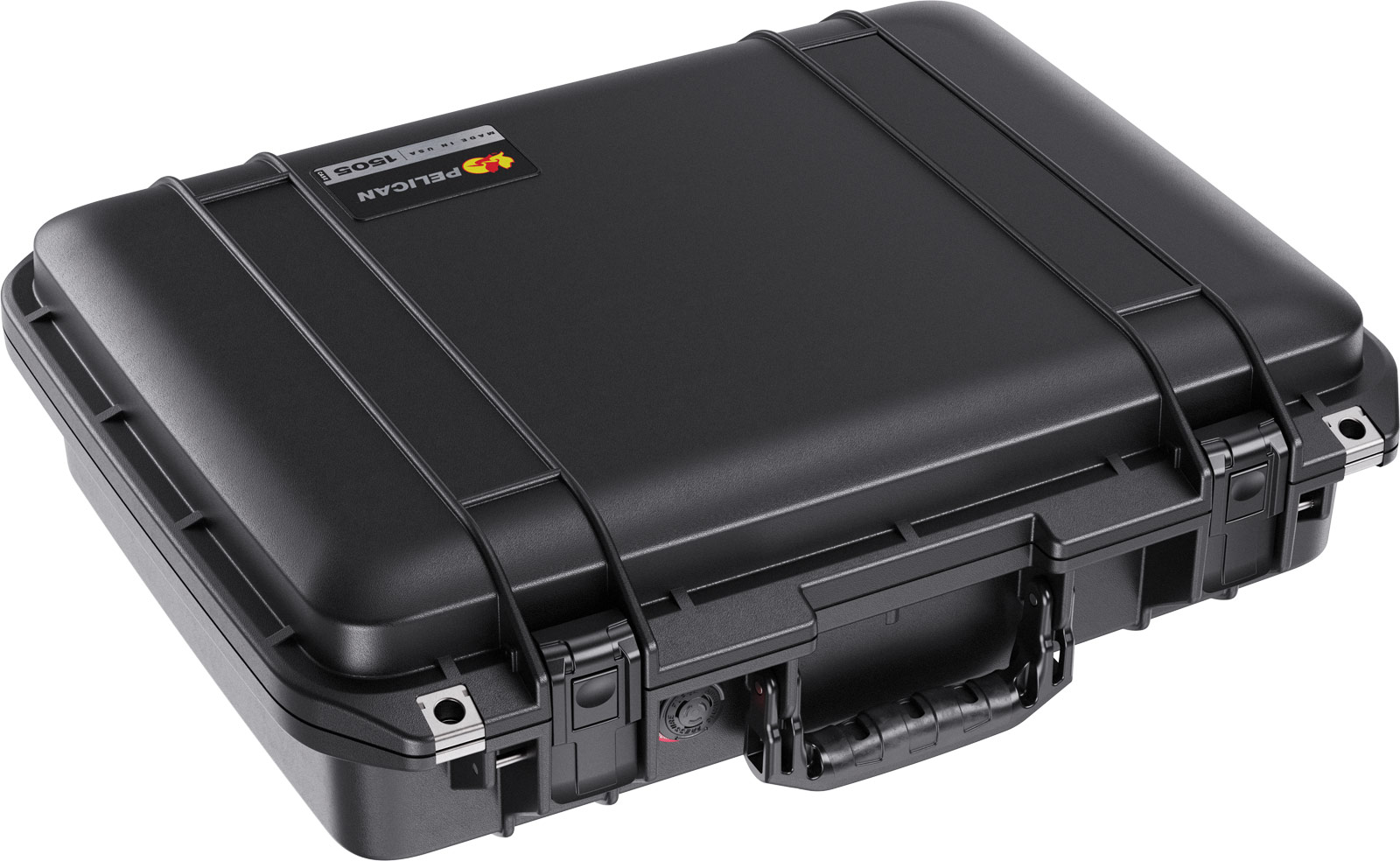
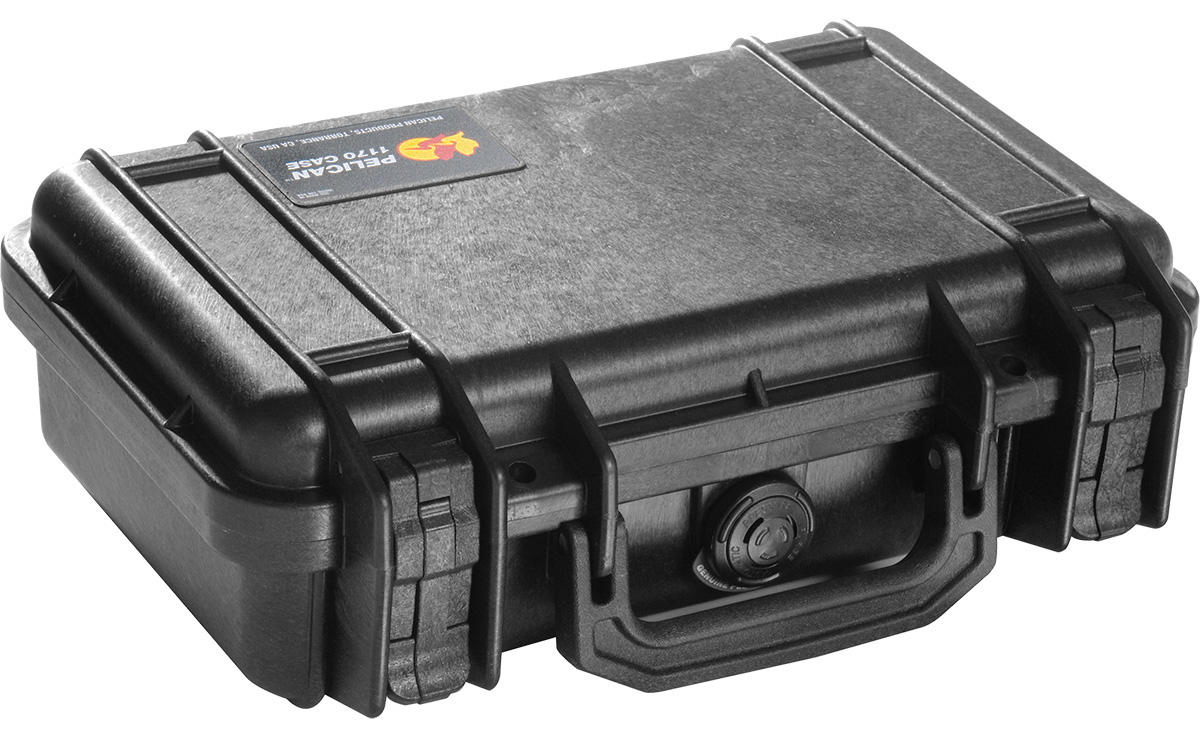
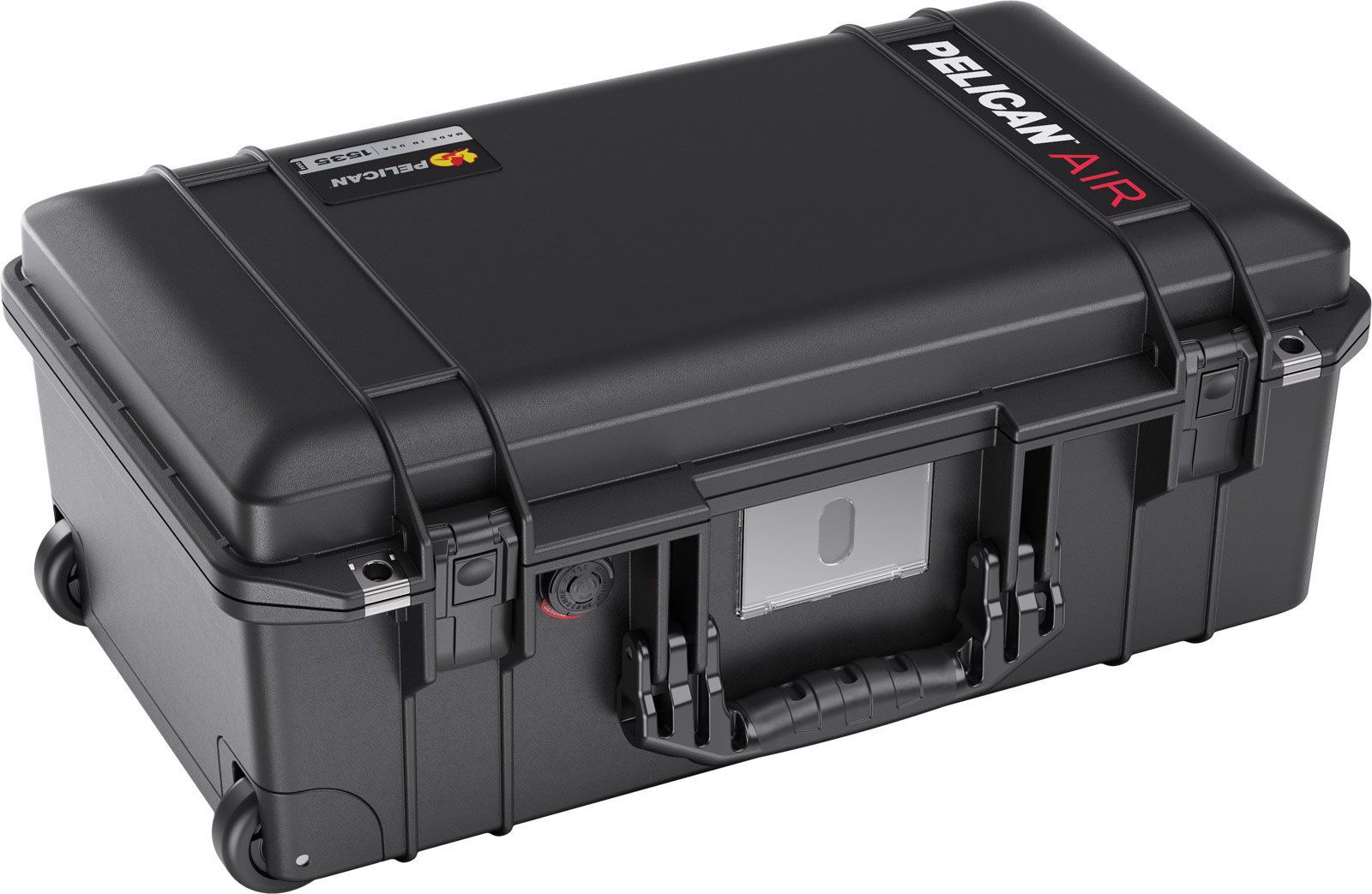
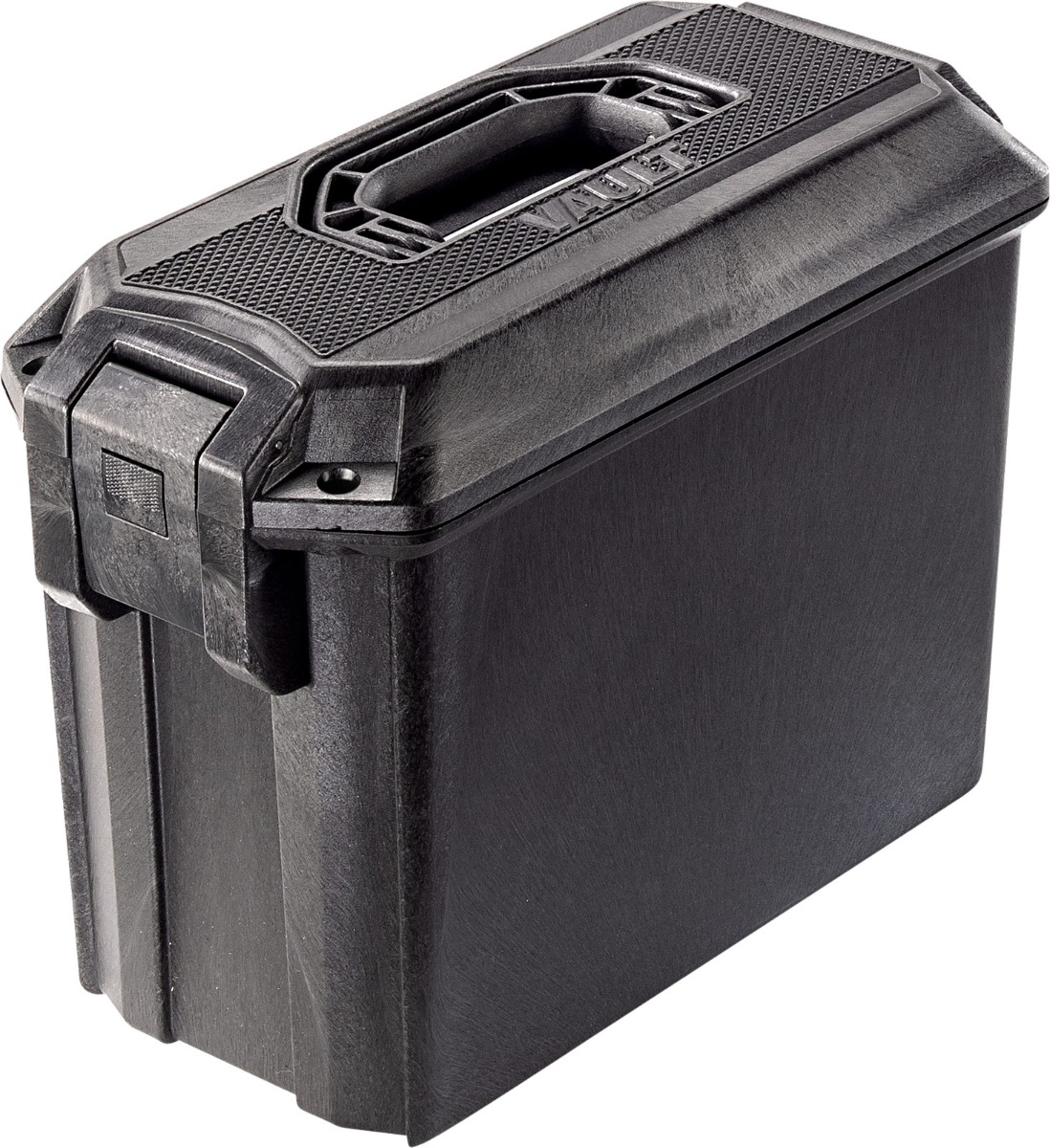
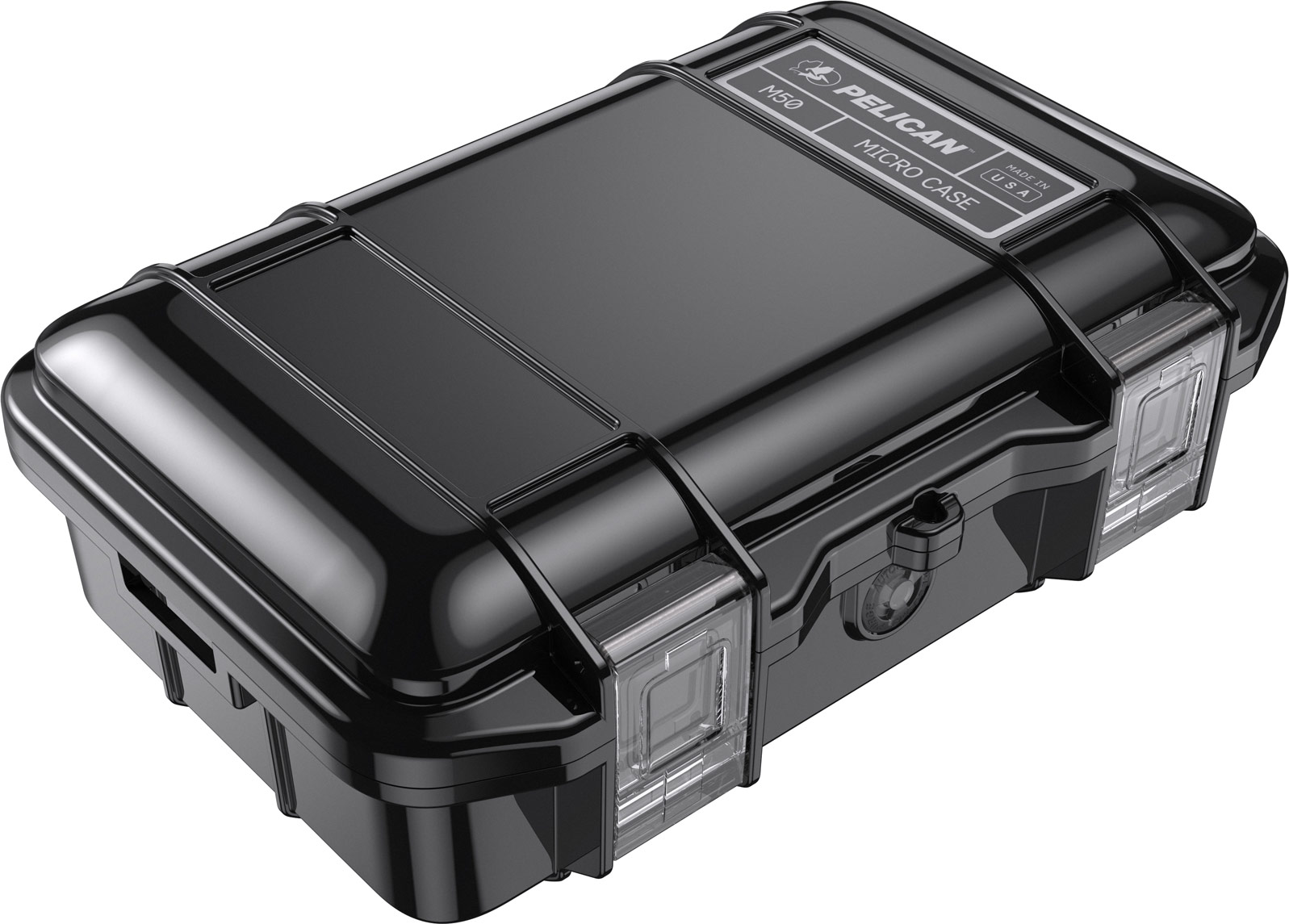
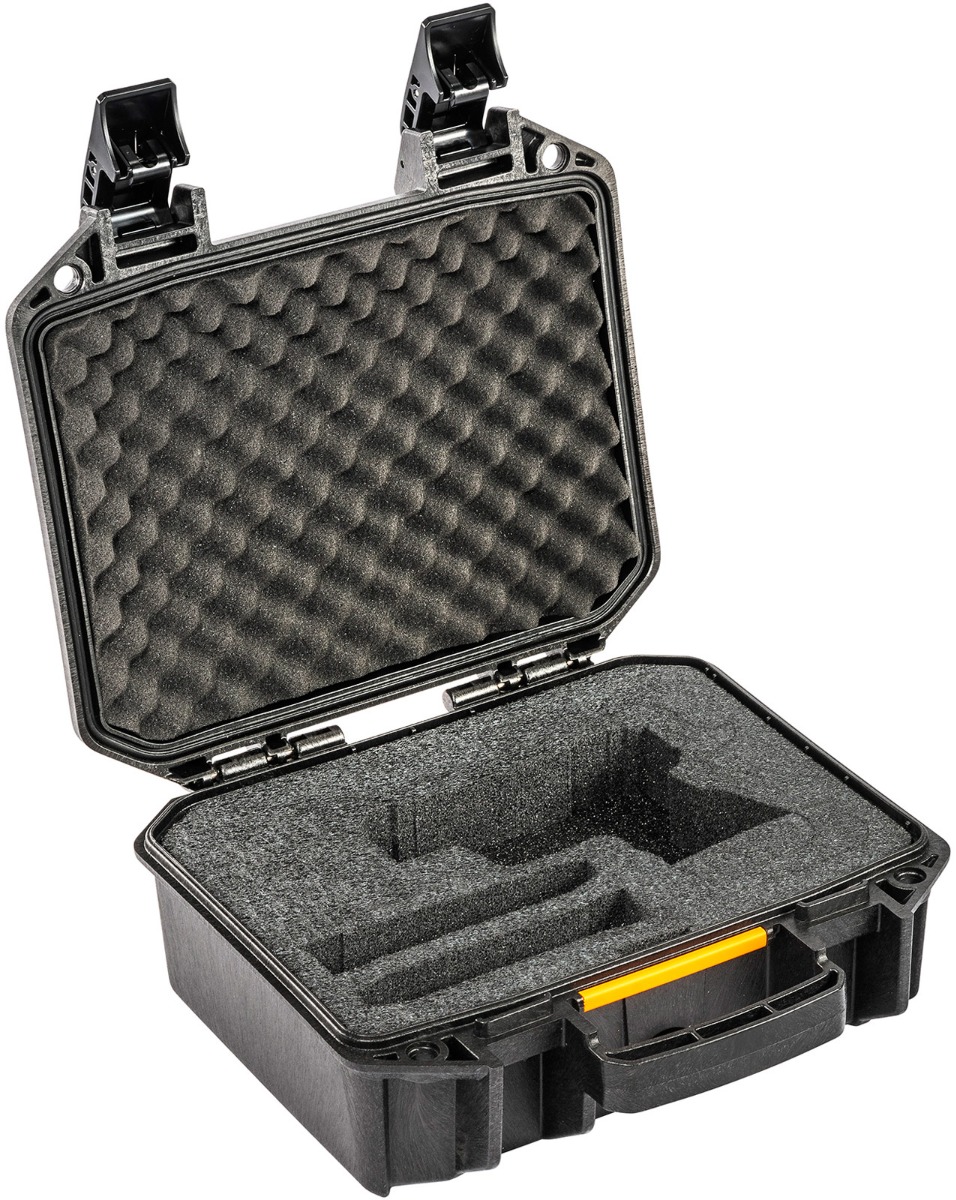
Small gun cases give handguns a dedicated place during transport and between range visits, with a compact footprint that fits naturally into a larger range bag or a secure storage setup. Their appeal is straightforward: a firearm stays separate from loose accessories, finishes have a buffer against everyday contact, and essential gear is easier to organize. Compact does not have to mean bare-bones. A thoughtfully designed case can balance protective padding, practical handles, dependable closures, and enough interior room for the firearm’s actual dimensions without becoming cumbersome to carry. Soft-sided styles often use woven synthetic fabrics with padded panels, offering a flexible profile that works well inside another bag. Rigid designs use a firm outer shell to help resist compression, while interior foam or fitted padding cushions contact points. Neither construction is automatically the better choice; the intended routine matters more than the silhouette. A shooter walking from a vehicle to a range bench may appreciate a lightweight zippered case that opens flat, while someone transporting equipment alongside other bags may prefer a shell that holds its shape under pressure. Fabric weight, seam reinforcement, zipper construction, and handle attachment all influence how a case feels after repeated use. Smooth interior linings can help limit surface abrasion, and a well-supported handle is easier to manage when a case contains more than the handgun alone. An understated exterior can also keep the overall setup visually simple, without unnecessary bulk or decoration. Small pistol cases are especially useful for recreational shooters, people attending supervised training, and owners who want a consistent way to organize an unloaded handgun for lawful transport. They also suit anyone who prefers keeping individual firearms in separate protective enclosures rather than allowing them to shift together in a larger bag. The result is a more orderly routine, whether the destination is a familiar shooting lane, an instructional session, or another location where firearm possession and transport are permitted.
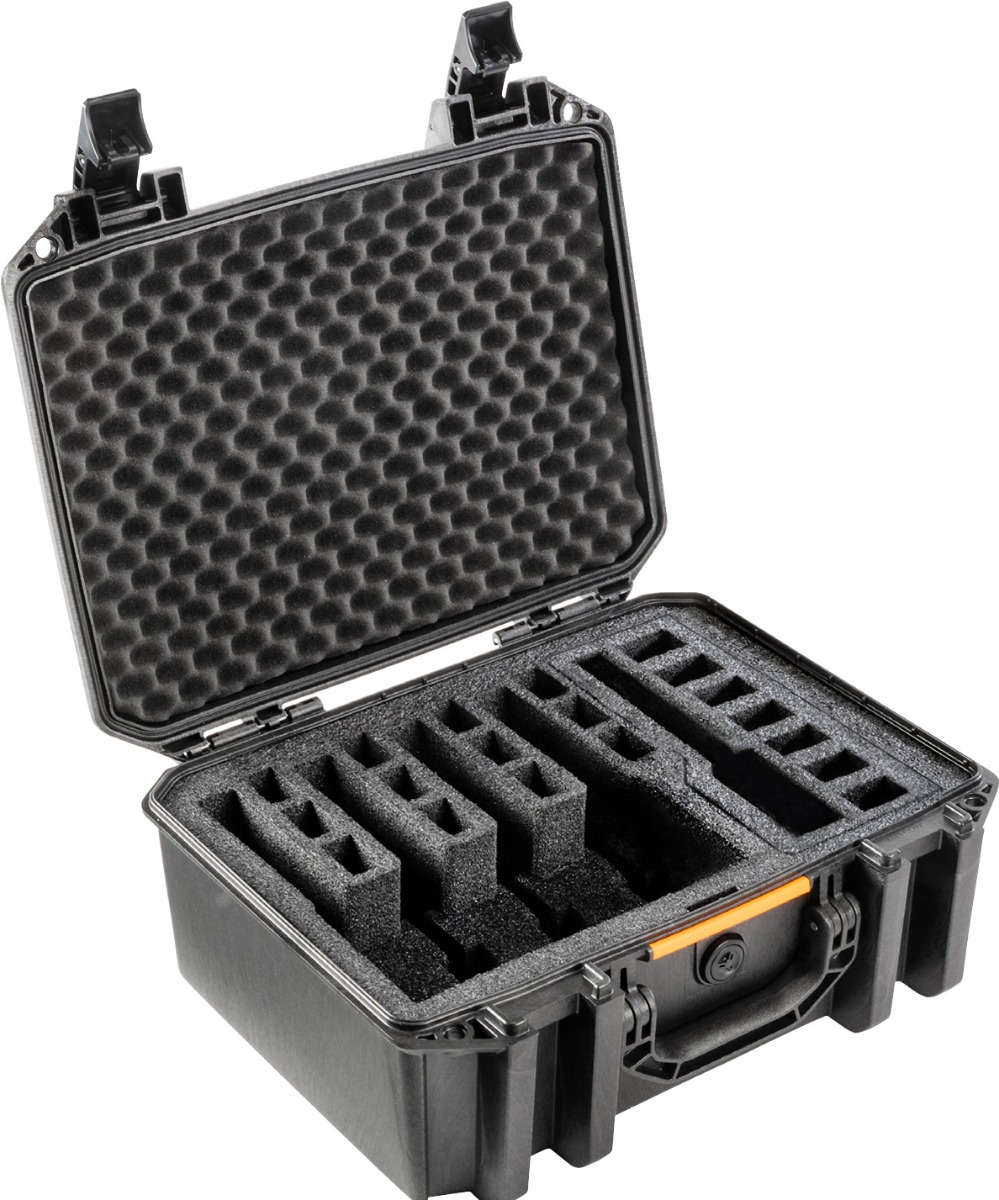
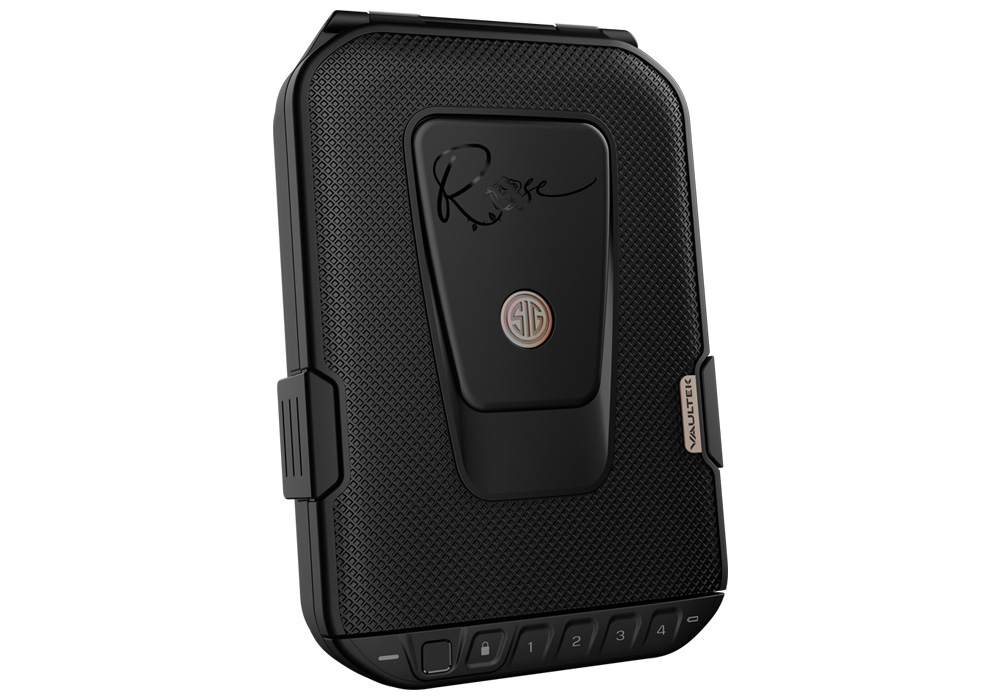
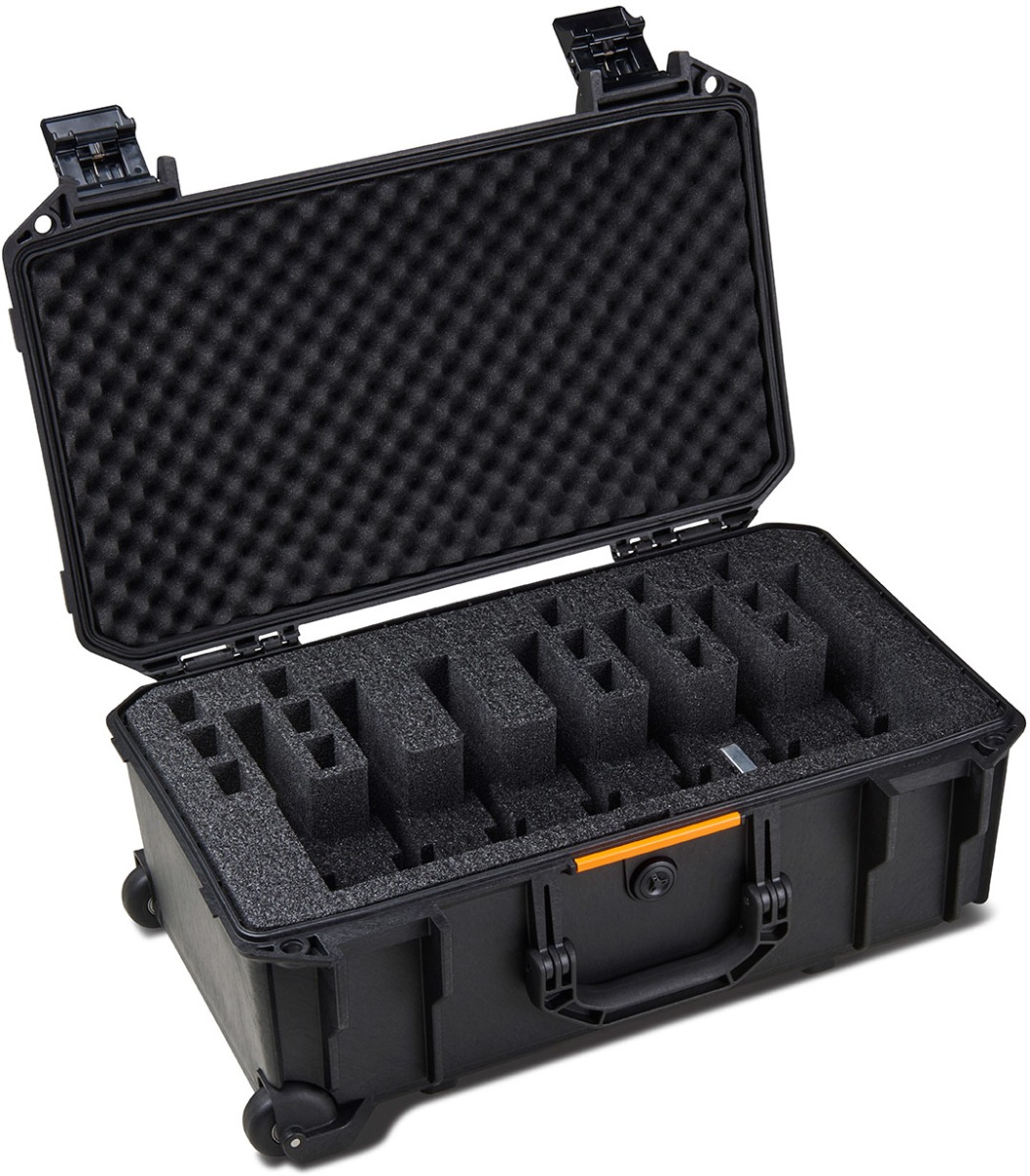
Fit is the detail that determines whether a compact case is genuinely practical. Exterior measurements describe how much room the case occupies, but usable interior dimensions reveal whether the handgun rests comfortably inside. Overall length, grip height, slide width, and the shape of any attached accessories can all affect that fit. A pistol with taller sights or a mounted optic may need additional clearance even when its frame fits easily within the case’s length. Padding should support the firearm without requiring the closure to press firmly against sights, controls, or other projecting parts. A case that closes only when forced is unlikely to provide the same convenient everyday experience as one with appropriate clearance. At the other extreme, an oversized interior can allow unnecessary movement unless the padding or retention system keeps the contents in place. Foam inserts, padded dividers, and interior straps offer different approaches to organization, and their usefulness depends on how frequently the setup changes. Someone using the same handgun for regular practice may prefer a consistent fitted arrangement, while a shared case for different unloaded handguns may benefit from a more adaptable interior. Accessory pockets can keep spare magazines, a chamber flag, or small maintenance supplies from resting directly against the firearm, provided those compartments are suited to the contents. Comparing compact soft-sided designs with Hard Gun Cases can help clarify the differences between flexible portability and a more structured enclosure. Closure details deserve similar attention. Zippers should move smoothly around corners, latches should engage positively, and any locking provisions should match the intended use. A lockable carrying case is not automatically a replacement for dedicated secure firearm storage, nor does a particular closure establish compliance with every transport rule. Firearms should be unloaded for transport, protected from unauthorized access, and handled according to applicable laws and the firearm manufacturer’s instructions. Airline travel and other regulated settings can involve additional requirements for the case, locks, ammunition, and handling procedures.
Long-term satisfaction with a small gun case often comes down to details that become noticeable only after repeated range trips. Reinforced corners help support areas that rub against surrounding gear, while neatly finished seams are less likely to snag during packing. Handles positioned close to the case’s balance point can make carrying more comfortable, and zipper pulls that are easy to grasp simplify opening and closing without tugging on the surrounding fabric. Interior construction matters just as much. Padding that stays in position helps maintain a predictable fit, and removable inserts can make it easier to clear debris from the bottom of the case. Care is generally straightforward, but it should follow the case manufacturer’s recommendations rather than assumptions about the material. Fabric exteriors may tolerate gentle surface cleaning, while rigid shells can often be wiped with a soft cloth; adhesives, foam, and linings may respond differently to cleaning chemicals. Any moisture remaining after cleaning should be allowed to dry fully before the case returns to use. A few grains of grit caught in a seam or beneath an insert can create unnecessary abrasion, so a clean interior supports the protective purpose of the case. Solvents and oils belong in suitable containers and separate compartments, not soaking into the padding surrounding a firearm. Periodic attention to stitching, hinges, latches, and zippers can reveal wear before it becomes an inconvenience at the range. For a gift, a small gun case can be a useful choice for an adult firearm owner celebrating a birthday, completing a training milestone, or refining an established range setup. The most thoughtful selection reflects the recipient’s handgun dimensions, accessory configuration, and preferred carrying routine rather than appearance alone. A slim profile, comfortable handle, and well-organized interior can make an ordinary trip feel noticeably less cluttered. With an appropriate fit and construction suited to its intended use, a compact case becomes a practical part of responsible firearm ownership: protective, manageable, and easy to incorporate into a consistent routine.