Single Pistol Cases

Shop single pistol cases for storing and transporting one handgun. Keep your pistol’s dimensions and storage needs in mind as you compare cases for use at home or on trips to the range.

per page
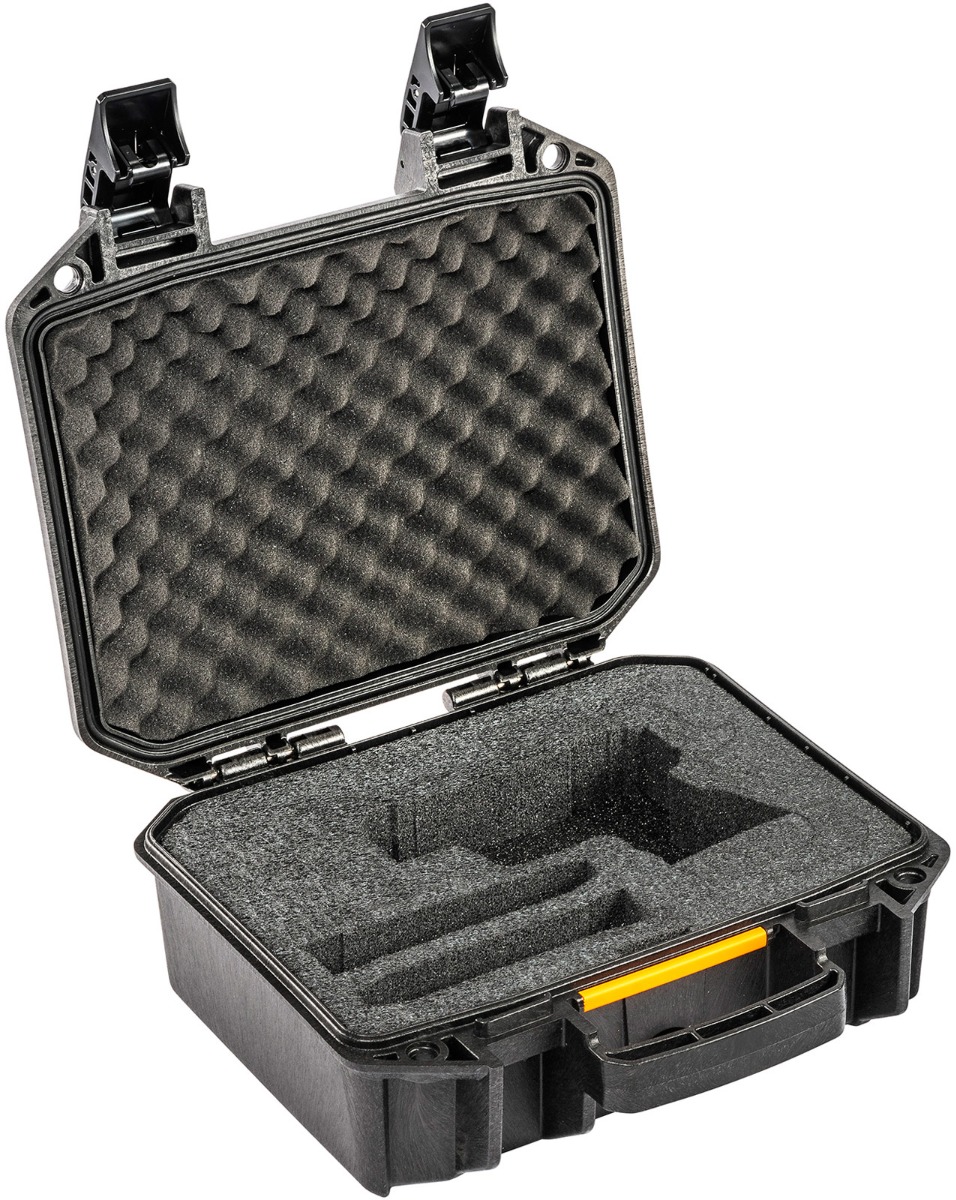
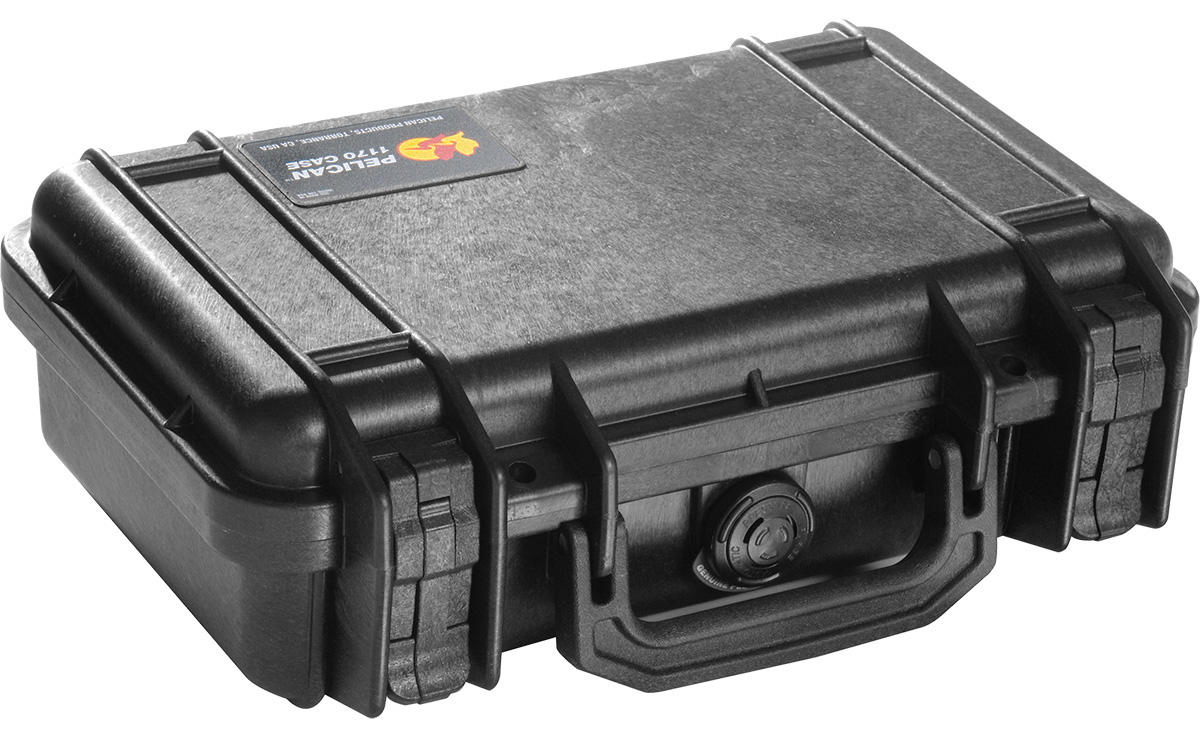
Single pistol cases protect, store, and transport one handgun, with some designs also providing separate compartments for magazines and small accessories. The two main styles are soft pistol cases, which use padded fabric shells, and hard pistol cases, which use rigid shells with cushioned interiors. Both help keep a handgun contained and separated from other gear, but their construction suits different routines. A slim, zippered soft case can fit neatly inside a larger range bag, keeping the pistol’s finish away from loose tools, buckles, and other equipment. A hard case offers a more structured enclosure that helps resist compression when equipment is stacked around it. Materials such as woven nylon and polyester are common in soft cases, while rigid polymer shells are common in hard cases. Within either style, the lining matters as much as the exterior: smooth fabric, supportive padding, and properly fitted foam help limit rubbing and movement. A case should accommodate the handgun’s actual dimensions rather than simply matching a broad size description. Slide length, grip height, frame width, and any attached optic or light can affect how comfortably the firearm sits inside. A compact pistol can shift around in an oversized compartment, while a tight case can press against sights, controls, or accessories and put unnecessary strain on the closure. Useful interior space includes room for the handgun to rest naturally without forcing the zipper, lid, or latches shut. For range practice, organized storage, or transport to a training session, a well-proportioned single handgun case keeps the setup focused on one firearm instead of adding the bulk of a larger equipment carrier. That simplicity appeals to newer owners building a manageable range routine and experienced shooters who prefer a separate case for each handgun. It also makes the case easier to place on a bench or inside a larger bag without disturbing the rest of the equipment.

Construction details become especially noticeable with repeated use. On a soft pistol case, closely spaced stitching, reinforced handle attachments, covered seams, and padding that extends around the edges all contribute to a more dependable carrying experience. A zipper should travel smoothly around corners without catching the lining, and its opening should allow access without scraping the handgun against exposed hardware. Exterior pockets can keep small accessories organized, but separate compartments work best when their contents do not press directly against the firearm. On a hard pistol case, shell rigidity, hinge construction, latch engagement, and the fit between the lid and base help determine how the enclosure handles everyday transport. Foam interiors may use a fixed profile, removable sections, or layered padding; whichever arrangement is present, support should be distributed without placing concentrated pressure on an optic, sight blade, or control. Foam is not automatically interchangeable between handguns, and a fitted interior may need reassessment after accessories change. A pistol fitted with a taller sight system or a mounted light can require more clearance than the same handgun in its original configuration. The relationship between a case and a holster deserves similar attention. Holsters For Pistols serve a different purpose from protective cases, and room for a handgun alone does not necessarily mean room for that handgun inside a holster. Interior measurements and the shape of the complete setup are more useful than exterior dimensions when evaluating fit. Locking features also vary: zipper pulls with lock openings, reinforced locking points, and integrated locks are distinct arrangements, not equivalent security claims. A lockable carrying case is not automatically a firearm safe or an approved container for every travel situation. Applicable laws and carrier requirements can differ, so storage and transportation arrangements should reflect the requirements of the intended trip. A comfortable handle, a balanced shape, and closures that remain accessible when the case sits inside another bag can matter just as much as an extra pocket during a regular range routine.

Care helps preserve both the case and the equipment it carries. Fabric exteriors benefit from routine removal of dust and grit, especially around zipper tracks, seams, and handle attachments. Loose particles inside a padded compartment can rub against a handgun’s finish during transport, so an interior that is easy to inspect and clean offers a practical advantage. Cleaning methods should follow the case manufacturer’s instructions, since aggressive solvents, abrasive brushes, and unsuitable detergents can affect coatings, padding, adhesives, or shell surfaces. Hard shells generally allow straightforward exterior wipe-downs, but hinges, latch recesses, and foam still need attention. Damp liners or foam can hold moisture against metal surfaces; a case and its interior should be clean and fully dry before storage. Protective padding does not replace the firearm’s recommended maintenance, and a transport case should not be assumed suitable for unattended, long-term firearm storage. Firearms should be unloaded before being placed in a case, handled according to the manufacturer’s safety instructions, and secured against unauthorized access. Any ammunition carried with the equipment should be stored and transported in accordance with applicable requirements. Beyond protection, a single pistol case can support a more orderly routine: a dedicated compartment keeps the handgun separate, an accessory pocket gives a magazine a consistent place, and a clearly arranged interior makes forgotten equipment easier to notice before leaving for a practice session. For a recreational shooter, training participant, or handgun owner who values organized equipment, those everyday details often matter more than an elaborate exterior. A case can also be a thoughtful gift when the recipient’s handgun dimensions, accessory setup, and transport preferences are known. The most useful choice complements an established routine, whether that means a lightweight padded pouch inside a range bag or a rigid enclosure carried on its own. Durable materials, appropriate fit, manageable weight, and straightforward care give single pistol cases their lasting value as practical firearm accessories.

FAQ

Related Pages

Compare Products
Items
Launch Compare

Zip Code Verification

Some localities have legal restrictions on products which requires the validation of your ZIP code

Age Verification

Some localities have legal restrictions on products which requires the validation of your age