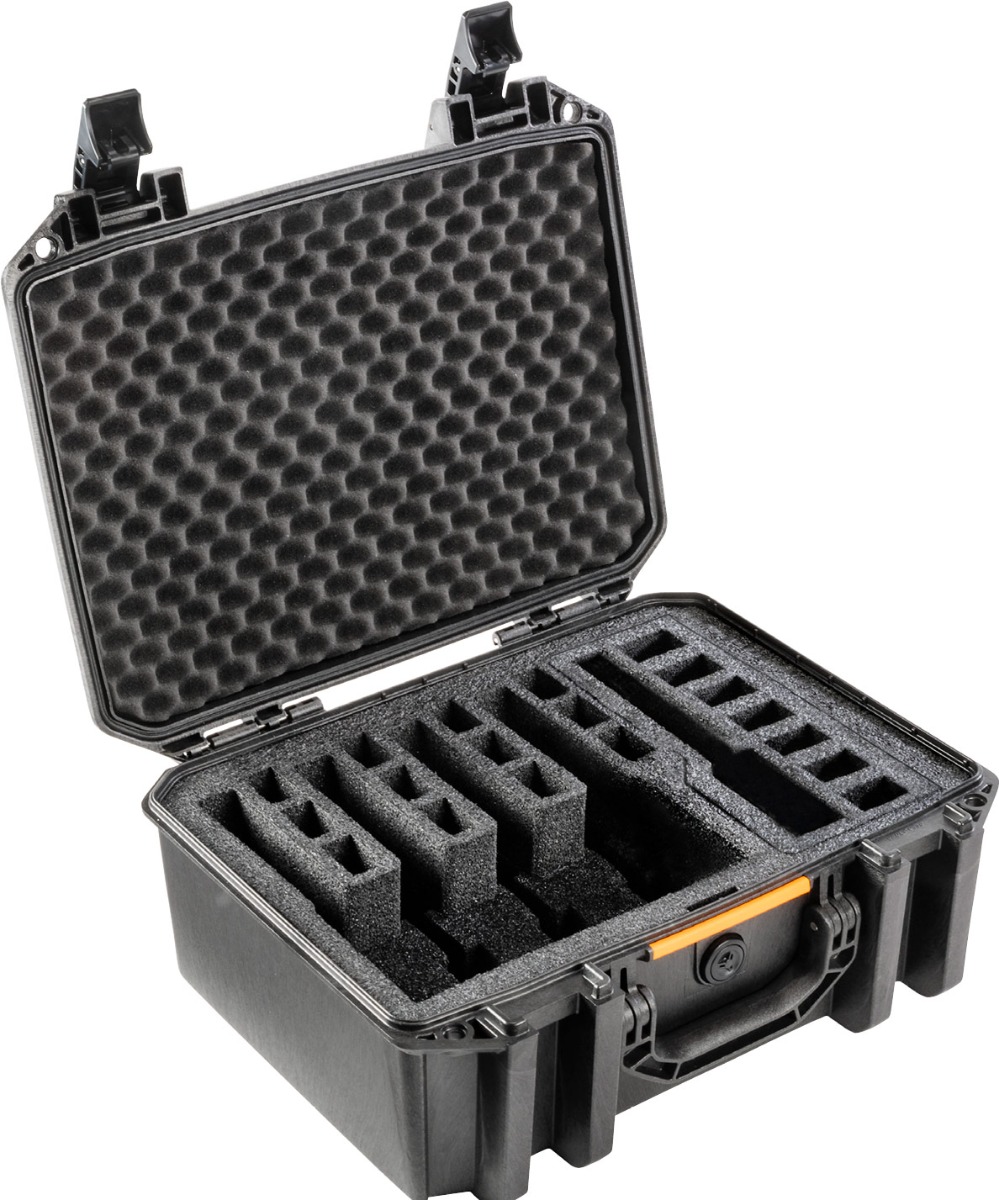
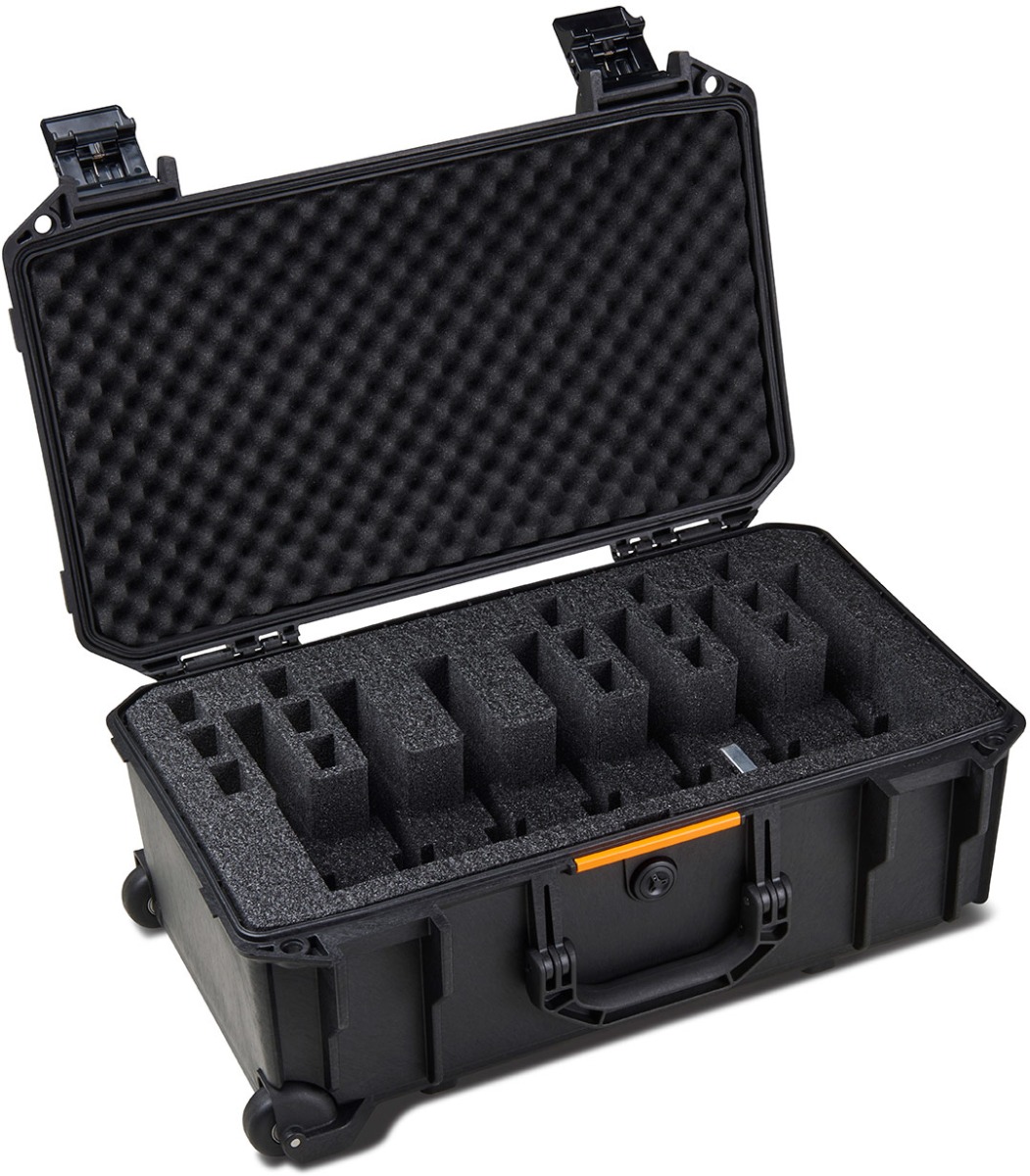
Pistol safes and storage solutions help create a deliberate, dependable place for a handgun when it is not in use. The right choice depends on where the firearm will be kept, who may be able to reach it, how quickly an authorized user may need access, and whether the safe must remain in one location or travel. A bedside safe can provide convenient access during overnight hours while keeping the pistol secured from children, guests, and other unauthorized users. A compact lock box may be better suited to transport, range days, or storage inside a vehicle when permitted by applicable law. For a larger collection, a dedicated cabinet or safe can organize multiple firearms and accessories in one controlled area. As you compare Pistol Safes & Storage options, consider the safe’s interior dimensions, door clearance, padding, mounting points, lock location, power source, and overall construction rather than focusing on appearance alone. A standard-capacity compartment may be ideal for one pistol and a small number of essential accessories, while an extended-capacity model can offer room for additional firearms or organized storage as needs change. Keep in mind that a safe should fit the intended firearm without forcing the slide, sights, optic, or other components against the walls. It should also be simple enough to operate consistently in low light and under stress. Biometric locks can allow access through a registered fingerprint, digital keypads use a programmed code, and mechanical push-button locks operate without batteries. Keyed locks and cable-secured cases offer another practical option, particularly for straightforward transport or secondary storage. Each system has advantages, so think about the habits of the person who will use it: someone who prefers minimal maintenance may value a mechanical lock, while another user may appreciate illuminated buttons or fingerprint access. Regardless of the lock style, set up the safe according to the manufacturer’s instructions, test it periodically, and keep backup keys or override information secured separately from the firearm.
Placement is just as important as the safe itself. For home storage, choose a location that is easy for authorized adults to reach but inaccessible to children, visitors, and anyone who should not handle the firearm. A nightstand, closet, or secured cabinet may be appropriate depending on the household layout, but the safe should not be left loose where it can be carried away. When possible, use the provided mounting hardware to secure it to a sturdy floor, wall, or piece of furniture, taking care to confirm that the anchor point is suitable and that installation does not damage wiring or plumbing. A small safe can be strong and well-built yet still vulnerable if a thief can simply pick it up and leave with it. Think of storage as a complete system: the lock controls entry, the mounting method helps prevent removal, and the location reduces opportunities for unauthorized access. Moisture control also deserves attention, especially during cooler months when condensation can form near exterior walls, in garages, or in vehicles moving between cold and warm environments. Store firearms clean and dry, avoid placing them in damp foam or leather cases for extended periods, and inspect metal surfaces occasionally for signs of corrosion. A desiccant product or humidity monitor may help in areas with changing moisture levels, but it should not replace routine inspection and maintenance. Keep ammunition stored in a manner consistent with local requirements and the ammunition manufacturer’s guidance, preferably separate from the firearm when appropriate. Do not rely on a lock box as a substitute for safe handling, and never store a loaded firearm unless doing so is lawful and consistent with the owner’s training, household rules, and safety plan. Before purchasing, verify local, state, and federal storage requirements, including any rules that apply when children or prohibited persons are present. For broader solutions that cover firearms beyond pistols, visit Gun Storage to explore additional storage considerations.
Pistol safes can also make thoughtful gifts for a new firearm owner, a first-time concealed carrier, a family member establishing a home range, or anyone upgrading an informal storage routine. The most useful gift is one that matches the recipient’s daily environment rather than simply offering the largest interior or most elaborate lock. Someone living in a compact apartment may appreciate a discreet, space-conscious safe that can be secured to furniture, while a homeowner with a dedicated storage room may benefit from a larger unit with adjustable organization. A traveler may need a portable case with reliable closure and room for the particular pistol, while a bedside user may place greater value on quiet, intuitive access. If the safe is intended for a gift, it can be helpful to consider whether the recipient uses optics, extended magazines, or a specific holster, since interior shape and clearance vary widely. Storage also becomes especially relevant as routines shift during the cooler seasons, when firearms may spend more time indoors, travel in vehicles for range visits, or remain stored for longer periods between outings. A few minutes spent arranging a secure storage area can prevent a rushed decision later: designate who may access the safe, confirm that the locking mechanism works as intended, identify a legal and responsible storage location, and establish a regular inspection schedule. Look for durable construction, smooth hinges, protected edges, dependable lock operation, and an interior that will not scratch the firearm during normal use. Pistol safes and storage products are not interchangeable with training or responsible ownership, but they are an important part of both. When selected thoughtfully and installed correctly, they help keep a firearm controlled, protected from avoidable damage, and ready for authorized handling when needed.