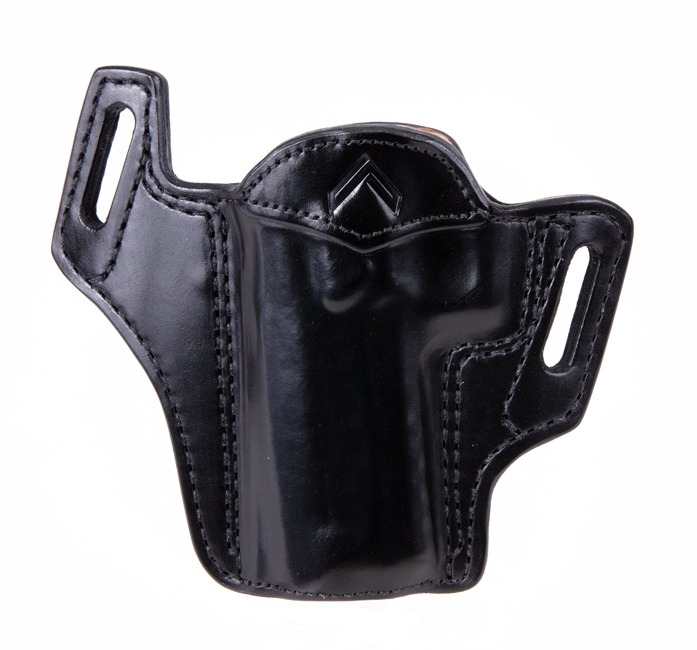
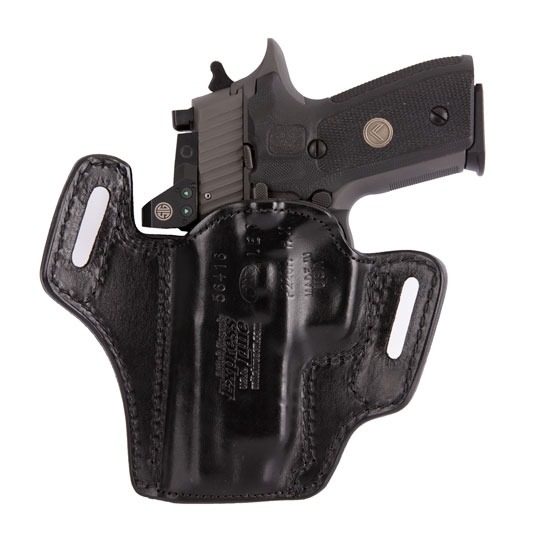
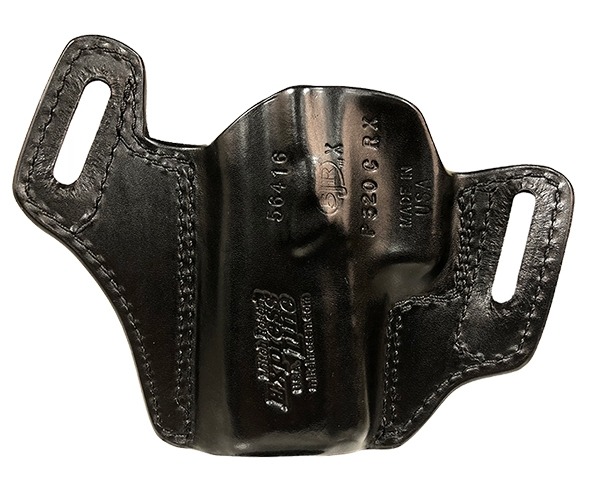
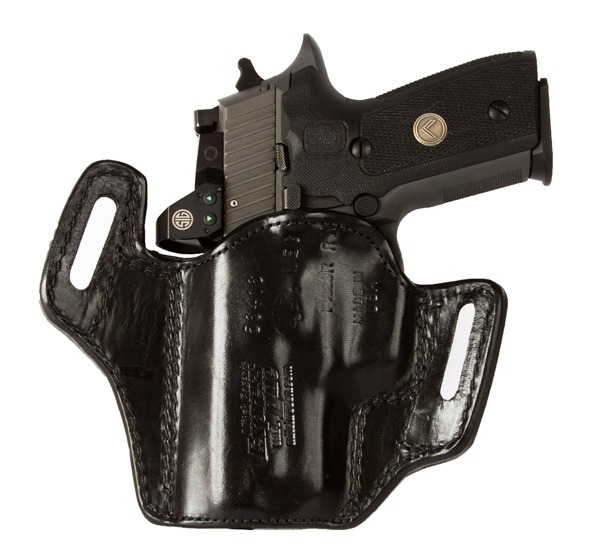
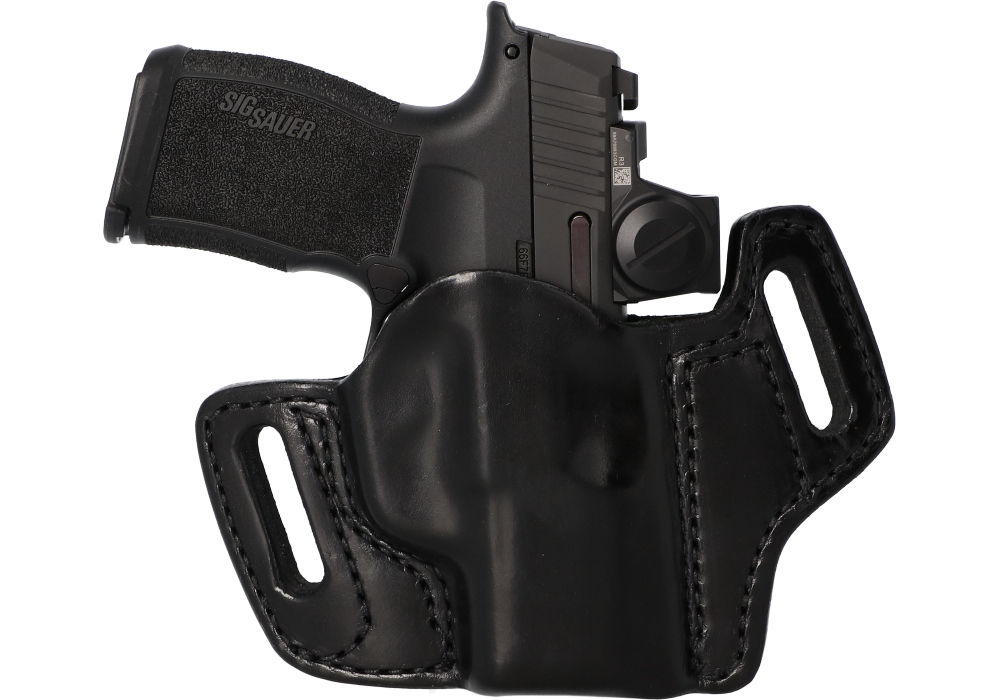
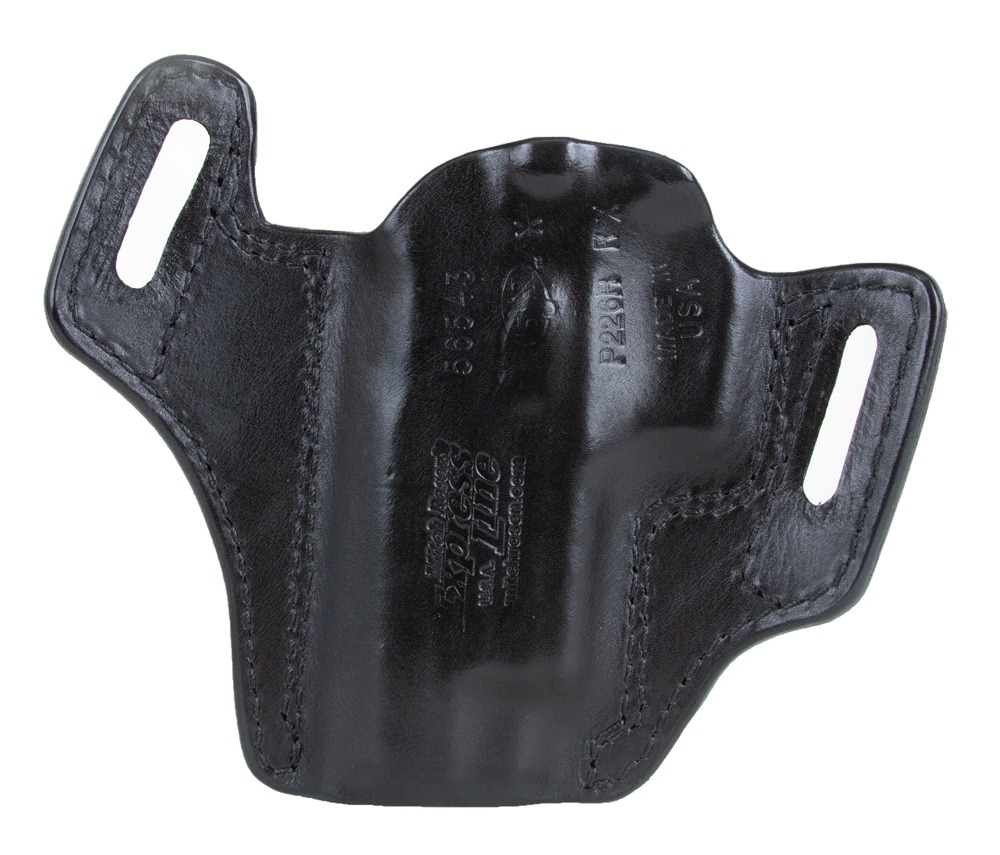
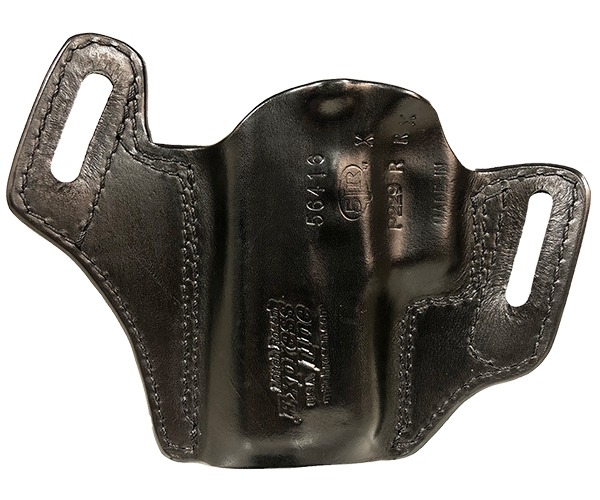
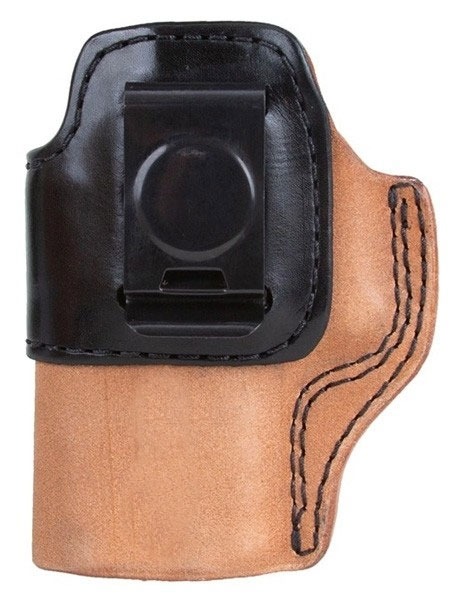
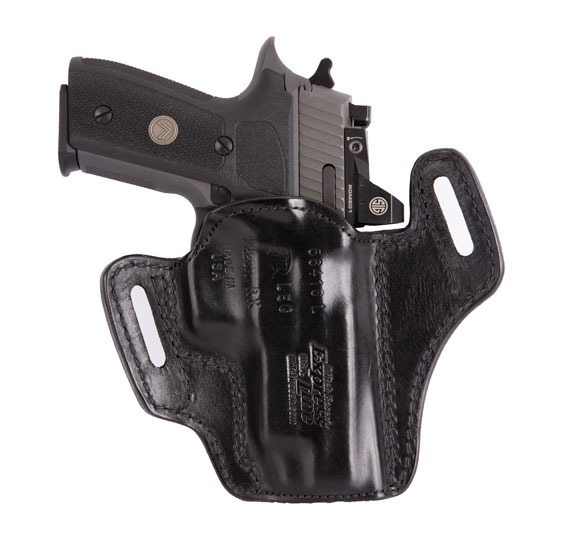
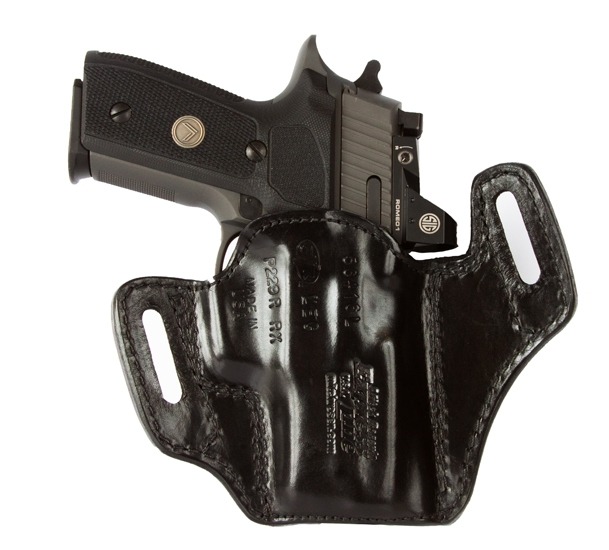
A pistol holster is a secure carrying accessory designed to support, protect, and retain a handgun while keeping it accessible to the user. Choosing the right option begins with confirming the exact pistol model and configuration, since even closely related models can differ in dimensions, controls, slide profile, and accessory placement. A well-fitting holster should cover the trigger guard, hold the pistol securely during normal movement, and allow a consistent draw without excessive force or shifting. It should also return the pistol to a stable position after use and remain comfortable throughout the day. Fit is especially important when a pistol includes a mounted light, laser, or red dot optic, as these additions can change the required interior shape and overall footprint. A universal holster may suit certain setups, but a model-specific fit can provide more predictable retention and alignment. Before purchasing, review the listed compatibility details carefully and compare them with the exact configuration of the pistol. This simple step helps avoid an unsuitable fit and supports safe, responsible handling. Whether the holster is intended for daily concealed carry, range sessions, outdoor activities, training, or secure storage during transport, the best choice balances access, retention, comfort, and the user’s regular routine.
Carry position is another central consideration. Inside-the-waistband, or IWB, holsters sit between the body and trousers, helping keep the pistol concealed beneath a shirt, jacket, or other outer layer. Their slim profile can work well for everyday carry, especially when paired with a sturdy belt and clothing that allows comfortable movement. Outside-the-waistband, or OWB, holsters sit on the outside of the belt and may provide a more open, natural fit for range use, training, outdoor work, or situations where concealment is not the primary goal. Some designs can be adjusted for a higher or lower ride, while others allow changes to the angle of the pistol for a more natural presentation. Belly band styles wrap around the torso and can accommodate clothing that does not work well with a traditional belt, making them useful for active routines and varied wardrobes. Shoulder, pocket, and ankle configurations offer additional placement options, though each requires careful attention to retention, access, clothing, and movement. Belt and paddle systems may appeal to users who prioritize easy on-and-off wear, while clip-based designs can offer a low-profile setup for daily use. During the cooler months, jackets and layered clothing may provide additional concealment, while lighter clothing and increased outdoor activity can make comfort, stability, and easy adjustment more noticeable factors. For users considering a gift for a responsible firearm owner, a holster can be a thoughtful choice when the recipient’s pistol model, carry preference, and accessory setup are known. When those details are uncertain, a gift card or a conversation about preferred carry style may be more useful than guessing.
Holster materials influence feel, durability, retention, and upkeep. Molded polymer options, including Kydex-style materials, retain their shape and can provide a crisp, consistent fit around the pistol. They are often selected for their resistance to moisture and their ability to maintain structural support through regular use. Leather offers a traditional feel and may become more comfortable as it conforms to the wearer and pistol over time, though it benefits from appropriate care and protection from excessive moisture. Nylon and other fabric options are flexible, lightweight, and practical for users who want a softer interface or a more adaptable fit. Regardless of material, inspect the holster regularly for loose hardware, worn clips, damaged stitching, sharp edges, or changes in retention. Fasteners should remain secure, and the holster should not collapse in a way that interferes with safe reholstering. Users seeking compact options for smaller pistols can also browse Small Holsters when a reduced profile is a priority. A quality setup should work with the user’s belt, clothing, vehicle routine, and storage habits rather than creating new obstacles. Practice with an unloaded firearm in a controlled setting can help the user become familiar with the holster’s position, retention system, and draw path, while always following applicable laws, local regulations, and fundamental firearm safety practices. With the right fit and thoughtful setup, a pistol holster can provide dependable support for range days, training sessions, everyday carry, and responsible transport across changing routines and seasons.