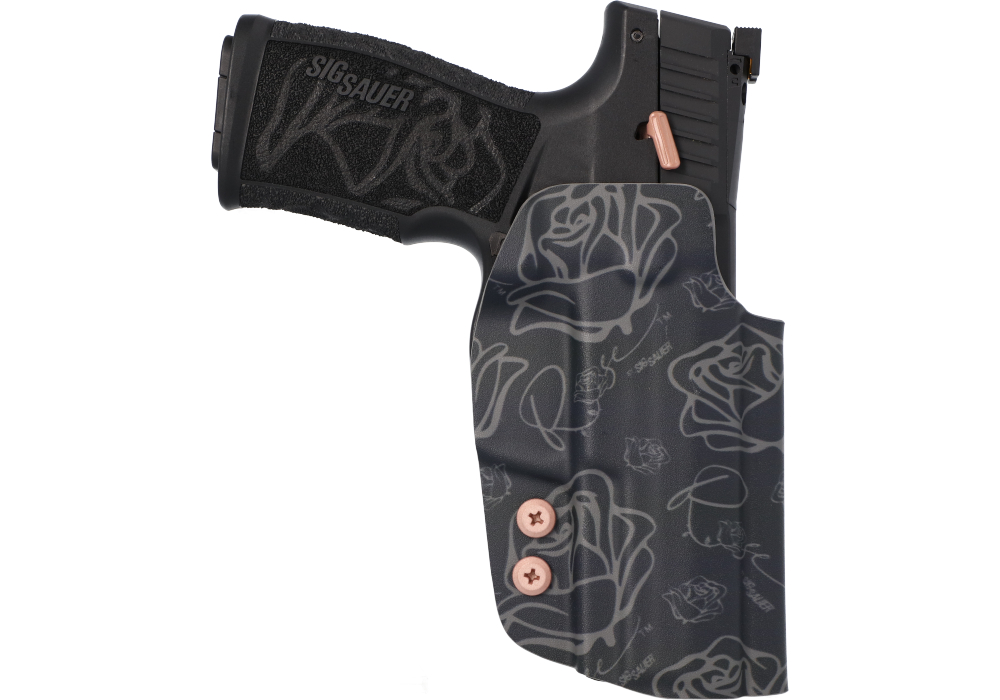
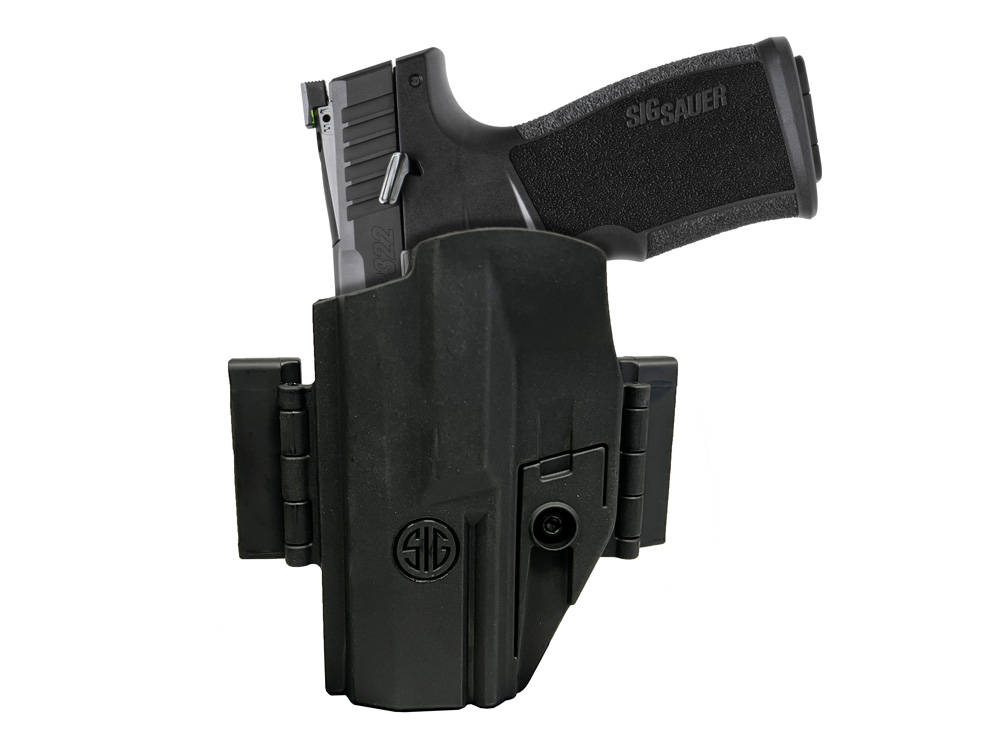
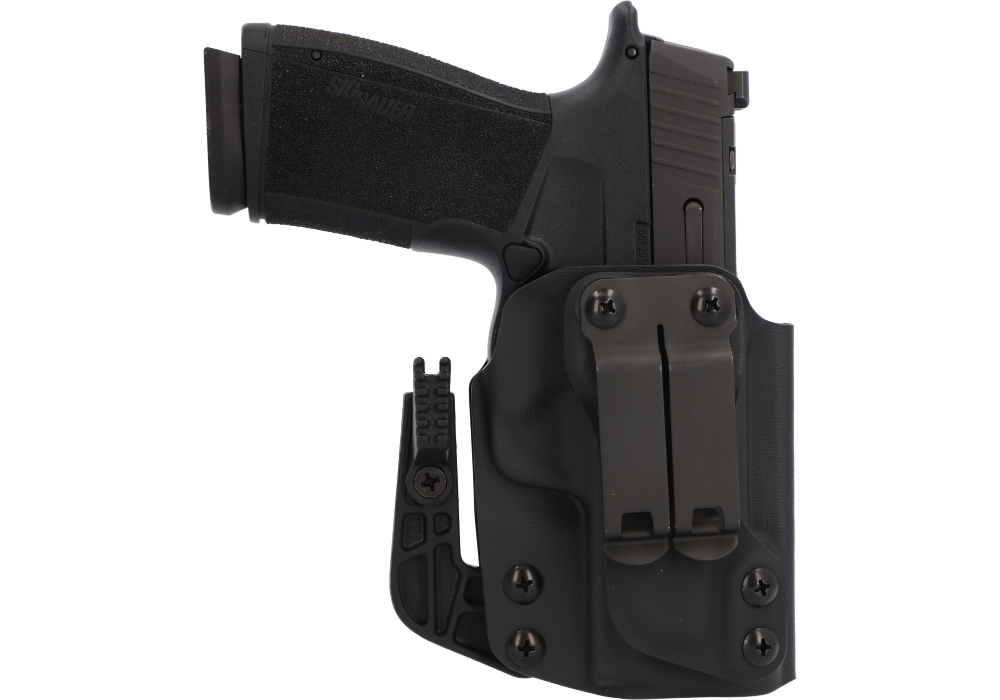
Holsters for men are typically distinguished by carry position, firearm fit, retention system, and the clothing worn around them. Inside-the-waistband holsters sit between the waistband and the body, offering a close-fitting option for lawful concealed carry. Outside-the-waistband holsters attach outside the pants and can suit range use, permitted open carry, or concealment beneath an appropriate covering garment. Pocket holsters serve a different purpose: they help keep a compatible handgun oriented within a dedicated pocket while covering the trigger area. Shoulder and ankle styles use alternative attachment points and require careful attention to garment fit, support, and the rules of the setting where they will be worn. These differences matter more than a label alone. A man who spends much of the day seated may notice pressure from an attachment or holster edge that feels unobtrusive while standing, while someone who walks frequently may place greater importance on stability and smooth contact surfaces. Body shape, belt position, and the cut of the pants all influence how a holster feels over several hours. A secure fit starts with compatibility with the exact firearm configuration, including barrel length and any attached accessories. Similar-looking handguns do not necessarily fit the same holster, and modifications can change clearance or retention. A suitable design covers the trigger area, holds the firearm securely, and maintains its intended shape during normal wear. Passive retention relies on the holster’s fit and tension, while active retention adds a securing mechanism. Neither approach compensates for an incorrect fit. Attachment design also deserves attention: belt loops, clips, and other mounting hardware need to suit the supporting belt or garment. A rigid holster on an unsupported waistband can shift or pull at clothing, whereas a properly matched belt and attachment can distribute weight more evenly. For everyday use, the useful distinctions are concrete ones: where the holster sits, how securely it stays there, whether it fits the firearm correctly, and whether its edges and hardware remain comfortable through ordinary movement.
Material affects a holster’s structure, feel, appearance, and maintenance needs. Leather offers a traditional appearance and can develop a distinctive surface character with use. Its edges, stitching, thickness, and reinforcement contribute to how it holds its shape, particularly around the opening and attachment points. Leather should feel supportive rather than loose or overly pliable around the firearm, and any break-in process should follow the manufacturer’s directions rather than improvised stretching or heavy conditioning. For a classic finish that pairs naturally with a dark belt, Black Leather Holsters offer an understated look suited to a range of everyday clothing. Molded polymer holsters emphasize a defined shape and model-specific fit, often with surfaces that are straightforward to wipe clean. Their rigidity can help preserve clearance around the trigger area, although comfort still depends on contour, edge finishing, and placement. Hybrid designs combine materials, such as a rigid shell with a broader backing, to balance firearm support with contact against the body. Textile designs vary considerably in construction; reinforcement and secure attachment matter more than softness alone. Across materials, durability is visible in details such as even stitching, cleanly finished edges, stable mounting points, and hardware that remains secure according to the manufacturer’s specifications. Daily contact with skin, fabric lint, and dust calls for regular inspection and appropriate cleaning. Leather generally benefits from restrained care with compatible products, while polymer surfaces often need only the cleaning method specified for that construction. Excess oil or conditioner can alter fit or transfer to clothing, so more treatment is not necessarily better. A holster should also be allowed to dry naturally when damp, away from concentrated heat that could affect its shape. Cracks, torn seams, distorted openings, loose fasteners, or a noticeable change in retention are reasons to stop using it until the issue is resolved. Long service life depends on sound construction, correct fit, and maintenance appropriate to the material—not appearance alone.
Intended use brings these features into focus. For someone whose routine includes office work, errands, and time in a vehicle, comfort often comes down to details that are easy to overlook: a clip pressing beneath a belt, a seam rubbing at the hip, or a holster extending farther than the clothing comfortably accommodates. A close-fitting shirt and tailored pants present different constraints from a relaxed overshirt and roomier trousers, so concealment depends on the complete clothing arrangement rather than the holster in isolation. Adjustable ride height or angle can offer flexibility when provided by the design, but adjustments must remain within the manufacturer’s stated settings and preserve secure attachment. For recreational range visits, compatibility with the facility’s rules and the activities planned is equally important; some settings specify particular retention or mounting requirements. A training provider may also have equipment standards that should be confirmed before attending. Men purchasing a first holster benefit from prioritizing dependable fit and manageable maintenance over elaborate features they may not need. Experienced owners may prefer different configurations for different permitted uses, with each holster matched to the firearm and supporting equipment involved. As a gift, a holster is most thoughtful when the recipient’s exact firearm configuration, preferred carry method, handedness, and belt dimensions are already known. Guessing from general size or appearance can result in an unsuitable fit, even when the craftsmanship is appealing. Personal preference also extends to finish, contact material, and how much maintenance the recipient is comfortable performing. Any fit assessment should follow the firearm and holster manufacturers’ instructions with the firearm unloaded. A holster is carrying equipment, not a substitute for locked firearm storage or responsible handling, and local laws govern where and how a firearm may be carried. The strongest choices in holsters for men combine the fundamentals without unnecessary complication: precise compatibility, dependable retention, comfortable support, durable materials, and a design that suits the owner’s actual routine. Those qualities remain useful long after the initial impression of color, texture, or styling.