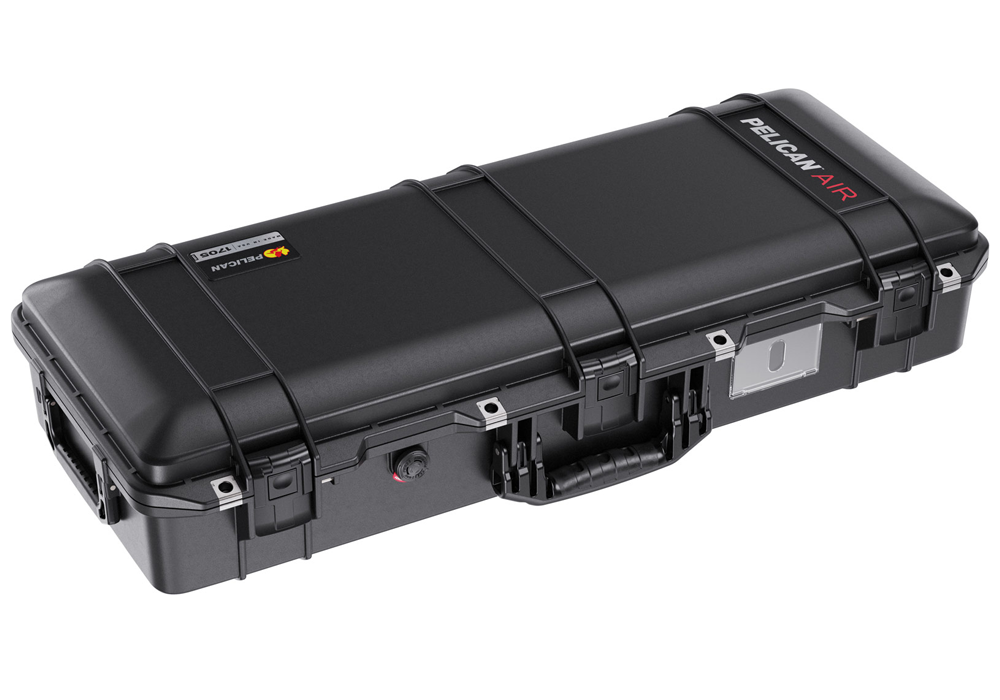
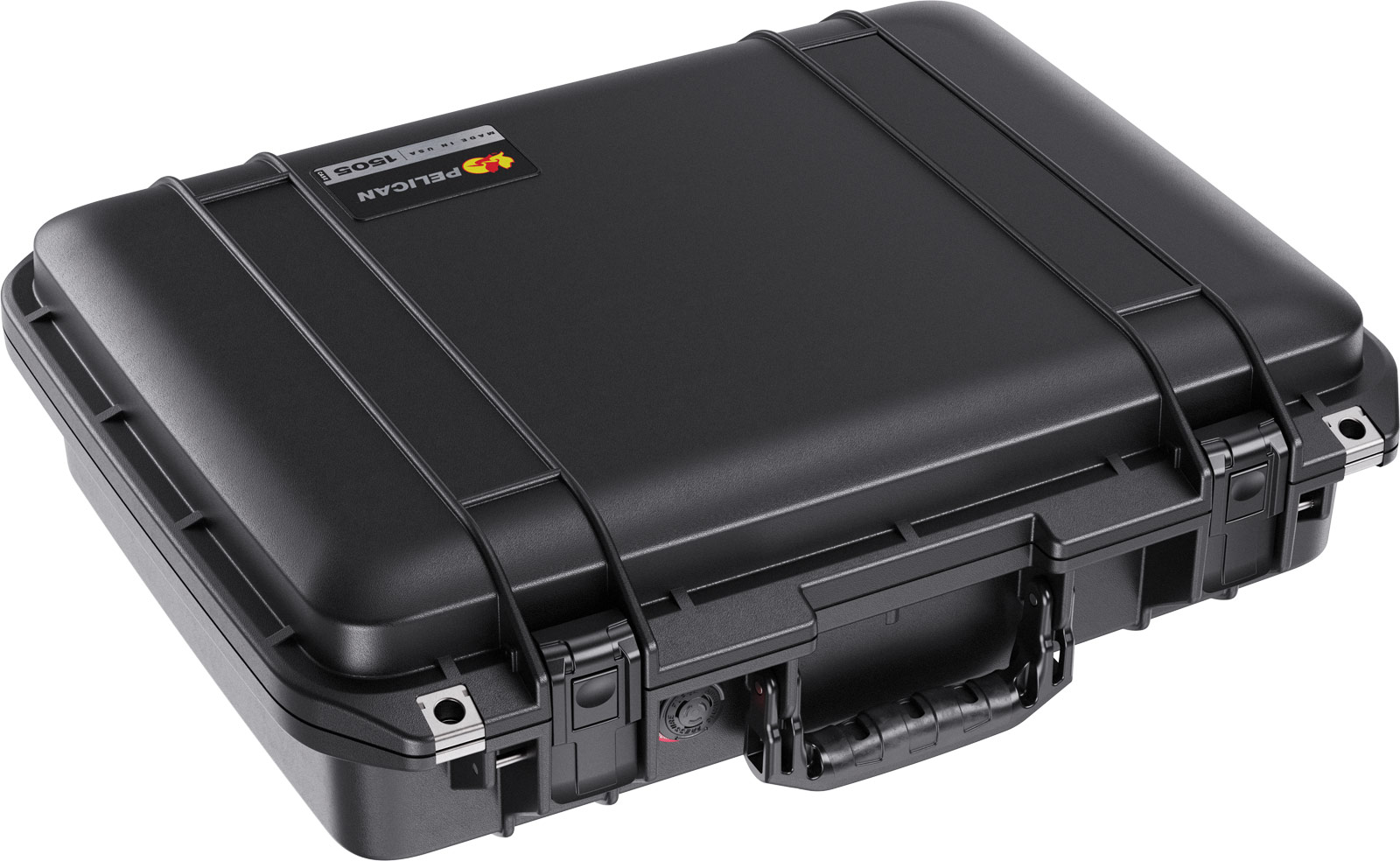
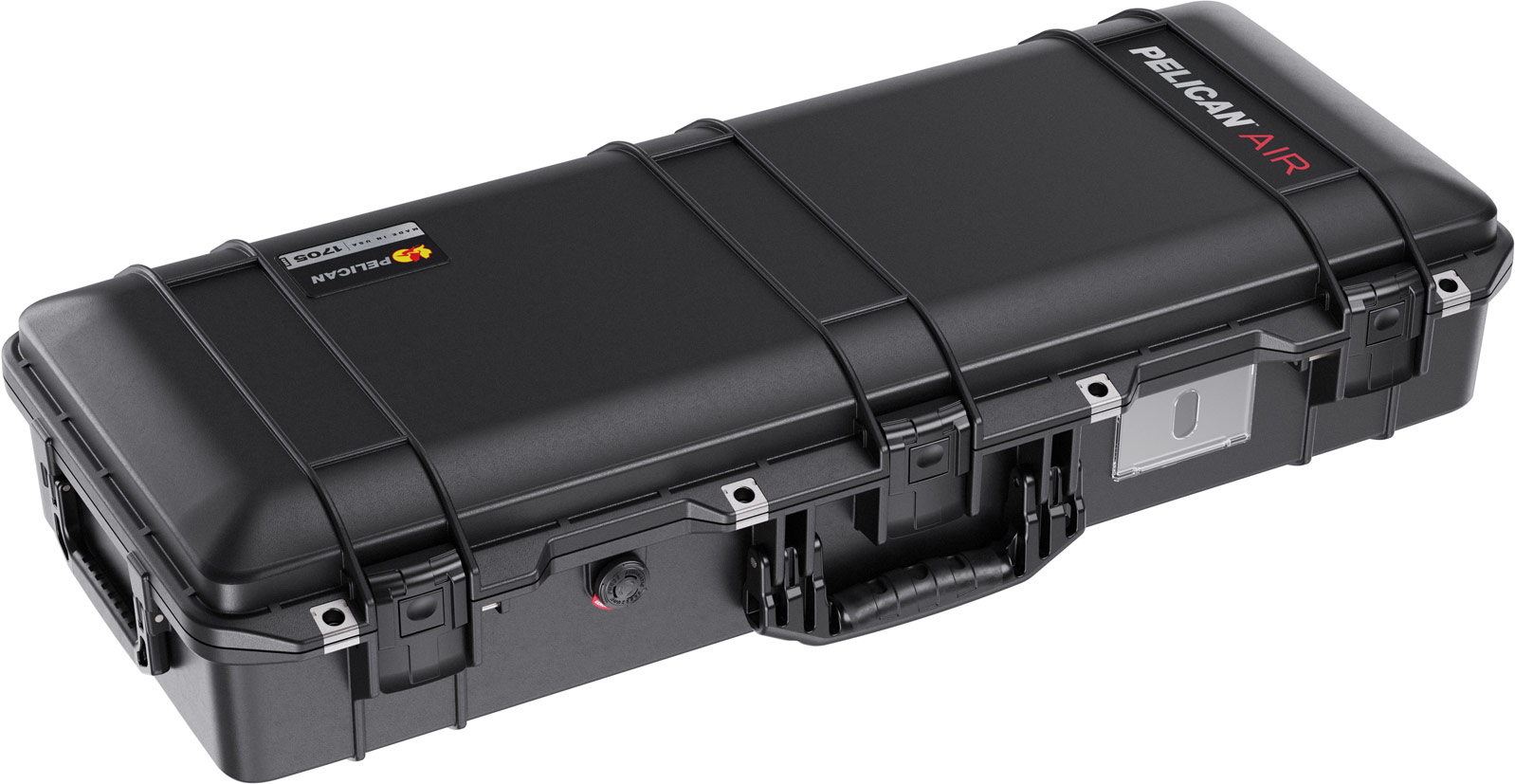
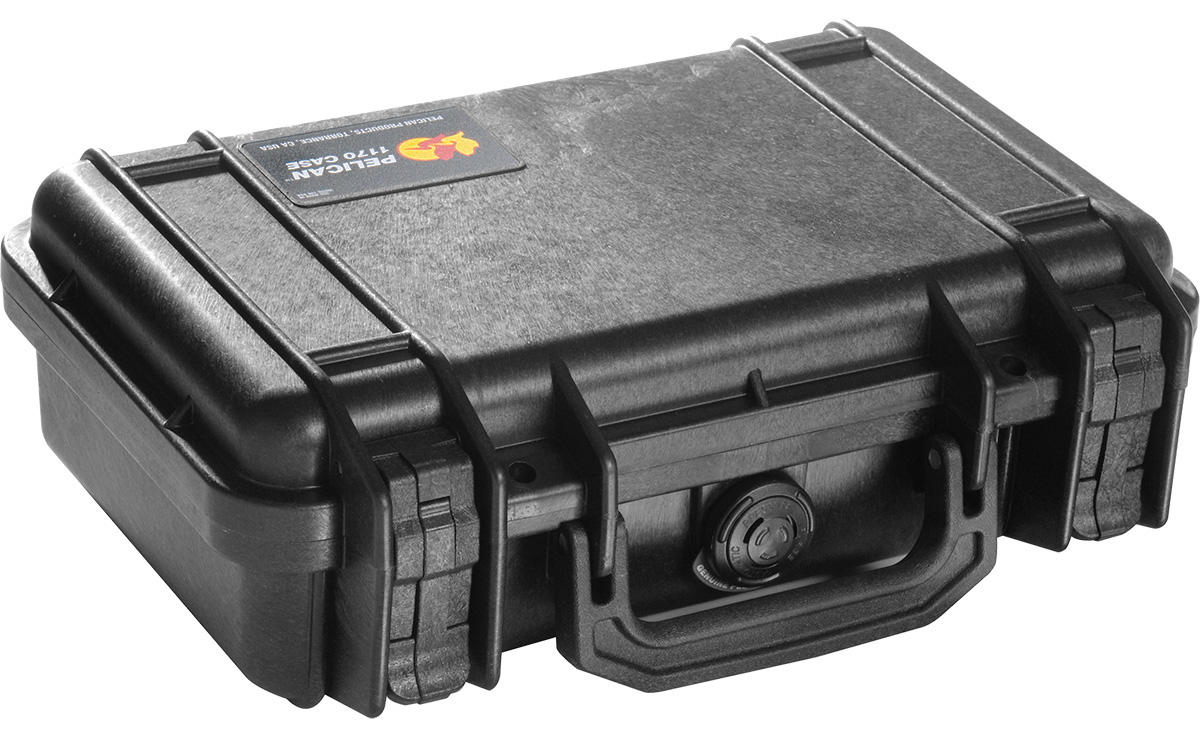
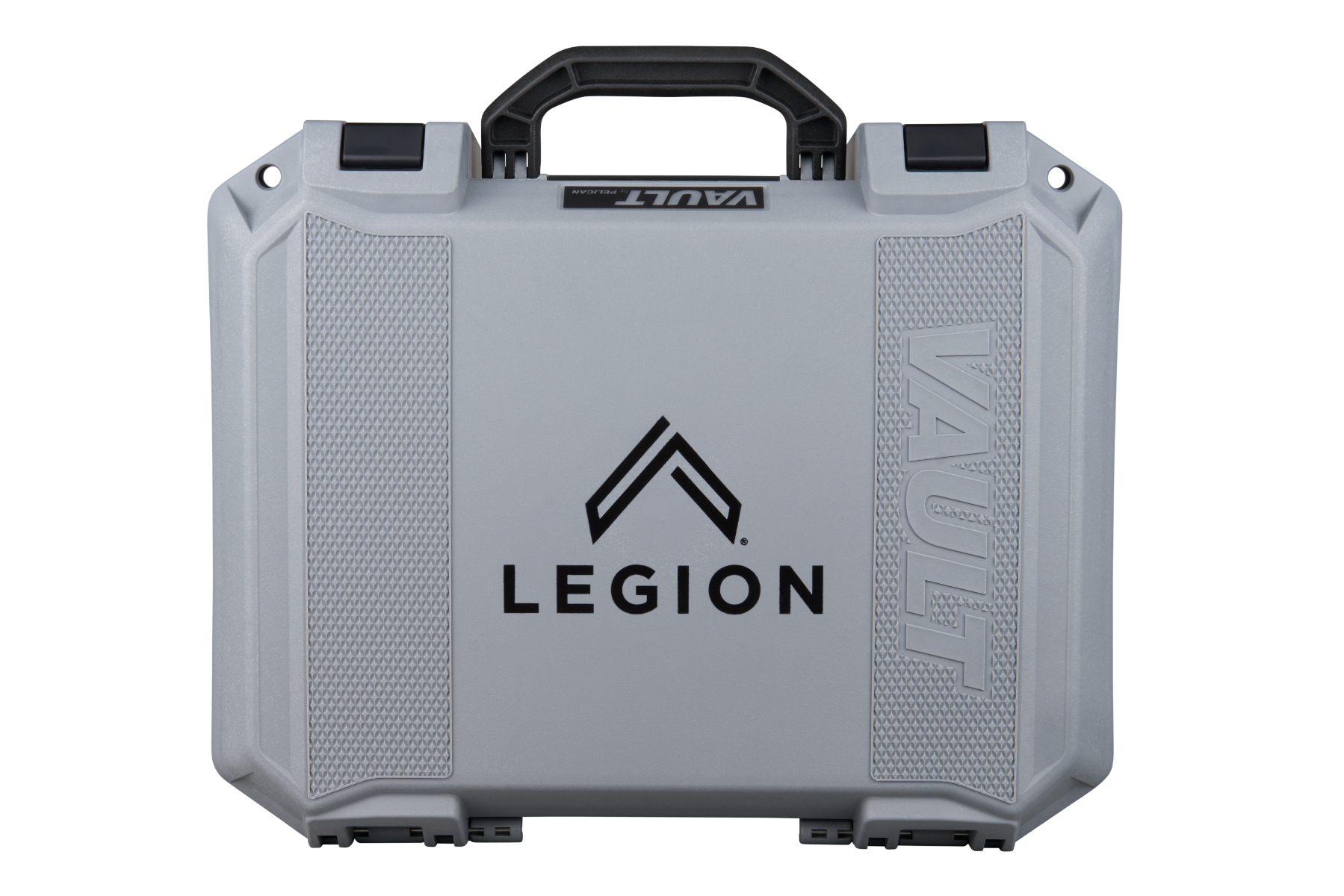
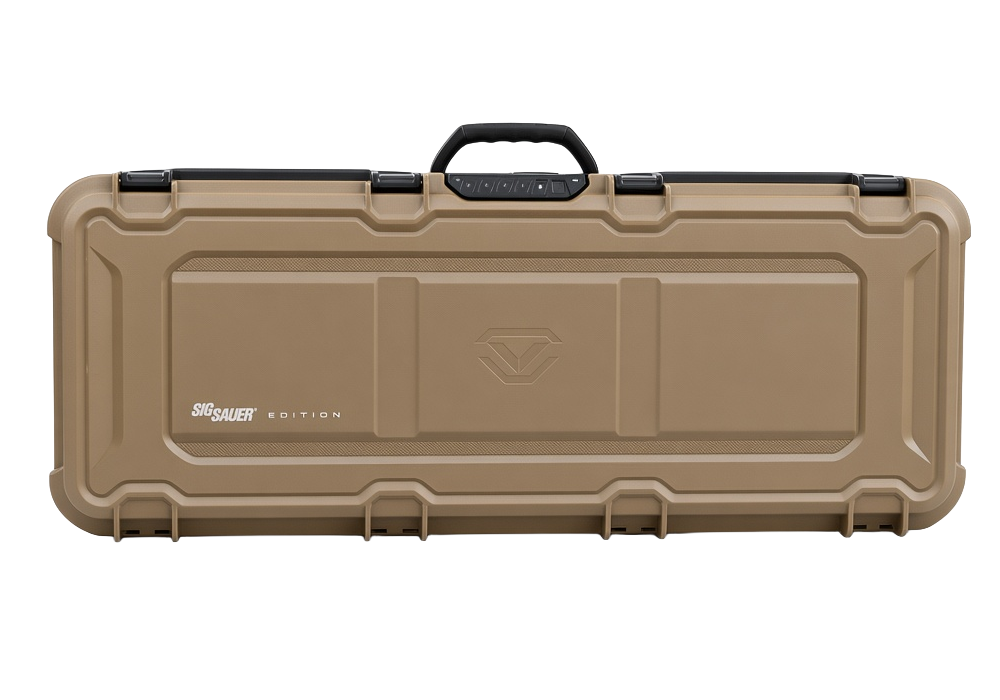
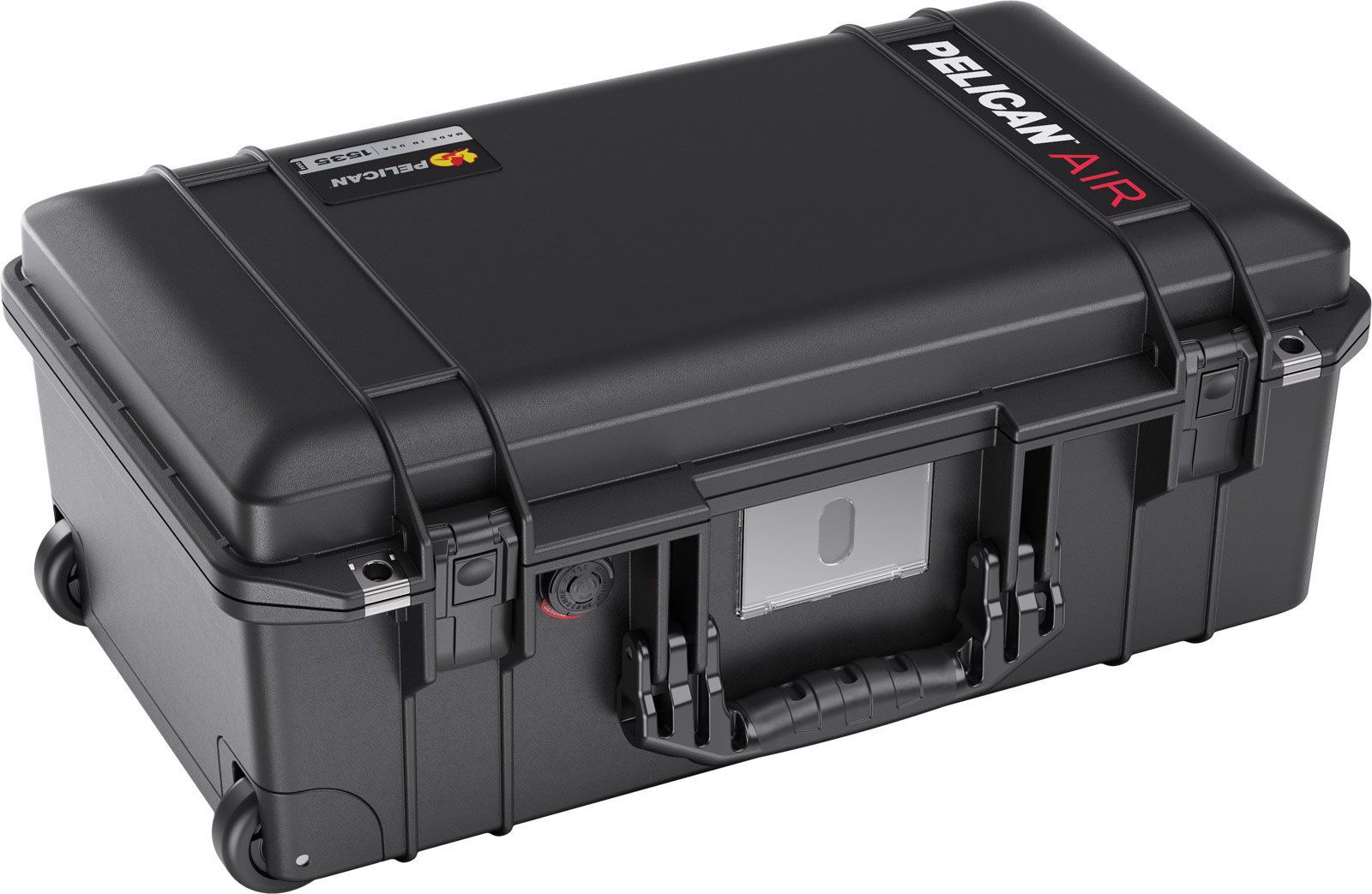
Waterproof gun cases combine a protective enclosure with water-blocking seals to help keep firearms dry during transport and storage. Their purpose goes beyond cushioning a firearm against bumps: a properly sealed case also creates a barrier against rain, splashing water, wet ground, and the grit that can collect around a vehicle’s cargo area or a range bench. Rigid cases commonly use molded polymer shells, reinforced edges, and compression latches that pull the lid evenly against a gasket. The shell provides structure, while the seal around the opening does much of the work of keeping water outside. A thick exterior alone does not establish waterproof performance, and a padded fabric case with a water-repellent finish is not necessarily suitable for immersion. Published testing information matters because resistance to a brief splash differs from protection during temporary submersion. An ingress protection rating, when provided, describes performance under specified test conditions rather than unlimited protection in every setting. Depth, exposure time, seal condition, and proper closure all affect the result. Some designs include pressure-equalization valves that help balance internal and external air pressure while limiting moisture entry; valve operation and maintenance depend on the case design. Buoyancy is another separate consideration. A case that floats when empty may behave differently with a firearm and accessories inside, so flotation should never be assumed from appearance or waterproof labeling alone. For hunters traveling by boat, shooters moving equipment through an exposed parking area, or firearm owners carrying gear between a vehicle and a covered firing line, these distinctions have practical value. A dependable enclosure can keep a wet journey from becoming a wet interior, but its protection relies on the entire closure system working together. Hinges, latches, valve components, and the gasket deserve as much attention as the outer shell, especially when a case sees frequent travel or contact with sand and mud. The most useful waterproof protection is clearly defined, easy to inspect, and suited to the conditions the case will actually encounter.
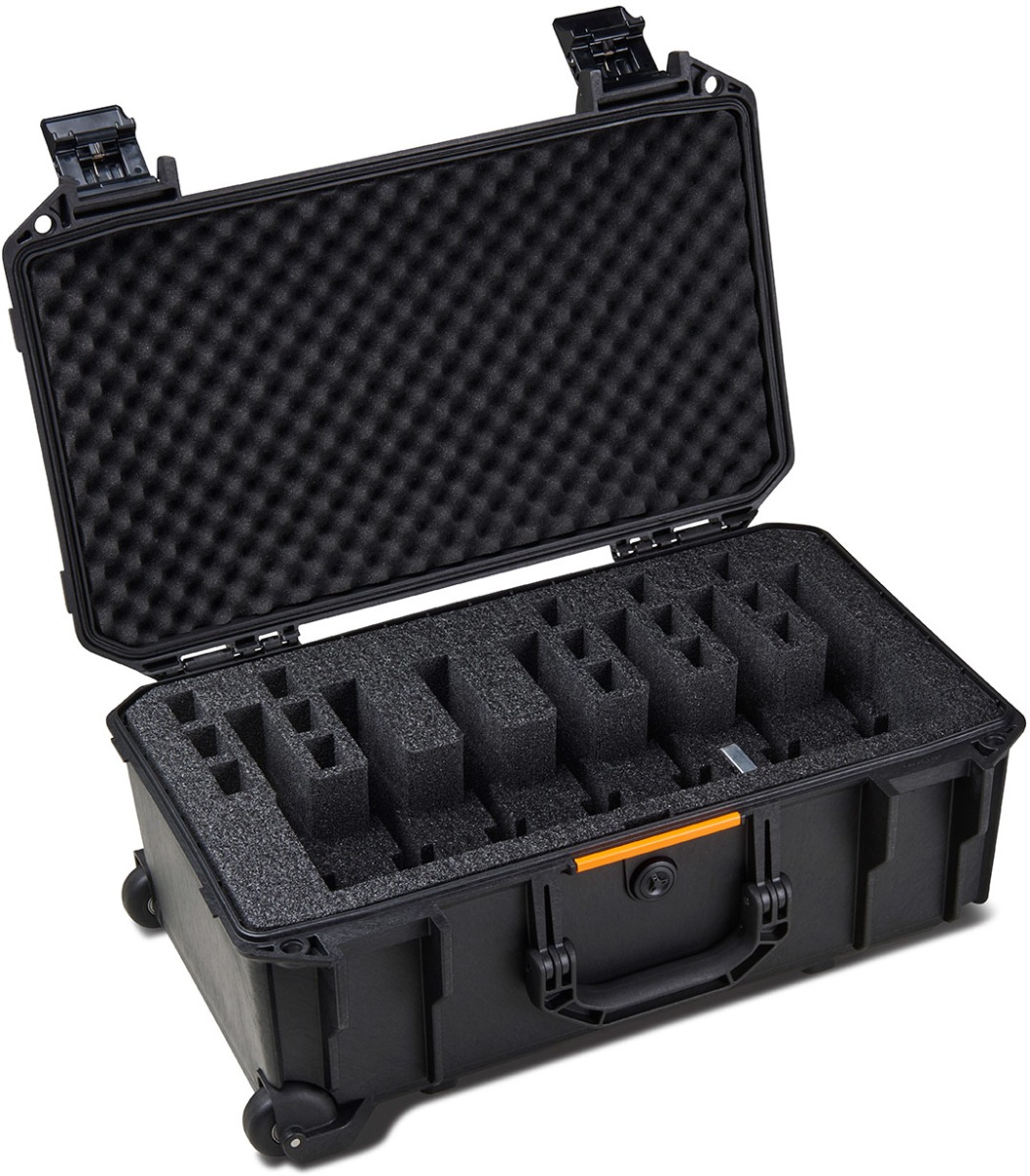
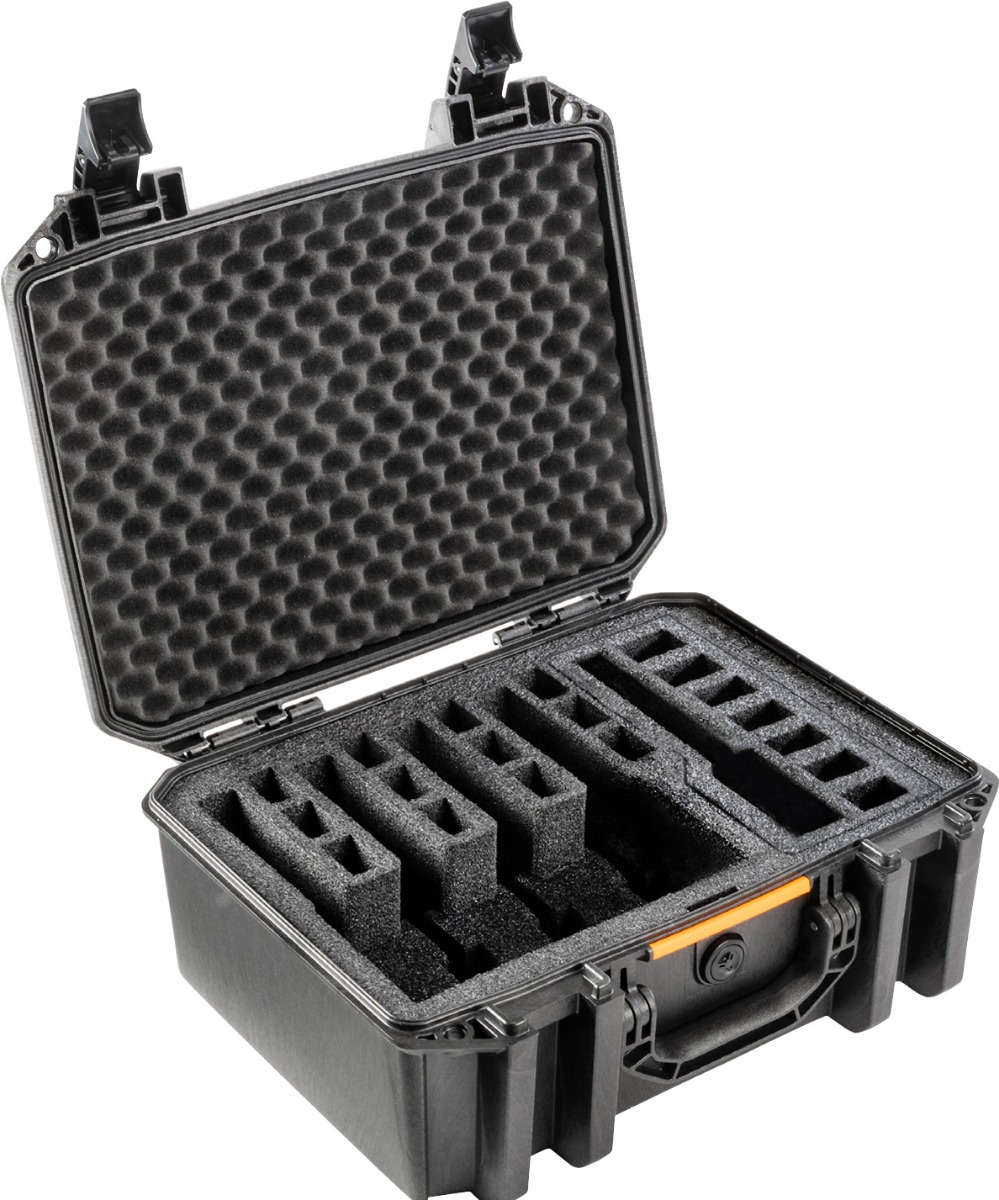
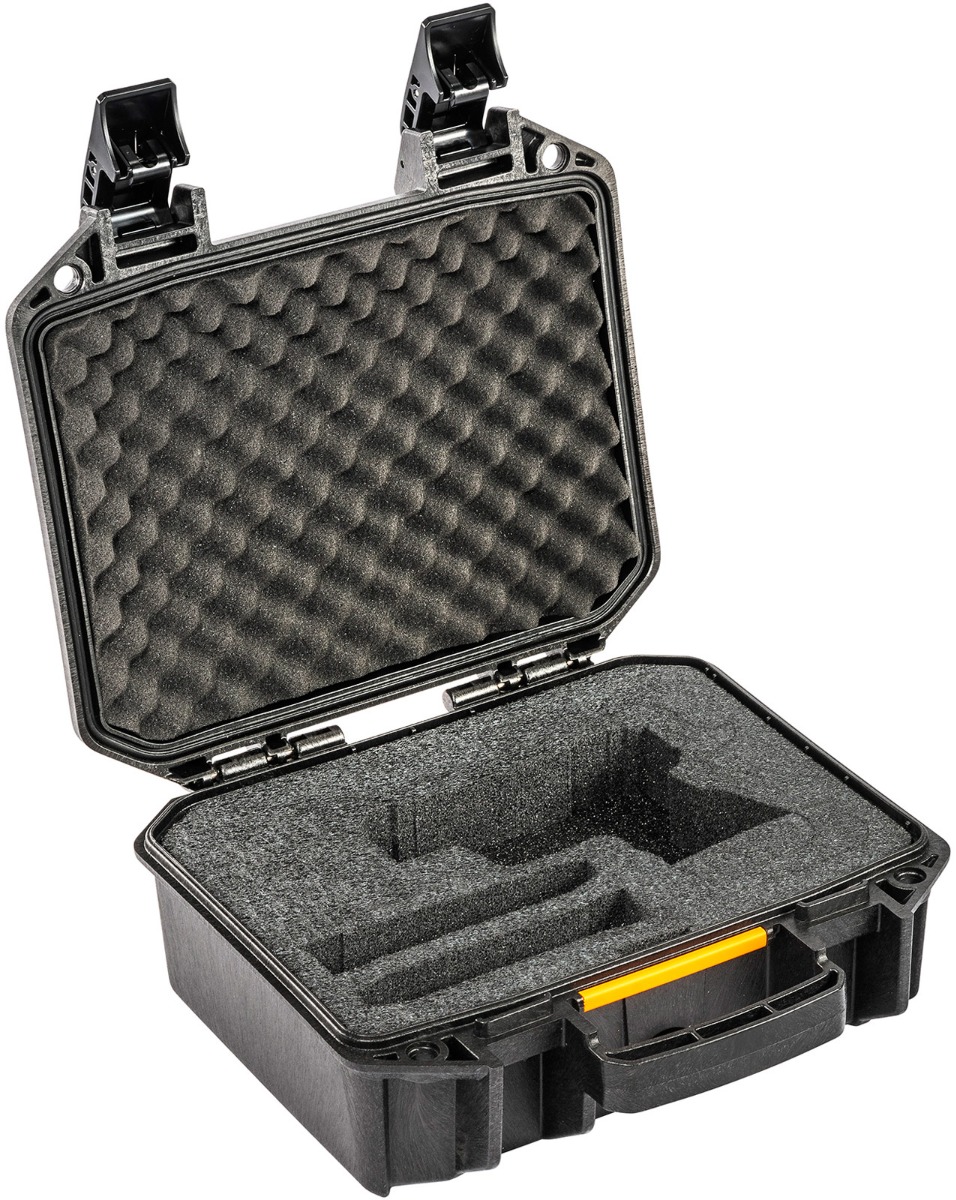
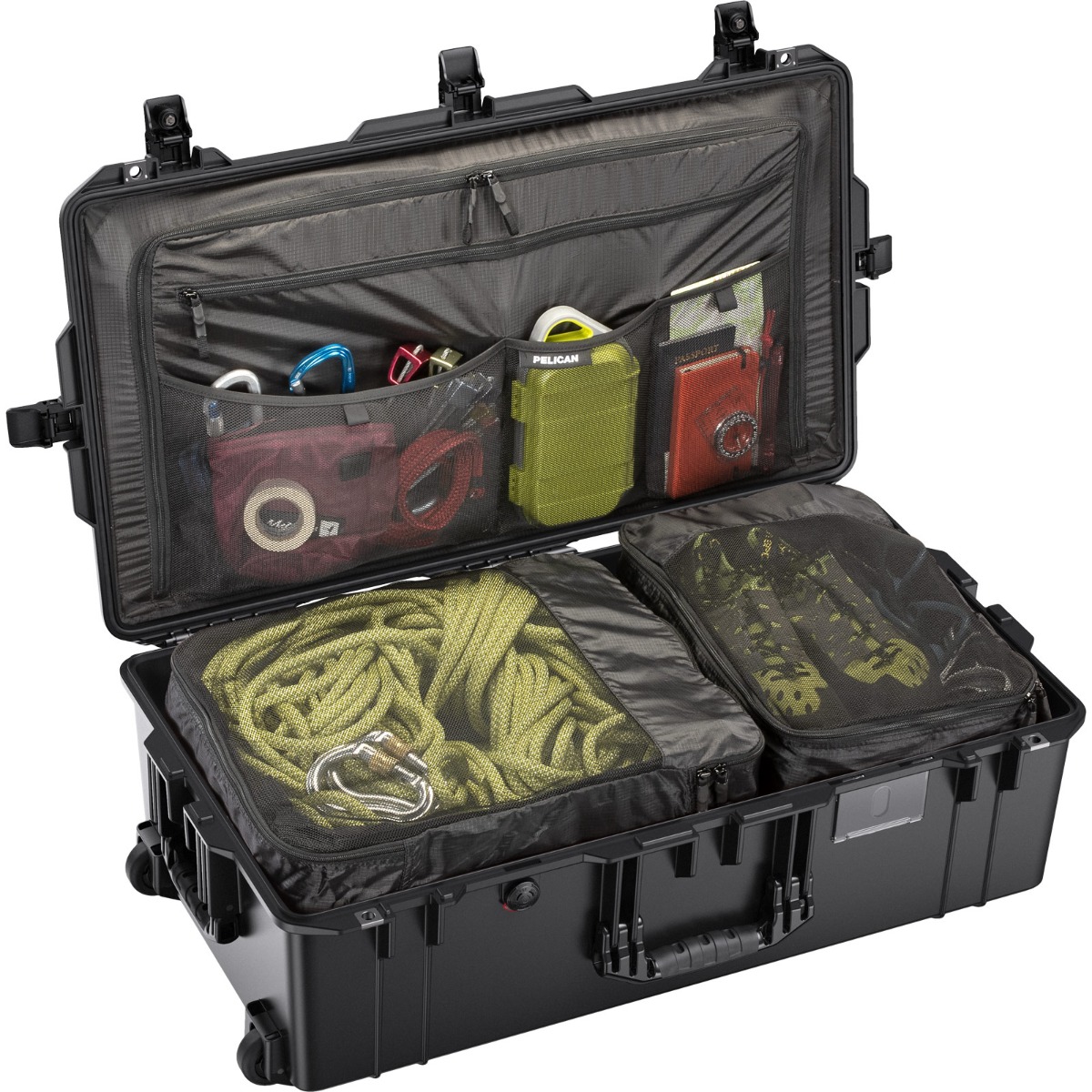
Fit determines how well that protective enclosure supports its contents. Interior measurements are more useful than exterior dimensions when matching a waterproof gun case to a handgun, rifle, or shotgun, and the firearm’s full configuration matters. An optic, taller sights, an extended barrel, or a mounted accessory can change the clearance needed around the firearm and above it when the lid closes. A case should accommodate those features without forcing pressure onto lenses, adjustment controls, sights, or other vulnerable surfaces. Enough room for a handle to be gripped comfortably also helps prevent awkward handling when lifting an unloaded firearm out of its insert. Interior layouts range from broad padded compartments to shaped foam inserts that hold individual components in defined positions. Pick-and-pluck foam offers a straightforward way to establish a fitted outline, while precision-cut inserts can provide consistent support around more complex shapes. Closed-cell foam generally absorbs less water than open-cell foam, although neither type replaces a sound perimeter seal or good drying practices. Foam density and thickness influence support, and a useful layout leaves material between the firearm, neighboring accessories, and the case walls. Contact should support stable sections of the firearm rather than concentrate force on delicate parts. Space beneath the firearm is just as important as space around it; a cutout that reaches the hard shell leaves little cushioning underneath. For longer cases, stiffness across the lid and base helps preserve alignment during handling, while multiple latches can distribute closing pressure along the seal. Handles, wheels, and overall dimensions also affect everyday use, especially on a long walk from parking to a range or when loading a crowded vehicle. A larger case is not automatically a better fit if it adds unnecessary weight or allows contents to shift. For range regulars, traveling competitors, hunters, and owners transporting a firearm to training, the right layout brings together secure support, manageable handling, and enough room for the intended setup without turning the interior into loose accessory storage.
Care is central to long-term performance because a waterproof case can retain moisture as effectively as it keeps outside water away. A firearm put away damp, a wet sling tucked into the foam, or moisture left after cleaning can create an enclosed environment where corrosion develops. Firearms and accessories should be dry before storage, with metal surfaces maintained according to their manufacturers’ directions. Moisture-control packets can help manage residual humidity when appropriate, but they do not substitute for drying the contents or checking them periodically. After exposure to rain, mud, or saltwater spray, attention belongs on both the exterior and the sealing surfaces. Salt and grit can collect in latch recesses and along the gasket channel, where they may interfere with closure or accelerate wear. Cleaning methods should match the shell, foam, and seal materials; aggressive solvents can damage components even when the outside still looks intact. Letting the interior and removable inserts dry fully before closing the case helps prevent trapped dampness and lingering odors. Regular inspection can reveal a twisted gasket, embedded debris, a cracked latch, or a hinge that no longer aligns cleanly. Waterproof protection and access control are separate features, so shoppers comparing Lockable Gun Cases should consider how the locking points work alongside the water seal. A padlock opening does not by itself establish suitability for every travel requirement, and transport rules can vary by carrier and destination. Firearms should be unloaded before casing, and storage arrangements should prevent access by unauthorized people, especially children. A portable case may be part of that arrangement without replacing secure long-term firearm storage. As a practical gift for a hunter, sport shooter, or firearm owner who travels to training, a waterproof case is most useful when its interior dimensions and layout match the recipient’s equipment. Across those uses, lasting value comes from a sound seal, supportive fit, durable hardware, and a maintenance routine that keeps the enclosure ready for its next trip.