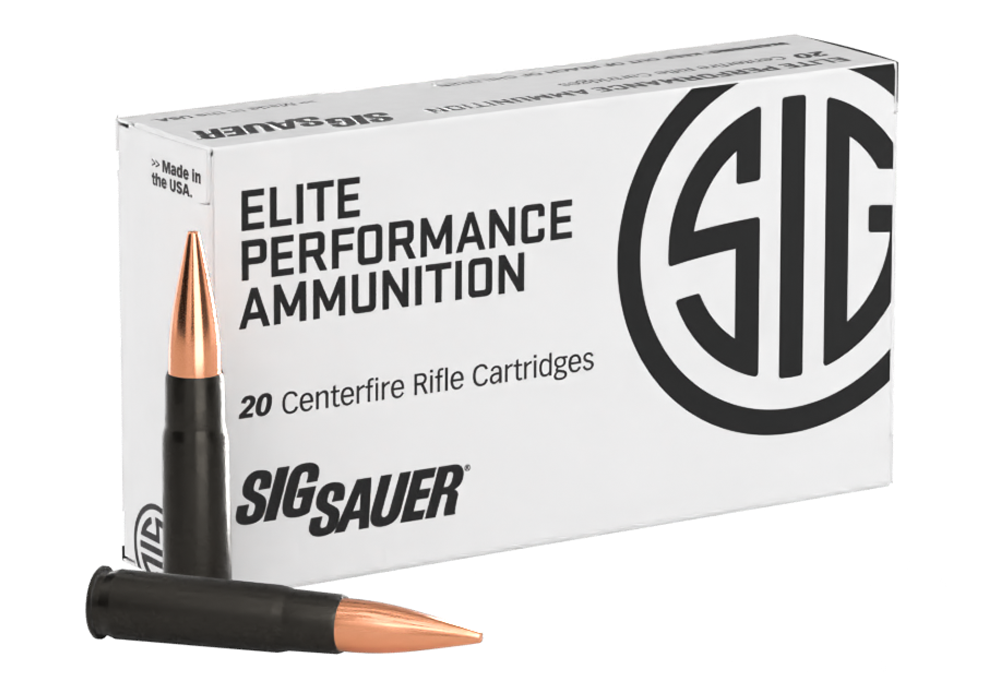
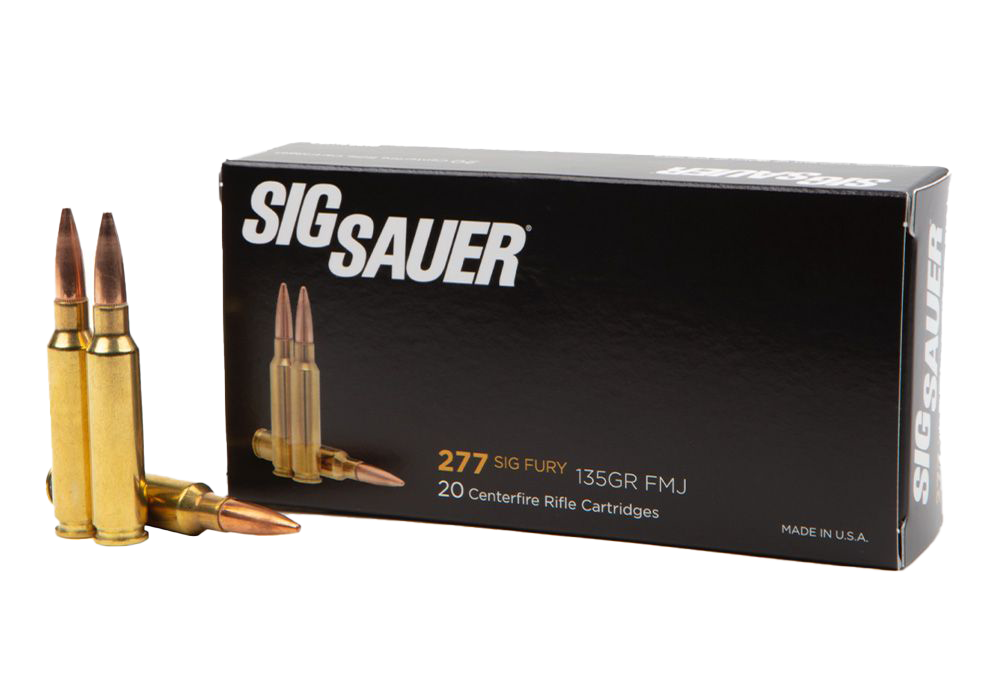
High-pressure match rifle ammunition is intended for precision-focused shooting where consistency, verified performance, and careful rifle compatibility matter more than broad, general-purpose use. The phrase “high pressure” can describe ammunition engineered toward the upper end of a cartridge’s approved pressure range, but it should never be interpreted as permission to use rounds that exceed published industry specifications or the limits of a particular rifle. Match ammunition is developed around uniform ignition, carefully controlled propellant charges, consistent bullet construction, and tight manufacturing tolerances. Those characteristics can help produce repeatable velocity and smaller shot-to-shot variations, which are valuable when a shooter is working from a supported position, reading wind across an open range, or confirming a rifle’s zero during the cooler months. Some modern match loads use advanced case designs or specialized materials to manage pressure and improve internal consistency, while others emphasize traditional brass construction refined through careful quality control. Regardless of the case material or advertised velocity, every cartridge must be matched to the exact chambering and platform for which it is rated. A cartridge that appears similar by name may not be interchangeable across rifles, and a load developed for one pressure standard, barrel length, or action should not be assumed safe in another. Before purchasing, review the rifle manufacturer’s manual, the ammunition packaging, and the applicable chamber designation. Shooters should also confirm bullet weight, projectile profile, overall cartridge length, and any restrictions associated with their firearm. This page is designed to make that comparison easier by bringing together recommended match-oriented rifle ammunition for customers who value dependable lot-to-lot performance and precise component selection.
For long-range and precision applications, velocity is only one part of the equation. A faster load may produce a flatter trajectory and can reduce the amount of elevation correction needed at distance, but actual results depend on barrel length, atmospheric conditions, sight height, bullet design, and the individual rifle. A well-balanced match projectile with a high ballistic coefficient may retain velocity efficiently and respond more predictably to wind than a conventional hunting or range bullet, yet even excellent ammunition must be confirmed in the firearm before it is relied upon. Experienced shooters often begin by inspecting cartridges for visible damage, confirming the caliber and lot information, and firing a measured group from a stable rest while recording conditions. Keeping ammunition from the same lot can help reduce variables during a practice session or match, particularly when a shooter has already identified a load that performs consistently in a specific rifle. It is also sensible to monitor primers, cases, extraction, and other signs of abnormal function, stopping immediately if anything appears unusual and seeking qualified gunsmith or manufacturer guidance. High-pressure ammunition can generate additional heat and may contribute to faster throat wear when used extensively, especially during rapid strings or in barrels with substantial round counts. Allowing the barrel to cool, following the rifle’s maintenance instructions, and avoiding unapproved modifications are practical ways to support safe, consistent use. For shooters comparing projectile options, our selection of Match Grade Bullets provides additional context around the bullet styles commonly associated with precision shooting. Factory-loaded ammunition remains the appropriate choice for customers who do not have the equipment, training, and published data required for handloading; ammunition should never be disassembled, altered, or combined with components outside the manufacturer’s specifications.
These products are commonly selected by competitive rifle shooters, precision enthusiasts, instructors, and recreational marksmen who want ammunition suited to careful zeroing, load comparison, and structured range work. They can also be a thoughtful gift for an experienced adult shooter when the giver knows the recipient’s exact caliber, rifle platform, and local purchasing requirements. Ammunition is not a universal gift, however, and the wrong chambering or bullet weight can make an otherwise well-intended purchase unusable. When buying for someone else, a gift card or a conversation about the recipient’s preferred cartridge and match format may be more practical than guessing. Customers should check all applicable federal, state, and local laws before ordering or receiving ammunition, including age, shipping, storage, and possession requirements. Store cartridges in their original packaging in a cool, dry location away from heat, moisture, solvents, and unauthorized access, and transport them in accordance with local regulations. During the cooler shooting seasons, match ammunition is often used for qualification practice, club competitions, informal precision sessions, and confirming a rifle before a demanding day at the range. Keeping expectations realistic is important: no ammunition can compensate for an improperly maintained rifle, an unsuitable optic, inconsistent shooting position, or changing wind. The strongest results come from a complete system in which the rifle, chamber, optic, support equipment, and ammunition work together. By comparing cartridge specifications, bullet construction, pressure classification, and intended use before checkout, customers can select match rifle ammunition that aligns with their equipment and shooting goals while keeping safety and responsible handling at the center of every session.