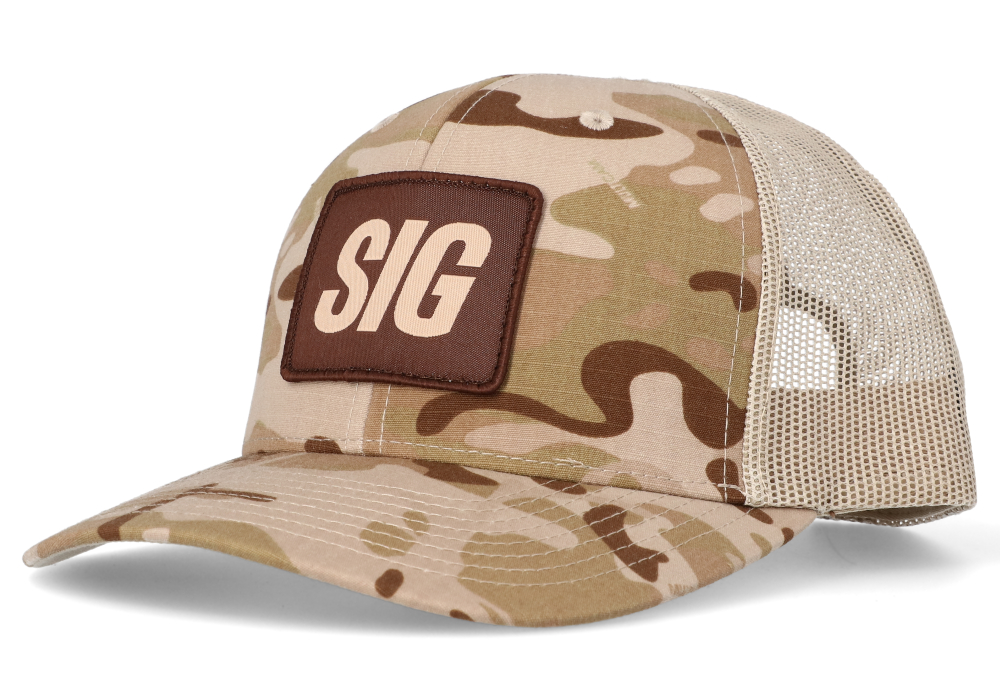
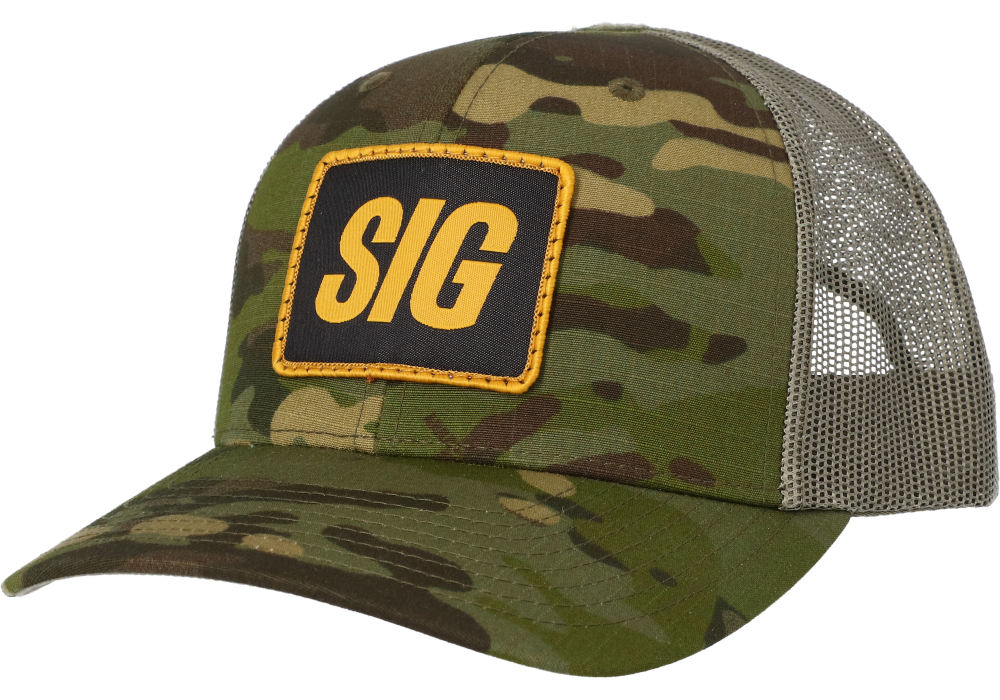
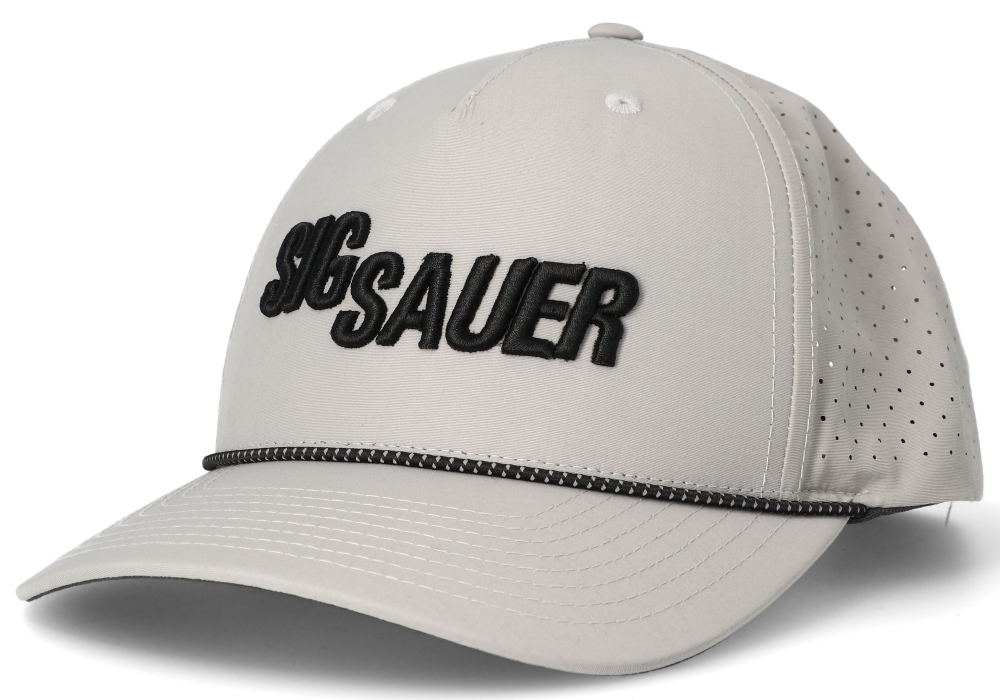
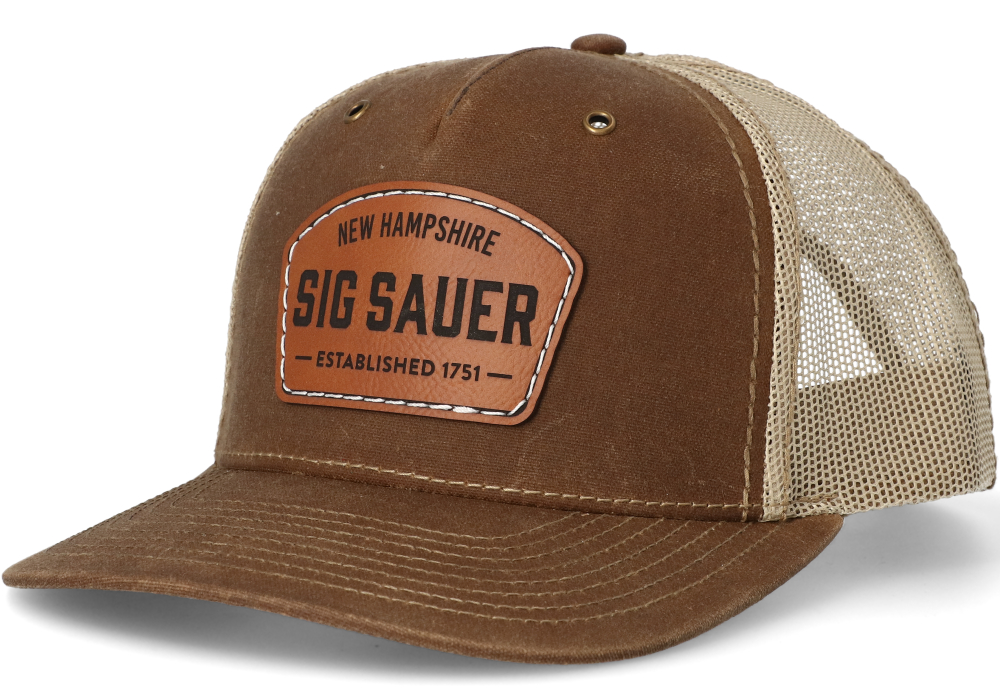
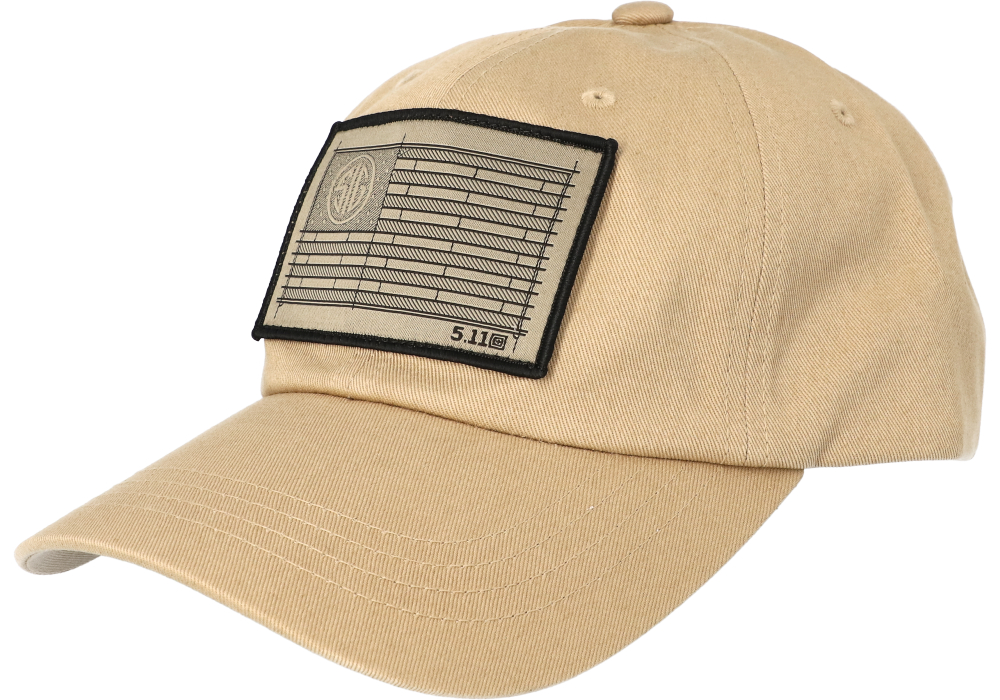
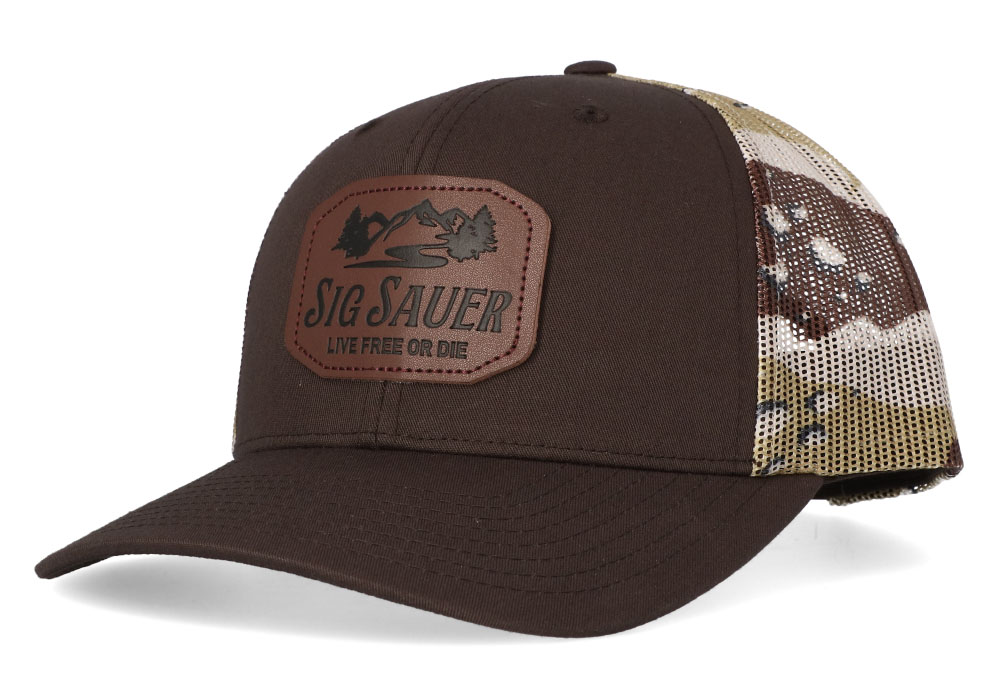
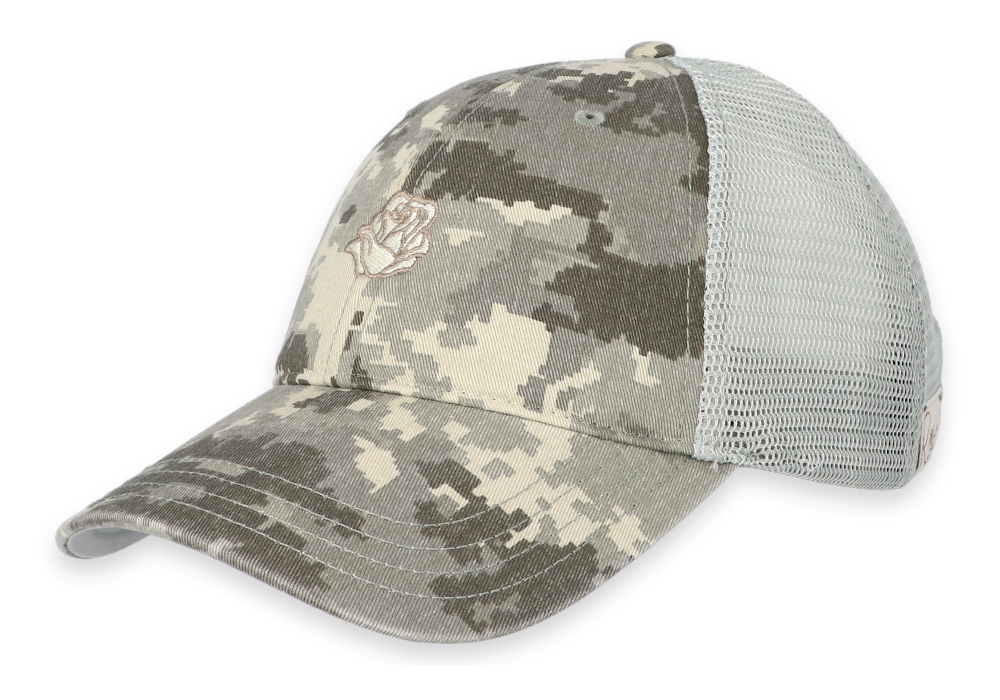
High-quality trucker hats pair a comfortable fit with durable fabric, breathable mesh, and a shape that holds up to regular wear. Their recognizable design combines a solid front with mesh side and rear panels, creating a cap that feels less enclosed than an all-fabric style while retaining a defined silhouette. Cotton twill is a familiar choice for the front panels because its diagonal weave offers texture and resilience without an overly technical appearance. Polyester and blended fabrics can provide a lighter feel, while foam fronts give some designs a softer surface and a distinctive retro look. Each construction has a different character: a twill front feels closer to a traditional baseball cap, while a foam-front trucker often has a taller, more pronounced face. Mesh quality matters just as much as the fabric up front. Evenly spaced openings, smooth edges, and secure stitching help the back of the hat stay comfortable against the head instead of feeling scratchy or stiff. A well-finished interior also deserves attention, particularly the seam tape and sweatband that remain in contact with skin through hours of wear. The strongest signs of quality are often small details rather than bold decoration: straight rows of stitching, neatly joined panels, a centered brim, and a closure that fastens securely without excessive force. Reinforcement behind the front panels helps structured trucker hats retain their shape, while less structured designs offer a more relaxed feel. Neither approach is inherently better; the difference is how the hat sits and how much definition it keeps when it is not being worn. For everyday errands, road trips, spectator events, and time at the range, a thoughtfully constructed trucker hat brings together practical comfort and an easygoing look. Its appeal comes from that balance—a familiar accessory with enough variation in fabric, crown, and finish to feel personal without complicating an everyday outfit.
Fit is where similar-looking trucker hats can feel noticeably different. Crown height describes how tall the hat sits, while crown shape determines how closely it follows the head. Low-profile styles tend to sit closer and create a subtler silhouette; mid-profile designs offer moderate height; high-profile crowns provide more room above the forehead and a stronger visual presence. Panel construction also influences the front of the cap. A five-panel design often has an uninterrupted front section, while a six-panel design typically includes a center seam that contributes to a more contoured shape. Those details affect both appearance and feel, especially for someone who prefers a cap that sits firmly rather than perching above the head. An adjustable snapback closure allows changes in circumference, but adjustability alone does not guarantee the right fit. The depth of the crown, the position of the sweatband, and the curve of the brim all play a role. A comfortable hat should feel secure without leaving concentrated pressure at the temples or pulling tightly across the forehead. It should also leave enough clearance around the ears to avoid rubbing during normal movement. For people who wear glasses, the space where the temples pass beneath the cap can be particularly important over a long afternoon. Brim preference is equally personal. A curved bill frames the face with a familiar baseball-cap profile, while a flatter bill creates a broader, more angular line. Factory shaping and brim materials vary, so a preferred curve is best treated as a construction feature rather than something every hat can easily adopt. Hair length and the way it is worn can also change the feel of a closure or rear opening. These considerations make fit specifications more useful than a general adjustable-size description alone. The goal is a cap that stays comfortable through ordinary routines, whether that means driving across town, walking a trail, or spending several hours at an outdoor event.
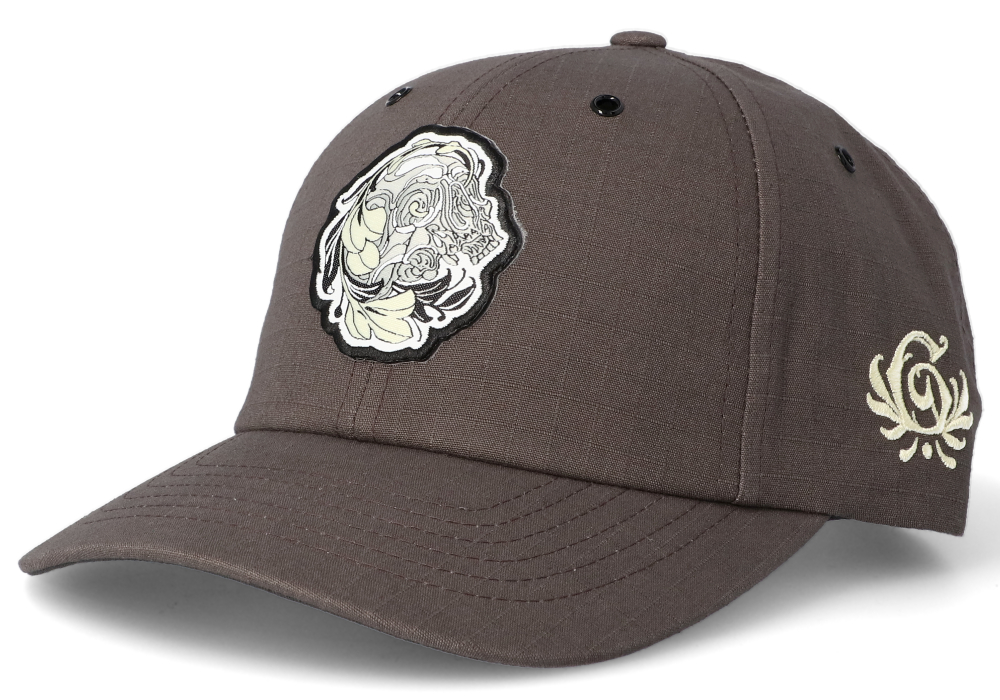
Durability becomes clear through repeated wear, handling, and cleaning. A trucker hat that travels between a hook by the door, a gym bag, and the passenger seat needs secure seams and a brim that retains its intended shape. Dense embroidery and firmly attached patches can add texture and visual interest, but their interior finish matters too: rough backing or bulky stitching may affect comfort against the forehead. Understated decoration offers a quieter look, while contrasting panels or a prominent front graphic create a more expressive accessory. Neutral colors work easily with denim, work shirts, and casual layers, and stronger color combinations can turn a simple outfit into something more individual. For shoppers exploring another take on the same silhouette, the Fall Trucker Hats collection provides a related place to browse. Whatever the style, thoughtful care helps preserve the details that first drew attention to the hat. The care label should guide cleaning because front-panel fabric, mesh, trim, and brim inserts may require different treatment. When permitted, gentle spot cleaning with a soft cloth and mild detergent can address marks on the sweatband or front panels without soaking the entire cap. Thoroughly removing detergent residue helps prevent stiffness, and air drying with the crown supported can help maintain its profile. Aggressive scrubbing may disturb embroidery, and machine washing or heated drying can distort certain constructions, so neither should be assumed safe. Storage matters as well: keeping a structured crown from being crushed beneath other gear reduces unnecessary creasing. These simple habits suit an accessory intended for frequent use rather than occasional display. Trucker hats can also be practical gifts for people who reach for a cap before heading out, from hikers and road-trip enthusiasts to range regulars and casual sports fans. A familiar crown height, a preferred brim shape, and colors already present in the recipient’s wardrobe offer better clues than decoration alone. The most satisfying choice feels natural from the first wear and remains a dependable part of the daily rotation.