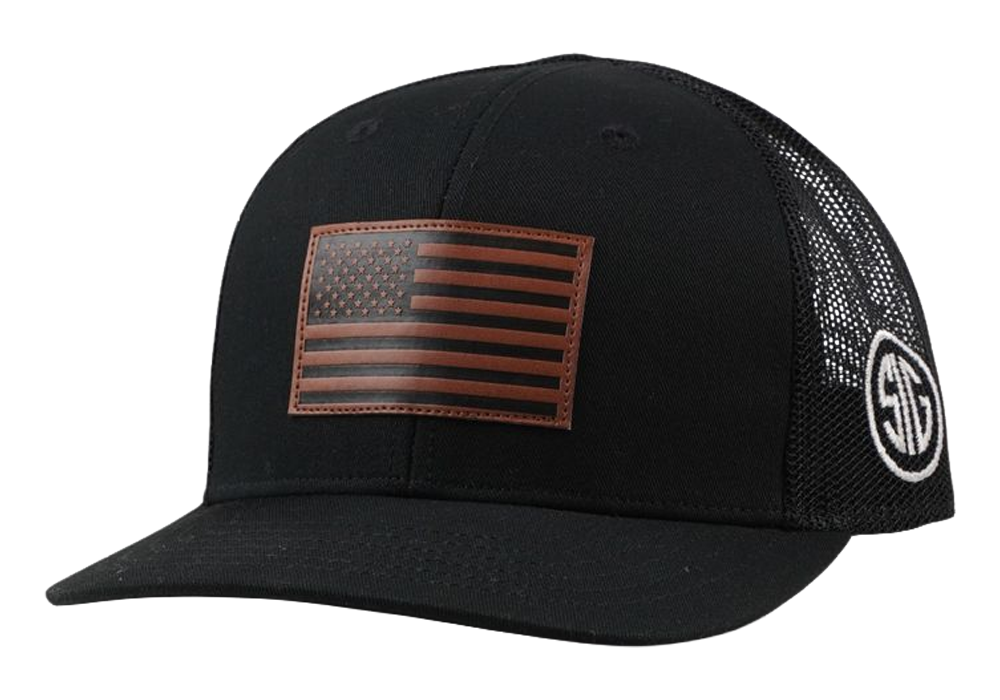
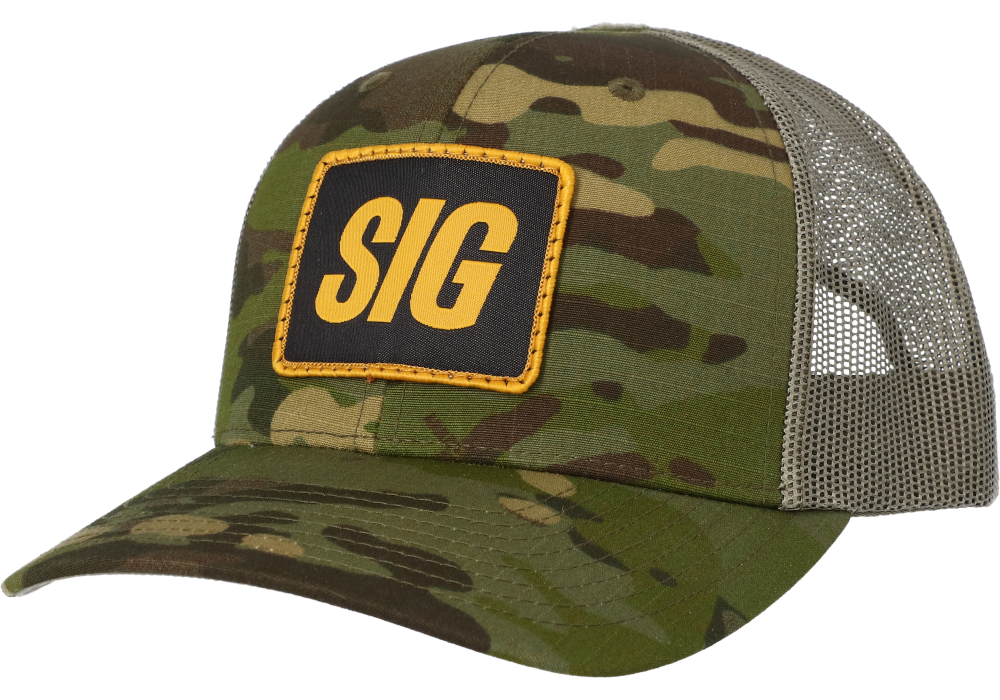
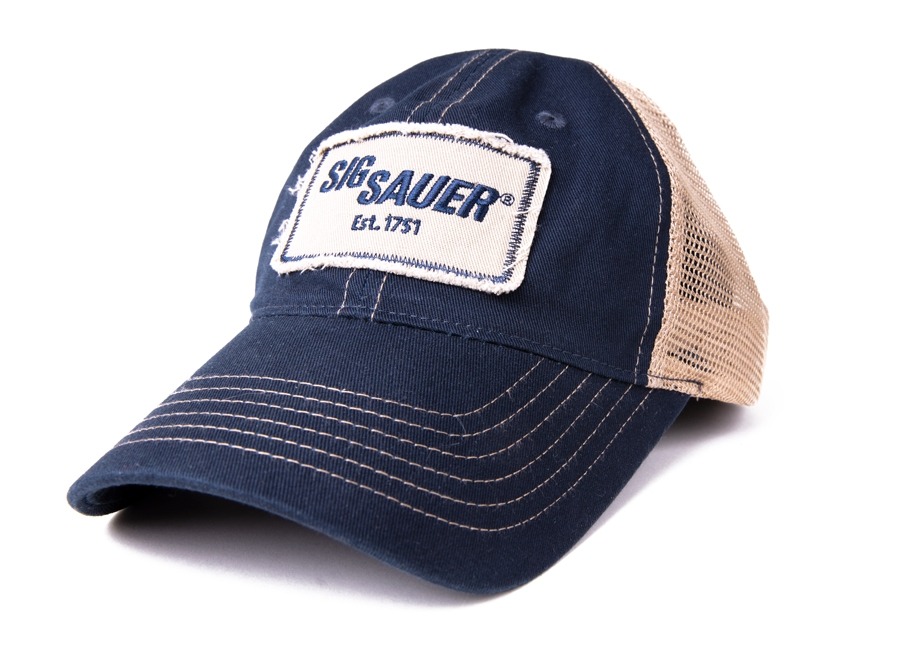
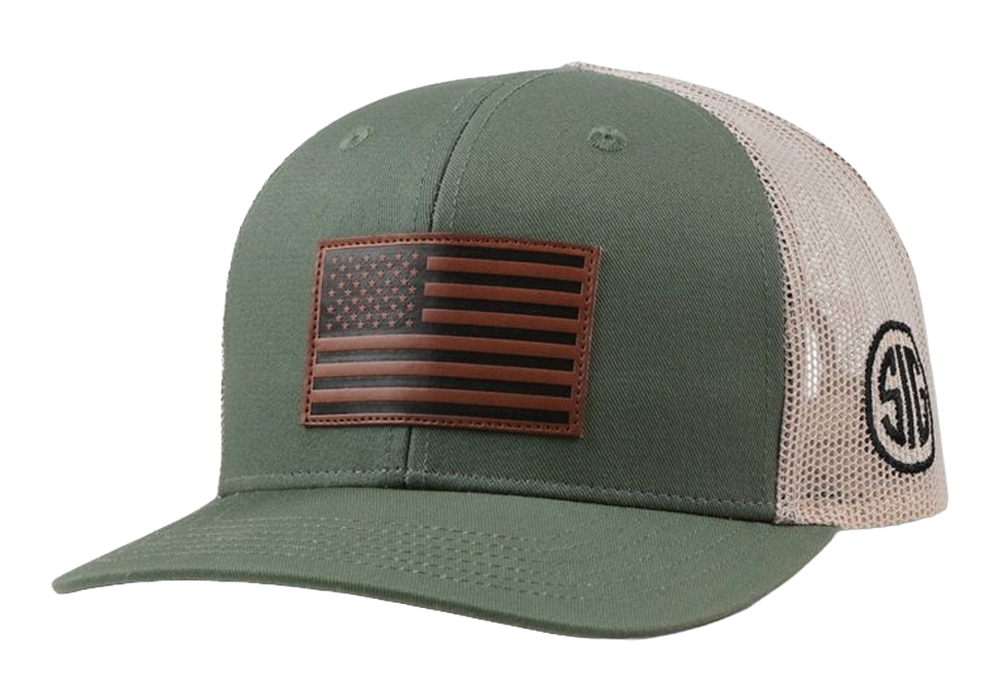
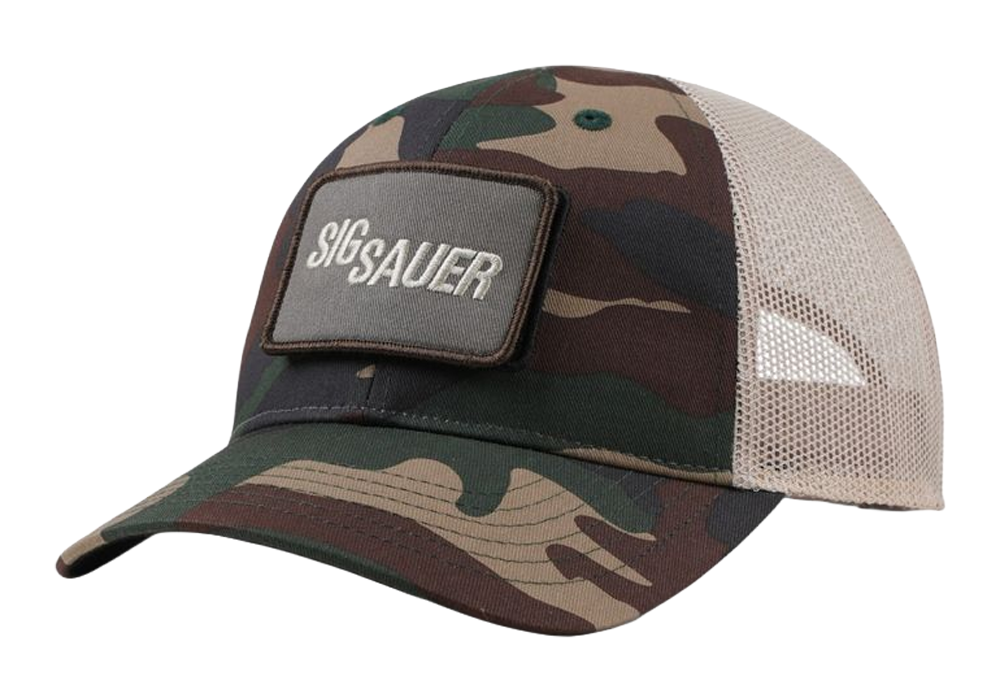
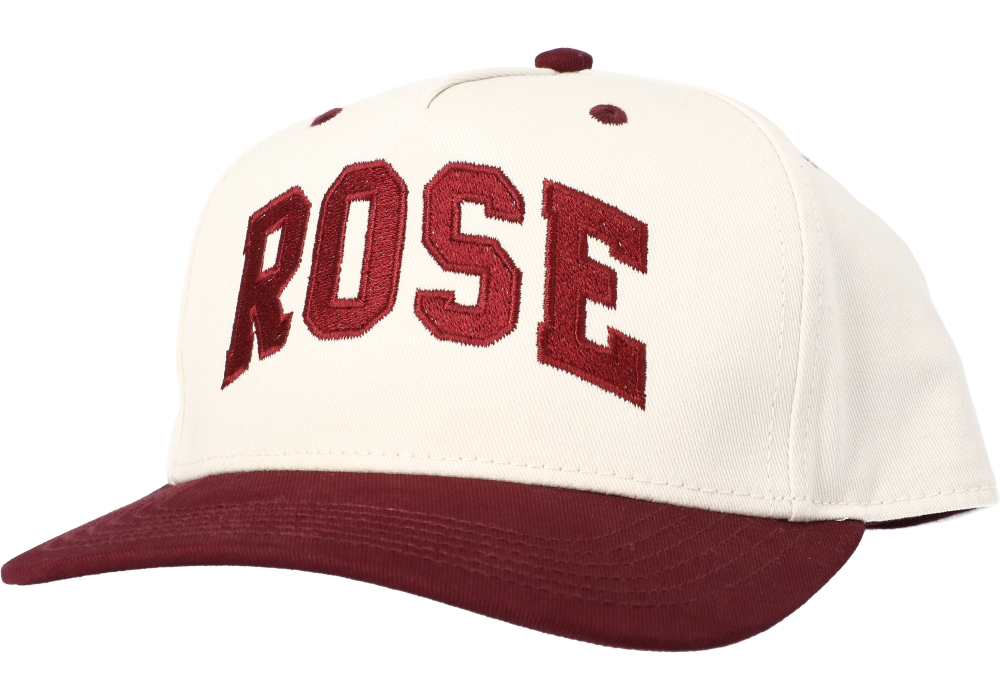
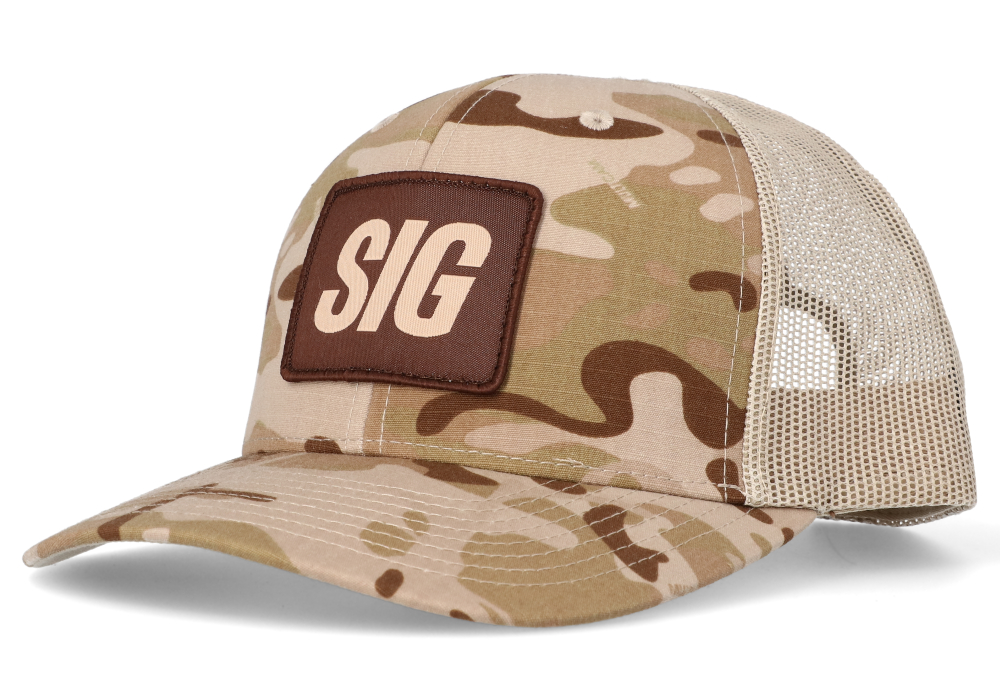
Trucker caps for women combine a casual, recognizable silhouette with practical details for everyday wear: a fabric or foam front, a mesh back, and, in many designs, an adjustable snap closure. The solid front gives embroidery, patches, and simple graphics a clear backdrop, while the open mesh allows air to circulate around the back of the head. That combination distinguishes a trucker cap from a traditional baseball cap with fabric panels all the way around. Within the category, the look can range from understated tonal stitching to contrasting panels and a prominent front patch. Neither approach needs a complicated outfit. A cap can sit just as naturally above a plain T-shirt and jeans as it can alongside joggers, a casual button-down, or clothing worn for an afternoon at the range. Materials influence both the appearance and the feel. Cotton twill has a familiar woven texture and can develop a relaxed character with regular wear. Polyester fabrics generally resist wrinkling and help a cap retain a tidy appearance, while blended fabrics balance different qualities according to their composition. Foam fronts create a smooth, dimensional surface with a distinctly retro look; fabric fronts can appear more subtle, especially when the stitching and panels share a color. Mesh also varies, from fine openings with a relatively smooth feel to a more visible open weave. These details matter because a cap is often worn repeatedly, becoming part of a familiar routine rather than an accessory reserved for one outfit. For someone heading to a sporting event, packing for a road trip, walking the dog, or meeting friends after errands, a trucker cap offers an easy finishing touch without requiring a dressed-up look. The most useful style is one that reflects the wearer’s taste and feels natural alongside the clothes already in regular rotation.
Fit is the difference between a cap that looks appealing on a shelf and one that earns a place by the door. Women’s trucker hats do not all share the same dimensions, and a women’s label alone does not establish how closely a particular shape will fit. Head circumference, crown depth, front-panel height, and the adjustment range all affect the result. A lower-profile crown sits closer to the head and usually creates a more compact outline. A taller, structured crown gives the front more presence and leaves additional room above the head, which some wearers prefer and others find too roomy. Structure and height are separate characteristics: a cap can hold its shape without having an especially tall front. The brim contributes to the overall balance as well. A curved brim frames the face differently from a flatter brim, and its width can influence how the cap sits alongside glasses. For extended wear, the inside deserves as much attention as the exterior. Smooth seam coverings, an evenly attached sweatband, and a closure that stays secure without pressing into the head can make a noticeable difference through a full afternoon. An adjustable snapback allows small changes in circumference, but it does not change the depth of the crown or the position of the ear openings. A comfortable fit should feel stable without leaving the forehead pinched or pushing the ears outward. Hair arrangements also affect that fit. A low ponytail may sit through the rear opening, while a low braid or loose hair can work beneath the back edge; the opening’s size and position determine how comfortably each arrangement sits. For range visits, a cap should also work comfortably with the wearer’s eye and hearing protection rather than forcing either out of position. Those practical relationships explain why two caps with similar graphics can feel quite different in use, and why measurements and construction details are more informative than a broad one-size description.
Durability shows up in the small details that remain important after the first few wears. Even stitching around the brim, secure mesh-to-fabric seams, neatly finished embroidery, and a firmly attached adjustment strap all contribute to a cap that holds together through repeated handling. A structured front should retain a balanced shape without deep creases, while the brim should feel consistent rather than uneven along its edge. Embroidered designs add texture, and patches introduce another layer of material, so their edges and backing can affect both appearance and comfort. The broader selection of High Quality Trucker Hats offers another way to explore the category, particularly when construction and everyday versatility matter as much as the front design. Care is part of preserving those qualities. The care label takes priority because fabric, foam, decoration, and internal brim materials can require different treatment. When permitted, gentle spot cleaning with a soft cloth and mild detergent can address marks without soaking the entire cap. Thorough rinsing of the treated area helps prevent residue, and air drying with the crown supported can help maintain its shape. Harsh scrubbing may roughen embroidery or distort mesh, while machine washing and heated drying can affect shape, color, or decorative details unless the care instructions specifically allow them. Storage matters, too: a cap resting on a shelf or hanging from a suitable hook is less likely to develop a crushed front than one compressed beneath other belongings. For gifting, trucker caps suit people who already reach for casual headwear, enjoy sporting events, spend time at the range, or prefer an uncomplicated accessory for travel and everyday outings. An adjustable closure offers flexibility, though the recipient’s preferred crown shape and usual fit still matter. A familiar color, restrained graphic, or meaningful design can feel more personal than a bold choice that does not match the wearer’s habits. The strongest everyday choice brings together an appealing look, comfortable proportions, and care requirements that fit easily into normal use.