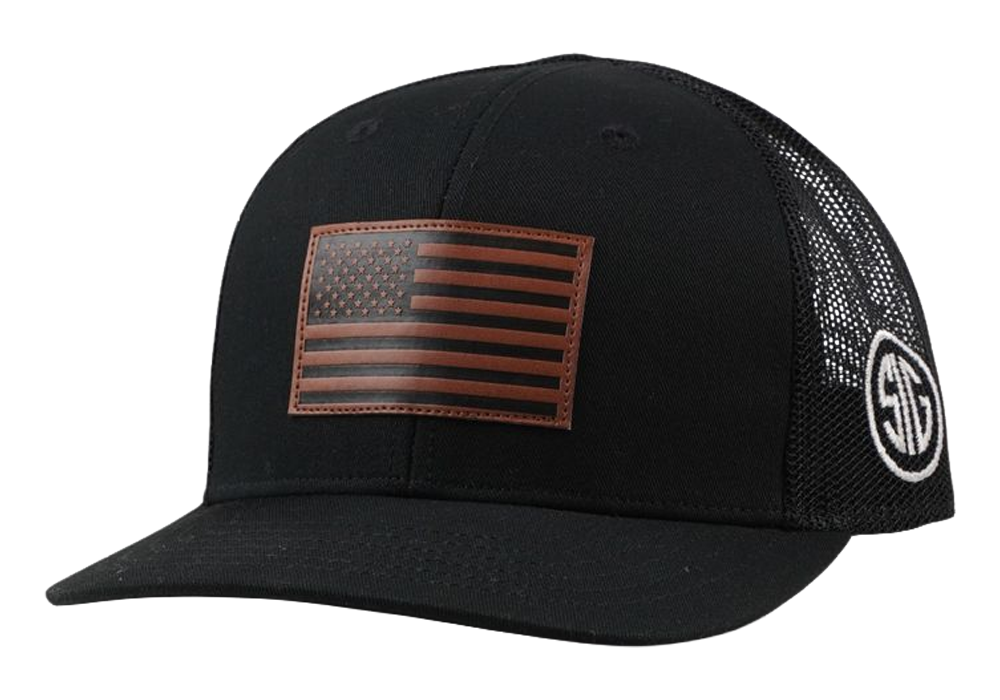
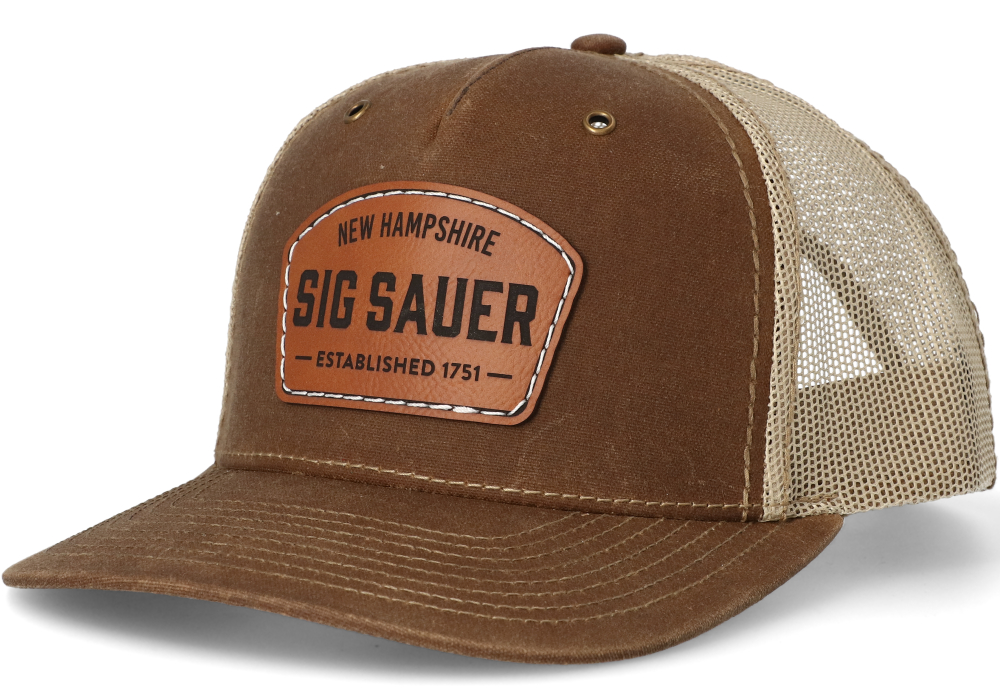
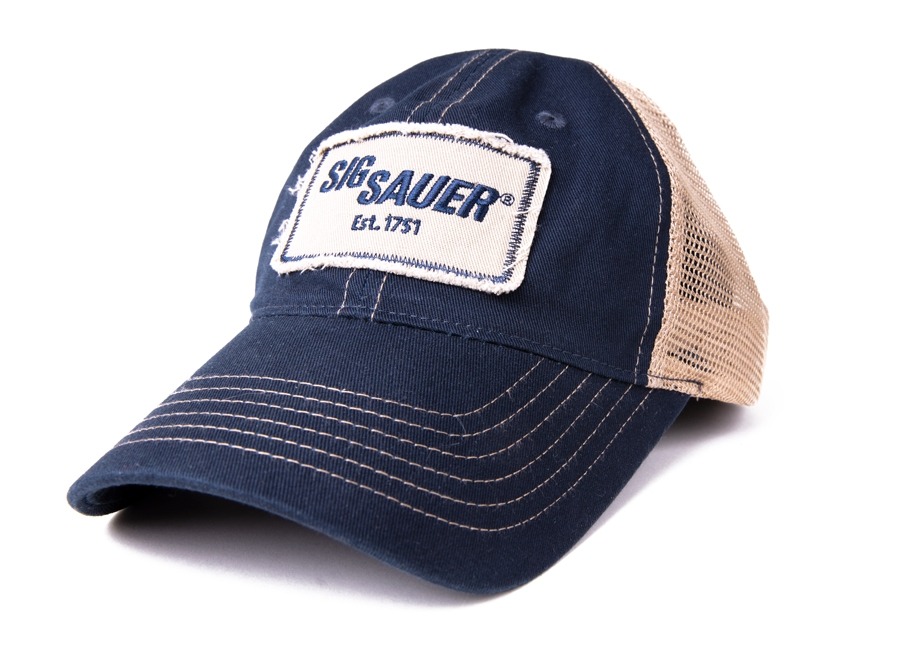
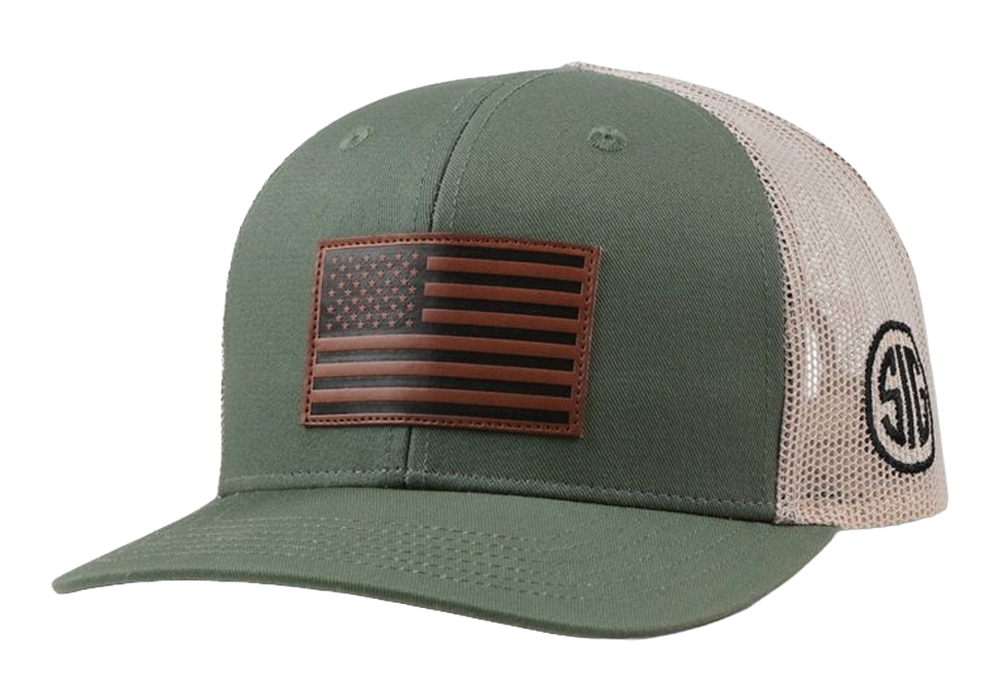
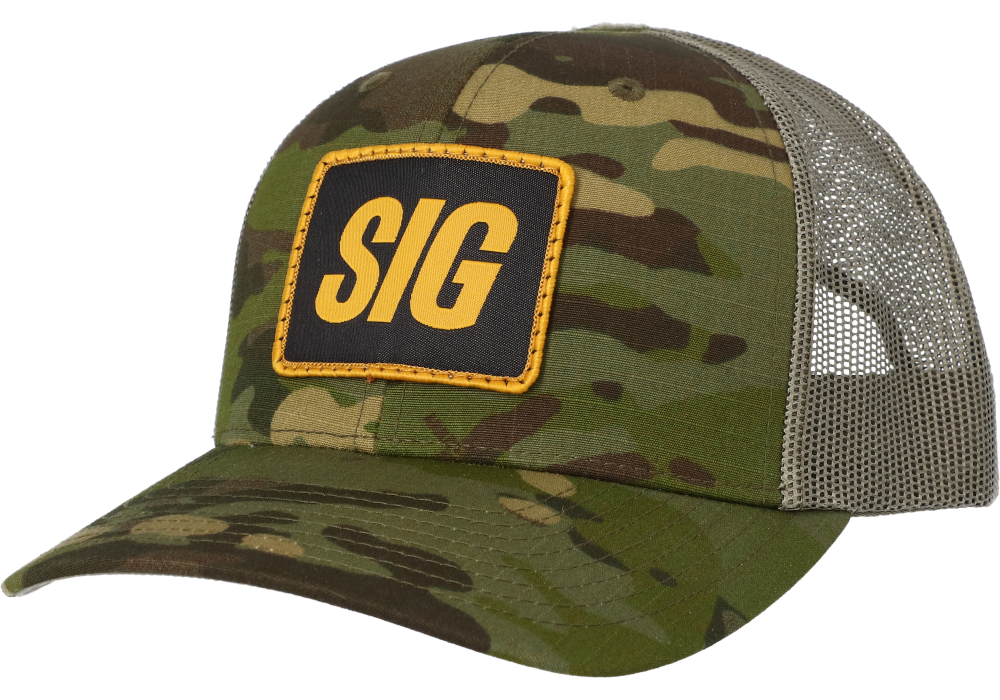
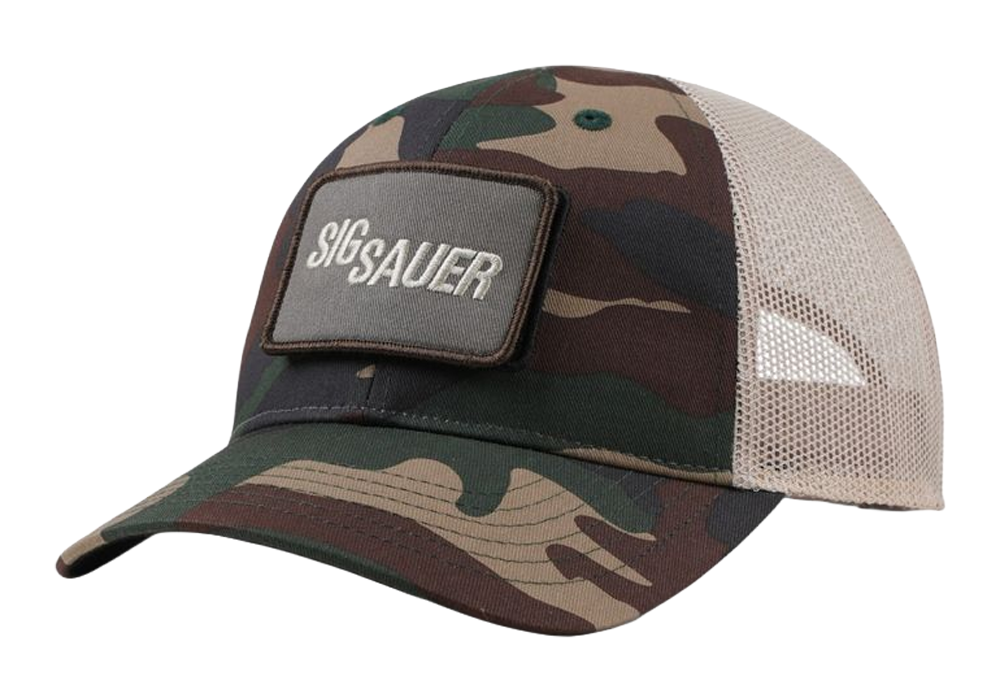
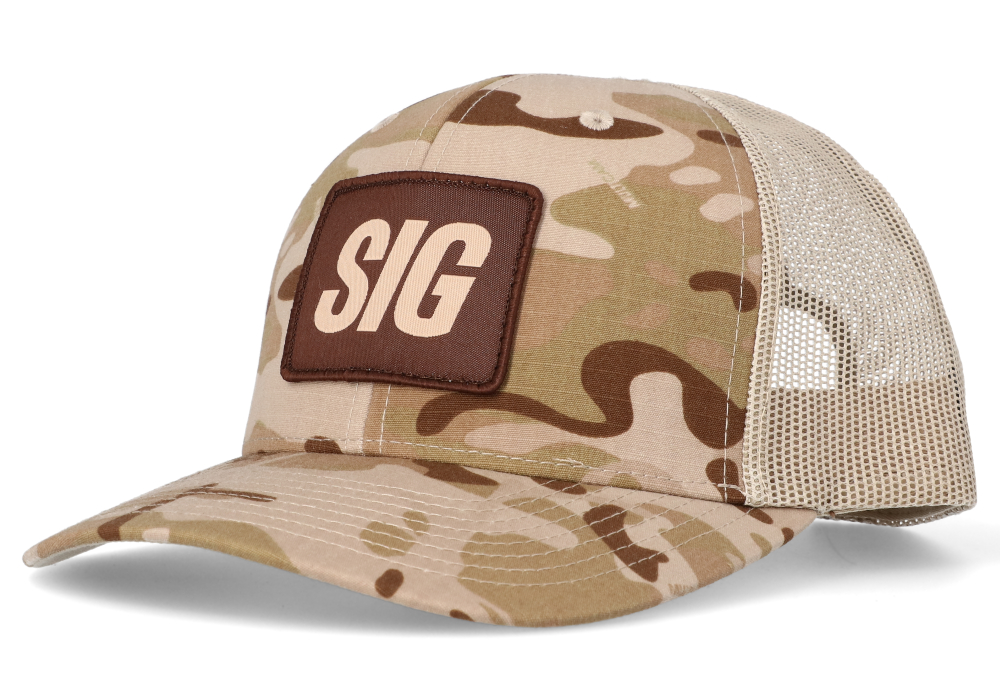
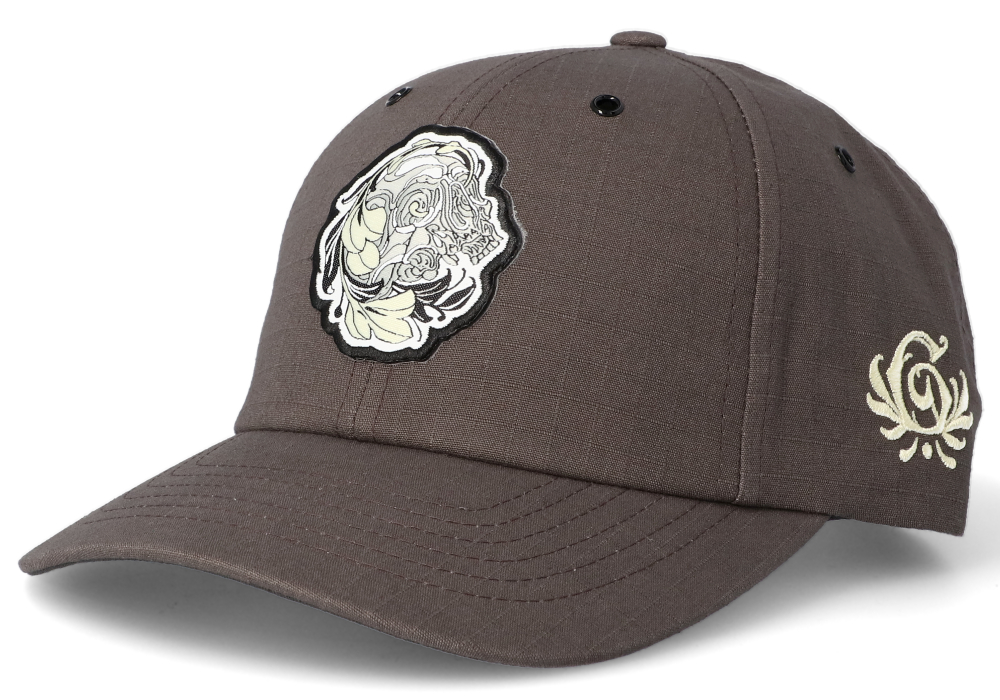
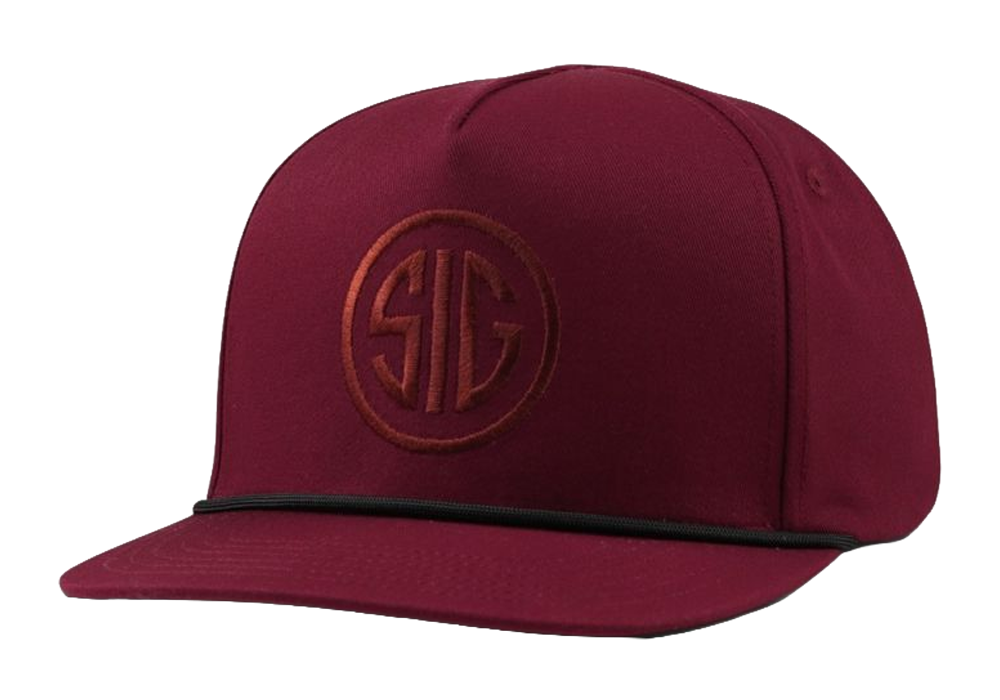
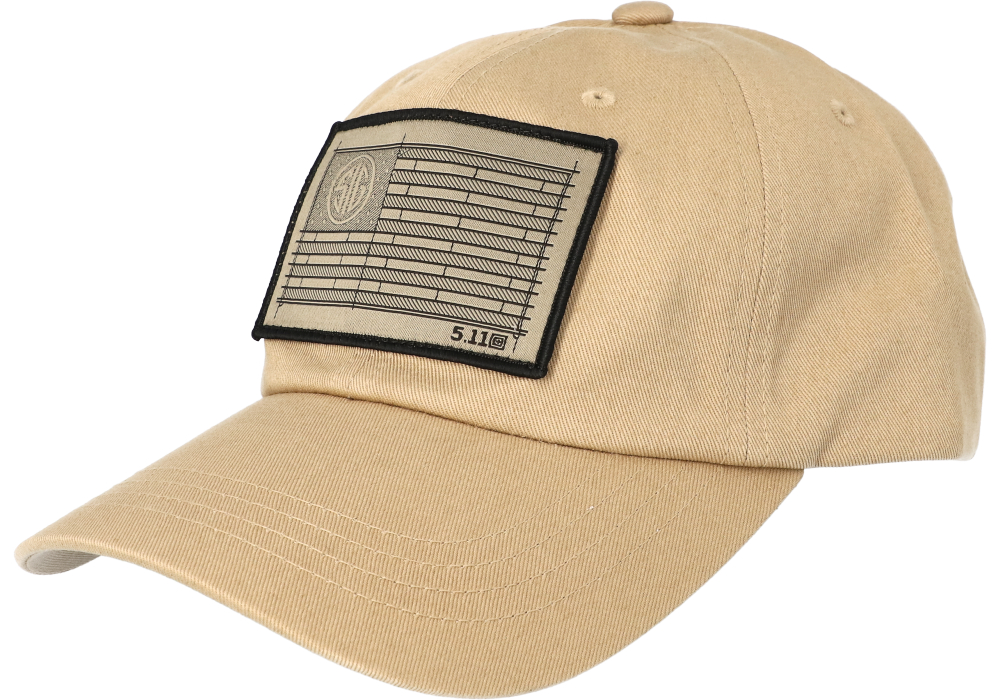
Modern trucker hats combine a solid front panel, a breathable mesh back, and a brim in a silhouette that brings workwear heritage into everyday casual style. Their contemporary character comes from proportion and finish: a balanced crown, thoughtful color combinations, comfortable mesh, and graphics that feel integrated rather than oversized. Mid-profile crowns offer a middle ground between tall, boxy shapes and close-fitting caps, while lower-profile designs create a more understated outline. A structured front holds its shape and gives embroidery or a patch a defined surface; a softer front follows the head more closely and tends to look relaxed. Neither construction is inherently better, but each changes how the hat looks from the side and how it feels during a full day of wear. Five-panel construction often provides an uninterrupted front surface, while six-panel construction introduces a center seam and a more segmented crown. These details can influence graphic placement, though the finished proportions matter more than the panel count alone. A curved brim frames the face with a familiar casual shape, while a flatter brim creates a broader, more angular line. Some brims allow gentle shaping, but stiff inserts should not be forced beyond their intended contour. For a clean everyday look, tonal embroidery, small patches, and restrained contrast keep attention on the silhouette and fabric texture. Bolder graphics and contrasting front and back panels give the same basic form a more expressive character. Dark neutrals sit easily alongside denim, canvas jackets, and simple T-shirts, while earth tones and lighter neutrals introduce variation without requiring a coordinated outfit. A modern trucker hat does not need an elaborate graphic to stand out; an even brim curve, tidy stitching, and a crown that sits naturally can provide plenty of character. The strongest visual choice is usually one that feels consistent with the wearer’s usual clothing, whether that means a quiet finishing touch or a recognizable focal point.
Materials determine much of a trucker hat’s feel, shape retention, and everyday comfort. Cotton twill fronts offer a familiar woven texture, while polyester fabrics and blended constructions can provide different combinations of lightness, resilience, and drying behavior. Foam-front designs have a distinctively smooth, cushioned appearance, often associated with retro styling, whereas fabric fronts can look more tailored. Mesh also varies considerably. Fine, flexible mesh generally feels different against the head than coarse, rigid netting, and the seams joining it to the front panels deserve as much attention as the mesh itself. Recycled fibers may appear in some constructions, but recycled content is a material detail rather than a guarantee of comfort or longevity. Those qualities still depend on fabric selection, stitching, and overall construction. Inside the crown, the sweatband creates the main contact surface around the forehead. A soft band with neatly finished edges can help prevent distracting pressure or rubbing, particularly during errands, travel, or an extended walk. Moisture-wicking fabrics are intended to move perspiration through the material, although performance varies by construction and use. Fit involves more than the adjustment at the back: crown depth determines how far the hat sits down, and the front profile affects the space above the forehead. An adjustable snapback offers a range of settings, not a universal fit. Head circumference, hairstyle, and the position of the ears all influence comfort. A secure fit should feel steady without leaving a tight band of pressure, and the lower edge should not repeatedly push against the tops of the ears. Glasses wearers may prefer a brim position that leaves room above the frames. For range use, crown seams and rear adjustments should sit comfortably with hearing protection without interfering with its fit. Durable construction shows up in consistent seams, secure patch edges, a firmly attached sweatband, and an adjustment that holds its setting. These less conspicuous details often matter more over repeated wear than a decorative feature visible across a room.
Everyday use leaves its own marks on headwear: fingerprints along the brim, perspiration around the inner band, dust caught in mesh, and scuffs from being tucked into a bag. Care that respects the construction helps preserve both appearance and fit. The care label takes priority because front-panel fabrics, mesh, graphics, and brim inserts may require different treatment. A soft brush can lift loose surface debris, and light spot cleaning with a mild solution may suit washable fabrics when the label permits it. Embroidery and patch borders benefit from a gentle touch rather than vigorous scrubbing. Saturating an entire hat can distort certain fronts or affect brim materials, so full washing should depend on the stated care directions rather than an assumption that every trucker hat can handle the same routine. After appropriate cleaning, reshaping the crown and allowing it to air-dry can help maintain its outline. High heat, forceful wringing, and heavy objects pressed against the crown can alter the fit or leave creases that are difficult to remove. Between wears, a shelf, hook, or suitable compartment keeps the hat accessible without crushing its front. These practical considerations suit the way modern trucker hats are often worn: on a drive, at a casual gathering, while walking the dog, or during time spent at the range. Their familiar shape also makes them a thoughtful gift for someone who regularly wears casual headwear. Matching the recipient’s preferred crown height, brim shape, and graphic style is more useful than choosing solely by color. An adjustable closure adds flexibility, but a familiar fit remains the strongest starting point. For another collection centered on this recognizable mesh-back silhouette, explore Fall Trucker Hats. Whether the preference is restrained or graphic-forward, comfortable proportions and considered construction give a trucker hat a natural place in an everyday wardrobe.