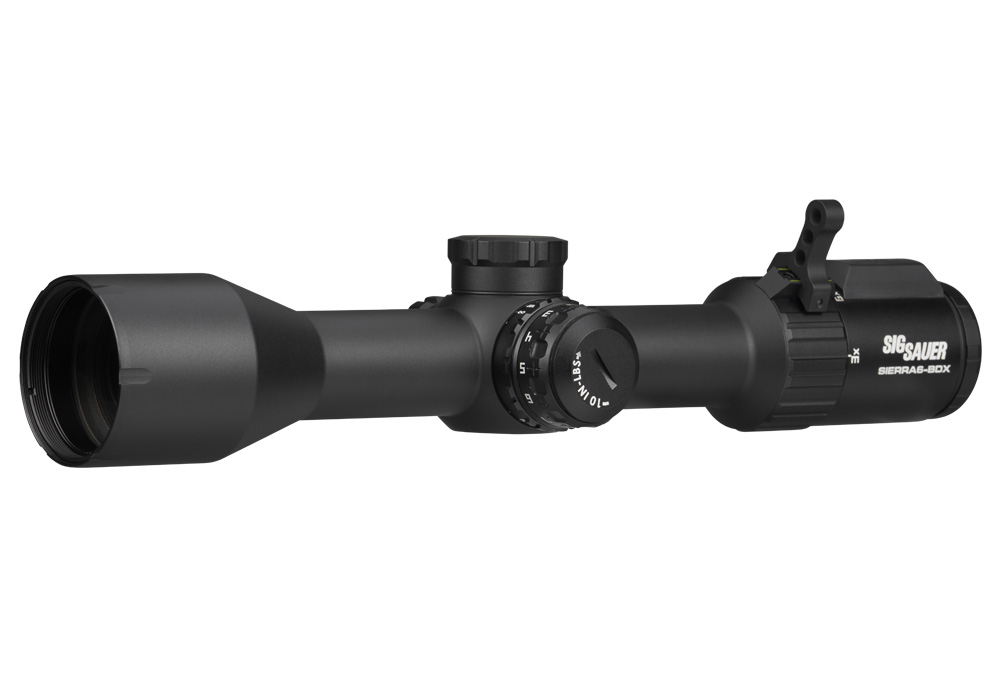
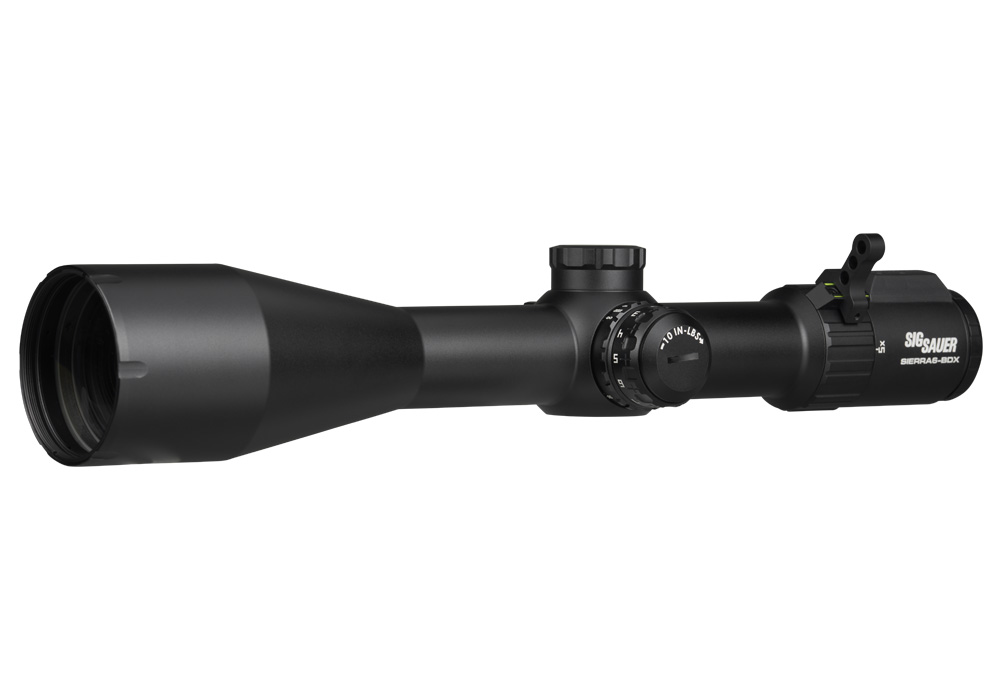
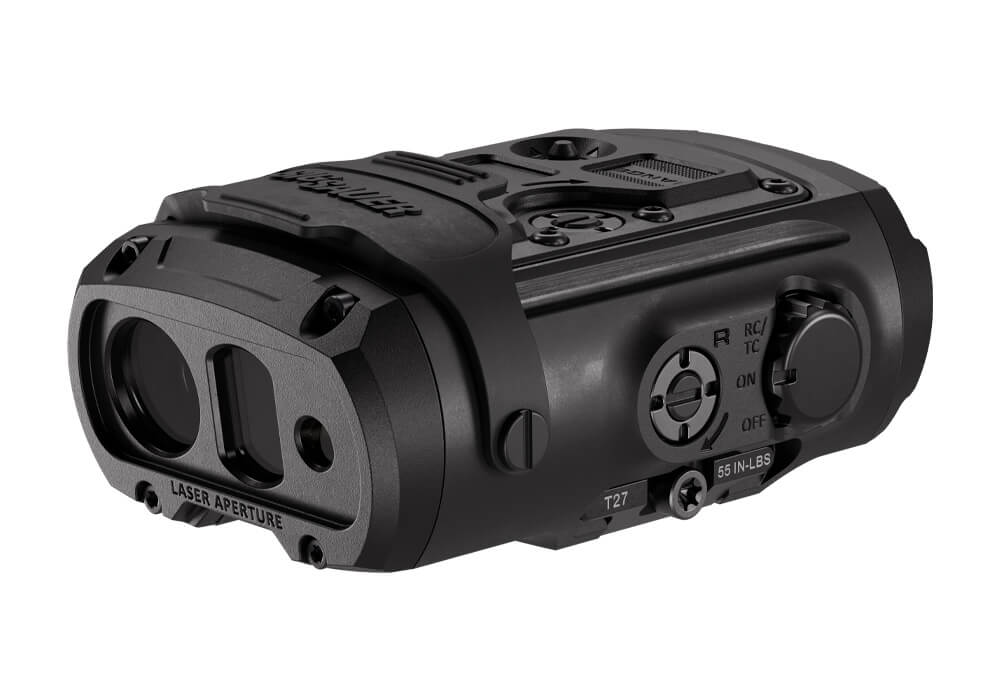
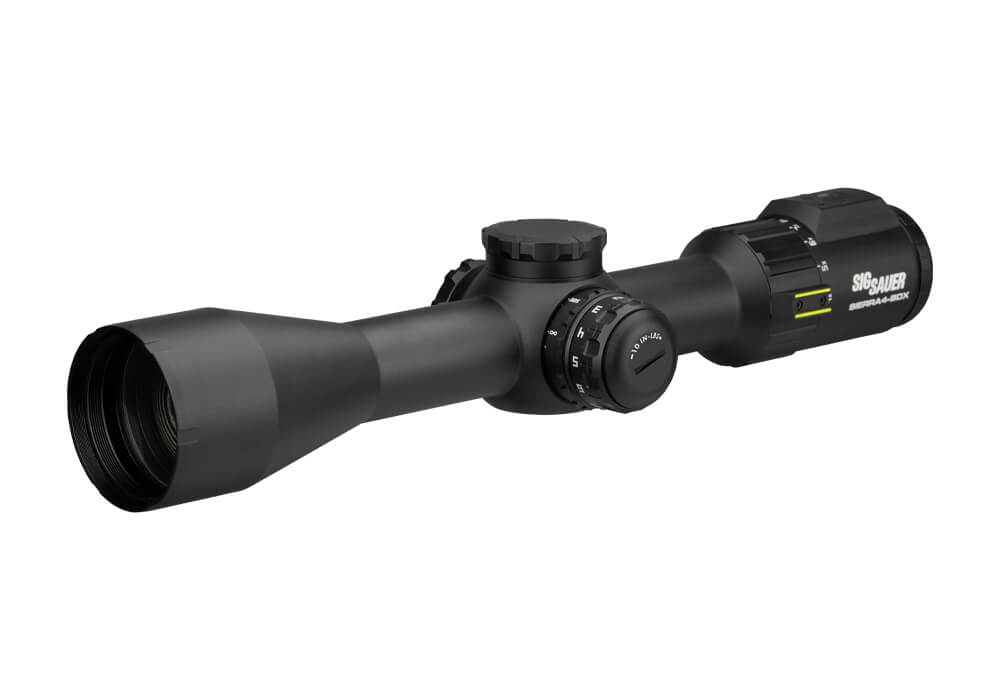
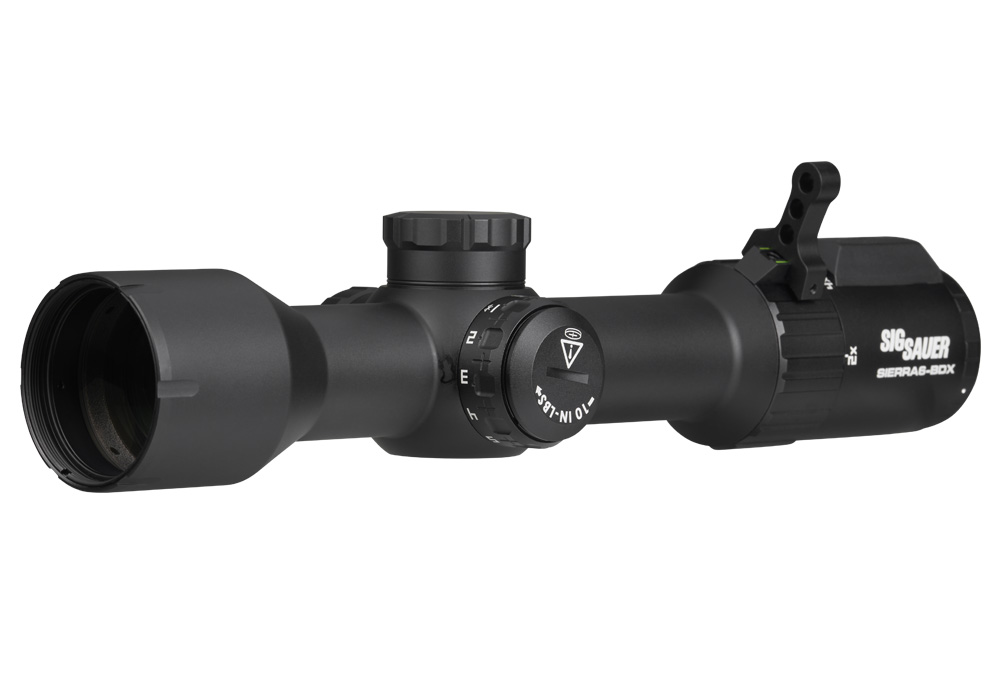
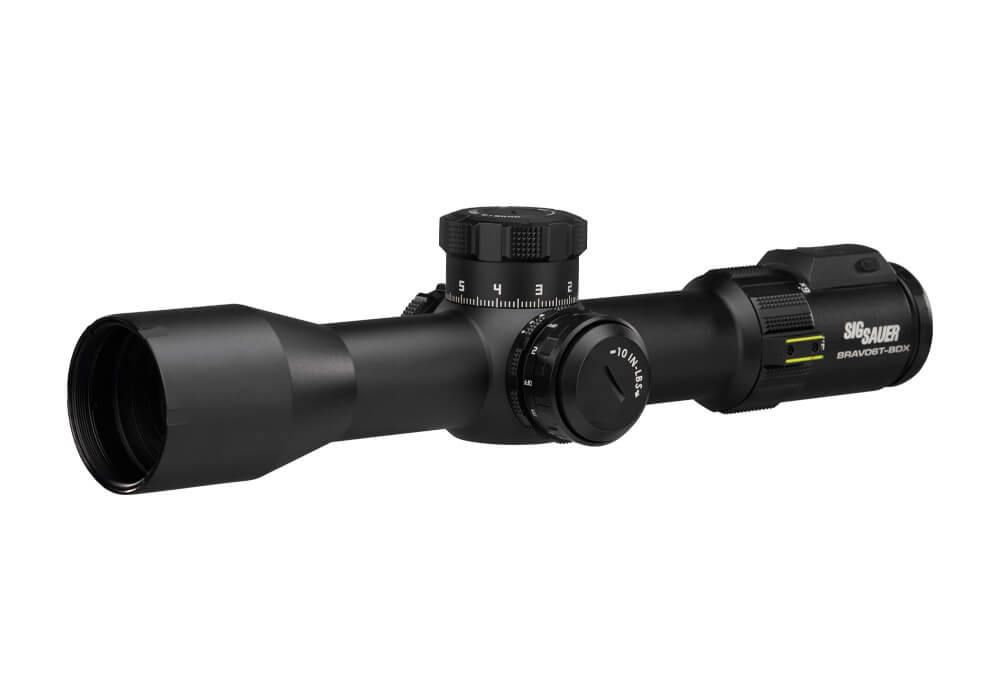
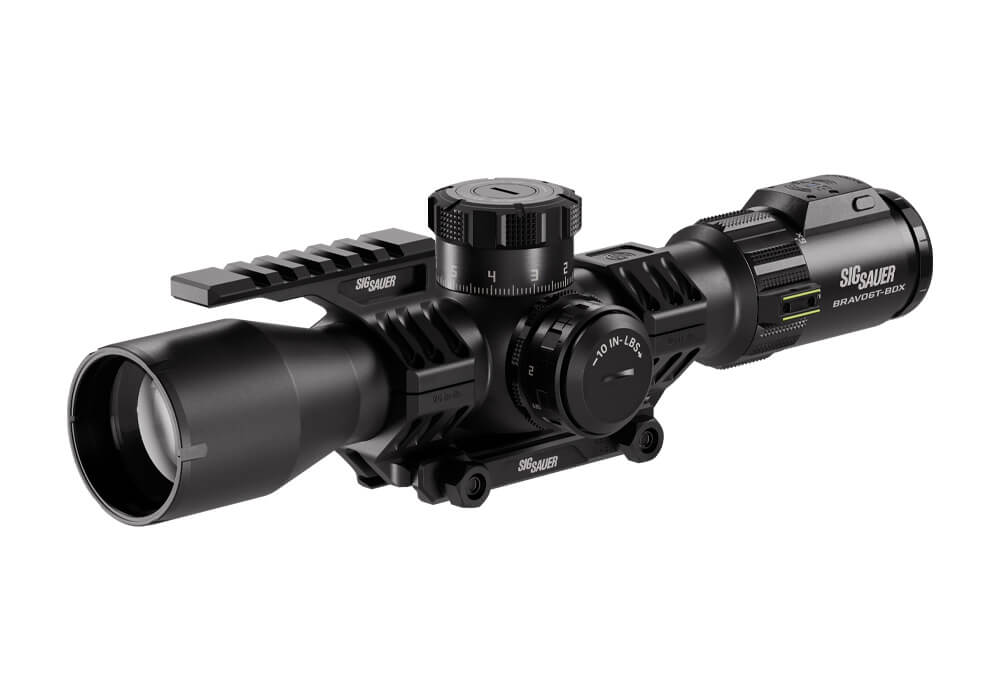
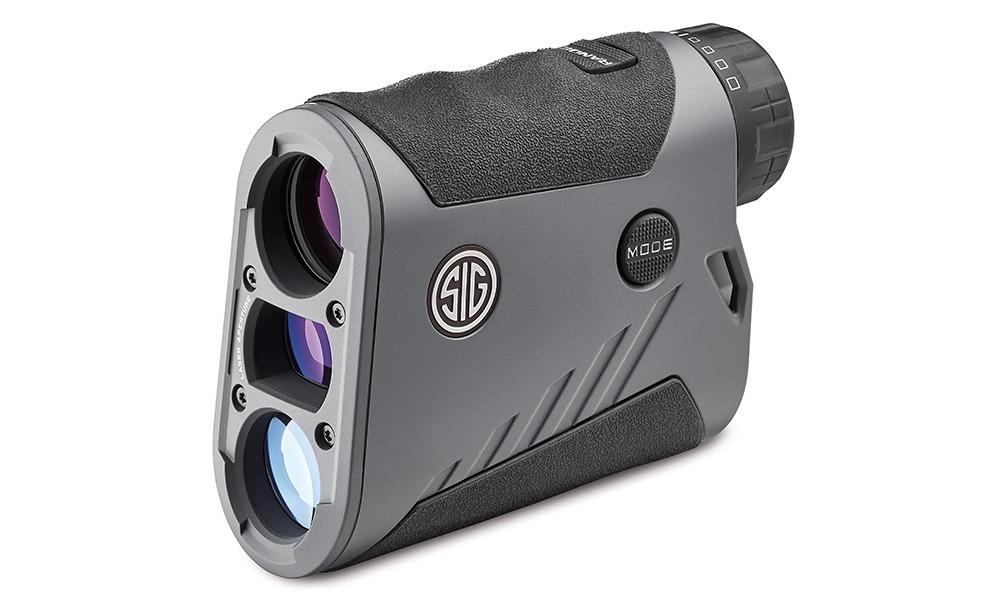
Hunting optics with a ballistic calculator bring together optical viewing, distance information, and trajectory modeling to provide an aiming reference matched to a rifle and ammunition combination. Depending on the design, that calculation may take place inside a laser rangefinder, a rangefinding binocular, an electronic riflescope, or a connected system that shares information between devices. Some configurations display a recommended elevation correction on the ranging screen; others communicate with a compatible scope to illuminate a corresponding reference in the reticle. These arrangements serve a similar purpose, but they differ in how the hunter receives and uses the information. An integrated design keeps several functions in one housing, while a connected setup allows separate viewing, ranging, and aiming components to work together. The calculation typically draws on a ballistic profile containing details such as muzzle velocity, projectile characteristics, sight height, and the rifle’s established zero. Measured distance, shooting angle, and supported atmospheric inputs can further refine the result. A deer standing near the edge of a clearing and an animal across an open hillside may appear similarly sized through magnified glass, yet their actual distances and angles can be quite different. Ranging information helps resolve that uncertainty, while the calculator translates the entered profile and supported measurements into a useful aiming reference. That reference remains an estimate rather than a promise of impact. Incorrect profile information, an unconfirmed zero, or a change in ammunition can affect its relevance. Wind information also requires careful interpretation: a calculator can account for supplied wind values, but it cannot establish every air movement along the projectile’s path. For hunters, the value lies in having relevant information presented clearly without confusing a calculated solution with permission to take a shot. Positive identification, an unobstructed view, awareness of what lies beyond the animal, and an honest assessment of personal shooting limits remain essential. Electronics support those judgments; they do not replace them.
Optical quality and physical fit remain just as important as the calculator itself. A clear image with useful contrast helps separate an animal’s outline from brush, shadow, and uneven terrain, while a readable reticle or display keeps the aiming information accessible without overwhelming the view. Magnification should suit the landscape and the distances normally encountered. Lower settings offer a broader field of view for locating an animal near timber or following its movement through a clearing, whereas greater magnification can support closer observation across open ground. A larger objective lens may offer optical benefits, but it also adds bulk and can affect mounting height, cheek position, and the balance of a hunting rifle. Eye relief, the usable viewing area behind the scope, and accessible controls all influence how comfortably the optic works from realistic field positions. Focal-plane design affects how reticle markings relate to the image as magnification changes, and any ballistic references need to match the manufacturer’s specified settings. Compatibility matters throughout the system: mounting dimensions, ring height, recoil suitability, supported devices, and software requirements can determine whether the components function together as intended. Materials and construction contribute to long-term practicality as well. Riflescopes commonly use aluminum housings to balance strength and weight, while handheld rangefinders and binoculars may use reinforced housings with textured or rubberized surfaces for grip. Protective lens coatings, sealed optical chambers, and clearly stated resistance ratings are useful distinctions when equipment travels against pack straps, rides over rough trails, or encounters dust and moisture in the field. Those ratings should be considered individually rather than assumed across every optic. Care is generally straightforward: loose grit should be removed before wiping a lens, optical surfaces benefit from appropriate cleaning materials, and protective covers help limit abrasion in transport. Battery compartments, connection points, and exterior controls also deserve attention according to the manufacturer’s recommendations. A durable housing protects the technology inside, but careful handling and routine inspection help preserve both the image and the reliability of the system.
The most suitable hunting optics with a ballistic calculator fit the hunter’s actual routine, not simply a list of electronic features. Someone who covers long stretches of broken country may appreciate ranging binoculars that combine observation and distance measurement, while a hunter who already prefers a particular riflescope may favor a compatible handheld rangefinder and connected ballistic system. An integrated rangefinding scope offers another approach, keeping the distance reading and aiming reference within the same viewing arrangement, though its dimensions and weight still need to suit the rifle. Display brightness, control placement, and the number of steps required to retrieve information can make a meaningful difference when an animal is visible only briefly between branches. Wireless connectivity can simplify sharing a profile or sending a ranging result, but compatibility, battery needs, and operation without a phone nearby are important ownership considerations. Clear menus and understandable status indicators are often more useful in the field than functions that rarely get used. Profile storage can also be helpful for hunters who use different rifle and ammunition combinations, provided the selected profile accurately matches the equipment in hand. Time spent at a range confirming the optic’s zero and checking calculated references against observed results builds familiarity with the system before a hunt. Hunters comparing electronically calculated aiming references with reticles calibrated for a chosen trajectory can also explore Hunting Optics With Custom BDC for a related approach. A custom BDC reticle generally provides established reference marks, while an electronic calculator can generate corrections from measured distance and the information its system supports. Both approaches depend on a sound match between the optic, rifle, ammunition, and intended use. These products can be thoughtful gifts for experienced hunters who value careful preparation, although mounting requirements and device compatibility make recipient preferences especially important. For new and seasoned hunters alike, the lasting appeal is a practical combination of clear observation, dependable ranging, understandable ballistic information, and equipment that feels comfortable enough to carry throughout a hunt.