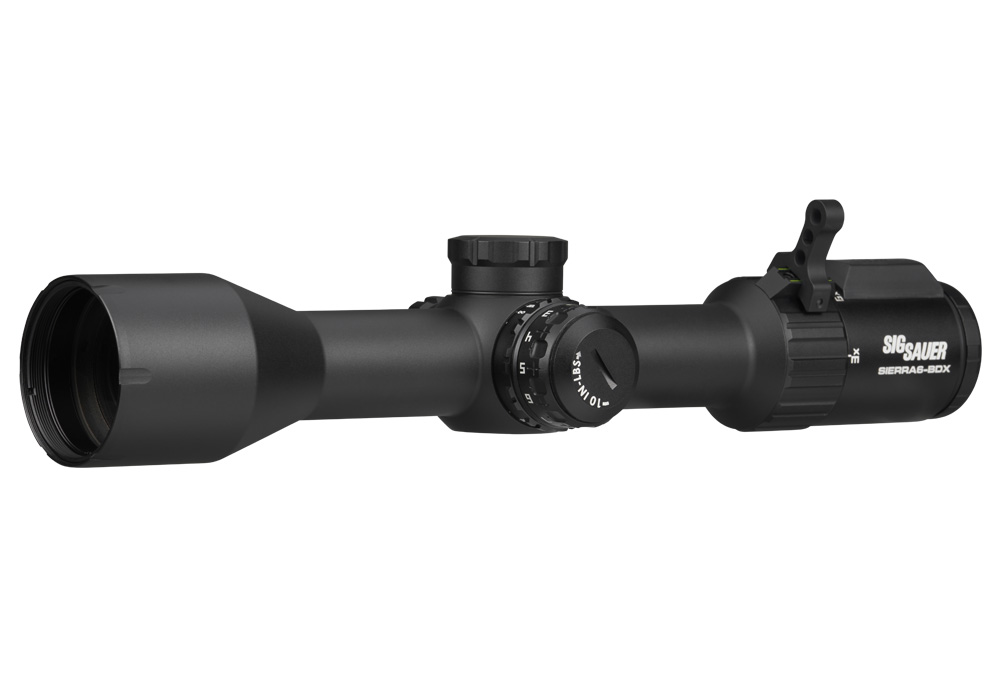
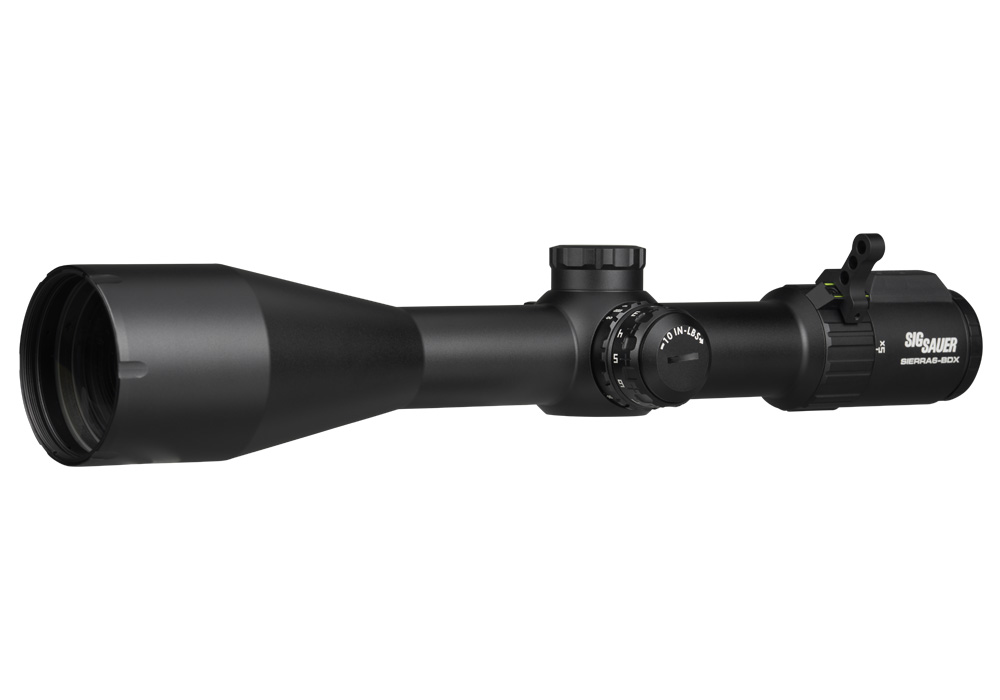
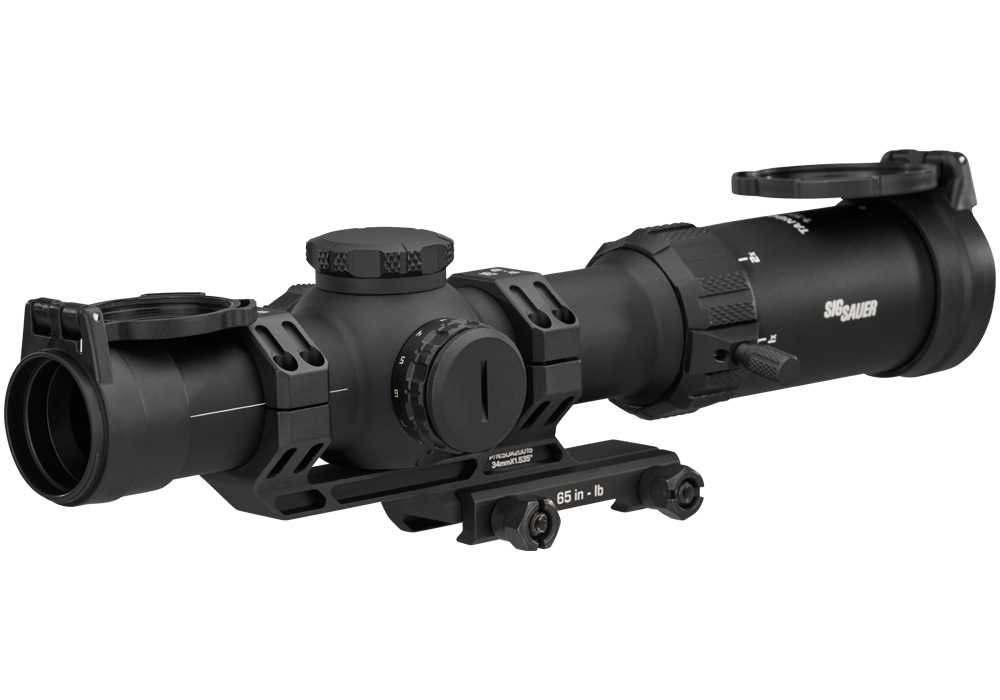
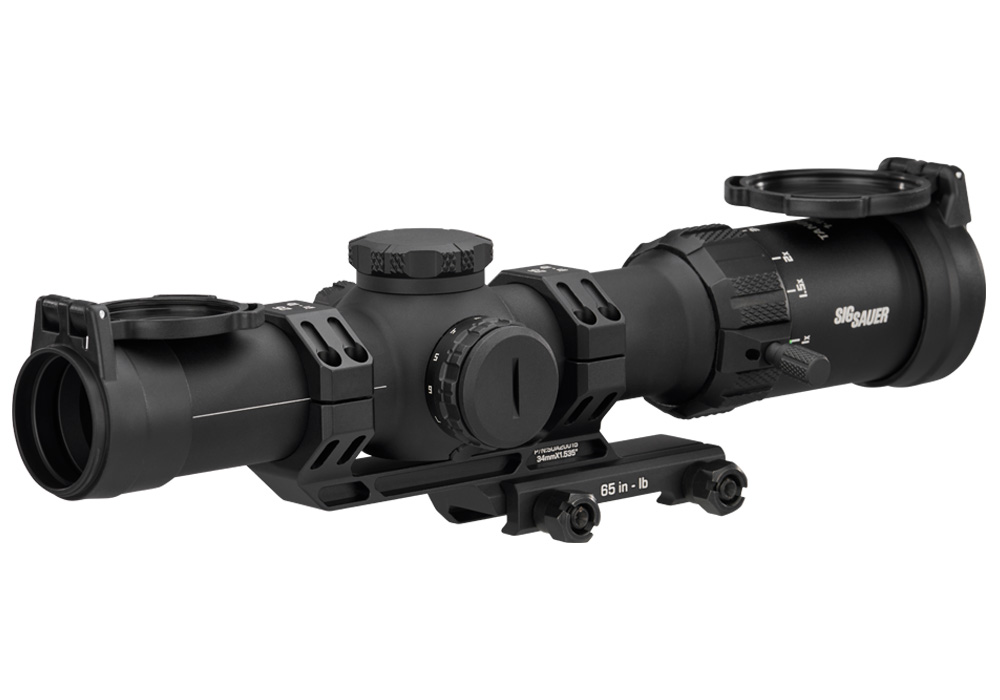
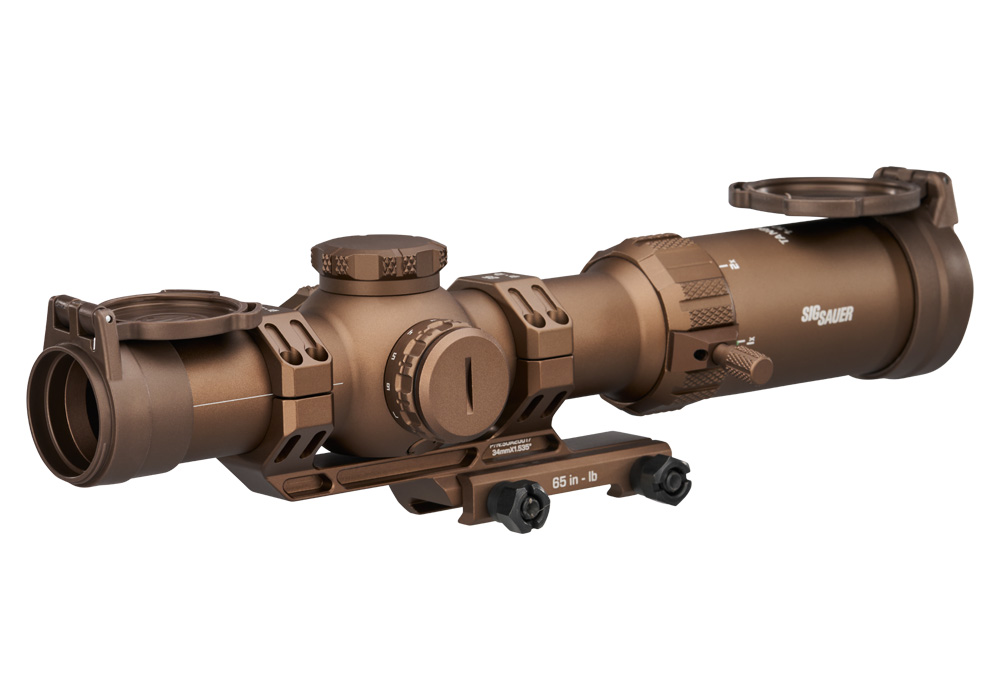
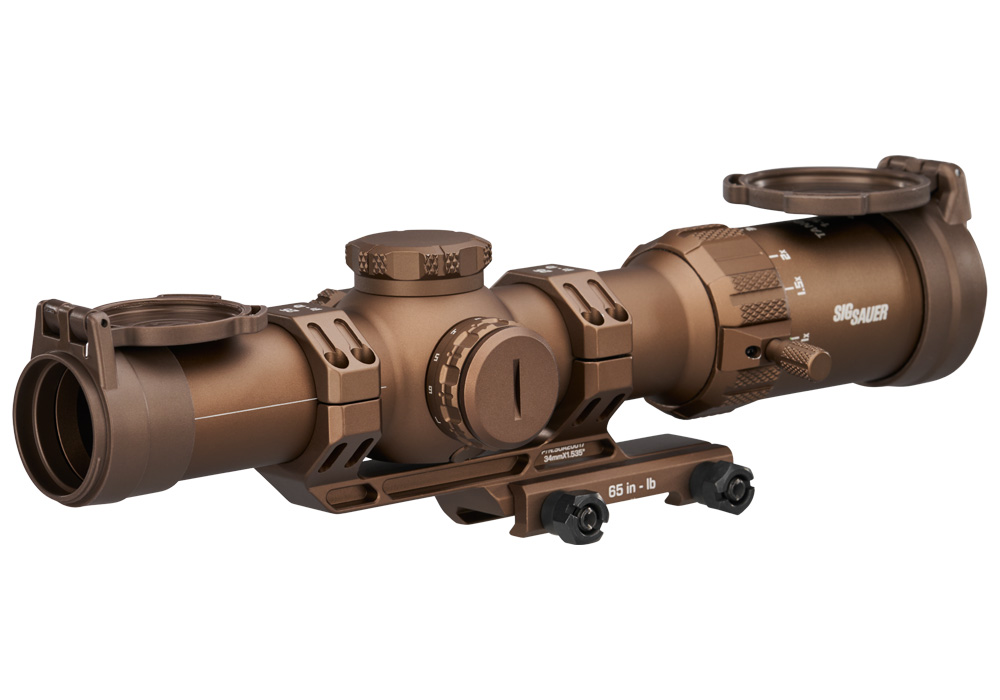
Hunting optics with custom BDC features are designed for hunters who want a more deliberate way to account for bullet drop at varying distances. A bullet drop compensating reticle uses calibrated aiming points, hash marks, or elevation references that correspond to specific ranges, while a custom elevation turret may use distance-marked adjustments based on a particular cartridge, bullet, muzzle velocity, and trajectory. Instead of relying entirely on memory or estimating holdover in the field, a hunter can range a target and use the appropriate aiming reference or dial setting. That can be especially useful when a clear lane opens across a cutover, canyon, meadow, or timber edge and the distance is different from the one used during sight-in. Custom BDC systems are most effective when they are matched to the ammunition and rifle rather than treated as universal solutions. Factory-calibrated references are generally based on standard ballistic assumptions, but actual performance can vary with barrel length, bullet weight, velocity, atmospheric conditions, and the way a rifle is zeroed. A hunter using a lightweight mountain rifle, a standard hunting cartridge, a magnum load, or a carefully developed handload may see meaningful differences from the trajectory printed in a generic reticle description. For that reason, shoppers should compare the optic’s intended cartridge or ballistic profile with their own setup and confirm the true point of impact at each marked distance before heading into the field.
When evaluating hunting optics with custom BDC, magnification, reticle design, adjustment style, and focal plane are important considerations. In a second focal plane optic, the reticle remains the same apparent size as magnification changes, and its calibrated holdover references are typically accurate at one designated power setting, often the highest setting or the power identified by the manufacturer. A first focal plane optic changes reticle size with magnification, allowing the BDC references to remain proportionally useful throughout the optic’s magnification range. Neither configuration is automatically right for every hunter. A second focal plane scope can offer a clean, familiar sight picture for ordinary hunting distances, while a first focal plane design may appeal to someone who expects to vary magnification while using distance-based holdovers. Custom turrets provide another approach by letting the shooter dial a specified distance rather than hold over using marks in the reticle. Digital ballistic systems may combine a rangefinder, ballistic profile, and optic display to provide a calculated aiming reference, but they still depend on accurate inputs and a verified zero. Before relying on any BDC system, confirm muzzle velocity with suitable equipment when possible, enter the correct bullet and environmental information, and test the rifle from a stable position at realistic distances. A range session during the warmer part of the season can reveal whether the elevation marks align with actual impacts, while additional practice during cooler conditions can show how temperature, clothing, and field positions affect the shooting process. Wind remains a separate and significant factor: a BDC reference primarily addresses vertical bullet drop, while crosswind, changing wind angles, and velocity loss can influence the bullet’s path beyond what a fixed reticle can predict.
These optics can suit experienced hunters refining a familiar rifle as well as newer hunters building confidence with a repeatable aiming system. They are useful for open-country pursuits where distances may stretch across rolling grass, rocky slopes, or wide timber openings, and they can also serve hunters who simply appreciate having clear, organized references when conditions become busy. A custom BDC optic may be a thoughtful gift for a hunter who has recently changed cartridges, added a new rifle, or begun taking longer-range practice more seriously, provided the recipient’s caliber, ammunition, and preferred zero are known. It is also a practical choice for someone preparing for a guided hunt in unfamiliar terrain, where a quick range estimate and a confirmed holdover can simplify the final sight picture without replacing sound judgment. Hunters should remember that marked distances are not a substitute for range practice, careful shot selection, or knowledge of local regulations. Fixed BDC systems can become less exact as distance increases, particularly when wind and declining velocity introduce more variables, so every reference should be treated as a starting point that must be verified on the individual rifle. A ballistic calculator can help compare expected trajectories, evaluate different loads, and account for inputs such as sight height, velocity, bullet characteristics, elevation, and temperature; shoppers seeking that additional planning support can explore Hunting Optics With Ballistic Calculator. Once the optic is mounted securely, leveled, and zeroed, a few quiet practice sessions can make the system feel natural: range the target, confirm the distance, settle the reticle, account for wind, and maintain a steady, ethical shooting decision. During the cooler months, when layered clothing, changing light, and shifting weather are part of the hunt, that familiarity can be as valuable as the custom markings themselves.