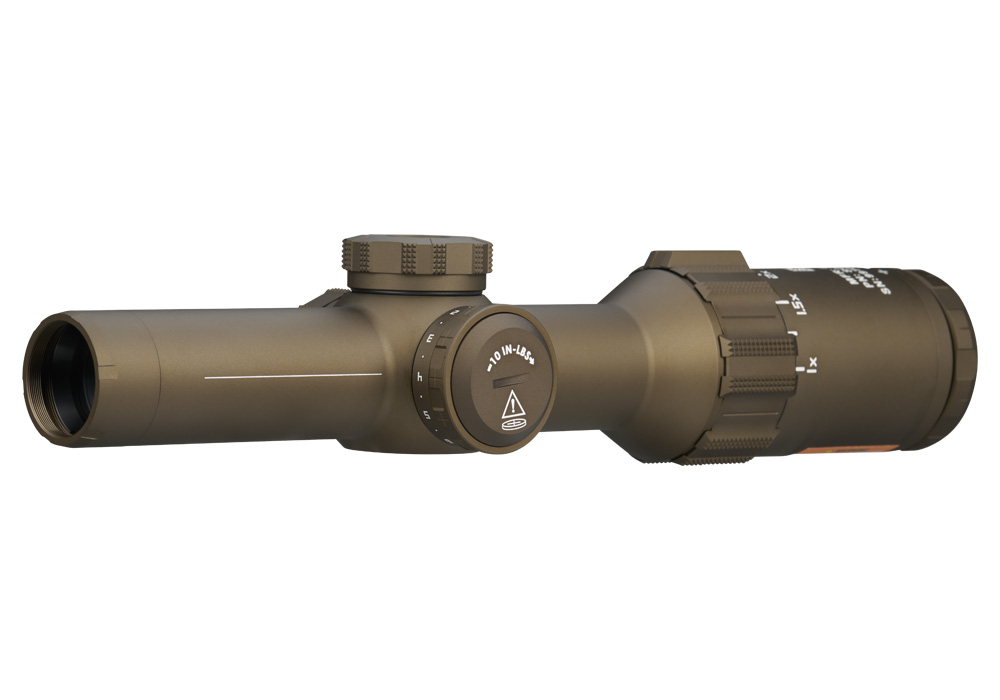
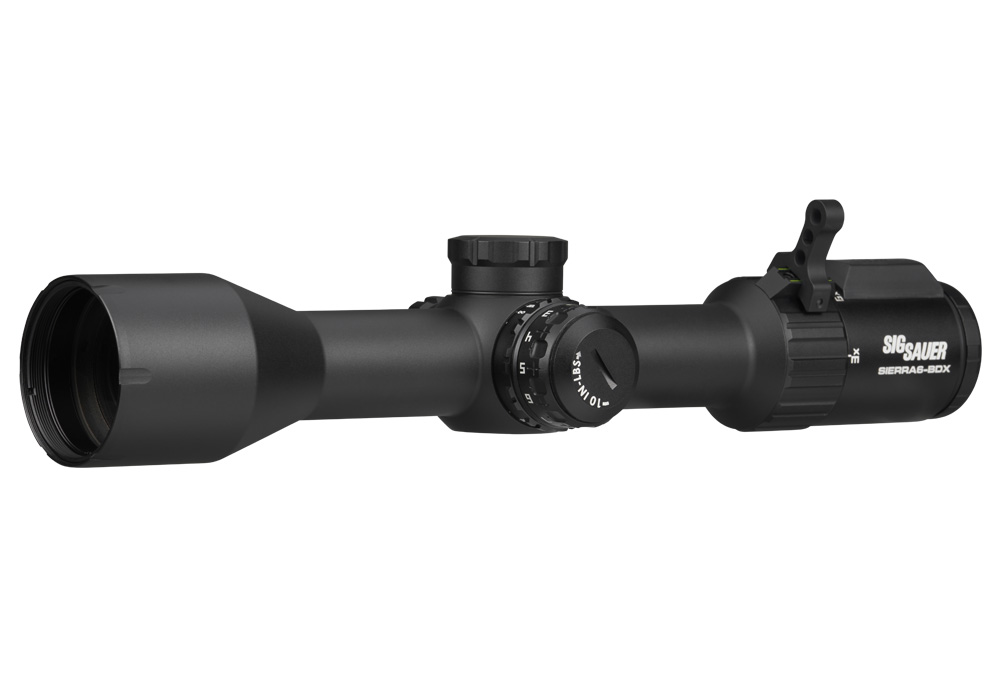
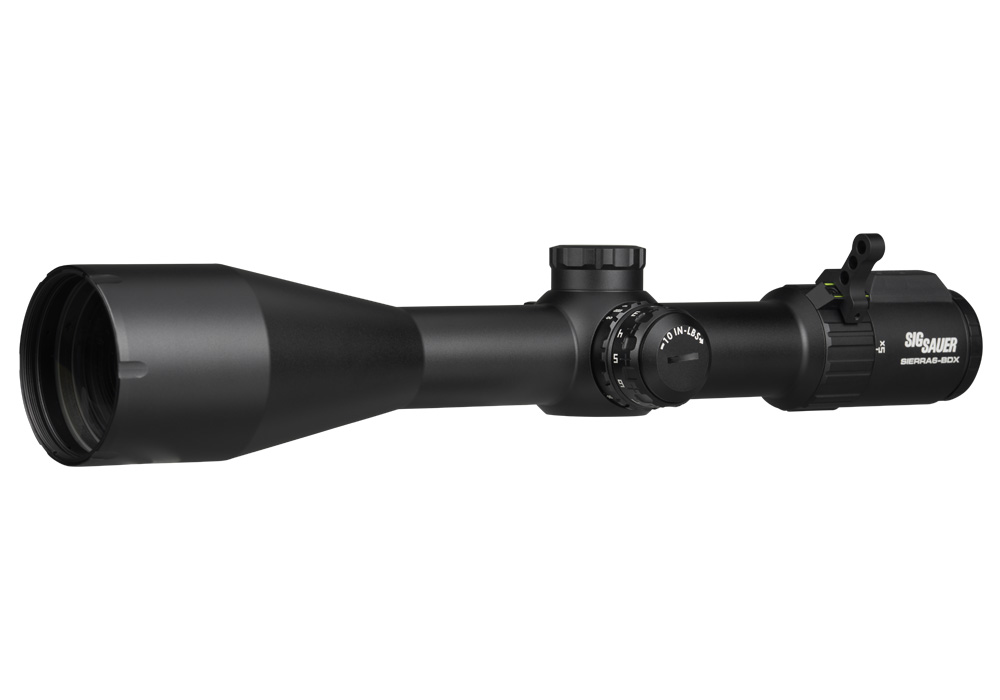
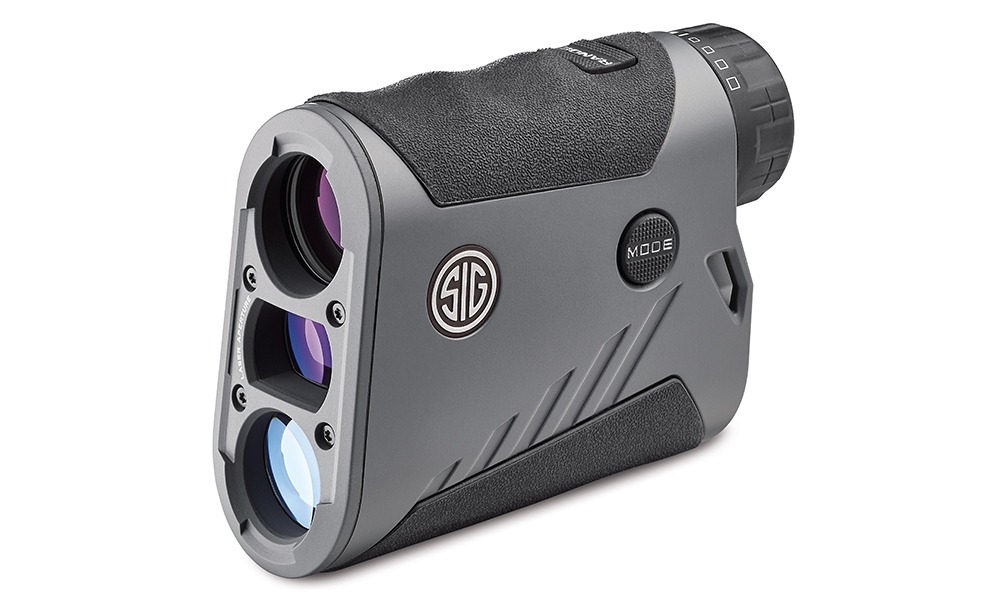
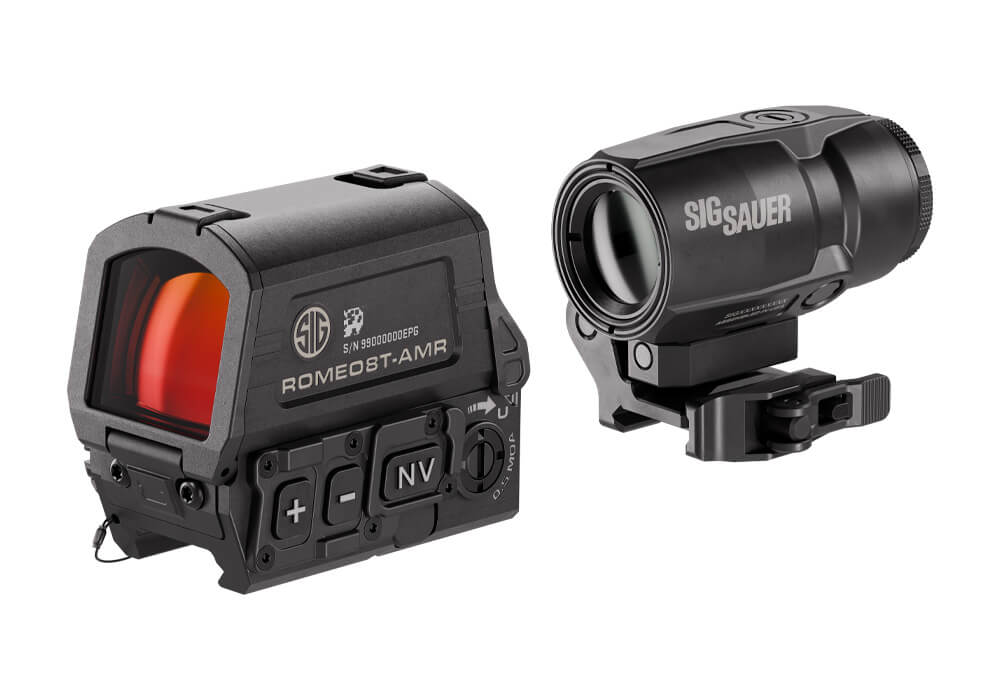
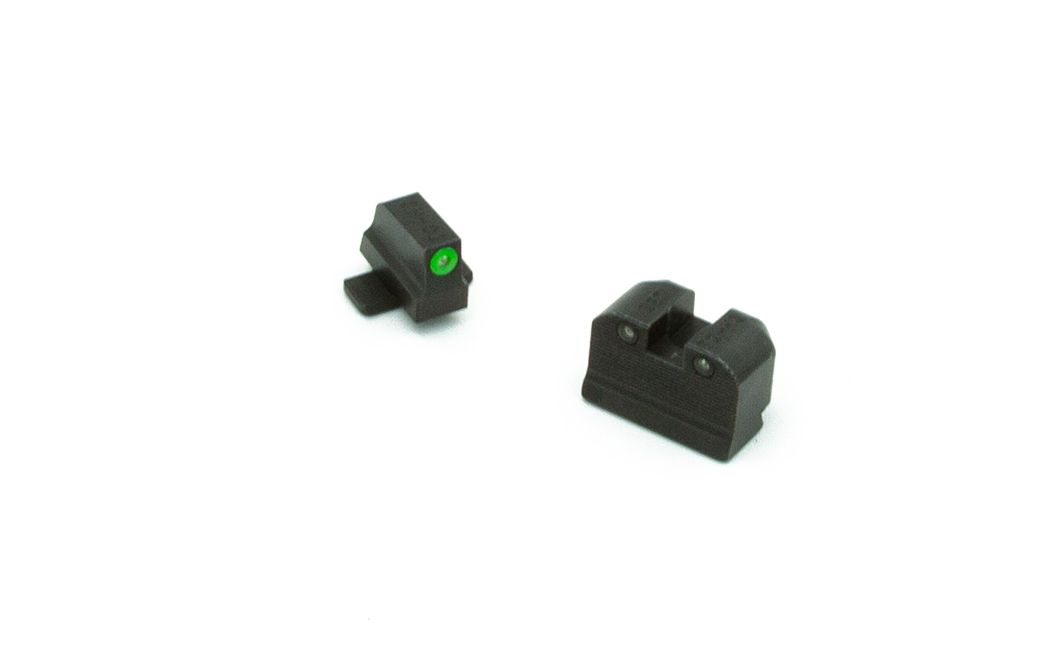
Hunting optics with custom settings are designed for hunters who want a more personalized view through the optic and a more consistent aiming experience in changing field conditions. Depending on the optic type, adjustable features may include eye relief, diopter focus, parallax, reticle illumination, magnification, rangefinding functions, ballistic profiles, and elevation controls matched to a particular cartridge and load. These adjustments can help hunters configure their equipment around their eyesight, shooting posture, rifle, ammunition, and expected terrain rather than relying on a one-size-fits-all setup. A scope with a customizable ballistic profile may allow the user to enter bullet weight, muzzle velocity, ballistic coefficient, and sight-in distance into a companion application, then use that information to create a trajectory reference for different distances. Rangefinding binoculars and connected optics may also calculate holdover data after measuring range, while dial systems can be configured around a selected load so elevation corrections are easier to read and repeat. The most useful setup depends on how the optic will be used. A hunter who spends long hours glassing open ridgelines may value a clear sight picture, carefully tuned focus, and a reticle that remains visible against dark timber or bright sky. Someone hunting across rolling fields may prioritize a rangefinder, ballistic data, and quick magnification changes. For wooded areas and low-light conditions during the cooler months, reticle brightness and contrast can become especially important; shoppers comparing options may also want to explore Hunting Optics With Illuminated Display for additional visibility-focused features.
When selecting hunting optics with custom settings, start by considering the rifle, cartridge, and distances that will be used most often. A customized elevation dial or digital ballistic profile is only as useful as the information entered into it, so real chronographed velocity is generally more dependable than ammunition-box estimates. Bullet weight, ballistic coefficient, sight height, zero distance, environmental conditions, and the actual performance of the rifle all influence trajectory. Temperature, air pressure, altitude, and wind can also affect results, particularly at extended distances, making it worthwhile to choose optics or companion applications that allow environmental data to be updated when needed. Physical fit deserves the same attention as digital customization. Eye relief should provide a full field of view from the shooter’s normal position without forcing the head forward or back, while diopter adjustment should be set to produce a sharp reticle for the individual user. Parallax adjustment can help refine focus at varying ranges, and the magnification range should suit the balance between fast target acquisition and detailed observation. Hunters who wear glasses, use different shooting positions, or share an optic with another shooter may appreciate settings that can be marked, saved, or returned to with minimal effort. Build quality, weather resistance, control placement, battery access, and the readability of turrets or digital displays are also practical considerations when equipment may be handled with cold hands, gloves, dust, rain, or early-morning condensation. For a hunter who prefers a straightforward setup, tactile custom turrets or clearly marked adjustment references may be more useful than a highly connected system. For another user, stored ballistic profiles and app-based updates may simplify the transition between rifles or ammunition loads. Checking compatibility before purchase is essential, including mounting dimensions, ring height, battery type, operating system support, and whether the optic’s adjustment system matches the intended firearm and ammunition.
These optics can be a thoughtful gift for a dedicated hunter, a new rifle owner, or someone preparing for a season that may involve unfamiliar terrain and changing shot distances. They can also be useful for experienced hunters who have refined their preferred load and want an optic configured around the way they actually shoot. A gift buyer may want to consider whether the recipient prefers traditional dial adjustments, a rangefinding optic, binoculars with integrated measurement functions, or a connected system that stores several ballistic profiles. Personal preferences such as reticle style, magnification, display brightness, control layout, and overall weight can matter as much as the feature list. Custom settings are most valuable when they support a familiar, repeatable process: the hunter can confirm the optic at the range, verify the selected profile or turret against real impacts, and then carry that known setup into the field as conditions change from crisp mornings to warmer afternoons. Keeping notes for each rifle and load can make it easier to confirm which profile is active, while periodic checks help account for ammunition changes, mounting adjustments, battery condition, or a rifle that has traveled in a case. Digital features should complement, not replace, careful zeroing and responsible firearm handling. Any ballistic solution, holdover reference, or custom elevation setting should be confirmed at a safe range before hunting, and the optic should be used only in accordance with applicable laws, manufacturer instructions, and ethical shot-placement standards. With the right combination of optical clarity, physical adjustability, and personalized ballistic information, hunting optics with custom settings can help create a more comfortable and deliberate experience from the first glassing session through the final walk out of the field.