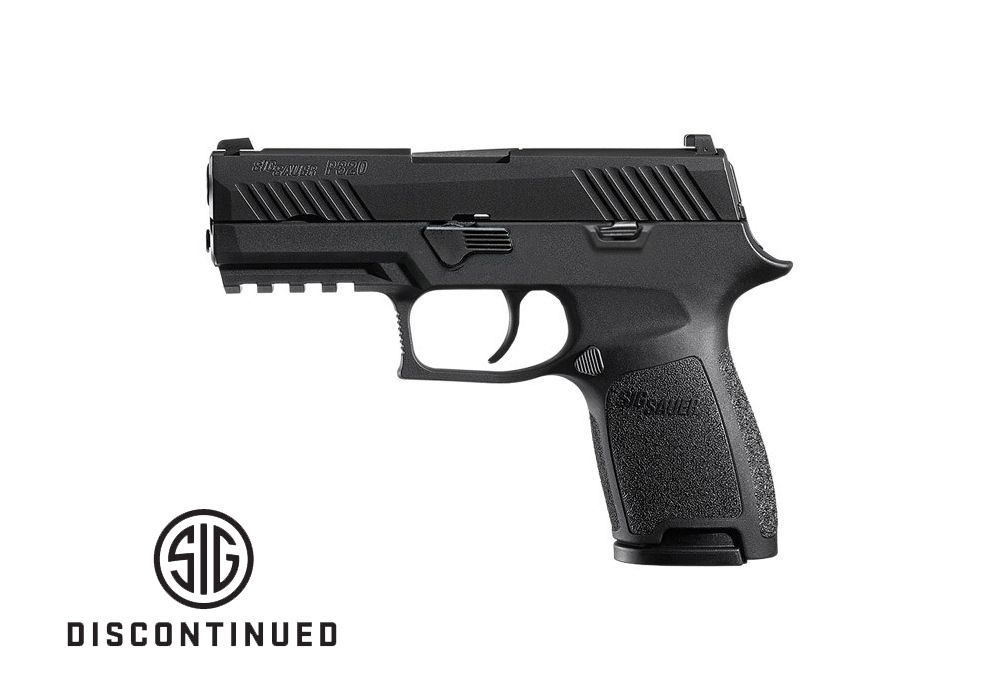
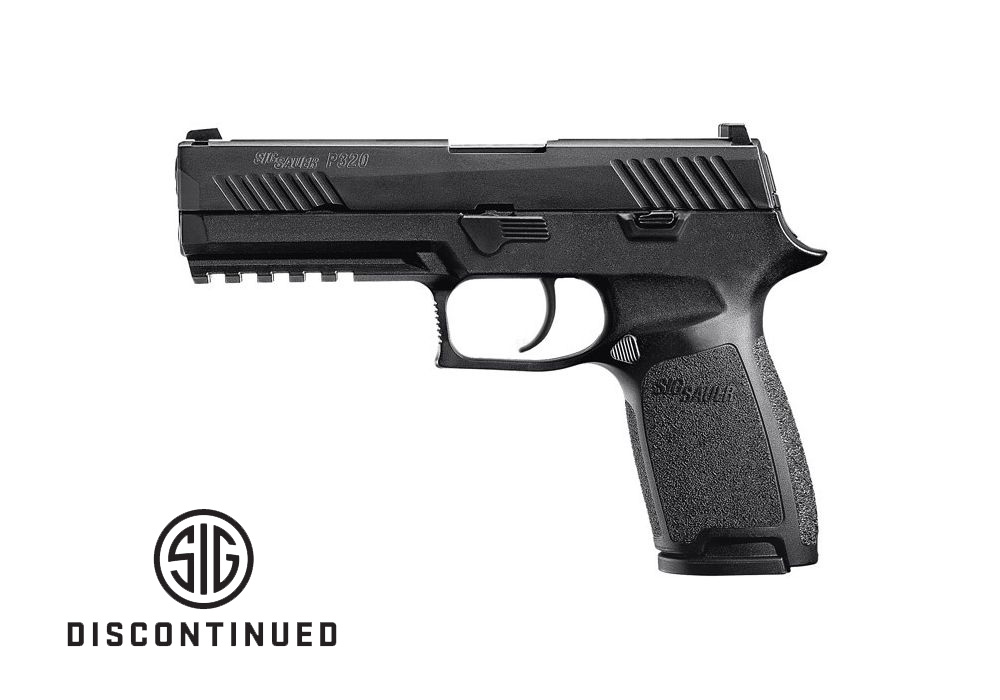
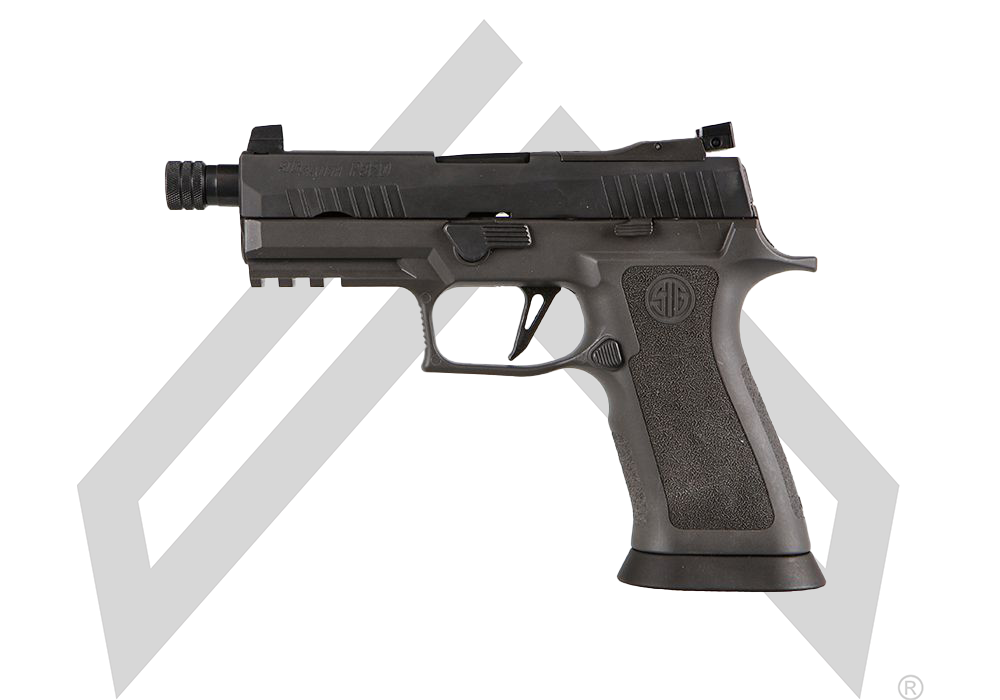
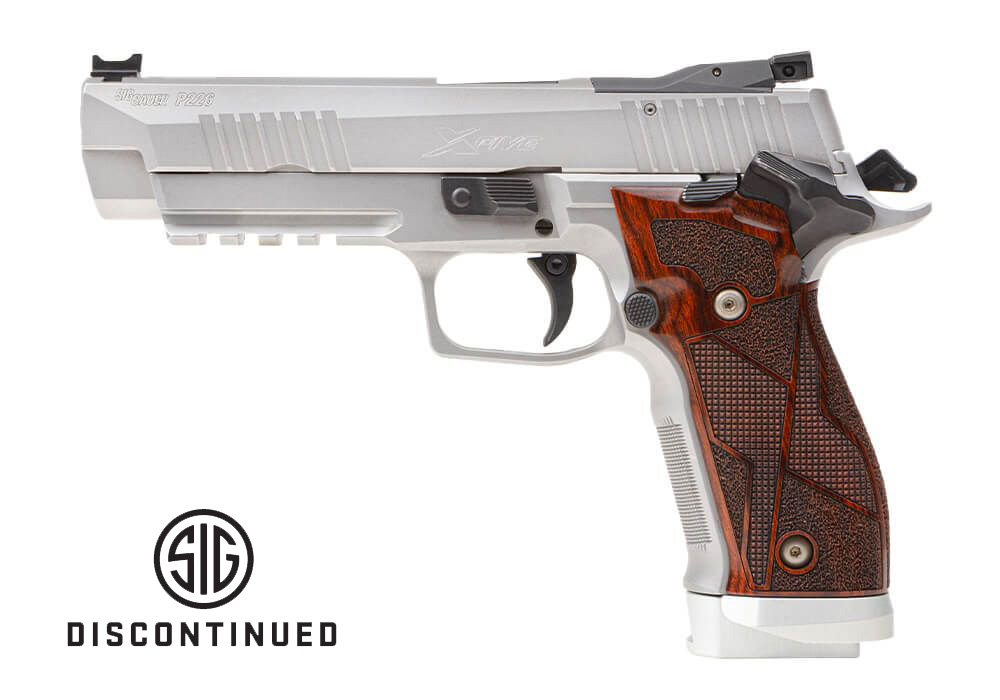
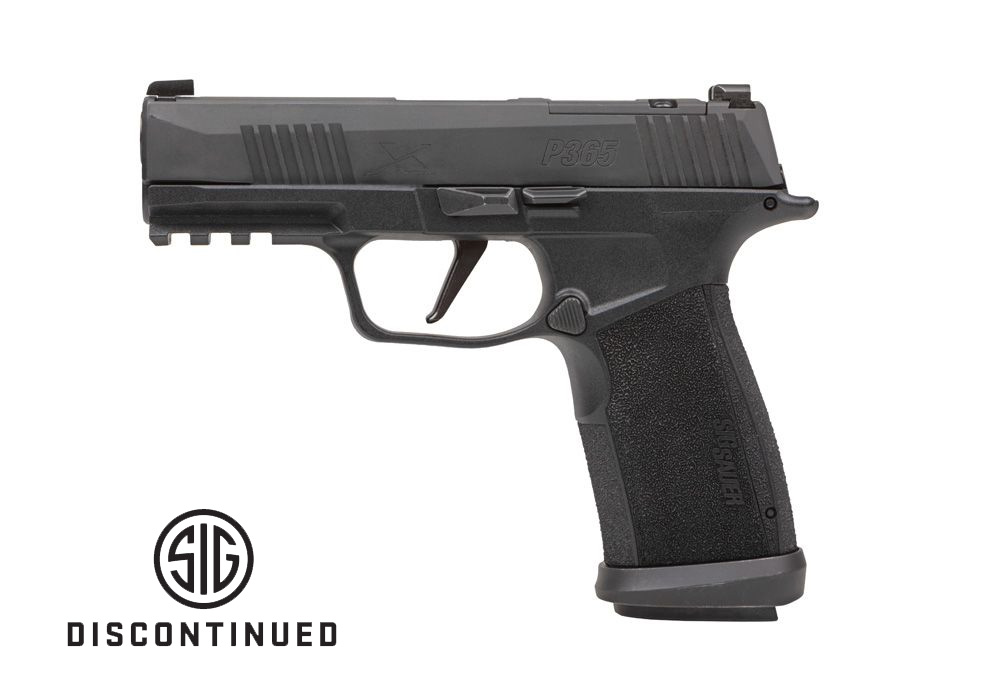
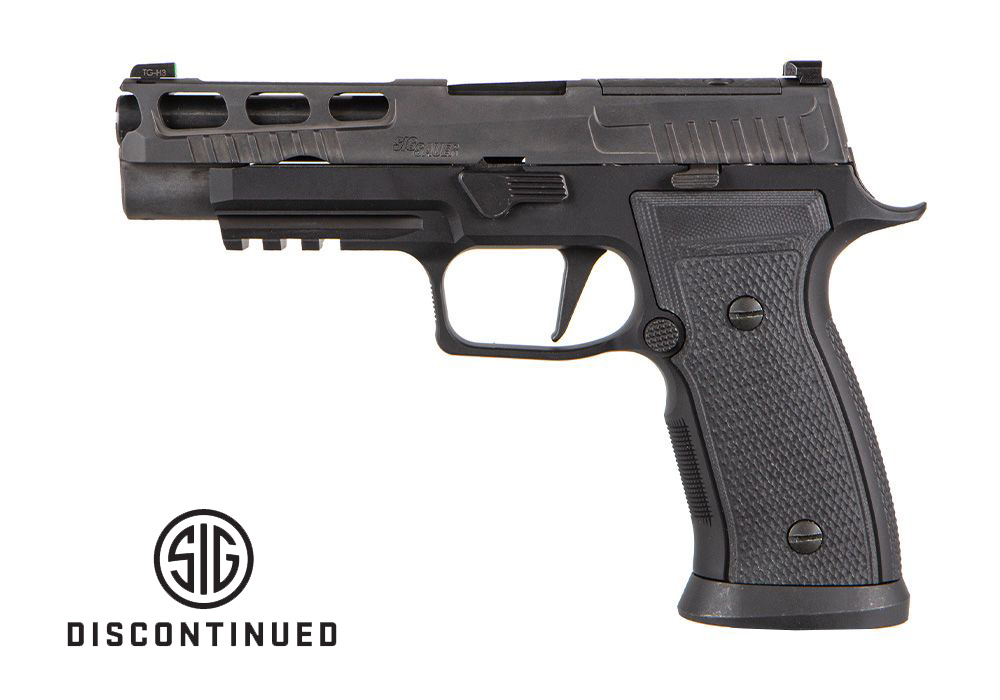
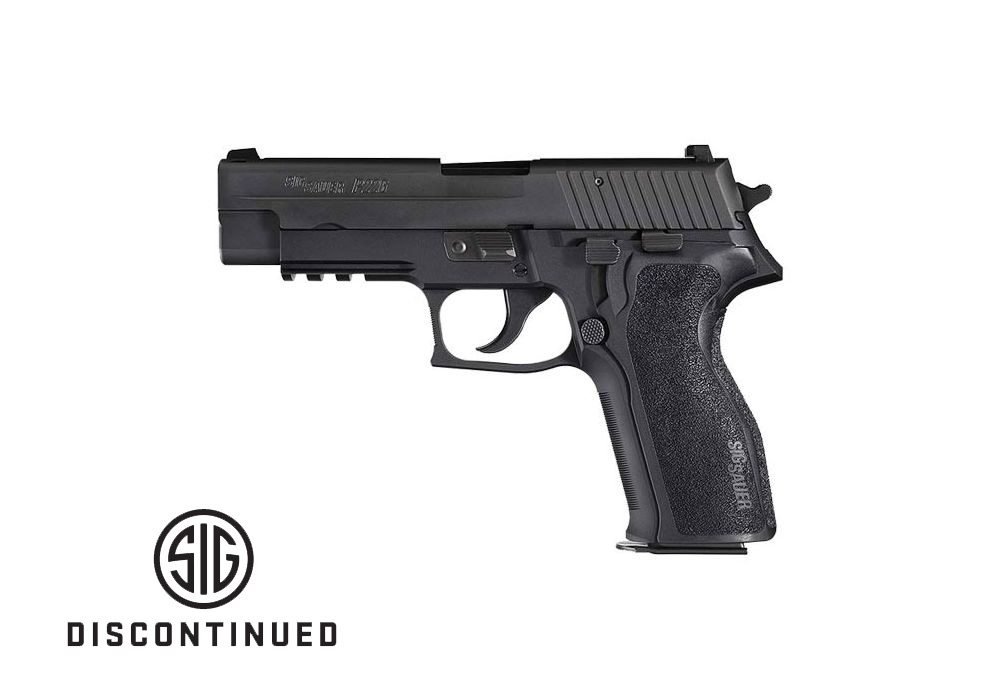
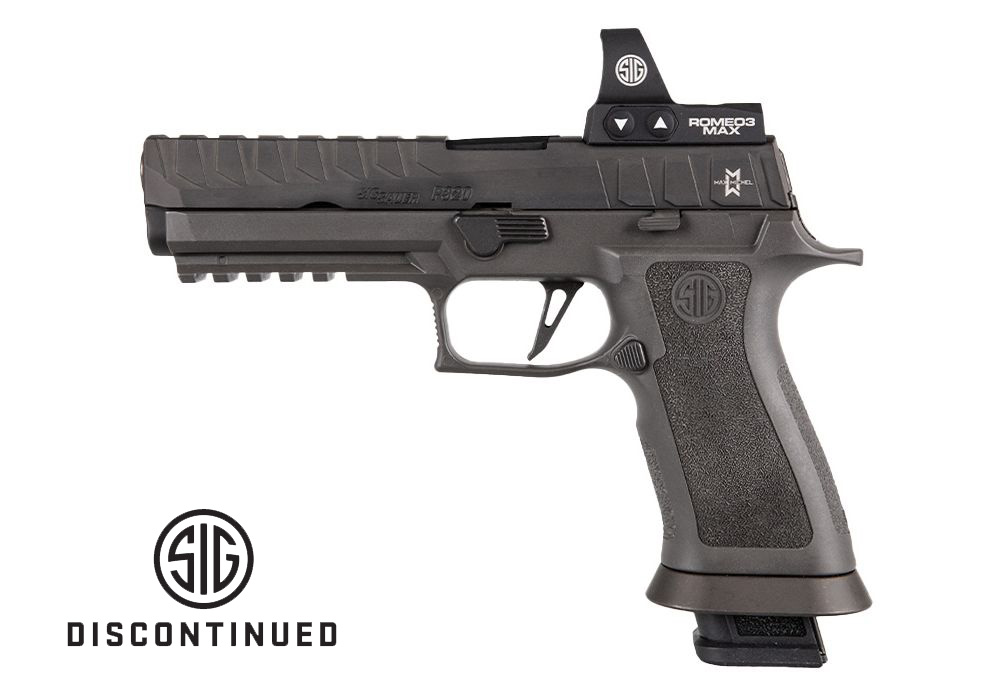
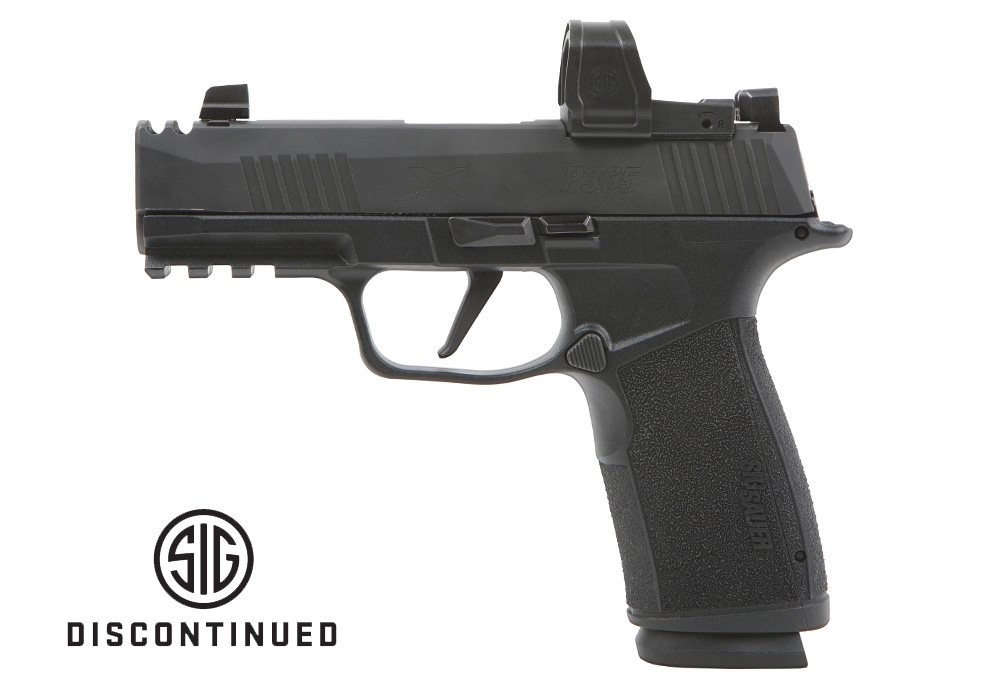
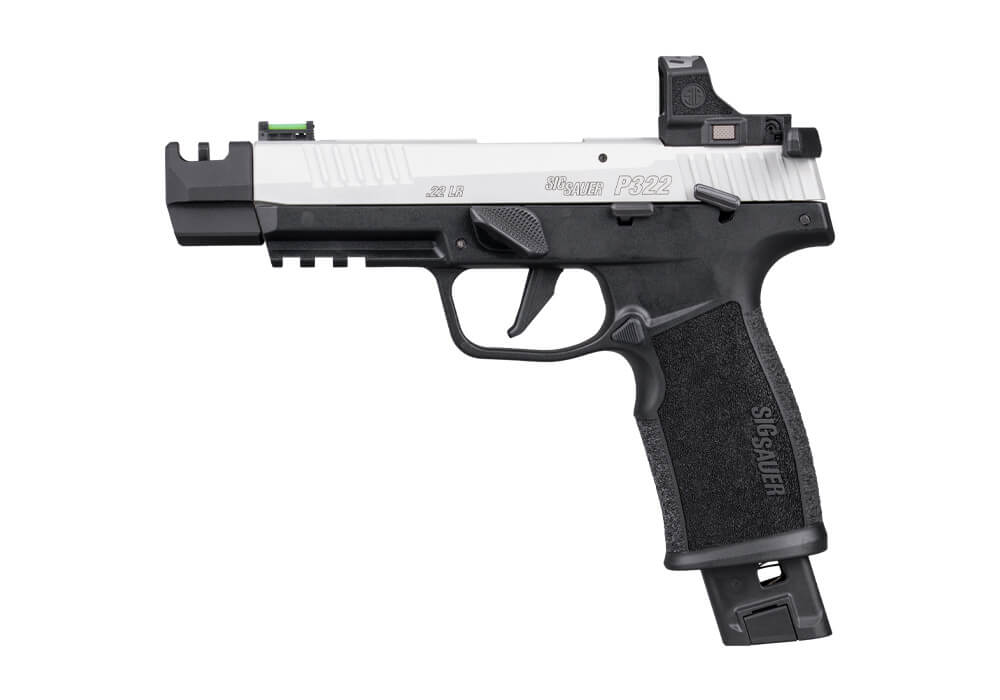
Interchangeable barrel pistols give shooters a practical way to configure one firearm platform for different purposes, whether that means practicing with a softer-recoiling rimfire setup, carrying a compact configuration, or selecting a longer barrel for improved sight radius and field use. Depending on the design, the barrel may be changed independently, or the conversion may require a compatible slide, recoil assembly, magazine, or other components. That distinction is important when comparing options: a pistol advertised as modular may offer changes in caliber, grip size, barrel length, or control configuration without relying on a barrel-only swap. Common designs include break-action single-shot pistols, compact double-barrel handguns, revolvers with replaceable barrel assemblies, and semi-automatic platforms built around a removable serialized fire-control unit. Each approach has a different character. A single-shot pistol can provide a deliberate, straightforward shooting experience and may appeal to hunters or recreational shooters who value a simple action and a broad range of barrel choices. A double-barrel design offers a compact, distinctive format, while a modular semi-automatic can be configured around different hand sizes, carry preferences, and training needs. Interchangeable barrel systems are often selected by experienced owners who want one familiar frame with multiple configurations, but they can also be a thoughtful gift for a legally eligible adult who already demonstrates a serious interest in safe, responsible shooting. Firearms should never be given casually, and the recipient’s local laws, age requirements, licensing rules, and ability to store and handle the firearm safely should be confirmed before any purchase or transfer.
When selecting an interchangeable barrel pistol, begin with the intended use rather than the number of available configurations. A recreational shooter who spends cooler months at an outdoor range may prioritize an affordable practice caliber, comfortable controls, and a barrel that makes alignment easy from the bench. Someone interested in field carry may place greater emphasis on overall weight, weather-resistant finishes, a secure holster, and a caliber appropriate to the intended game and local regulations. For personal protection, reliability, controllability, safe storage, and access to professional instruction matter more than simply having the widest conversion selection. Barrel length affects balance, sight radius, muzzle velocity, and portability, so a short barrel may be convenient while a longer option can feel steadier in the hand. Caliber changes also involve more than the barrel itself. Confirm that the slide, extractor, magazines, recoil spring, sights, and other components are approved for the intended configuration, and use only conversion parts designed for the specific firearm. Some systems are engineered for quick changes by the owner, while others require fitting or inspection by a qualified gunsmith. Threaded barrels may support certain accessories where lawful, but they can alter dimensions, holster fit, and operating requirements. Optic-ready slides, interchangeable grip modules, ambidextrous controls, and adjustable sights can further tailor the pistol, although every added feature should serve a clear purpose. Shooters comparing compact configurations may also wish to review Compact Pistols With Interchangeable Parts for another way to think about modularity, concealability, and fit.
Before changing a barrel or conversion assembly, unload the firearm completely, remove the magazine, open the action, and verify the chamber and any other areas capable of holding ammunition. Follow the owner’s manual exactly, work in a clean, well-lit area, and keep ammunition separate during maintenance. After installation, inspect the fit and function without ammunition, then have the configuration checked by a qualified professional if the manual calls for it or anything feels unusual. Use only the ammunition specified for that exact setup; similar-looking cartridges are not interchangeable, and a conversion that appears to fit may still be unsafe. A careful owner will also mark or organize barrels, slides, and magazines so that components do not become mixed between configurations. After each change, confirm sight settings and practice with the new balance and recoil before relying on it for a defensive, hunting, or competition role. Safe handling remains constant across every configuration: keep the muzzle pointed in a safe direction, keep the trigger finger outside the trigger guard until ready to fire, treat every firearm as loaded, and know the target and what lies beyond it. Store the frame, barrels, conversion parts, and ammunition securely from unauthorized access, particularly in a busy household during gatherings or the cooler months when firearms may be handled during travel and outdoor activities. With thoughtful selection, proper training, and regular inspection, interchangeable barrel pistols can offer adaptable ownership without sacrificing the familiar fit and operating habits that help make responsible shooting consistent.