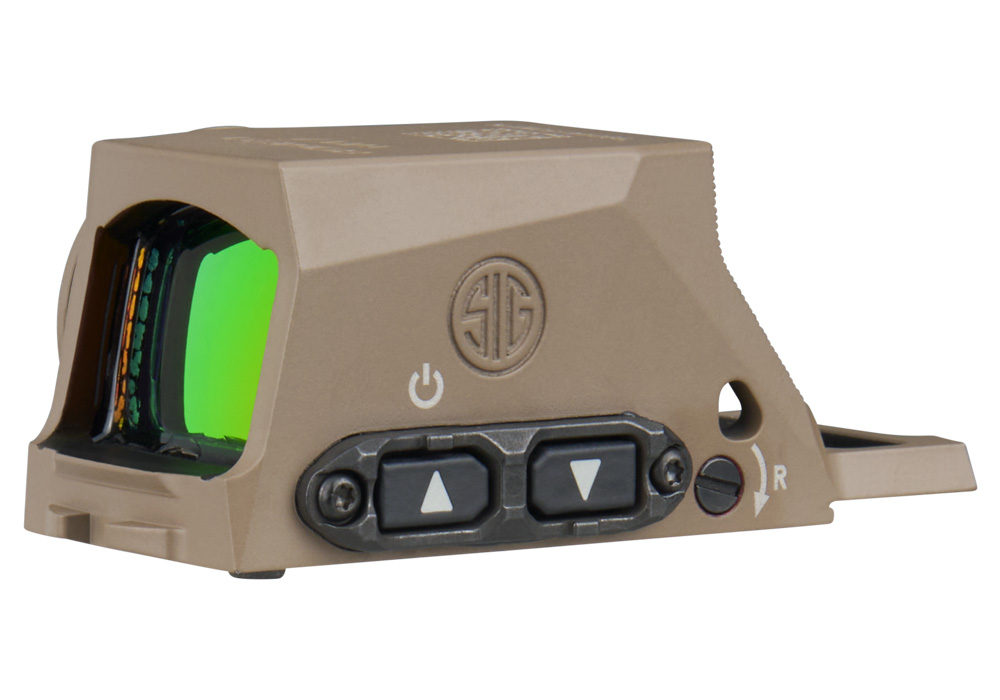
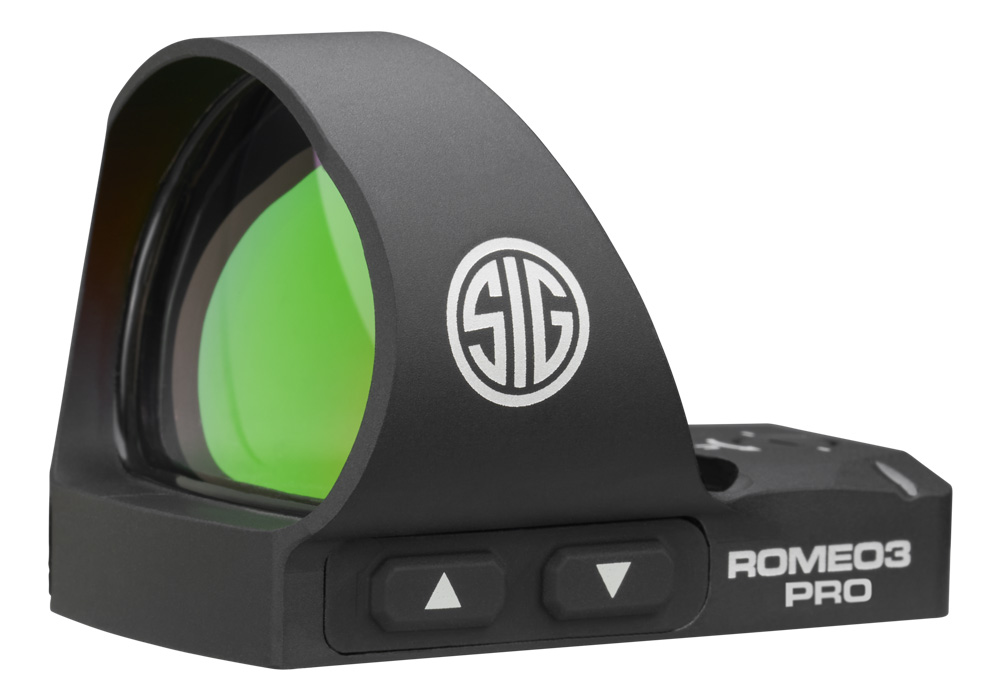
July 4th pistol reflex optics bring a practical upgrade to a handgun, whether the purchase is part of an Independence Day promotion, a range-day setup, or a thoughtful gift for an experienced shooter. These compact sights use an illuminated aiming point to help the eye find a clear reference without relying exclusively on traditional front and rear sights. On a bright outdoor range, the reticle can be especially helpful when moving between targets, changing shooting positions, or working through timed practice drills. Many shooters also appreciate the way a pistol reflex optic supports a more natural presentation: instead of carefully aligning several separate sighting elements, the shooter can focus on the target and confirm the illuminated point as the pistol comes on target. That benefit is most noticeable when the optic is properly installed, the brightness is appropriate for the conditions, and the shooter has spent time practicing the presentation. A compact reflex sight may suit a concealed-carry pistol, a home-defense setup, a competition handgun, or a range pistol, but the right choice depends on the firearm, intended use, mounting system, and personal preferences. For someone shopping during the warmer outdoor shooting season or selecting a gift for a family member who already owns a compatible pistol, an optic can be a meaningful accessory that encourages regular practice and helps refresh an established setup. Gift buyers should confirm the recipient’s pistol model, slide configuration, preferred reticle style, and local requirements before purchasing, since compatibility matters more than appearance and many optics are designed around specific mounting standards.
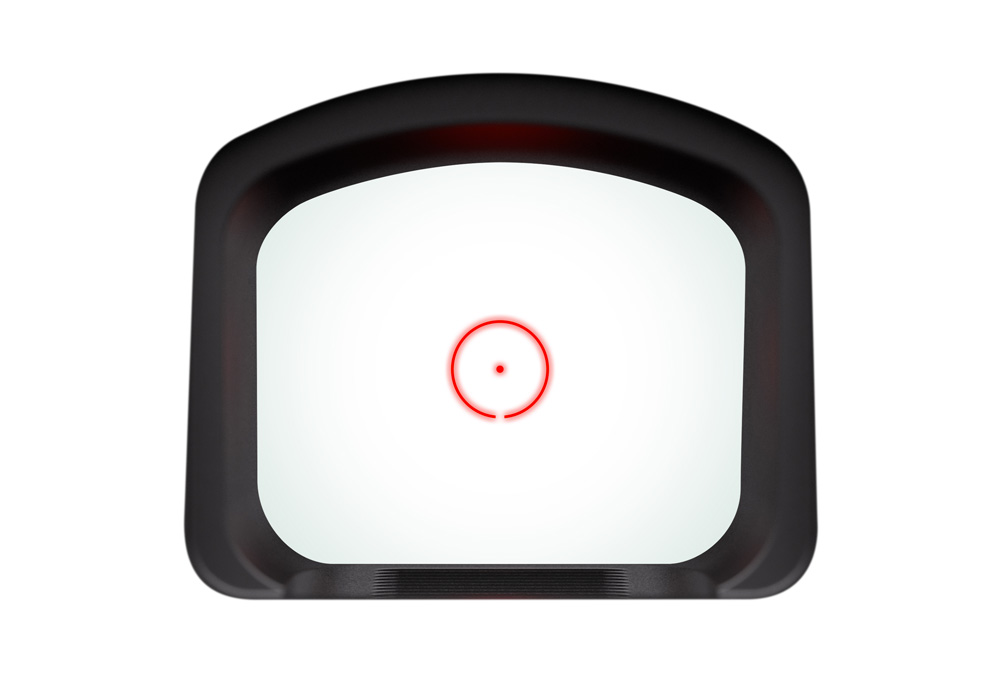
The first purchase consideration is the pistol’s optic cut or adapter plate. Common footprints include RMSc- and RMR-pattern mounting systems, but the correct fit must match the slide cut, mounting hardware, and manufacturer specifications. An optic that appears compact and well suited to a handgun may not mount directly to a particular pistol, and using an incorrect plate or unsuitable screws can affect reliability and zero retention. Shoppers should verify the exact footprint, screw length, plate requirements, height over bore, and whether the sight is compatible with existing suppressor-height or standard-height iron sights. A lower-third or co-witnessing sight picture can make it easier to confirm alignment if the electronic optic is turned off, while taller sights may be necessary for a particular slide-and-optic combination. Form factor is another important choice. Open-emitter designs are often slim and light, with an unobstructed viewing window that can feel quick and intuitive during presentation. Closed-emitter designs enclose the emitter and are better suited to users who expect frequent exposure to pocket lint, dust, rain, or other debris. Everyday carry users may value a small housing, snag-resistant profile, dependable controls, and a battery system that is simple to inspect. Range users may place greater emphasis on a generous window, brightness adjustment, multiple reticle settings, or a housing built to tolerate repeated recoil and transport. Reticle color deserves attention as well. Red is familiar and widely used, while green dots may offer enhanced daylight visibility for some shooters, particularly against certain backgrounds or under bright outdoor conditions. Neither color is universally best; eyesight, lighting, astigmatism, target contrast, and individual preference all influence the result. Adjustable brightness is valuable when moving from a shaded indoor area to direct sunlight, and automatic brightness settings can be convenient when conditions change quickly, though many shooters still prefer manual control for a consistent sight picture.
A dependable setup is completed through installation, confirmation, and practice rather than by the optic alone. After mounting, the sight should be secured according to the applicable instructions and checked for a stable fit before being zeroed at a suitable distance. Reconfirming the zero after transport, a hard impact, battery replacement, or a change in ammunition is a sensible part of responsible ownership. Battery access varies by design, so shoppers may prefer a top-loading system that allows replacement without removing the optic, or a side- or bottom-access system when other features take priority. Consider the battery type, estimated service life, brightness controls, low-battery indication, lens coatings, water resistance, and warranty support. Protective covers can help during storage, while a clean, unobstructed window makes the reticle easier to use when the weather turns cooler and range sessions move between bright and subdued conditions. Shooters new to pistol optics should begin with deliberate, unloaded presentation practice in a safe environment, then confirm their draw, grip, and eye focus at the range before increasing speed. It is common for the first few sessions to reveal that a slight adjustment in grip or presentation makes the dot appear much faster. Experienced users may choose a July 4th pistol reflex optic as a backup for a familiar handgun, an upgrade for a training pistol, or part of a broader range-day collection that includes Rifles for July 4th Range Days. Throughout the warmer months and into the cooler range season, selecting the correct footprint, emitter style, reticle, battery arrangement, and durability features helps ensure the optic feels like a natural extension of the pistol rather than an afterthought. Safety, lawful ownership, proper storage, and consistent training remain central to getting lasting value from any pistol reflex optic.