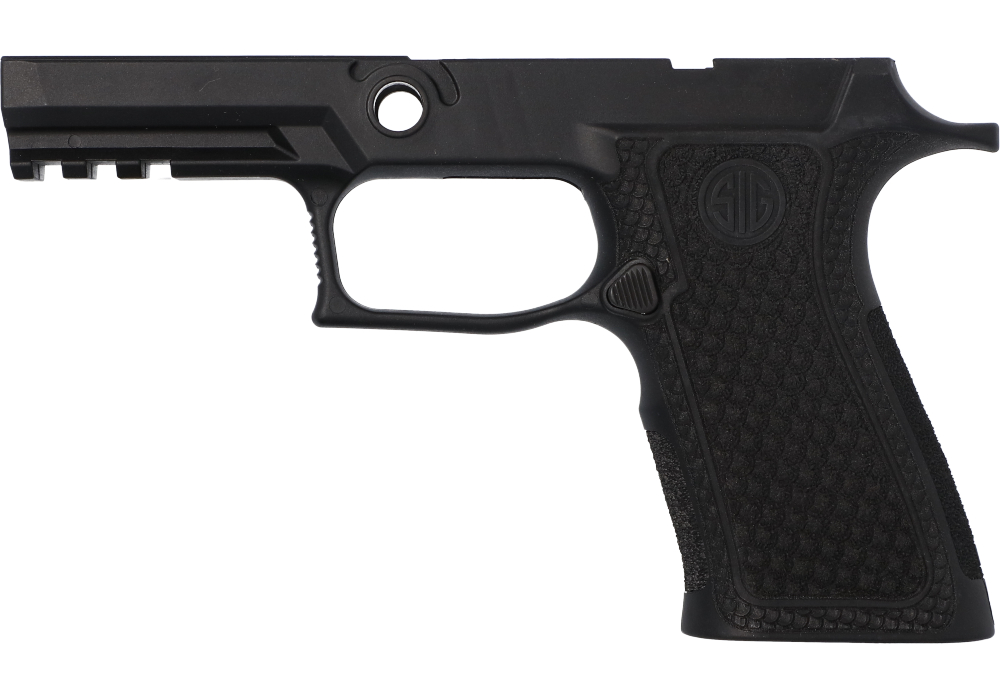
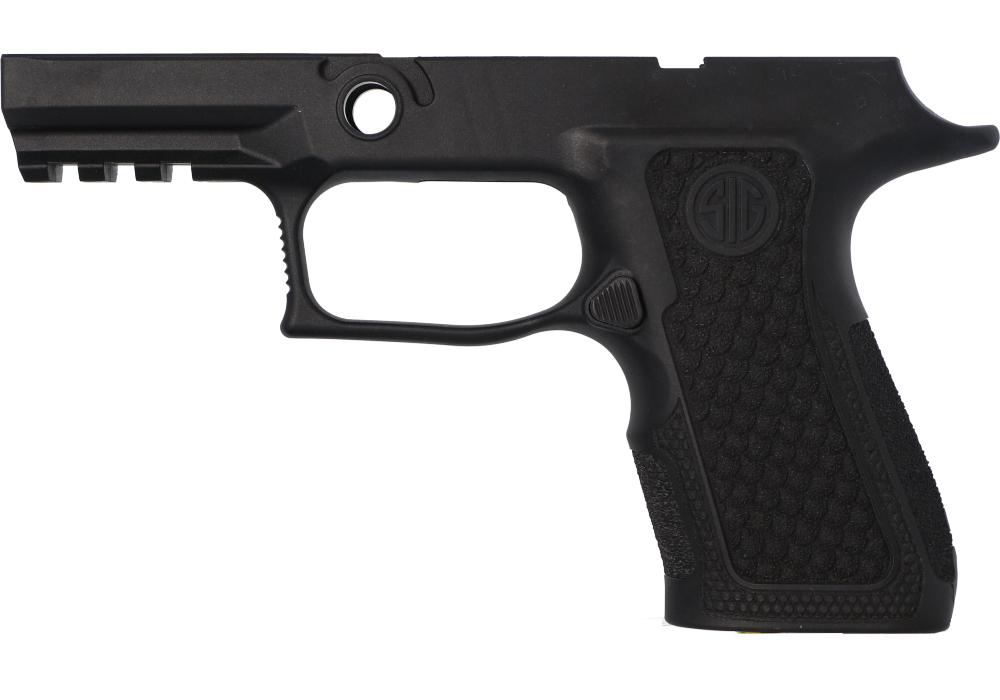
Laser grips for handgun collectors bring together the visual character of a carefully chosen firearm and the practical advantages of modern aiming technology. Designed to replace or fit over factory grip panels and stocks, these accessories can preserve a classic profile while adding an illuminated aiming point for low-light practice, home-defense preparation, or display pieces that see regular range time. Many models use instinctive activation through a pressure switch positioned beneath the fingers or along the frontstrap, allowing the laser to turn on naturally as the handgun is held without requiring a separate button press. That detail is especially appealing to collectors who value a clean, uncluttered design and want the accessory to feel like part of the handgun rather than an add-on. Traditional revolvers, full-size and compact single-action pistols, and select modern polymer-frame handguns may all have compatible laser grip options, but fitment is specific to the firearm’s frame, grip angle, screw spacing, and operating controls. Before purchasing, confirm the exact make, model, generation, frame size, and whether the handgun has an external safety, ambidextrous controls, or other features that could affect installation. A grip that looks correct in a photograph may not be suitable for every variation of a familiar handgun platform, making careful model identification an essential part of the selection process. Collectors building a presentation-grade handgun may also wish to compare laser grips with other tailored upgrades, including Custom Handgun Frames for Collectors, to create a coordinated setup that reflects personal taste while maintaining dependable function.
Material and finish are central considerations when choosing laser grips for a collection. Black polymer remains a practical choice for a working handgun, offering a subdued appearance, straightforward maintenance, and a familiar feel for training or routine range use. Checkered hardwood, walnut-toned finishes, rosewood-style panels, and G10 laminate can provide a more distinctive appearance for a display firearm, particularly when the grain, texture, and color complement the handgun’s existing frame and controls. A collector who enjoys the warmth of a blued revolver may prefer grips with a traditional contour and visible checkering, while a modern pistol may look best with a streamlined wraparound design that follows the shape of the frame. Texture deserves as much attention as appearance: pronounced checkering can help maintain a secure hold with gloved or damp hands, while a smoother surface may be more comfortable for extended handling and presentation. Red lasers are widely recognized for their familiar aiming reference and may be well suited to indoor practice or controlled range conditions. Green lasers can appear brighter to many users, especially in daylight or other challenging lighting, although visibility varies with the environment, the observer, and the individual unit. Battery access, expected runtime, windage and elevation adjustment, activation style, and resistance to everyday handling should all be reviewed alongside color and finish. Some collectors select laser grips as a thoughtful gift for a responsible handgun owner, particularly when the recipient has a well-loved revolver or classic pistol that could benefit from a functional yet visually compatible upgrade. A gift purchase is most successful when it is matched to the exact firearm and the owner’s preferences, so a discreet conversation about the handgun model, grip material, and preferred laser color is often more useful than choosing by appearance alone.
Installation is another important part of the buying decision. Many laser grips are designed to use existing factory screw locations and can be installed without permanent alteration or professional gunsmithing, although the process varies by design and firearm. The handgun should be completely unloaded, with the chamber and any accessible ammunition storage checked before the grips are removed or adjusted. After installation, the grip should fit securely without interfering with the magazine release, cylinder operation, trigger guard, safety, or other controls. A new laser grip should be tested at a safe range and zeroed to the user’s preferred distance, since the illuminated point and the handgun’s actual point of impact may not align automatically. Collectors who rotate among several handguns may appreciate keeping a small record of zero settings, battery changes, and the ammunition used during confirmation. It is also wise to practice activating the laser with a normal firing grip rather than relying on the sight alone; the laser supports the fundamentals of a safe, stable presentation and does not replace proper sight alignment, trigger control, or responsible handling. During the warmer seasons and into the cooler months, changing light conditions can make a visible aiming point useful for practice in indoor ranges, shaded outdoor areas, or evening sessions, but users should remain aware of local laws and range rules governing laser devices. With the right fit, durable construction, comfortable activation, and a finish that suits the firearm, laser grips can serve as both a practical accessory and a considered addition to a handgun collection.