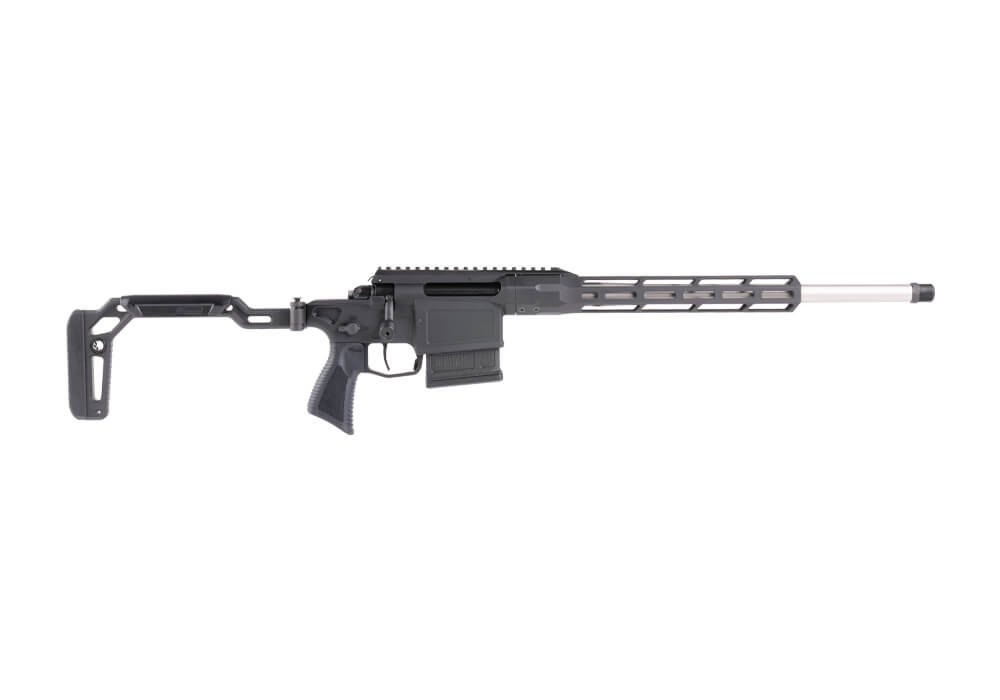
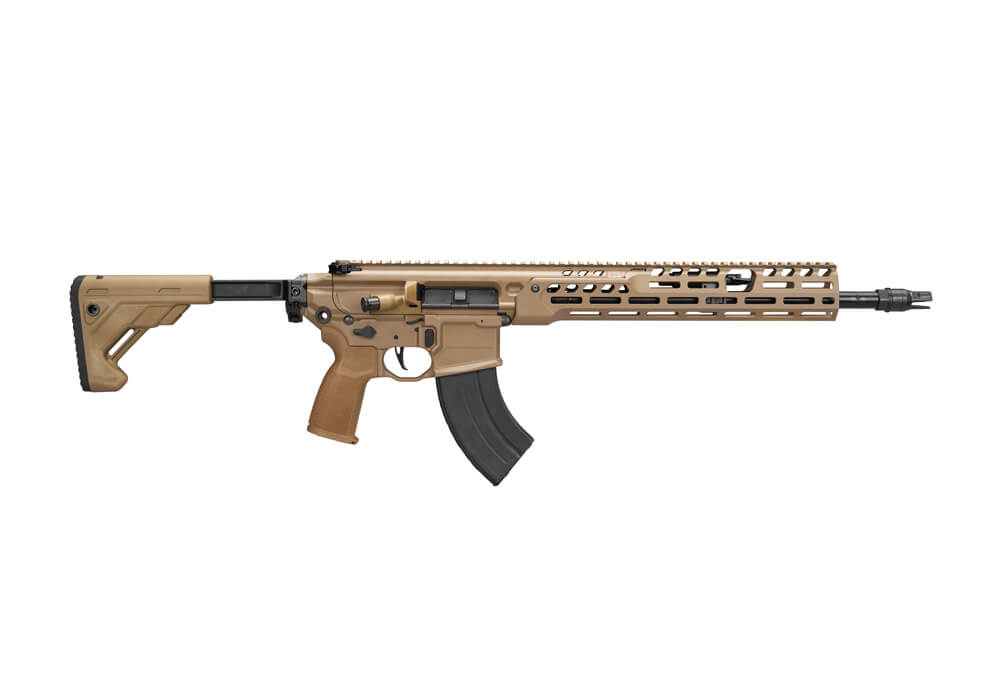
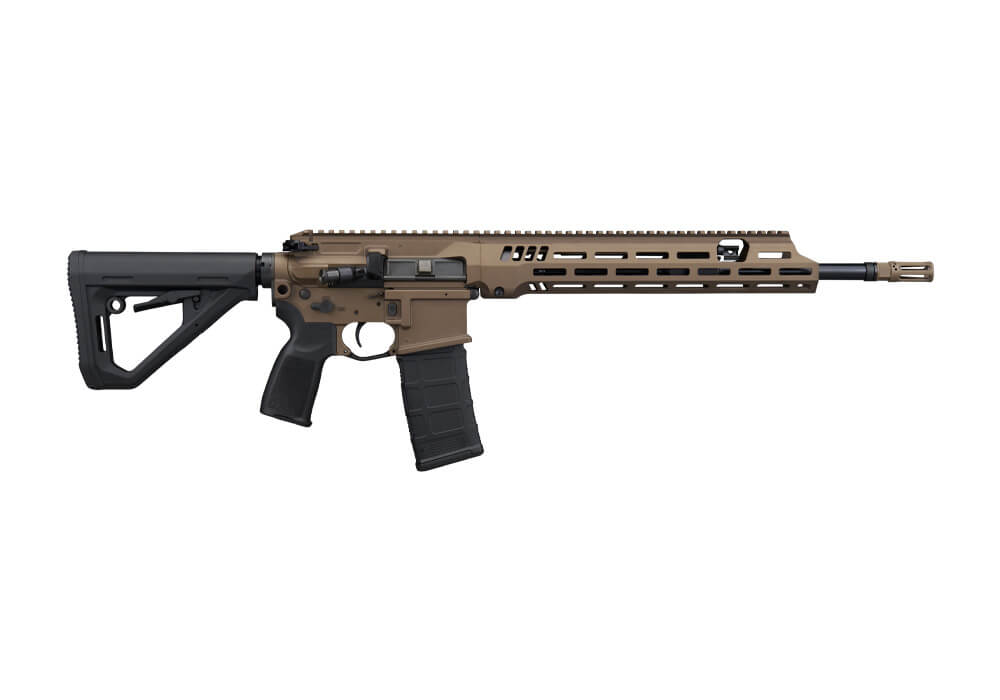
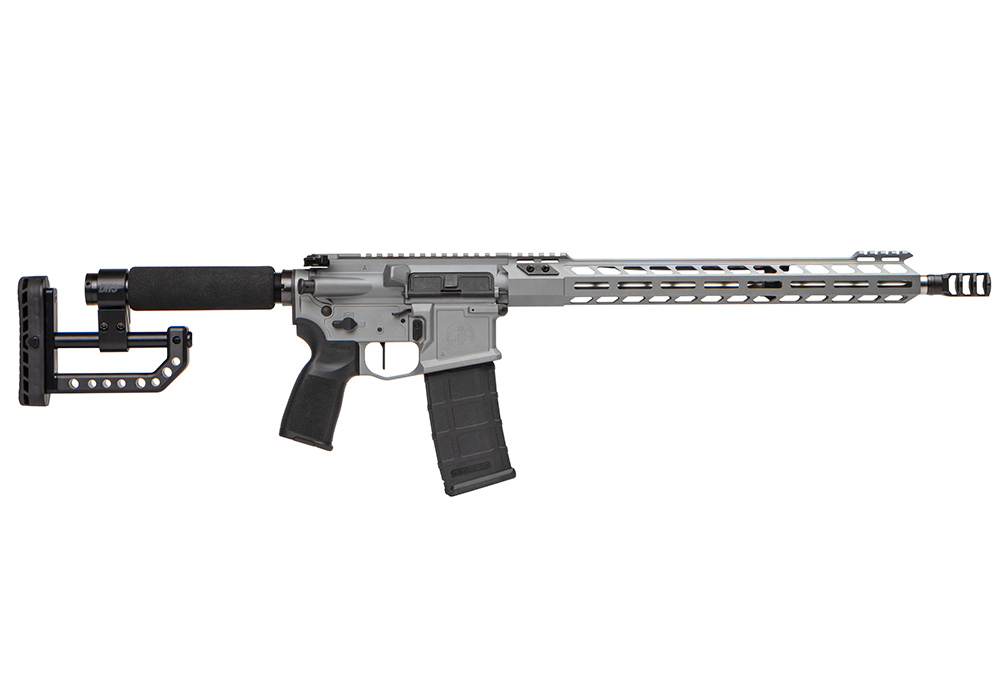
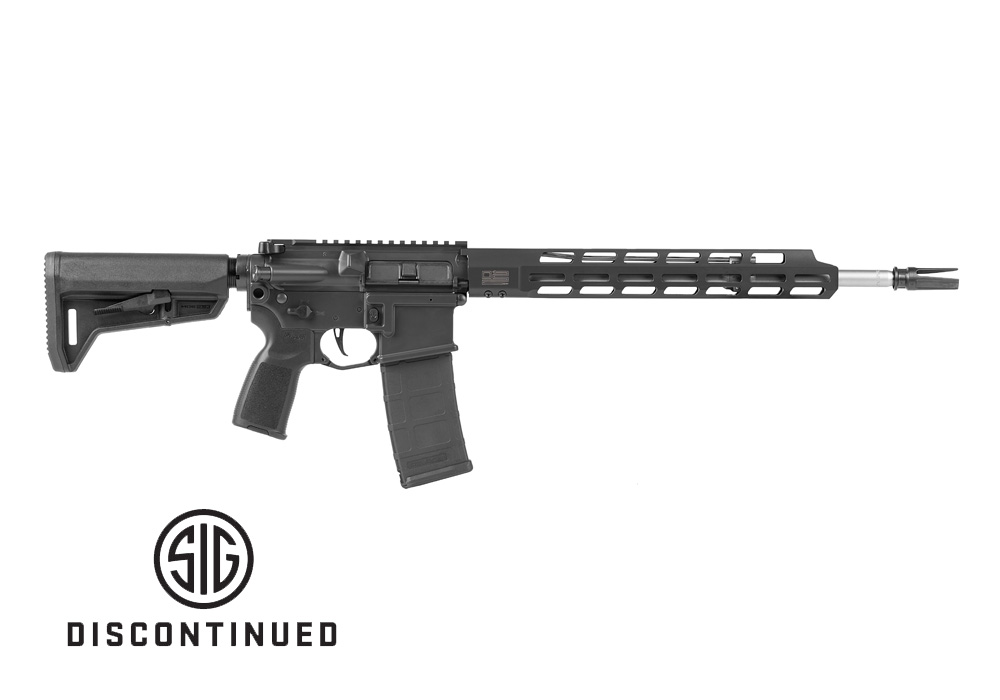
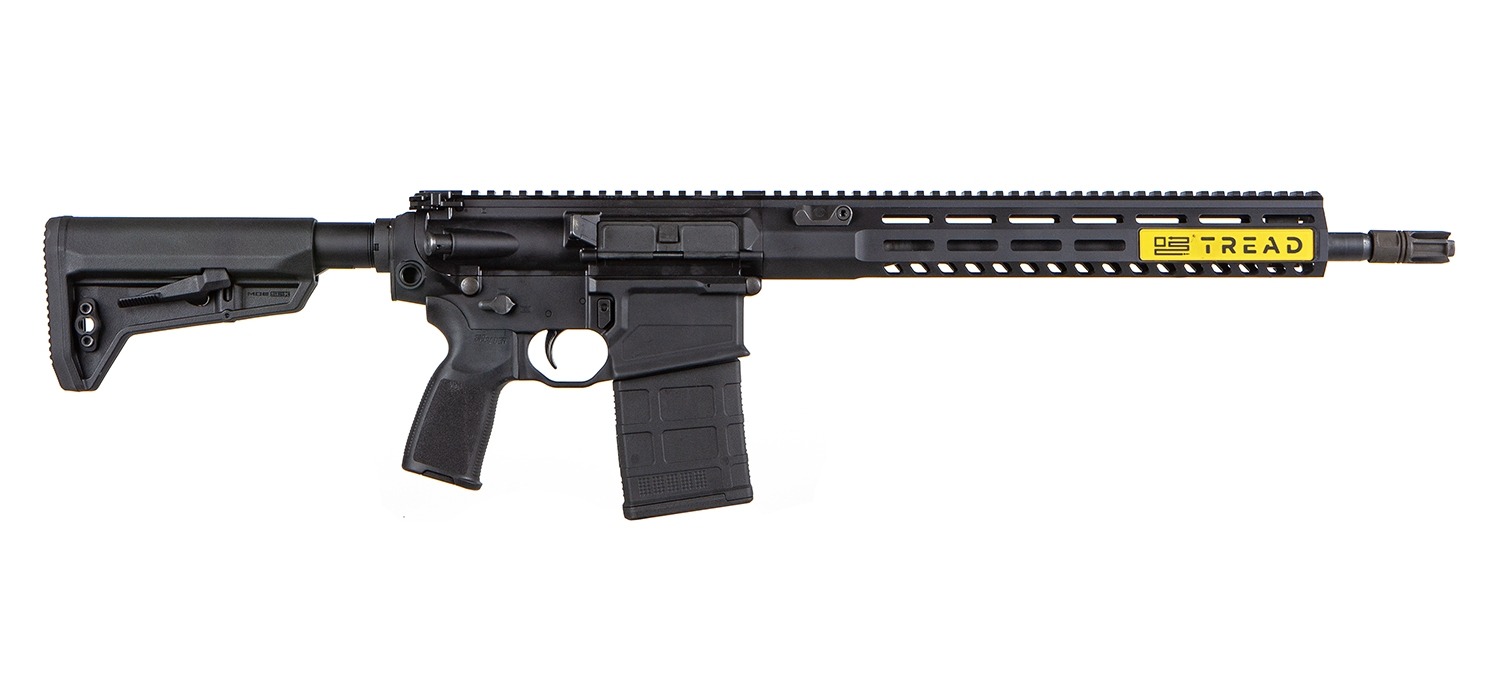
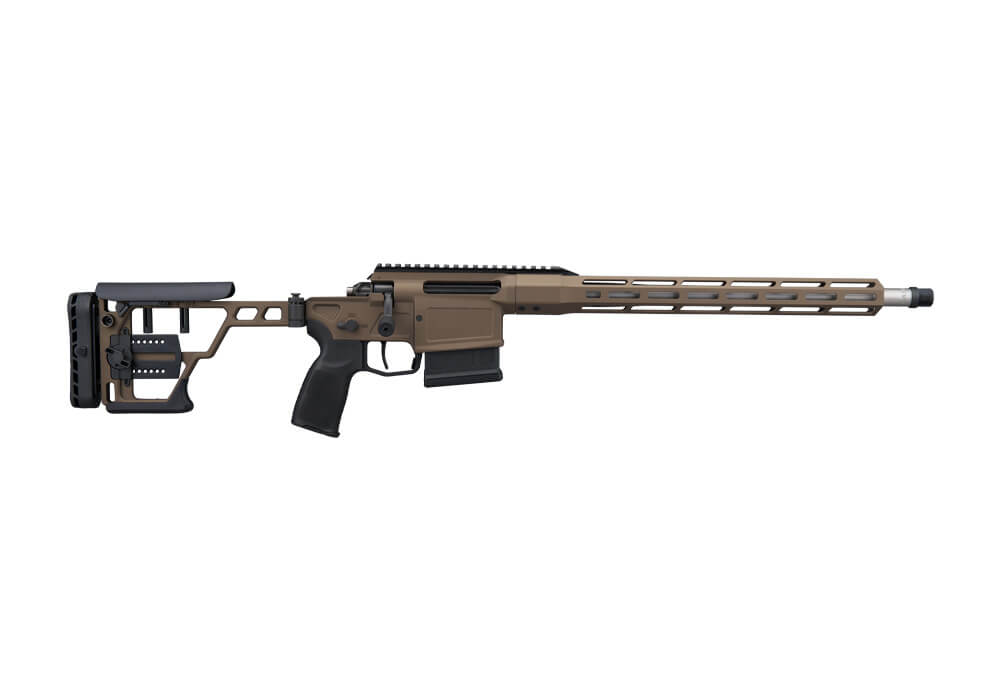
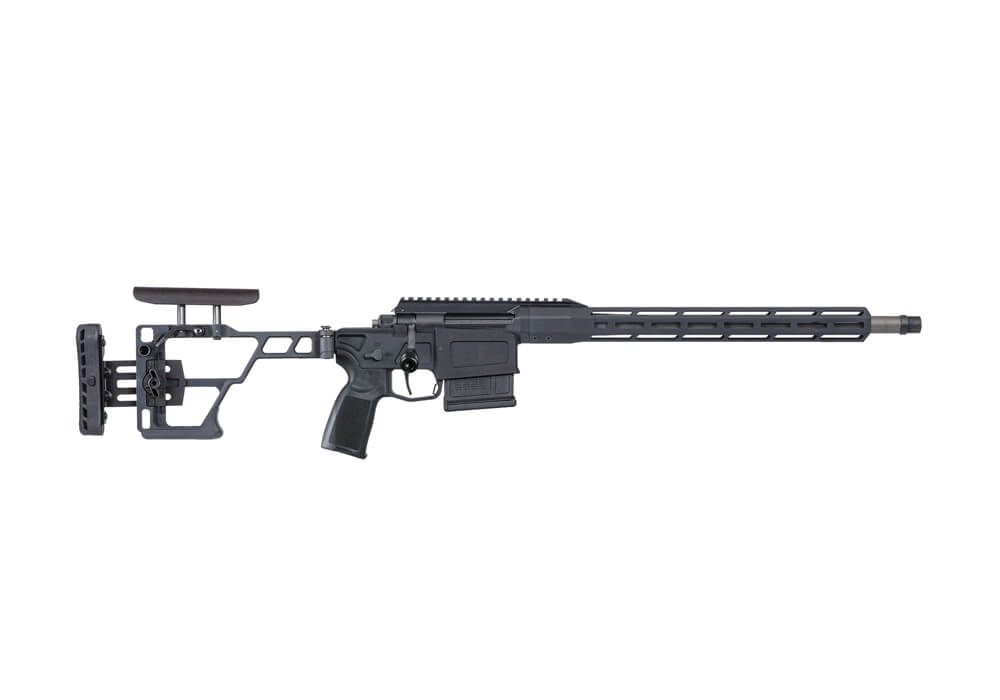
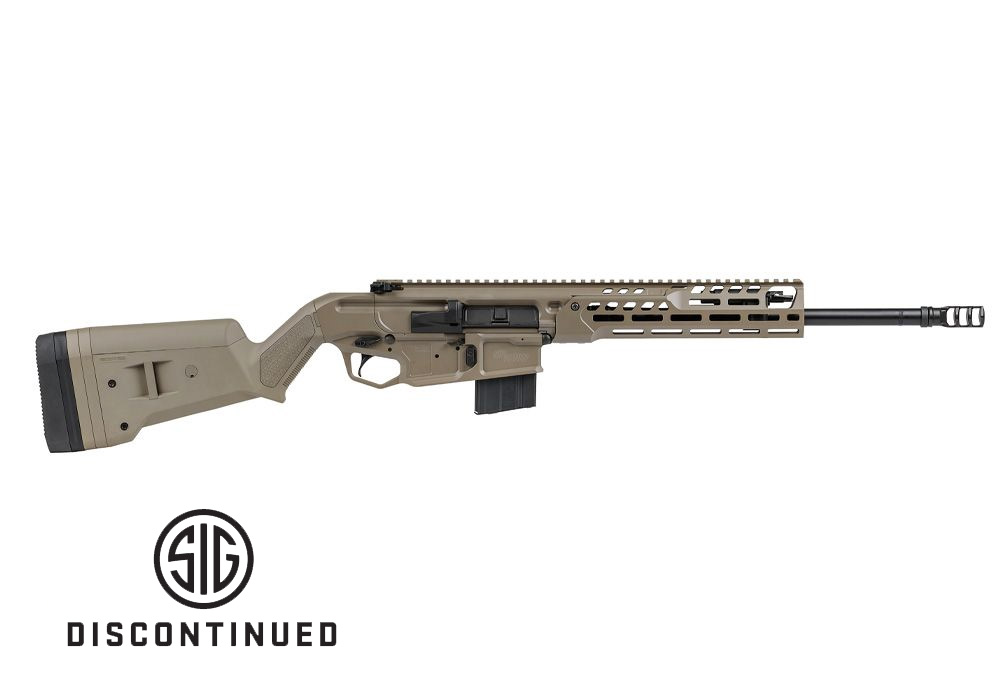
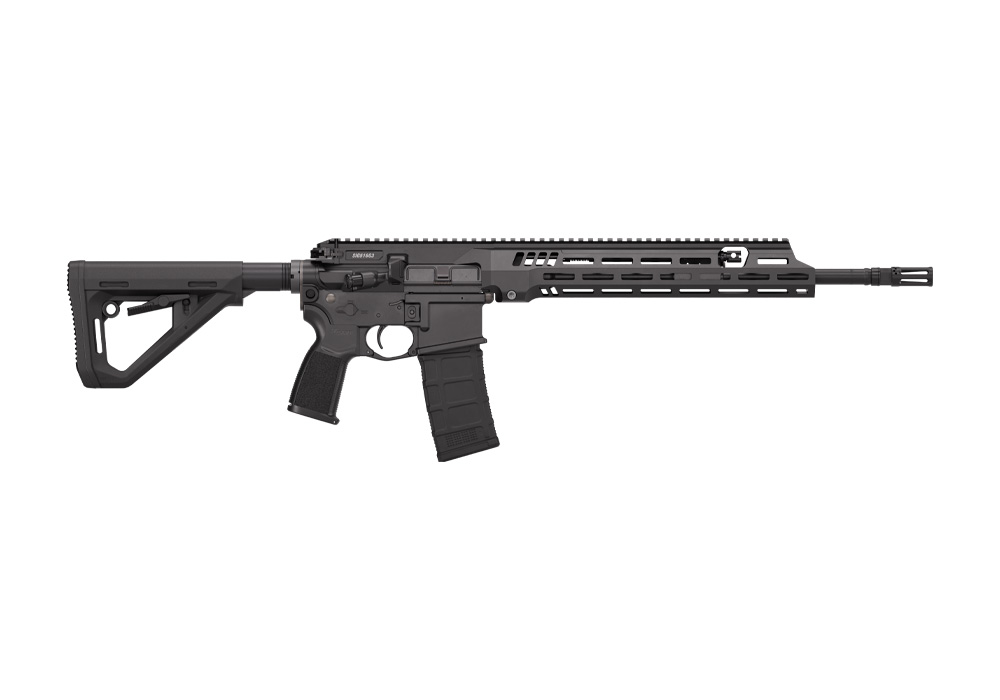
Lightweight 16 in barrel rifles are valued for a practical balance of portability, handling, and ballistic performance. A 16-inch barrel is long enough to support useful velocity from common centerfire rifle cartridges while remaining compact enough for easy movement through a vehicle, blind, wooded trail, or range lane. The defining feature of a lightweight rifle is usually its barrel profile: a slim, pencil-style, or otherwise tapered barrel removes material toward the muzzle and shifts less weight to the front of the firearm. Depending on the configuration, a lightweight barrel may weigh roughly 1.2 to 1.5 pounds, creating a rifle that feels notably quicker in the hands than one built around a heavier profile. That difference becomes clear during a long day outdoors, when a rifle carried across uneven ground can begin to feel like a constant burden, or during a training session that involves repeated transitions between targets. Lightweight 16 inch barrel rifles are often selected by hunters, recreational shooters, ranch and property owners, and anyone who appreciates a compact rifle that can be carried comfortably during the warmer season and the cooler months alike. They can also make thoughtful gifts for an experienced firearm owner who values a lighter setup, provided the recipient is legally eligible and the purchase or transfer follows all applicable federal, state, and local requirements. For a first-time buyer, a knowledgeable retailer, qualified instructor, or gunsmith can help confirm that the rifle’s chambering, controls, fit, and intended use are appropriate before completing a purchase.
Weight savings should be considered as part of the rifle’s complete design rather than judged by the barrel alone. A slim barrel may make the largest difference, but the handguard, receiver set, stock, buffer system, sights, optic, sling, and accessories all contribute to the final carry weight. A free-floating handguard with a narrow profile can preserve the rifle’s lively handling, while a fixed or folding stock may affect storage, transport, and overall balance. Shooters who plan to carry the rifle over distance may prefer a simple optic, lightweight sling, and compact accessory arrangement instead of adding equipment that gradually changes a nimble rifle into a front-heavy one. Those comparing complete rifles with build components should also review compatibility among the barrel, gas system, bolt carrier group, muzzle device, and receiver components. Barrel length alone does not determine performance; chambering, twist rate, ammunition selection, sight height, and the quality of the shooter’s zero all matter. A 16 inch barrel can be a versatile choice for general range use, hunting where lawful, and practical field carry, but the correct chambering should match the game, distances, ammunition availability, and regulations that apply to the intended use. Before purchase, review the published specifications for unloaded weight, overall length, barrel contour, twist rate, chamber designation, thread pattern, handguard mounting system, stock configuration, and included sights or optic. It is also worth checking how the rifle balances with a loaded magazine and the accessories that will actually be used. A firearm that feels light in a catalog listing may feel very different once an optic, sling, and mounted light are installed.
The primary tradeoff with an especially slim barrel is heat management. Less steel can mean faster heating during rapid strings of fire, and as the barrel warms, groups may open or shift compared with the rifle’s cold-barrel point of impact. This does not make a lightweight 16 inch barrel rifle unsuitable for training or recreational shooting; it simply makes realistic expectations and disciplined range habits more important. Allowing the barrel to cool between strings, avoiding unnecessary continuous fire, and recording point-of-impact changes can help the shooter understand the rifle’s behavior. A tapered lightweight profile may offer a useful compromise by reducing forward weight while retaining more rigidity than the thinnest straight pencil designs. Buyers should also consider the rifle’s intended rhythm: a lightweight setup can be excellent for walking, carrying, and deliberate fire, while a heavier profile may be preferable for extended high-volume sessions where sustained heat resistance is a priority. Safe storage, transport, and handling remain essential regardless of weight or configuration. Use the correct ammunition for the chamber marking, keep the muzzle pointed in a safe direction, keep the firearm unloaded until ready to use, and follow the owner’s manual along with applicable laws. Shooters who want similar portability in a package that can be reduced for transport may also want to review Lightweight Rifles With Folding Stock. With careful attention to barrel profile, balance, chambering, accessories, heat behavior, and lawful ownership requirements, lightweight 16 inch barrel rifles offer an appealing combination of carry comfort, maneuverability, and versatile performance for the range and responsible field use.