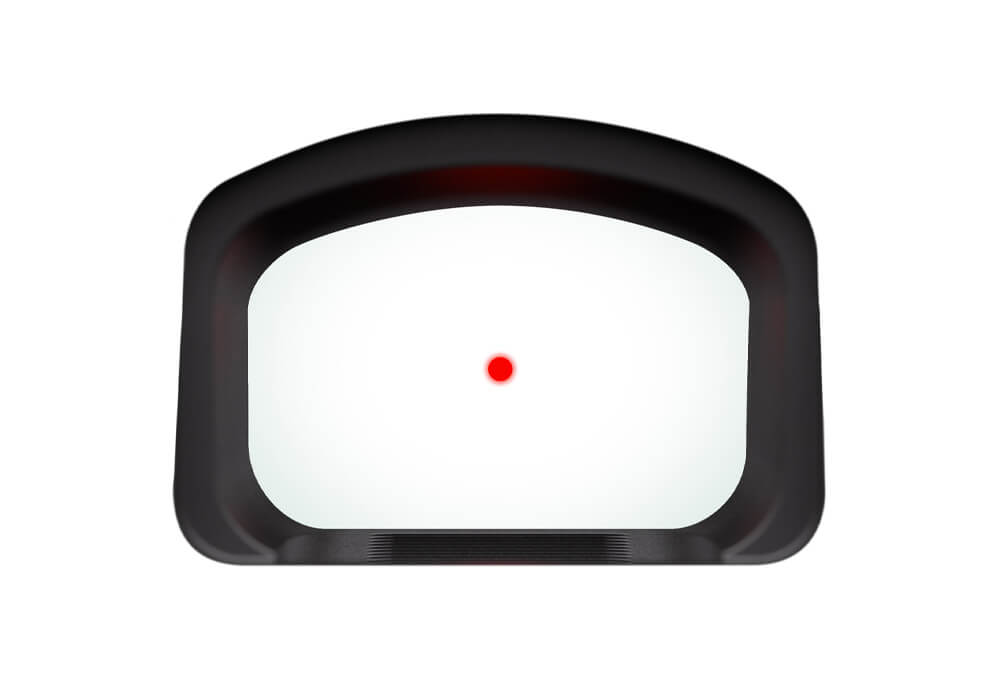
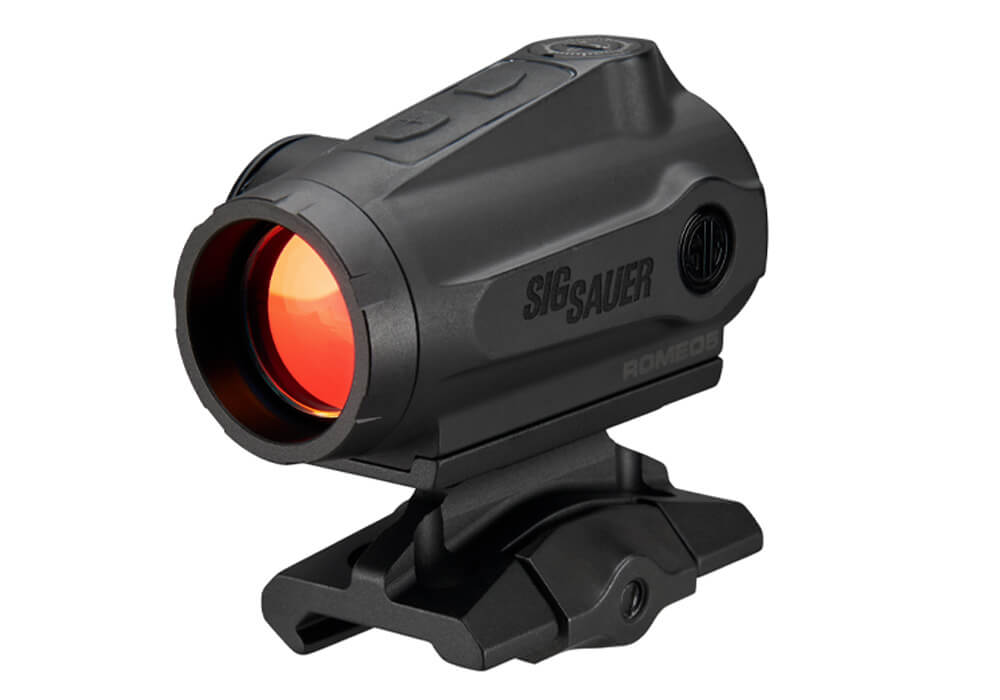
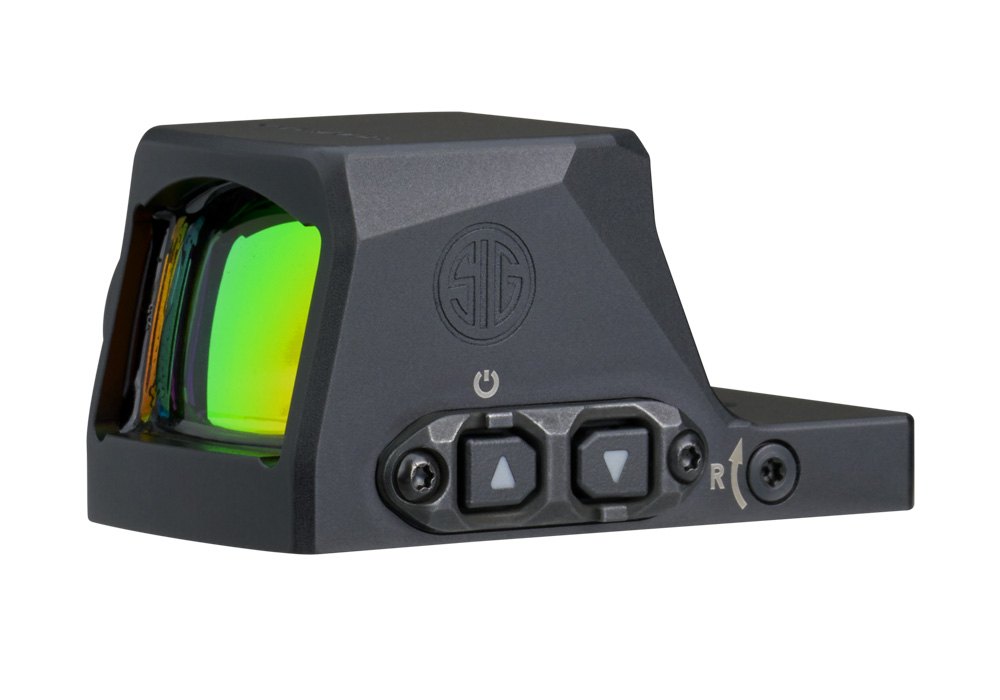
Long-lasting optics combine durable construction, protected glass, stable internal components, and a sighting system that remains practical over years of use. Longevity involves more than a tough-looking housing or a large battery-runtime figure: an optic also needs to hold its settings, maintain a clear image, and fit the firearm and the person using it. For recreational shooters, hunters, and regular range visitors, those qualities can mean less time troubleshooting equipment and more consistent performance from one outing to the next. Metal housings, including aluminum designs, can provide a useful balance of strength and weight, while the housing’s shape helps determine how well it shields lenses and controls during routine handling. Surface treatments help resist wear, but an exterior finish alone does not establish durability. The integrity of the lens assembly, adjustment mechanisms, seals, and mounting interface matters just as much. Recoil-resistance claims are most useful when the manufacturer identifies the testing conditions or intended firearm applications; a broad “rugged” description leaves more to interpretation. Optical quality also contributes to long-term satisfaction. Well-applied lens coatings can improve light transmission and reduce distracting reflections, while protective outer coatings may simplify cleaning. No coating makes glass immune to scratches, so protected lens placement and compatible covers remain valuable features. Intended use gives those details context. An optic carried between a vehicle, a range bench, and a storage case encounters different handling demands than one used primarily from a fixed shooting position. Frequent transport makes secure controls, a protective housing, and manageable weight especially relevant. For a magnified optic, comfortable eye relief and a forgiving viewing position can make extended practice less tiring. For a nonmagnified sight, a clear viewing window and an easily distinguished aiming point can matter more than a long list of electronic settings. Lasting value comes from an appropriate combination of construction, visibility, and everyday usability rather than any single specification.
Illumination deserves close attention because physical durability and dependable power are separate parts of the same ownership experience. Long battery life reduces the frequency of replacement, but published runtime figures typically depend on a particular brightness setting and defined operating conditions. A maximum runtime should not be treated as a promise for every setting or pattern of use. Motion-activated illumination and automatic shutoff can conserve energy between sessions, while manual brightness controls allow the aiming point to remain distinct without overwhelming the view. These features vary by design, and their usefulness depends on whether the controls behave predictably for the owner. Battery access is another practical detail: an accessible compartment can simplify routine replacement, though the exact procedure and any need to check settings afterward depend on the optic. Common battery formats can also make ongoing maintenance more straightforward. Some sighting systems reduce their reliance on electronic illumination altogether. An etched reticle in a suitable prism or magnified optic remains visible without battery power when there is enough ambient light to see it, although its illuminated portion will not function without its power source. That distinction matters; a visible etched pattern is not the same as a powered aiming point, and it does not guarantee visibility in every lighting condition. Fiber-optic illumination can gather available light without a battery, but its brightness depends on the surrounding light. Neither approach eliminates the need to evaluate the complete optical system. Emitter protection is another consideration for electronic sights. An enclosed emitter design helps shield the light source from lint, dust, and other debris, while the external viewing surfaces still need care. For owners who transport equipment regularly or store it between infrequent range trips, protected components and straightforward upkeep can be as valuable as extended runtime. The strongest long-term choice is not necessarily the one with the most illumination features; it is the one whose visibility, power requirements, and maintenance needs suit its intended use.
Fit and care ultimately connect an optic’s specifications to its service life. Mounting compatibility starts with the correct interface, whether that means a compatible footprint, rail attachment, or rings sized for a scope tube. Similar-looking interfaces are not automatically interchangeable, and an adapter can affect overall height, clearance, and handling. Magnified optics also need enough clearance for the objective housing and appropriate positioning for comfortable viewing. Manufacturer compatibility information and installation requirements are more reliable than visual comparisons; a qualified professional can help resolve an uncertain fit. For shoppers whose intended use calls for additional magnification, Long Range Optics offers a related category to consider alongside durability, optical clarity, and comfortable viewing. Magnification alone does not establish longevity or suitability, and greater size or weight is not an automatic sign of stronger construction. An optic that feels cumbersome on the intended firearm may remain frustrating even if its specifications look impressive. Maintenance should be equally realistic. Dust on a lens is best addressed with appropriate optical-cleaning tools rather than a shirt sleeve, which can move abrasive particles across the surface. Lens-safe cleaning materials and the manufacturer’s care instructions help protect coatings, seals, and finishes. Protective covers and a padded storage case can limit unnecessary contact during transport, while keeping equipment clean before storage reduces the buildup of residue around controls and lens edges. Routine checks for exterior wear, battery condition, and secure attachment can reveal concerns before the next planned outing. Service support matters over the same ownership timeline. Clear warranty terms, accessible documentation, and a defined repair process offer useful reassurance, though coverage should be read for its actual scope rather than assumed from a short label. As a gift for an experienced shooter or hunter, an optic is most appropriate when the recipient’s firearm compatibility, viewing preferences, and intended use are already known. Those details are difficult to guess from appearance alone. Whether chosen as a gift or for personal equipment, long-lasting optics earn their place through dependable operation, sensible care requirements, and a comfortable fit that remains useful well beyond the first trip to the range.