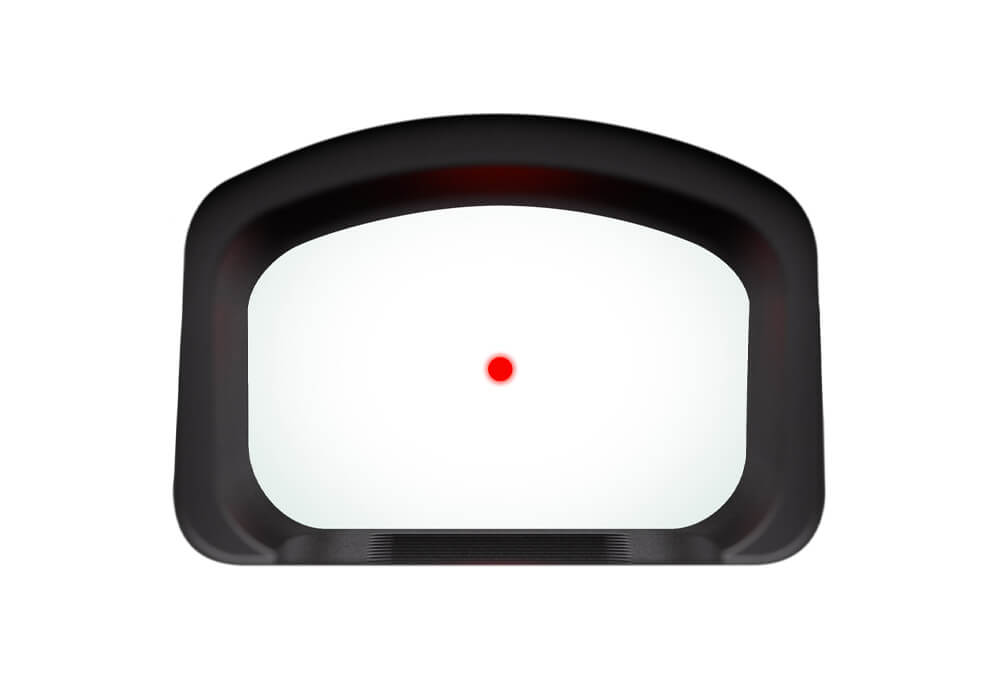
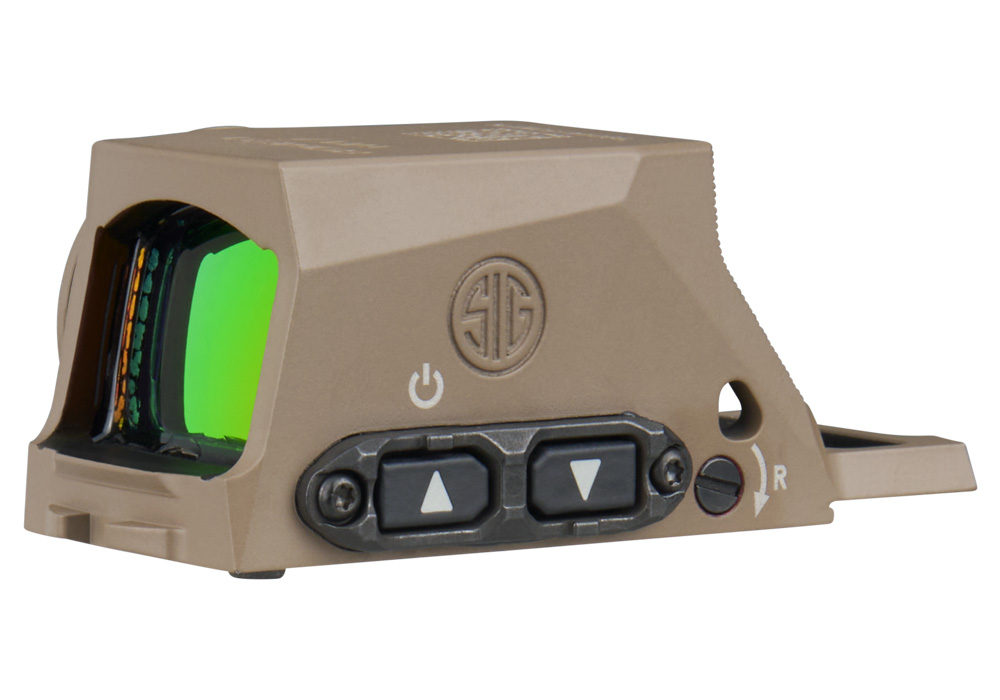
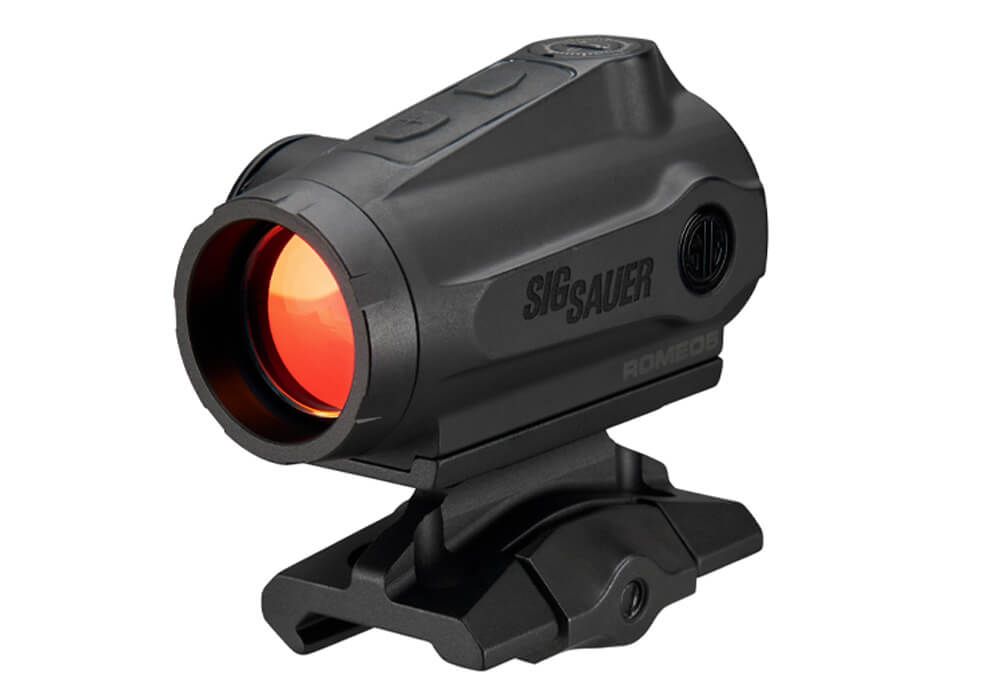
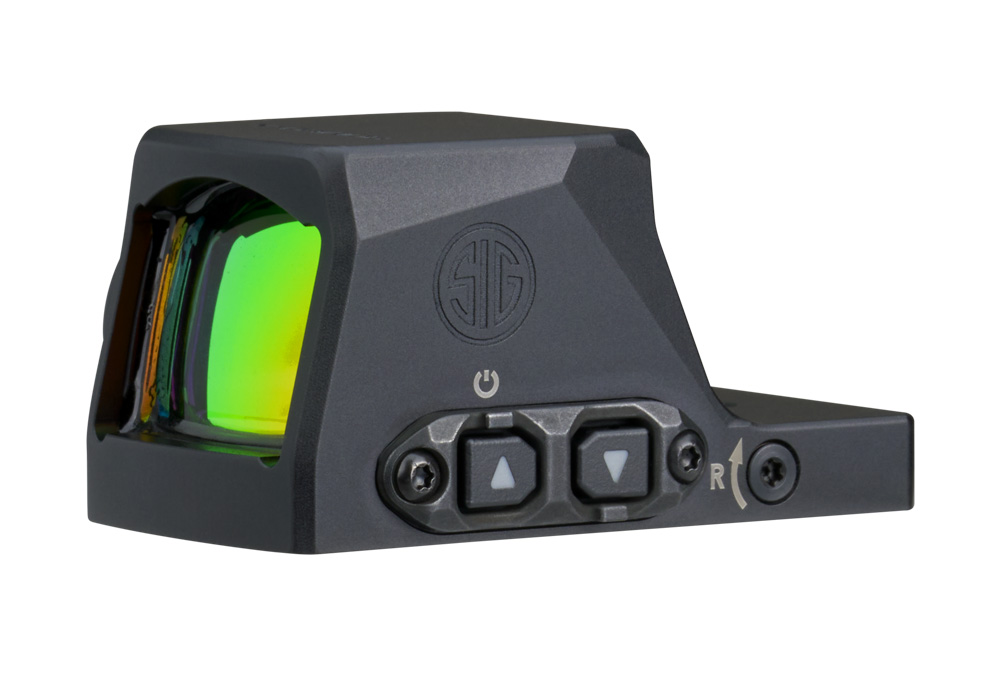
Long battery life optics are designed for shooters who value readiness, consistency, and fewer interruptions during storage, training, or use in the field. Modern red dot sights may provide approximately 20,000 to more than 50,000 hours of operation on a single battery, depending on the model, brightness setting, emitter design, and power-management features. At moderate settings, that can translate into several years of continuous operation, although real-world runtime will vary. Efficient LED emitters help reduce power consumption while maintaining a crisp aiming point, and some optics use motion-activated technology that places the sight into a low-power sleep mode during inactivity before bringing the reticle back when movement is detected. Other designs incorporate solar assistance, allowing ambient light to supplement the battery during brighter conditions. These features are especially useful for a defensive handgun, a home-protection firearm, a range pistol, a hunting rifle, or a carbine that may spend long periods secured and ready for use. The goal is not simply to choose an optic with the largest published runtime; it is to find a sight whose controls, mounting system, reticle, window, and power features suit the way the firearm will actually be handled. A compact handgun optic may benefit from a low-profile design, easy-to-reach brightness controls, and a battery arrangement that can be serviced without removing the sight. A rifle optic may offer a larger viewing window, a tube-style housing, or more pronounced protective construction for use in changing terrain and weather. Shooters who practice in dim indoor ranges, shaded woods, bright open fields, or mixed lighting should also consider how clearly the reticle remains visible across those conditions. Battery specifications are generally measured under defined test settings, so operating an optic at maximum brightness, especially for extended periods, can shorten the expected runtime considerably.
Selecting a long battery life optic also involves matching the sight to the firearm, mounting footprint, and daily routine. Before purchasing, confirm that the optic is compatible with the slide cut, mounting plate, adapter, or rail system intended for the firearm. A secure fit matters as much as a long runtime because repeated recoil, transport, and handling can expose weaknesses in an unsuitable mounting arrangement. Check the battery type and access method as well. A top-loading battery compartment can make routine replacement straightforward, while a bottom-loading design may require the optic to be removed and re-zeroed when the battery is changed. If the sight uses a rechargeable internal cell, consider how it will be charged, how long it takes to reach a full charge, and whether the charging method fits the storage and travel routine. Motion activation can be valuable for a firearm kept ready in a safe or case, but it should not replace regular inspection. Solar-assisted operation can extend practical battery life in daylight, yet the battery remains important in darkness, enclosed spaces, and low-light conditions. Brightness controls should offer enough range for a sharp aiming point without excessive glare or bloom. Many users find that a medium setting provides a useful balance of visibility and efficiency, while a brighter setting may be necessary in direct sunlight. The optic should be checked alongside the firearm after installation, after a battery change, and after any significant impact or transport. Keeping a spare battery with range equipment, storing the firearm according to manufacturer guidance, and confirming the reticle before use are simple habits that help preserve confidence. For those comparing compact options for a pistol, the selection of Handgun Optics With 20000 Hour Battery can provide a practical starting point for evaluating sights built around extended runtime.
Long battery life optics can be a thoughtful purchase for experienced shooters, first-time optic users, and anyone preparing a firearm for regular practice or responsible storage. They may also be a useful gift for a hunter who spends long mornings in a blind, a competitor who wants a dependable sight between stages, or a family member building a well-organized range setup. During the cooler months, when outdoor sessions may begin before sunrise or end as daylight fades behind the trees, dependable illumination and simple controls become particularly noticeable. A sight that activates quickly, holds its zero, and remains easy to adjust can reduce distractions when gloved hands, cold temperatures, or changing light make small controls harder to manage. Hunters may appreciate a reticle that is visible against a dark treeline without overpowering the target area, while home-defense users may place greater value on dependable activation, a clear window, and a setting appropriate for indoor lighting. Range shooters often focus on repeatability, ease of zeroing, and the ability to inspect the battery without disrupting their setup. No optic eliminates the need for safe handling, proper training, secure storage, or confirmation that the firearm is unloaded when appropriate. Battery life is also only one part of overall reliability; construction, lens quality, adjustment controls, mounting compatibility, environmental resistance, and warranty support all deserve attention. When comparing advertised runtimes, remember that a rating measured on a low or medium setting may differ from results at maximum brightness, and motion sensors or solar features may change how the optic consumes power in everyday use. A quick function check before each session, combined with periodic battery replacement based on a personal maintenance schedule, helps keep the aiming system ready through changing conditions. Whether mounted on a handgun, rifle, or another compatible firearm, a long battery life optic offers the convenience of spending less time managing power and more time concentrating on safe, deliberate, and consistent operation.