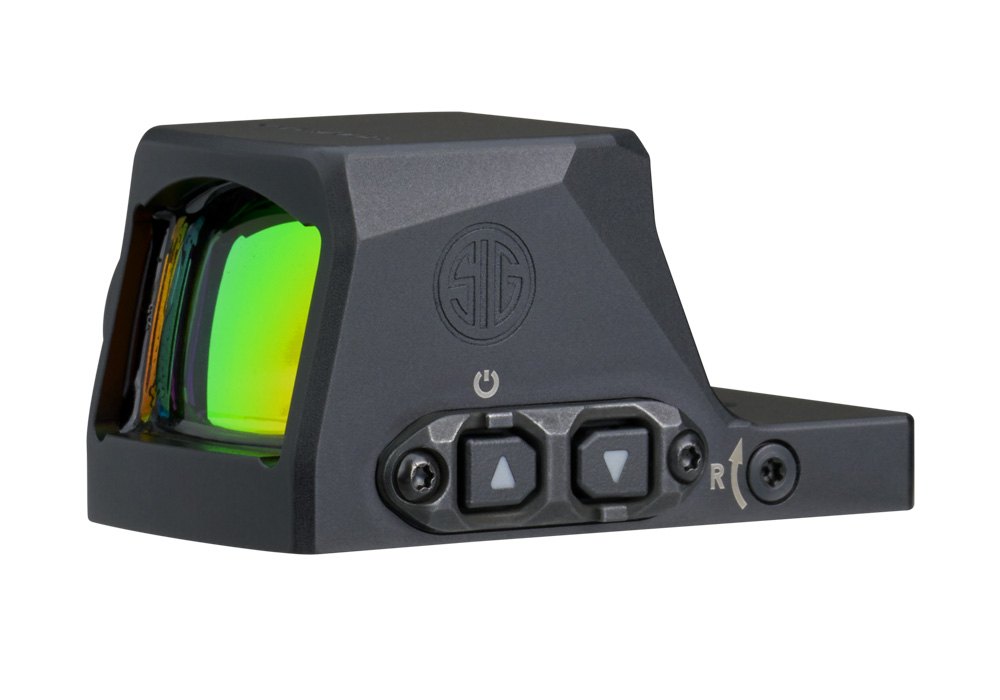
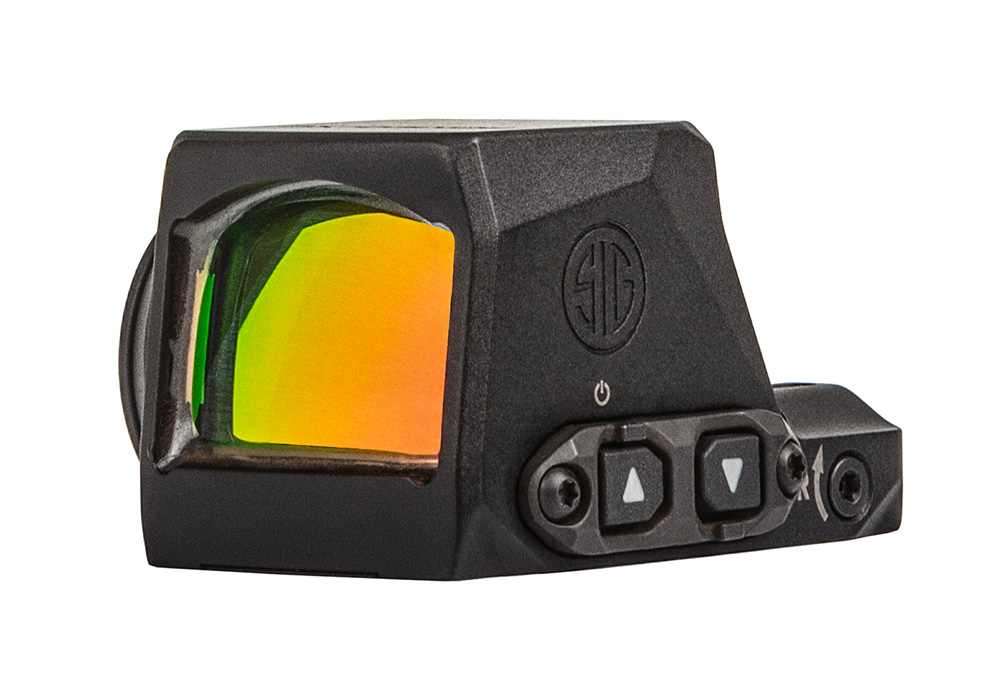
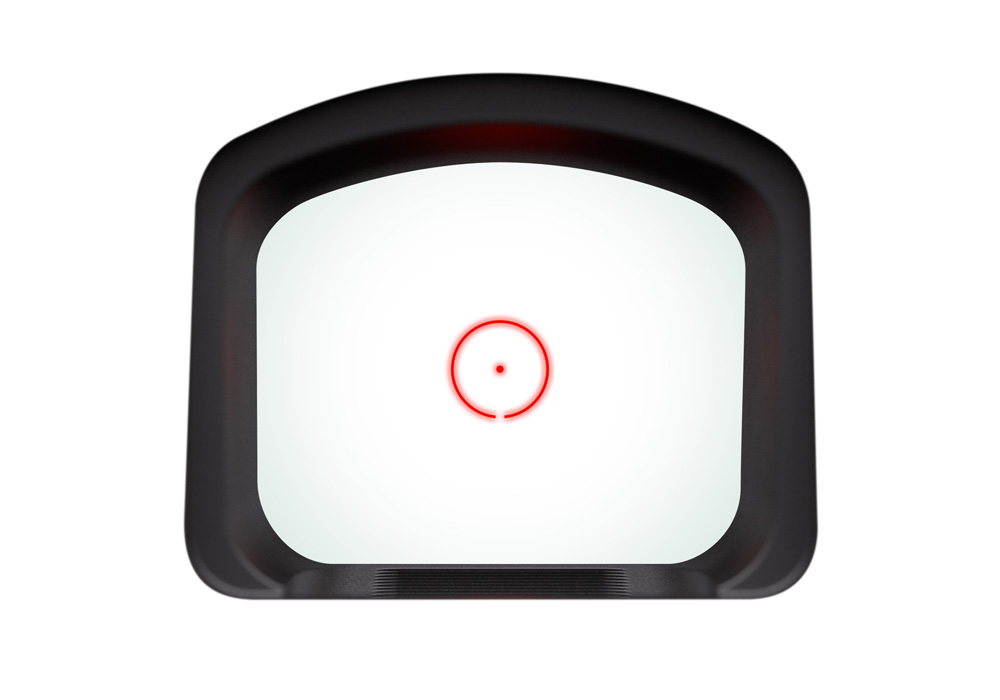
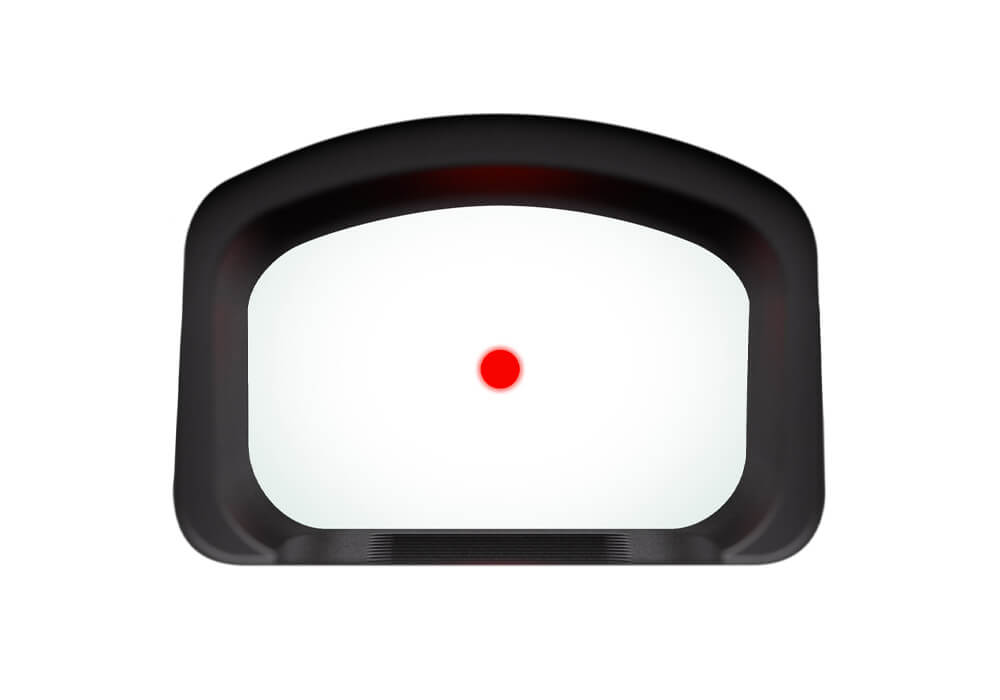
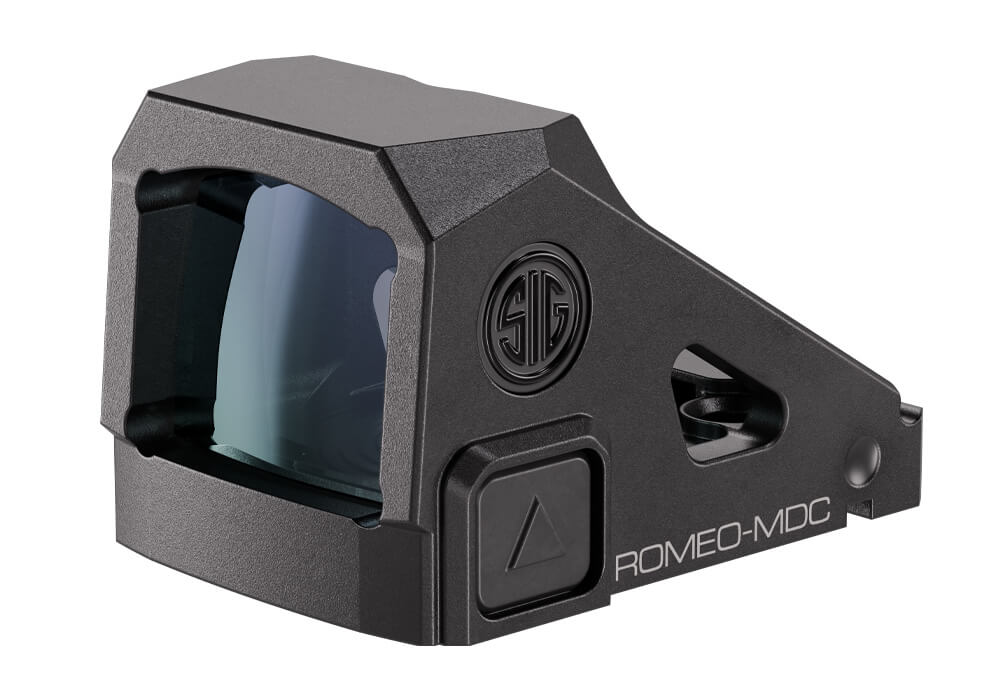
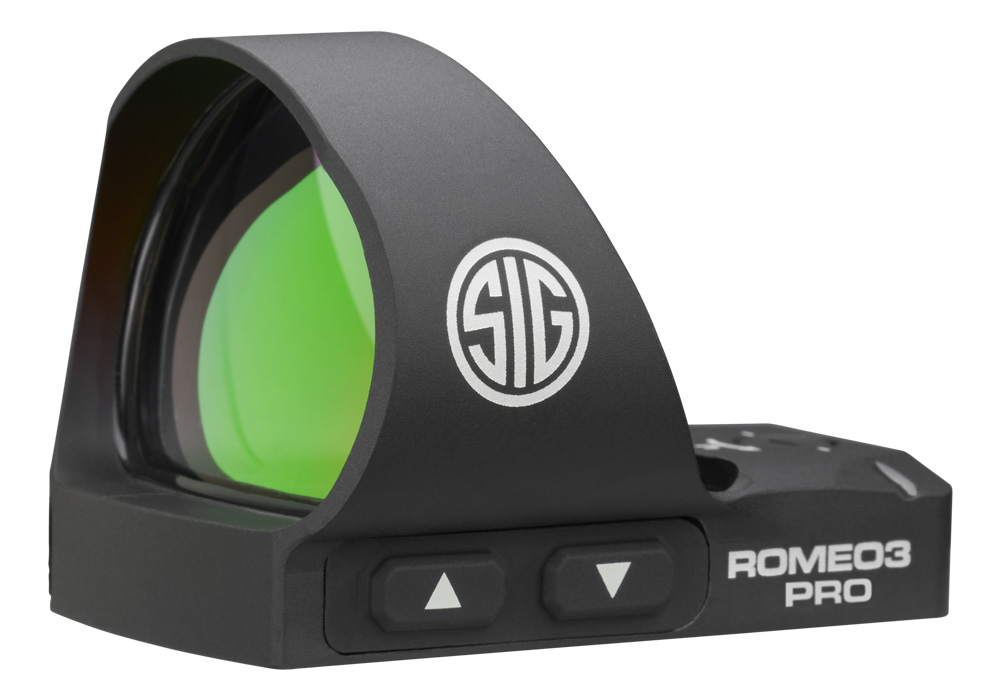
Handgun optics with a 20,000-hour battery rating pair an illuminated aiming reference with extended operation between battery changes. A 20,000-hour runtime equals approximately 2.3 years of continuous operation under the manufacturer’s stated test conditions, not a guaranteed replacement interval for every user. That distinction matters because brightness settings, battery specifications, reticle configuration, and power-management features can affect the published figure. A rating measured at a middle brightness setting may not describe performance with the illumination turned up for a brightly lit range. Likewise, estimated battery life that includes standby time is different from continuous runtime with the reticle illuminated. Comparing those details gives the number useful context and helps separate a long service interval from an assumption that a battery never needs attention. For regular range visitors, competitive shooters, and responsible owners who use a pistol for lawful personal protection, extended runtime can simplify routine upkeep while keeping the sight ready for scheduled practice and other appropriate use. The practical appeal extends beyond the battery itself. A pistol-mounted red dot or reflex sight presents an illuminated aiming reference within a viewing window, allowing the shooter to focus on the target rather than align a front sight and rear notch in the traditional way. Consistent presentation and sound shooting fundamentals still matter; an optic does not replace training or correct an inconsistent grip. Reticle visibility also depends on choosing suitable illumination. Excessive brightness can make a small dot appear larger or less sharply defined, while insufficient brightness can leave it difficult to distinguish against a bright background. Useful handgun optics balance runtime with a clear reticle, accessible controls, and settings that suit the shooter’s actual surroundings. Automatic brightness adjustment and motion-sensitive activation can add convenience when included, but their behavior, sensitivity, and standby settings deserve the same attention as the headline battery-life figure. Long runtime is most meaningful when the sight’s everyday operation is predictable and easy to understand.
Fit is equally important, because an optic-ready handgun does not necessarily accept every pistol sight without additional mounting hardware. The slide cut, optic footprint, mounting plate, recoil-lug arrangement, and specified screws all contribute to a secure interface. Similar-looking footprints are not always interchangeable, and screw length or thread differences can prevent correct installation or interfere with the handgun’s operation. Manufacturer compatibility information should take priority over appearance, with installation handled according to the relevant manuals or by a qualified gunsmith when needed. Mounting height affects how the viewing window sits above the slide, whether existing iron sights remain visible through it, and how naturally the dot appears during a familiar presentation. Holster clearance matters as well: a holster intended for a slide without an optic may not provide suitable space or protection once a sight is installed. Beyond fit, housing construction and lens protection shape how an optic handles repeated recoil and routine handling. Aluminum and durable polymer housings offer different combinations of weight, structure, and exterior profile, so material alone does not tell the whole story. The quality of the mounting interface, protective housing geometry, adjustment mechanism, and battery compartment all influence long-term usefulness. An open-emitter design leaves the light source exposed within the sight’s structure, while an enclosed-emitter design places it behind an additional protective window. Enclosed construction can help keep lint and debris away from the emitter, though every optical surface still needs attention. Window size is another practical tradeoff. A generous viewing area may feel more forgiving during range practice, while a compact housing can reduce bulk on a carry handgun. Reticle size, commonly expressed in minutes of angle, also deserves consideration: a smaller dot obscures less of a distant aiming mark, while a larger dot may be easier for some shooters to locate. Neither choice is universally better. Eyesight, corrective lenses, target type, and familiarity all influence the view through the sight, making perceived clarity more useful than a specification considered in isolation.
Care and battery access help determine whether extended runtime translates into a convenient ownership experience. A top-loading or side-access battery compartment can allow replacement without removing the optic, provided the design supports that procedure. A battery mounted beneath the housing may require removal and reinstallation, followed by confirmation of zero. Even when the sight stays attached, a function check after battery service helps confirm that the illumination, controls, and compartment closure operate as intended. Replacement batteries should match the manufacturer’s specified type, and contact surfaces should remain clean and undamaged. A planned replacement schedule based on actual use is more dependable than waiting for the reticle to fail, especially when the handgun serves a role beyond recreational target shooting. Published runtime is a useful comparison point, but it does not account for every battery’s age, storage history, or service condition. Lens care is similarly straightforward but important. Loose grit should be removed before wiping, and cleaning materials should be suitable for coated optical surfaces. Harsh solvents, abrasive cloths, and unnecessary pressure can harm coatings or leave residue that affects the sight picture. Following the care instructions for both the optic and handgun helps prevent cleaning chemicals from reaching seals, electronics, or finishes that are not intended for them. Routine inspection can also reveal loose hardware, a damaged housing, or an obstructed emitter before the next range session. Any installation, maintenance, or inspection should begin with the handgun unloaded and secured according to its manual. For a gift recipient who already owns an optic-ready pistol, confirming the exact mounting requirements and preferred reticle style is more valuable than choosing solely by battery rating. Related choices in Long Battery Life Optics offer another way to compare extended runtime alongside the features that matter in regular use. The strongest match combines a suitable mounting system, readable illumination, durable construction, and manageable maintenance with a battery rating whose conditions are clearly understood.