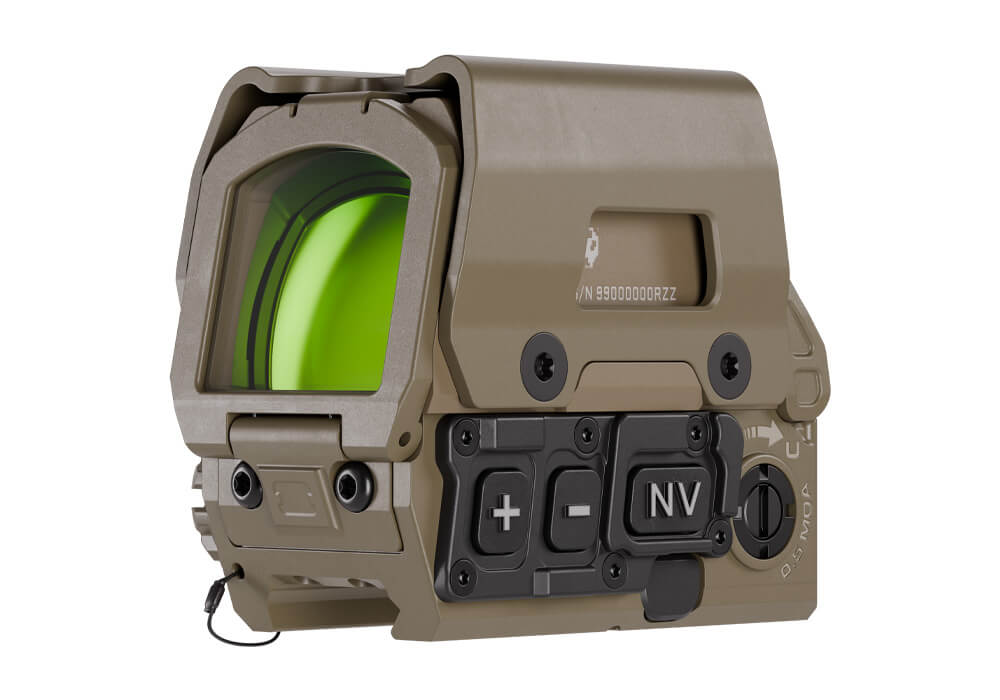
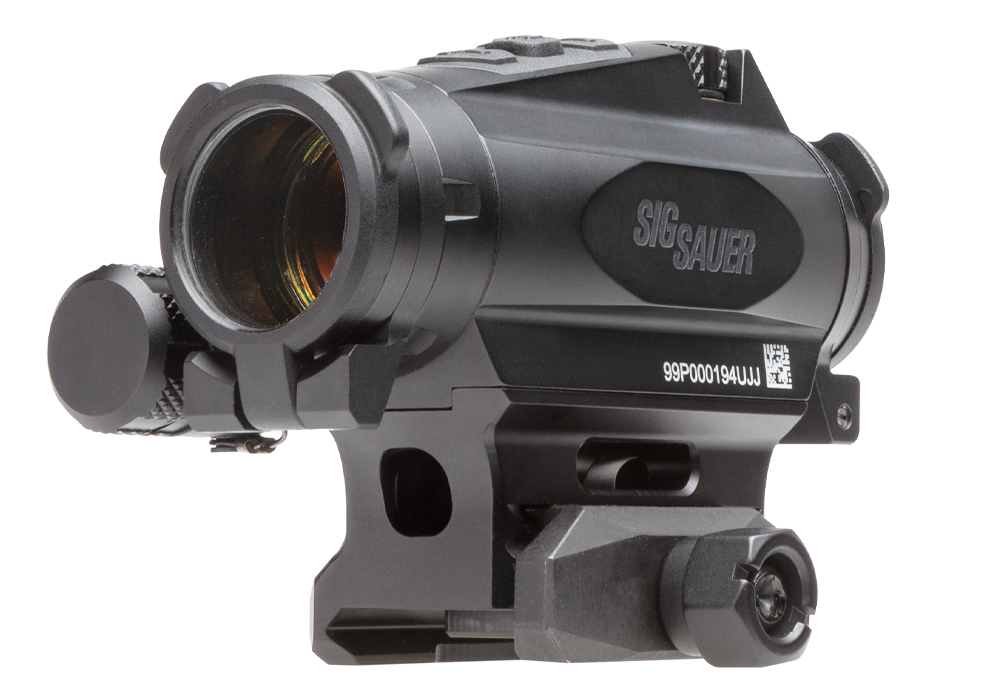
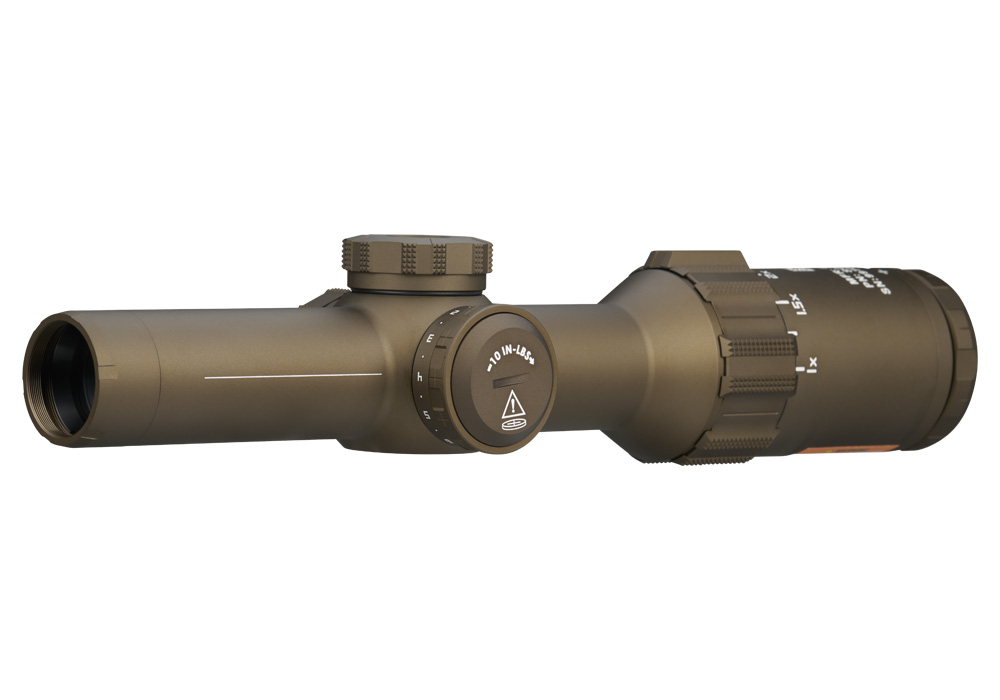
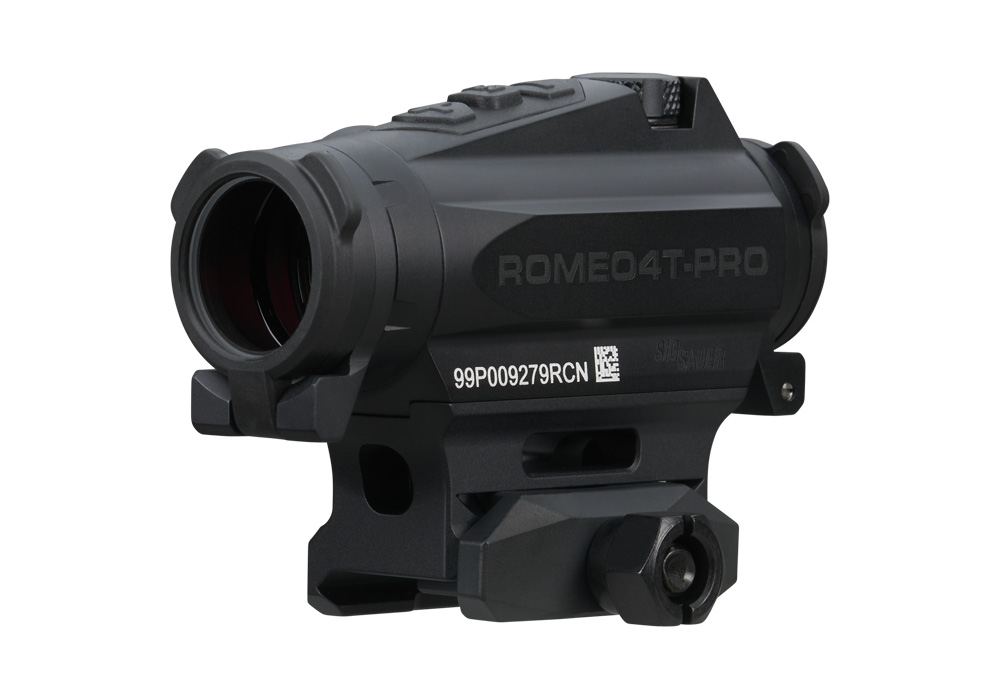
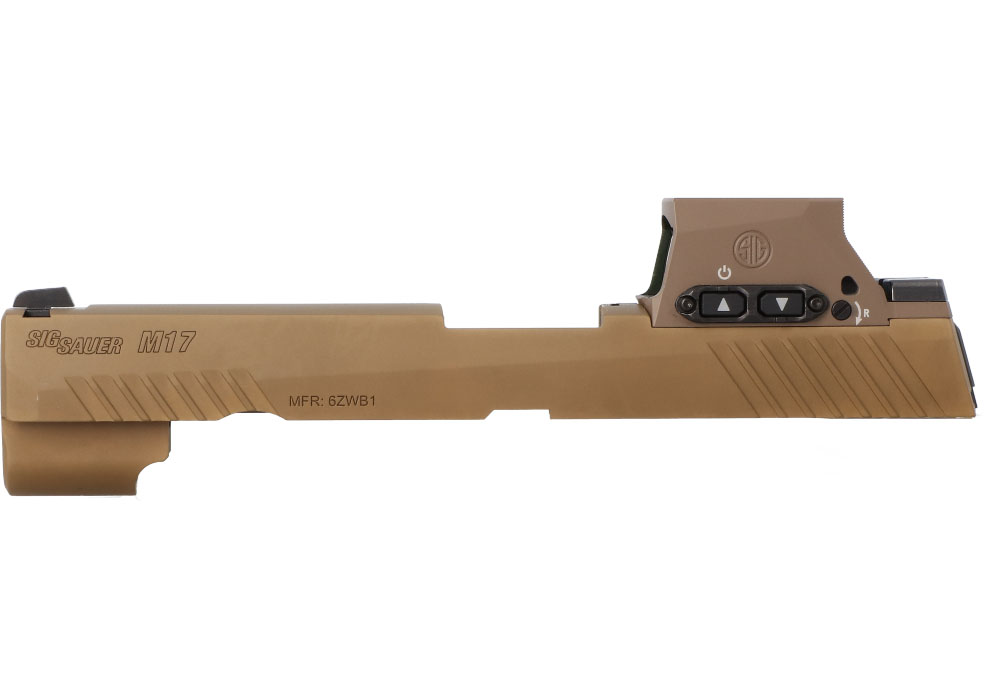
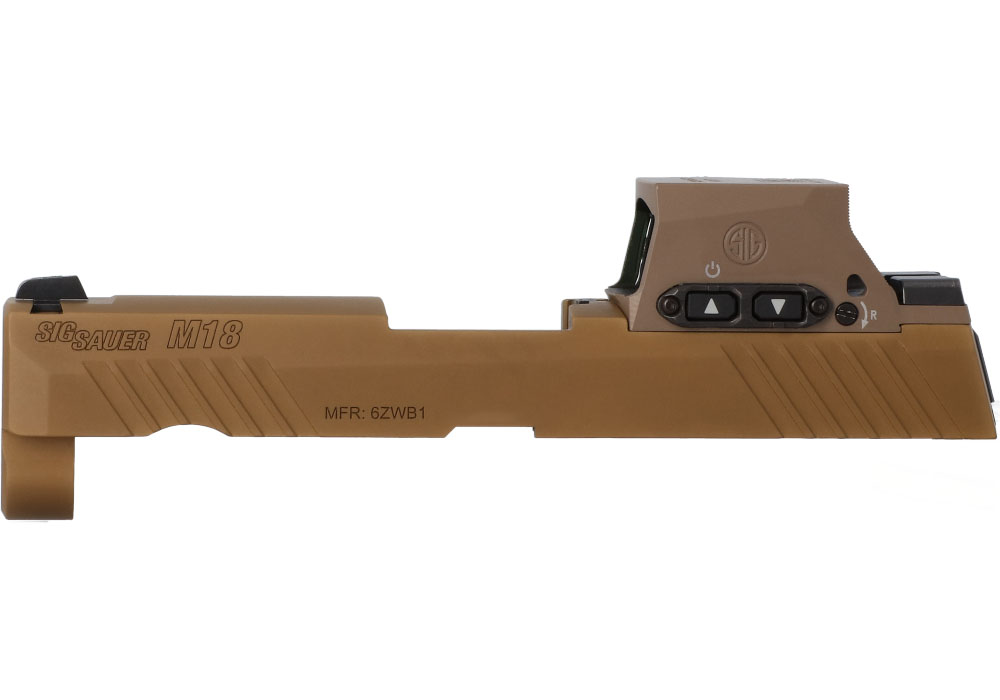
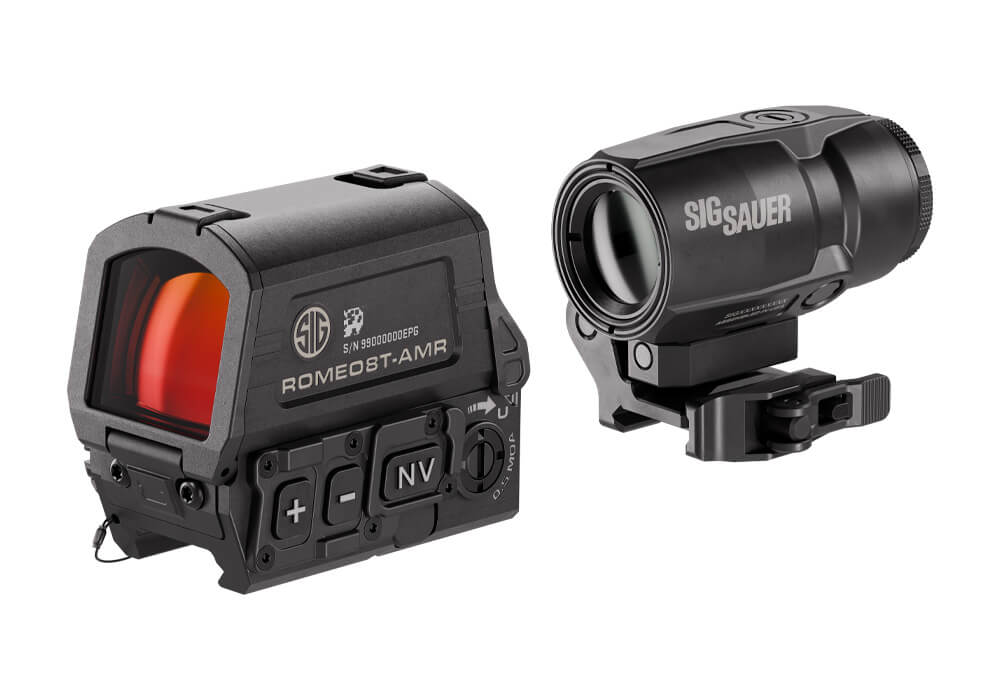
Handgun optics with night vision settings are designed for shooters who need a usable aiming point while looking through a head- or helmet-mounted night vision device. In ordinary daylight, a bright red or green dot may appear crisp and easy to track, but that same intensity can bloom dramatically through a night vision tube, creating a glowing ball that obscures the target and washes out surrounding detail. Dedicated night vision settings use much lower illumination levels so the reticle remains visible without overpowering the image. This makes these optics relevant for qualified law enforcement and military personnel, professional security users, night-training participants, and private owners who have the appropriate equipment, instruction, and legal authorization for their intended application. A handgun optic with night vision capability can also be useful during low-light practice where preserving natural darkness matters, although it should not be treated as a substitute for a handheld light, weapon-mounted light, sound judgment, or a clearly identified target. When comparing options, begin with the pistol and mounting system. The optic must match the slide cut or mounting plate, sit at a height that supports a consistent presentation, and leave sufficient clearance for the chosen backup sights. Confirm the manufacturer’s footprint, screw specifications, torque requirements, and any limitations associated with the handgun before installation. A compact reflex sight may appear small on a display case, yet the details become important when it is mounted to a reciprocating slide and carried through dust, rain, holster friction, and repeated recoil. Fit also affects the draw: the window should be easy to find during a practiced presentation without forcing the shooter to adjust wrist angle or hunt for the dot.
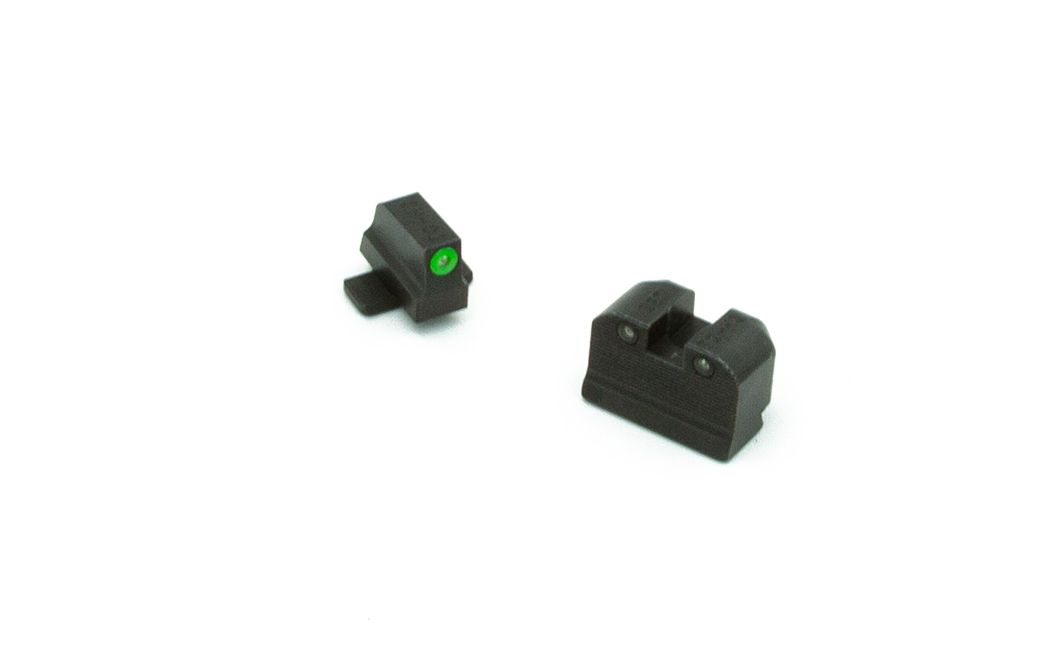
Brightness adjustment is the defining feature of this category. Look for multiple manual intensity levels, including dedicated ultra-low settings intended for use with night vision. The reticle should remain controlled and sharply defined through the device rather than flaring across the field of view. Automatic brightness adjustment can be convenient in changing daylight, but manual control is valuable when the shooter needs to set a precise, repeatable level before moving into darkness. The adjustment buttons should be easy to operate deliberately and resistant to accidental changes from holster contact or gear. Reticle choice is another personal consideration. A simple dot can offer a clean sight picture and fast visual confirmation, while a circle-dot or multi-reticle configuration may provide additional reference points for some users. The best option is the one that remains clear through the night vision system and does not create unnecessary visual clutter. Enclosed-emitter designs place the light source inside a protected housing, helping shield it from lint, rain, mud, and fine debris that could interfere with an exposed emitter. Open-emitter designs may offer a broad viewing window and a slim profile, but they require closer attention to maintenance and environmental conditions. Neither format replaces routine inspection. Before training, check the lens, emitter area, mounting screws, battery compartment, and backup sights; a small strand of fabric or a film of moisture can be difficult to notice until it affects the sight picture. Co-witnessing is also worth evaluating. Standard-height or lower-third backup sights can provide a familiar indexing reference if the electronic optic is unavailable, but the relationship between the optic, iron sights, and night vision device should be confirmed in a controlled setting. Tritium sights, reflective surfaces, and other illuminated elements can appear differently through night vision, so each component should be assessed as part of the complete setup rather than in isolation.
Battery life, housing strength, controls, and serviceability deserve equal attention. A sight advertised with extended battery life can reduce the frequency of battery changes, but real-world duration depends on brightness level, temperature, storage habits, and whether the optic is left on. Users who keep a handgun ready for training or duty should establish a replacement schedule rather than waiting for a dim reticle or a dead cell. Those comparing additional options may also review Handgun Optics With 20000 Hour Battery for designs focused on long operating intervals. Keep spare batteries in a protected container, follow the correct installation direction, and inspect the compartment seal whenever it is opened. A rugged optic should withstand the movement and vibration of a slide, but durability is not a reason to ignore the mounting instructions or use excessive torque. After installation, confirm zero with the ammunition and distance used for training, then recheck it after the first range session and after any impact, disassembly, or mounting-plate service. Night vision equipment adds another layer of familiarity: passive aiming depends on presenting the handgun consistently, keeping the optic within the night vision device’s field of view, and managing the difference between what the unaided eye sees and what appears through the tube. Practice should begin in a safe, controlled environment with a qualified instructor, using an unloaded handgun for presentation drills before live fire. As the weather moves through cooler months, condensation can form when equipment travels between warm interiors and cold outdoor air; allow optics and night vision devices to acclimate, keep lenses covered when not in use, and avoid wiping grit across coated glass. These products can make thoughtful gifts for an experienced shooter, professional user, or enthusiast who already owns a compatible handgun and night vision setup, but an optic is rarely a good surprise purchase for a beginner because footprint, reticle, emitter design, mounting height, and controls are highly personal. A gift card or a conversation about the intended pistol and training environment may be more practical. Whether selected for structured night training, professional duties, or responsible preparedness, the right handgun optic with night vision settings should support a clear sight picture, dependable operation, and disciplined habits in the hands of a properly trained user.