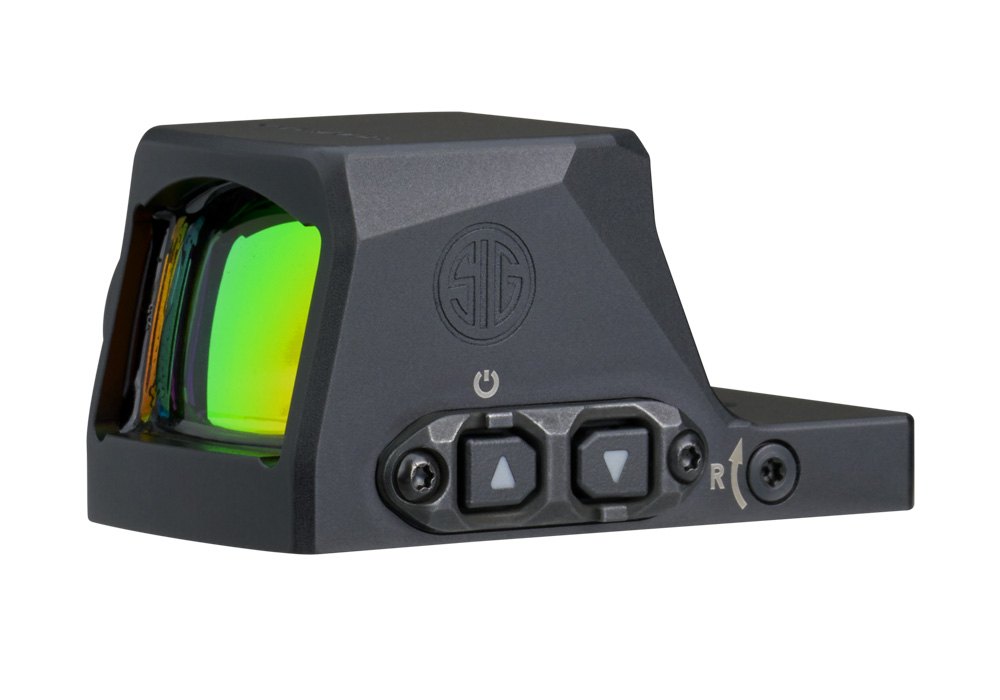
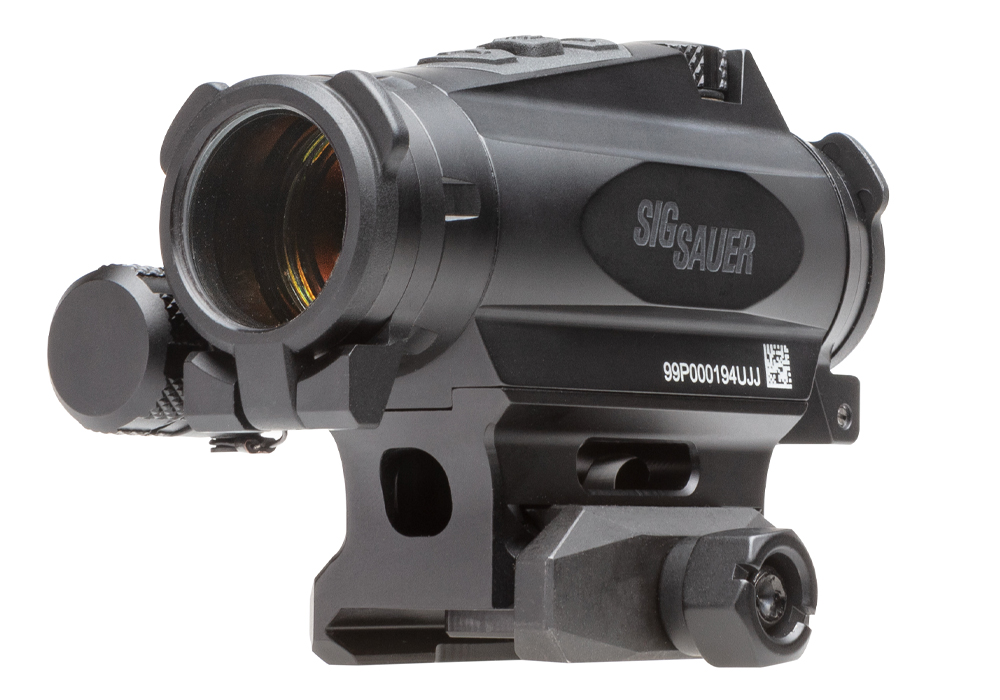
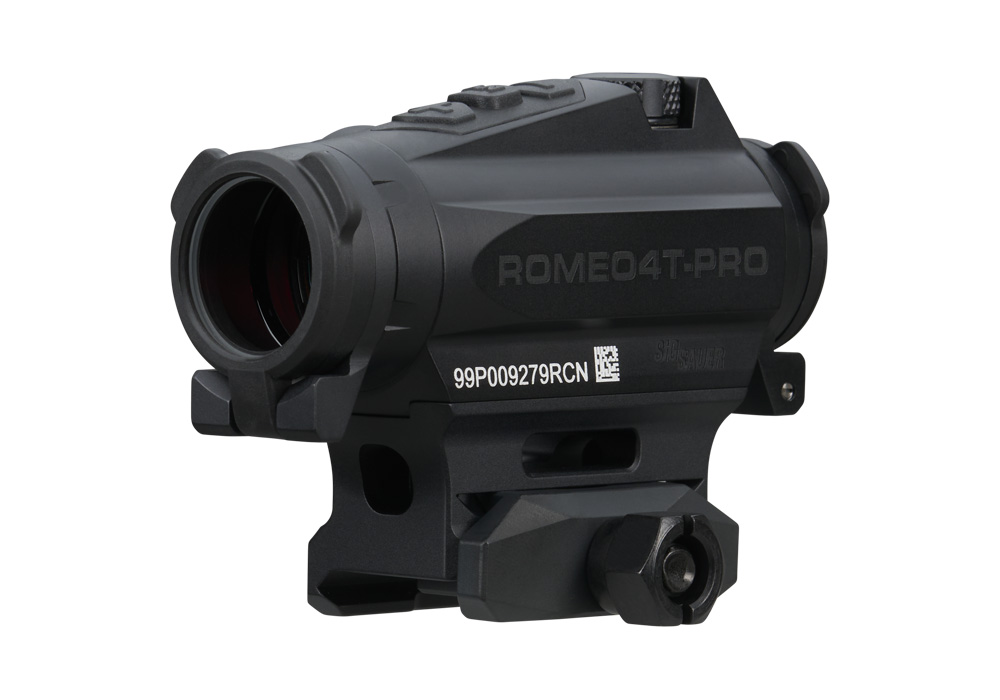
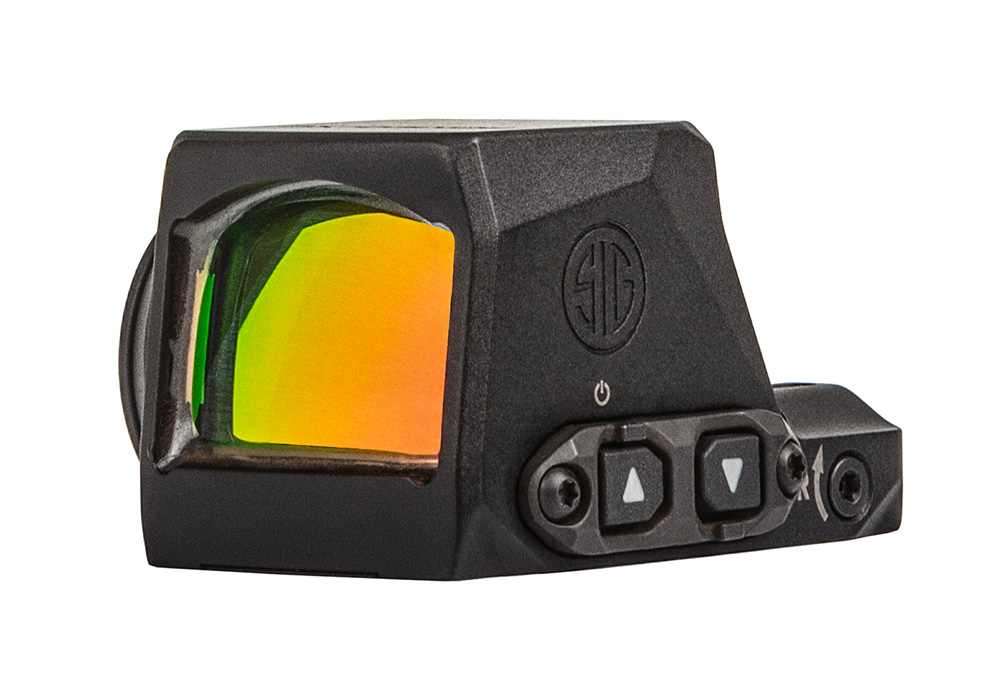
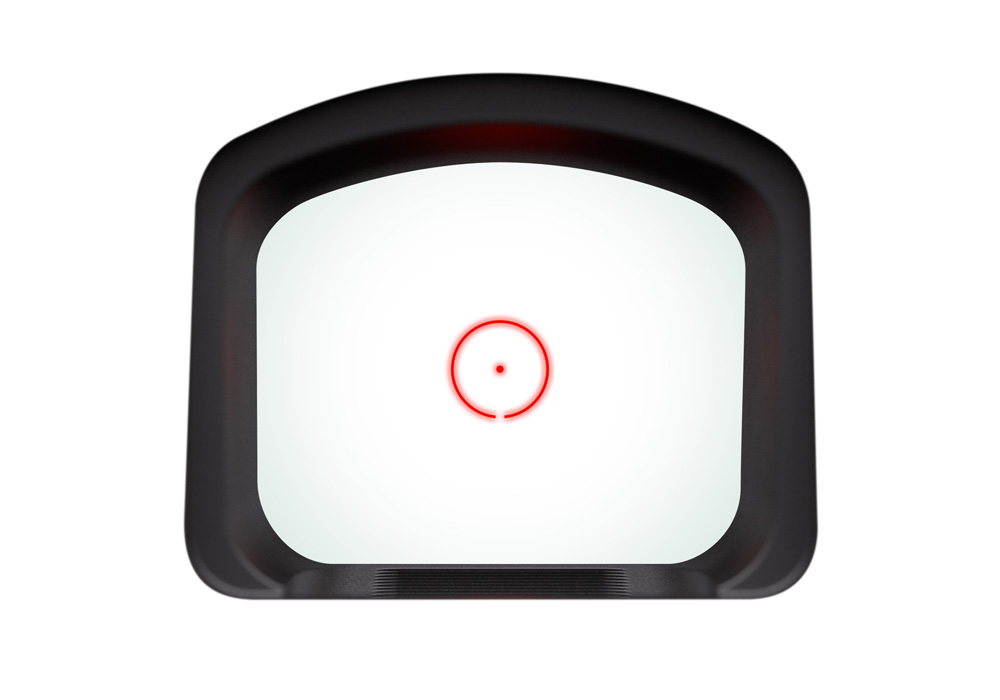
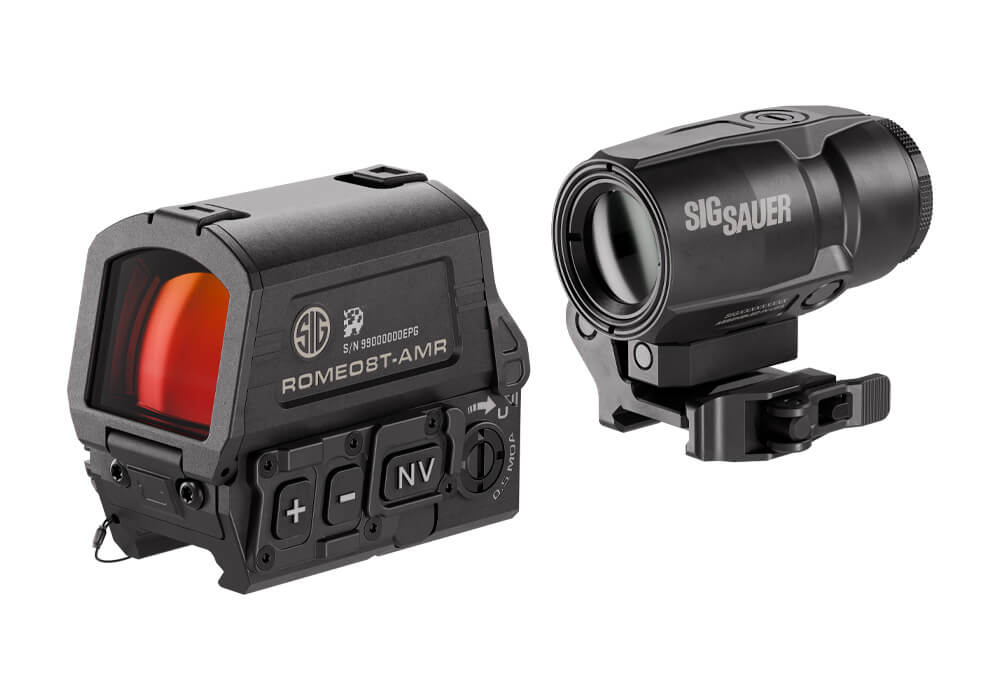
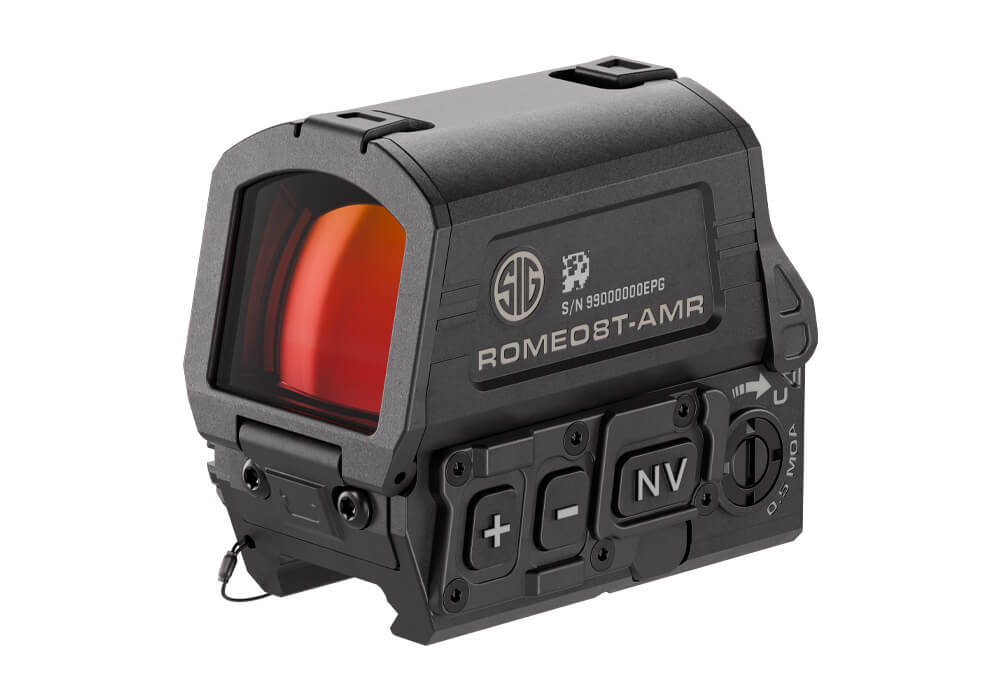
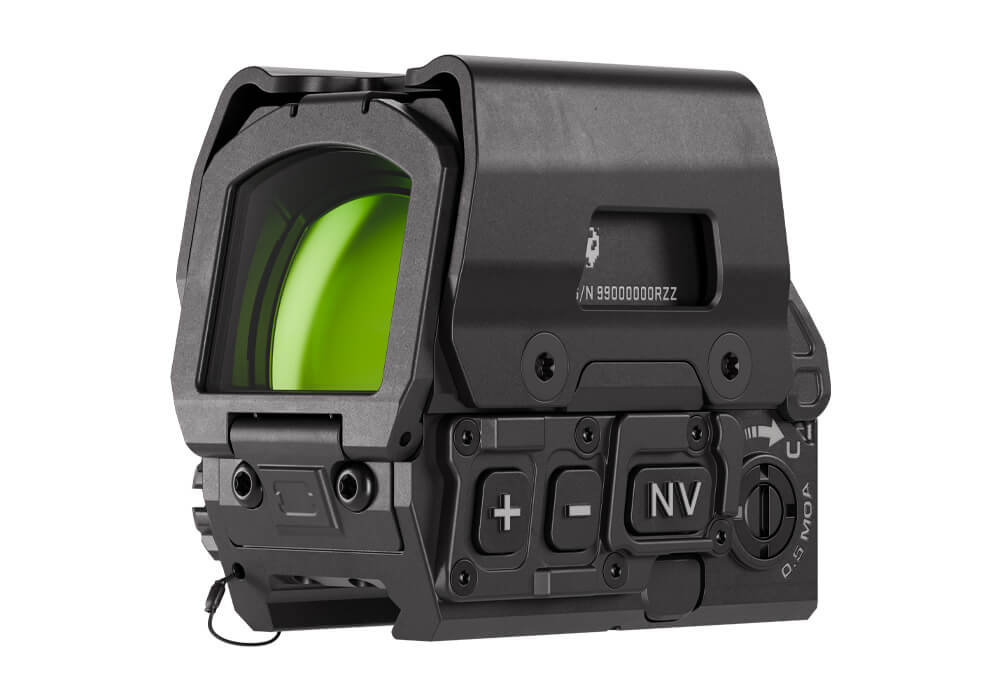
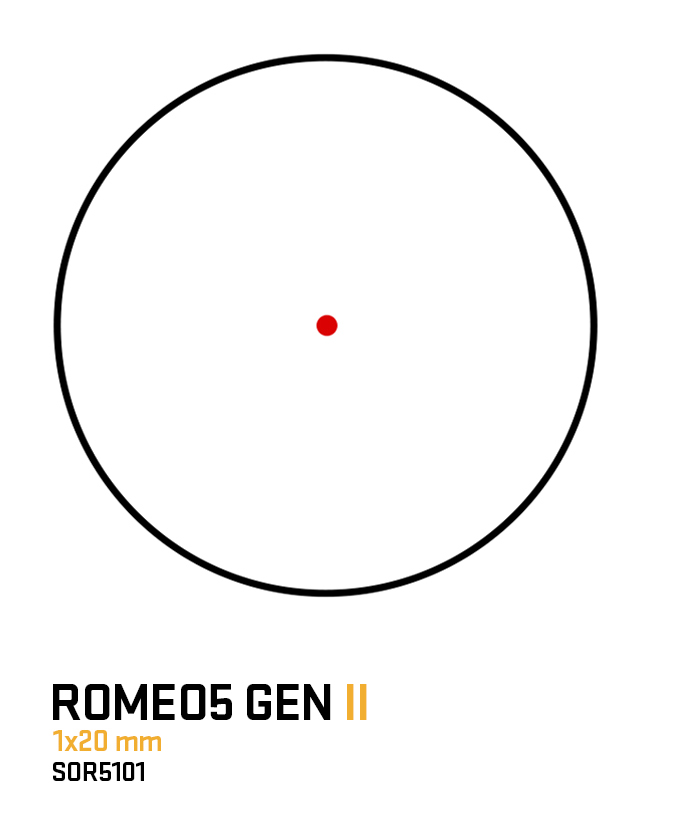
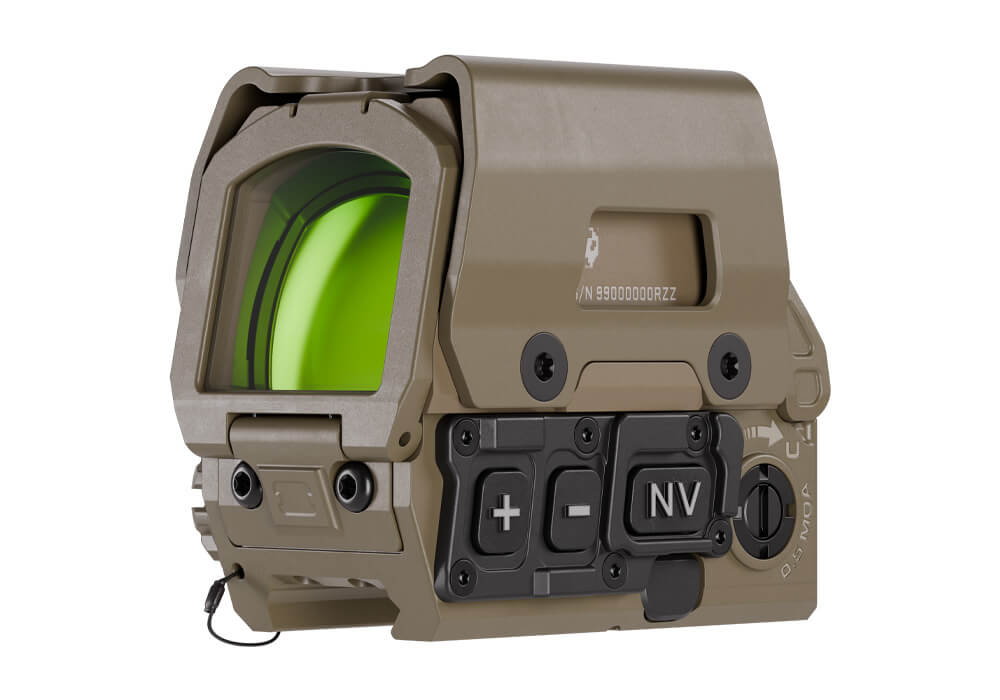
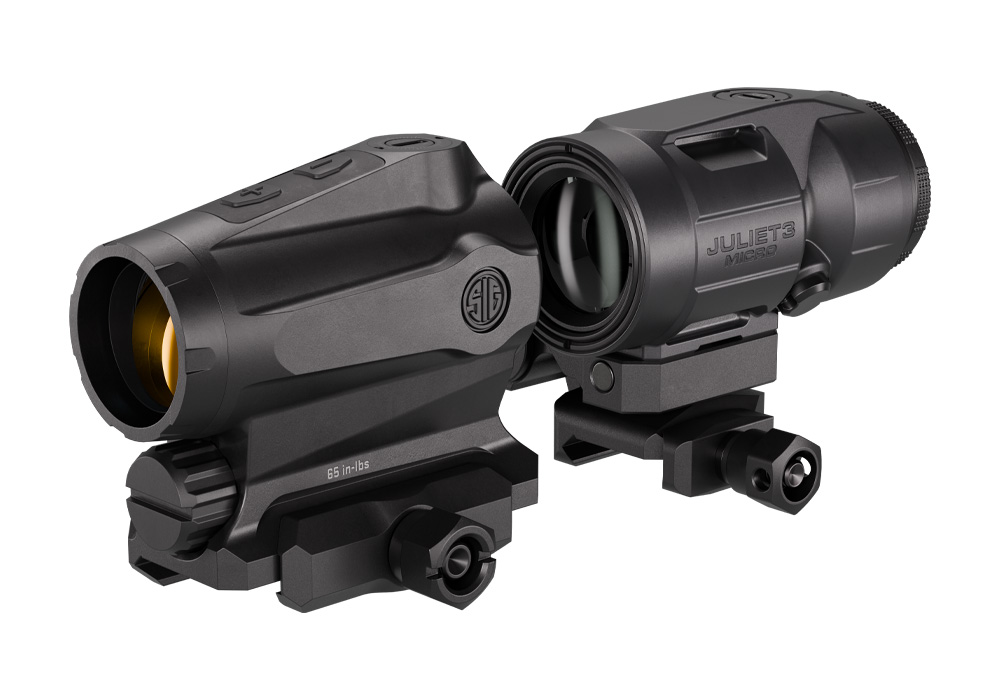
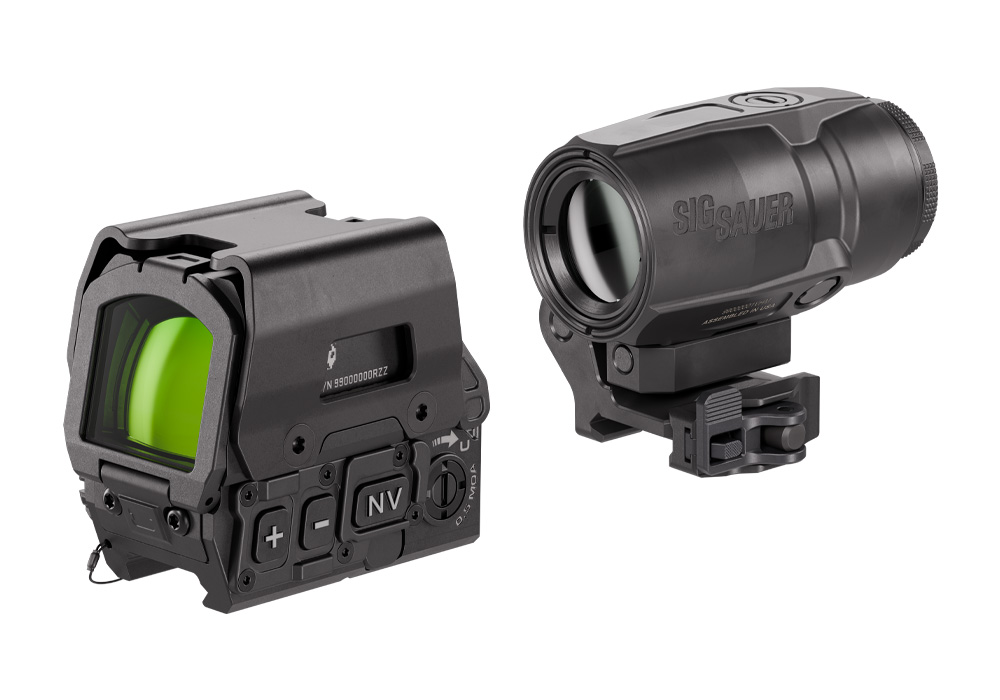
Night vision-compatible sights are aiming optics with very low reticle brightness settings intended for use with compatible night vision devices. Those settings help keep an illuminated aiming point from overwhelming the intensified image, which can cause glare, a broad halo, or a loss of visible detail. The distinction matters: a sight that works well in ordinary low light is not necessarily suitable for viewing through night vision equipment. Likewise, an illuminated reticle does not turn an optic into a night vision device. The sight supplies an aiming reference; separate night vision equipment supplies the intensified view. Within this category, compatibility depends on more than a dim-looking dot. Reticle brightness, optical transmission, lens coatings, and the relationship between the sight and the viewing device all affect the image. Coatings that produce a clear view to the unaided eye may transmit light differently through an image intensifier, so published compatibility information is more useful than appearance alone. Red dot and holographic sight designs can offer night vision settings, but the feature should be expressly identified in the specifications rather than inferred from the optic’s shape or illumination color. Dedicated night vision levels are generally dimmer than normal viewing levels and may be difficult to see without the appropriate equipment. That faint appearance is not, by itself, evidence of a fault. The useful result is a distinct aiming reference that does not conceal the surrounding scene with excess illumination. Reticle size and shape also influence how open or crowded the view feels, although individual eyesight, device characteristics, and brightness settings can change the apparent sharpness of the aiming point. A compact dot, a larger ring, and other reticle patterns each present a different visual balance. Clear specifications should establish which settings support night vision use, which features apply to ordinary viewing, and whether the manufacturer identifies any limitations. Night vision compatibility is a defined function, not a blanket promise that every optic and viewing device will work equally well together.
Construction and fit deserve the same attention as optical performance. Aluminum housings are common because they balance structural strength with manageable weight, while housing thickness, protective geometry, and mount design contribute to durability. An enclosed optical system can help shield internal components from dust and debris; a more open design may offer a different balance of weight, size, and access for cleaning. Neither layout removes the need for routine care. Lens coatings benefit from gentle cleaning with appropriate optical supplies, and loose grit should be cleared before the glass is wiped. Abrasive cloths, unsuitable solvents, and unnecessary pressure can damage surfaces that are essential to a clean view. Protective covers can limit contact with other equipment during transport, while inspection of the housing, battery compartment, and mounting hardware helps reveal wear before the next range visit. Durability claims should be evaluated through the manufacturer’s stated testing and intended applications, including recoil resistance, sealing, and mounting requirements. A rugged exterior alone does not establish suitability for every firearm platform. Physical compatibility begins with the correct mounting interface or footprint, but it also includes the surrounding space. Optic height, overall length, battery access, and clearance around nearby equipment can affect whether a sight fits comfortably into an existing setup. A matching footprint does not automatically resolve every clearance issue. For someone using helmet-mounted viewing equipment, the relationship among the sight, protective eyewear, hearing protection, and viewing device can influence comfort and the usable sight picture. Window dimensions and housing shape matter here as much as the dimensions printed on a specification sheet. Weight is another practical consideration, especially when several accessories share limited mounting space. A sight that seems small on its own can still change the balance of a complete setup. Manufacturer documentation and advice from a qualified professional are useful when confirming fit, approved mounting hardware, and compatibility with equipment already owned.
Night vision-compatible sights may interest recreational shooters who attend supervised low-light range sessions, professionals whose equipment requirements include night vision support, and experienced owners seeking an optic that serves more than one lighting environment. For those uses, everyday handling details often distinguish otherwise similar designs. Clearly separated controls, readable markings, and a battery compartment that can be accessed without unnecessary disruption are practical features to compare. Some sights offer button locks, stored brightness preferences, automatic shutoff, or motion-responsive illumination; each feature should be assessed according to its documented behavior rather than assumed from a general description. Automatic brightness adjustment, for example, is not a substitute for an explicit night vision compatibility rating. Battery specifications also deserve close reading. Published operating life usually reflects stated test conditions and a particular illumination setting, so the longest listed figure may not represent every use pattern. Battery type, replacement access, and any low-power warning can be more useful considerations than a single headline runtime. A familiar control layout can be especially valuable during a supervised session when the user is also managing eye protection, hearing protection, and a separate viewing device. For gift buyers, these sights are best treated as equipment with precise compatibility requirements rather than a universal accessory. Knowing the recipient’s mounting interface, intended application, and existing night vision equipment helps narrow the field without relying on appearance or broad feature claims. Shoppers comparing optical formats can also explore Night Vision Rifle Scopes, with attention to whether each design includes its own imaging system or works with separate equipment. Those distinctions help keep an illuminated sight, a dedicated night vision optic, and an accessory viewing device from being mistaken for interchangeable products. Across the category, the strongest match brings together documented night vision settings, suitable optical performance, dependable construction, and a confirmed physical fit. Care instructions, service support, and warranty terms round out that assessment, helping establish what ownership involves beyond the initial selection.