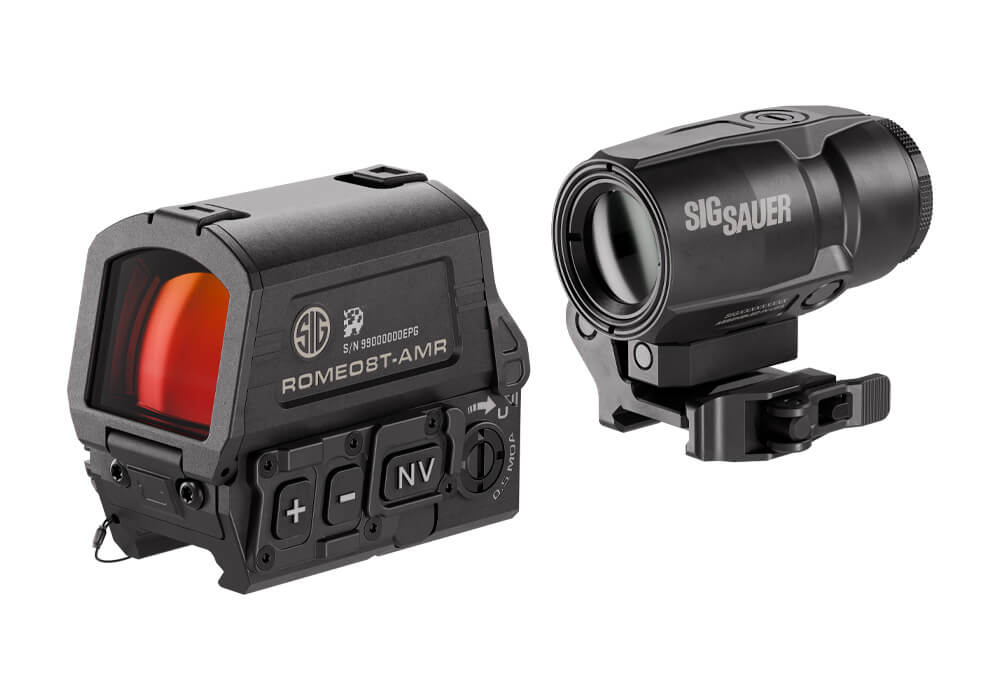
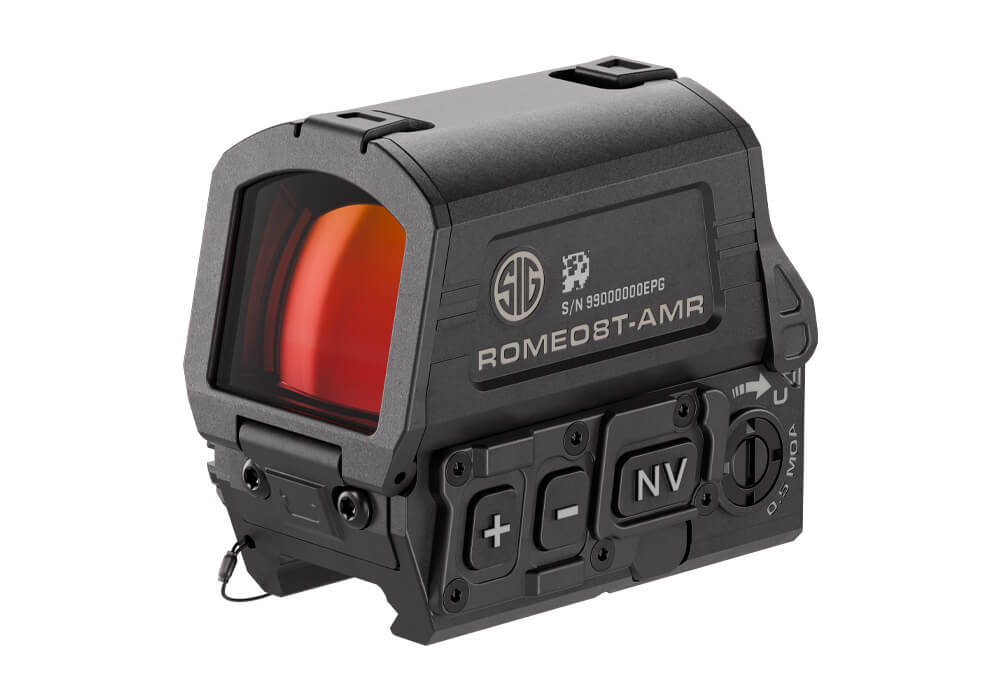
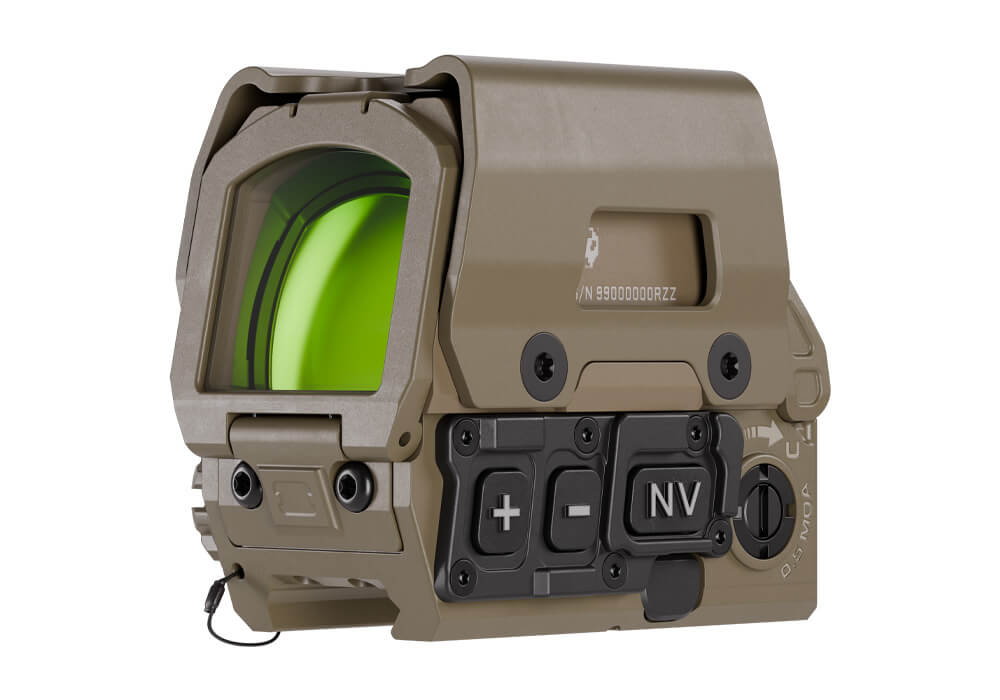
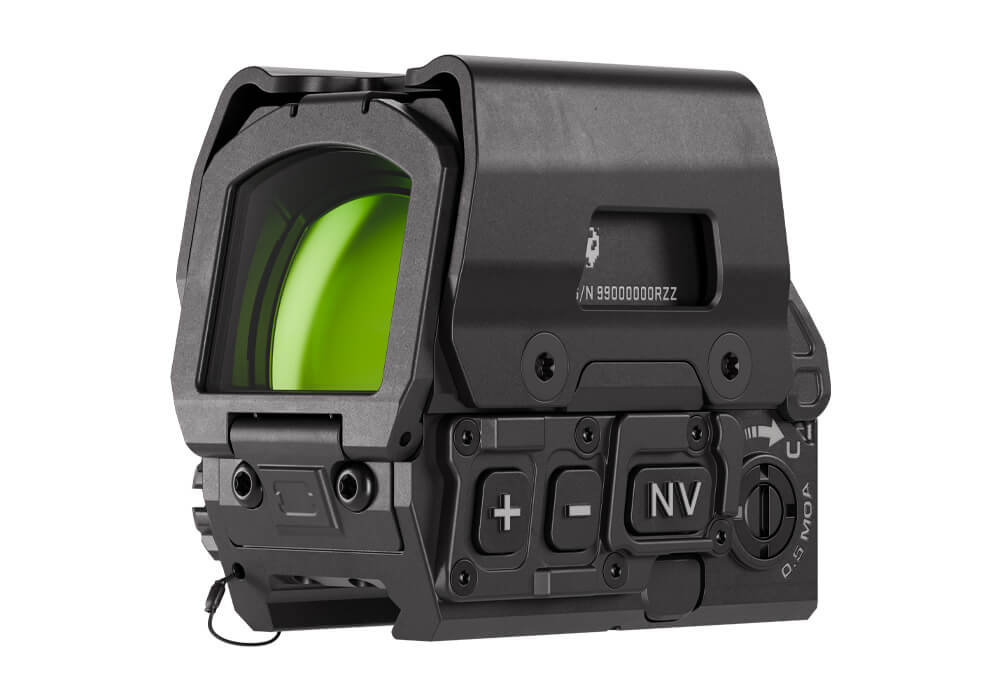
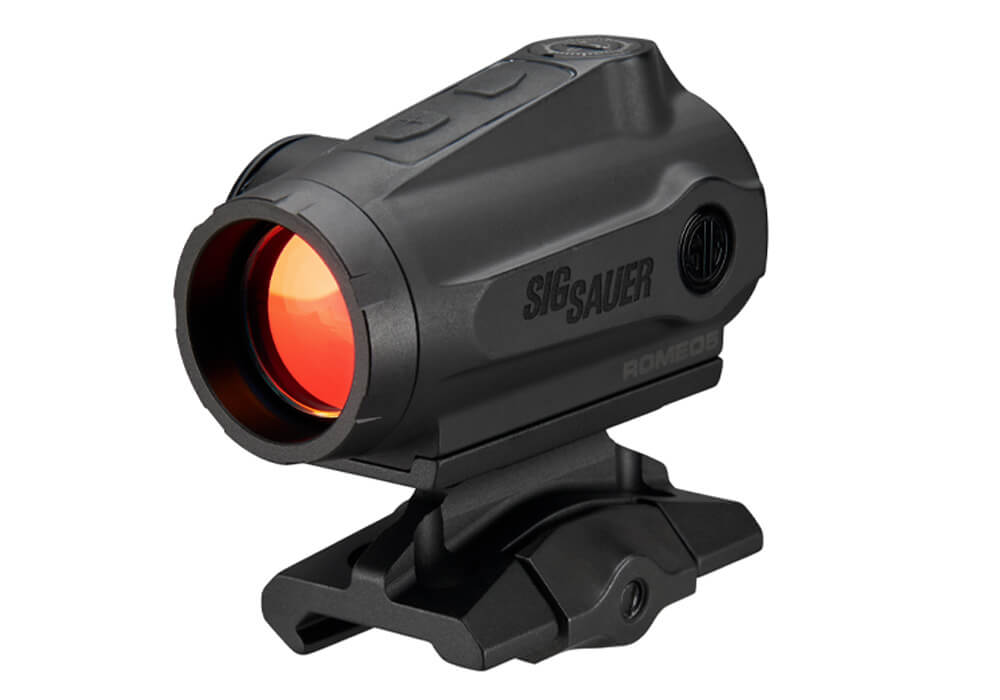
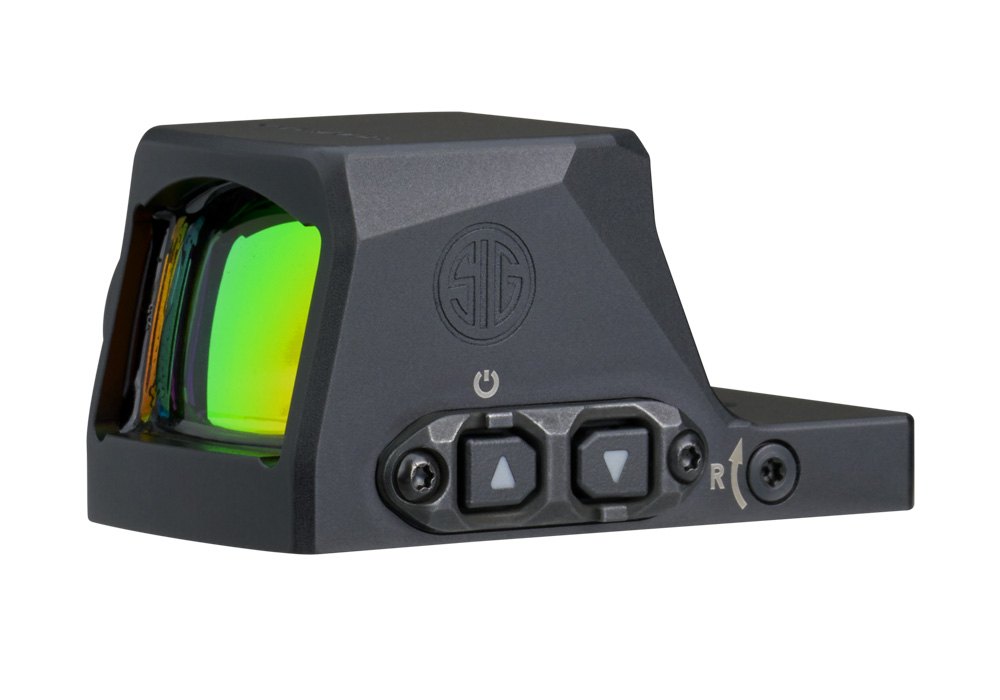
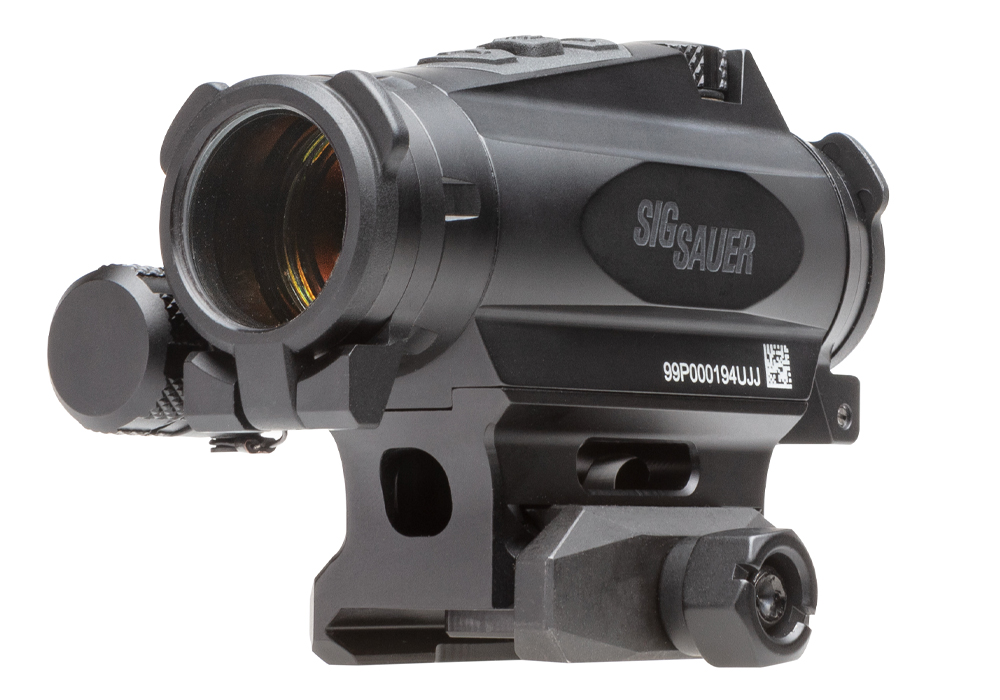
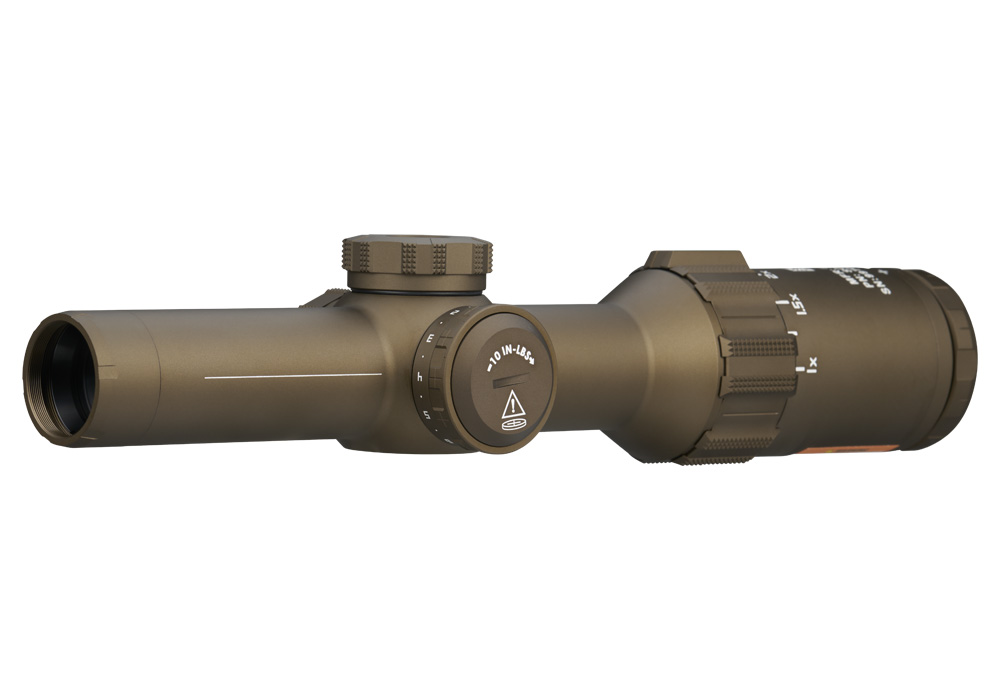
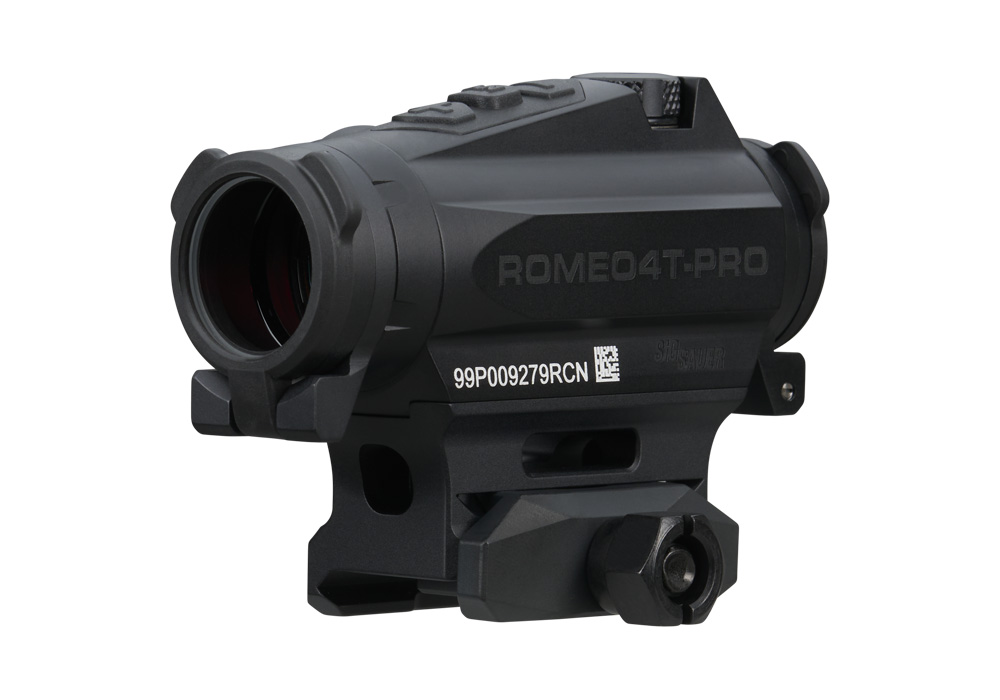
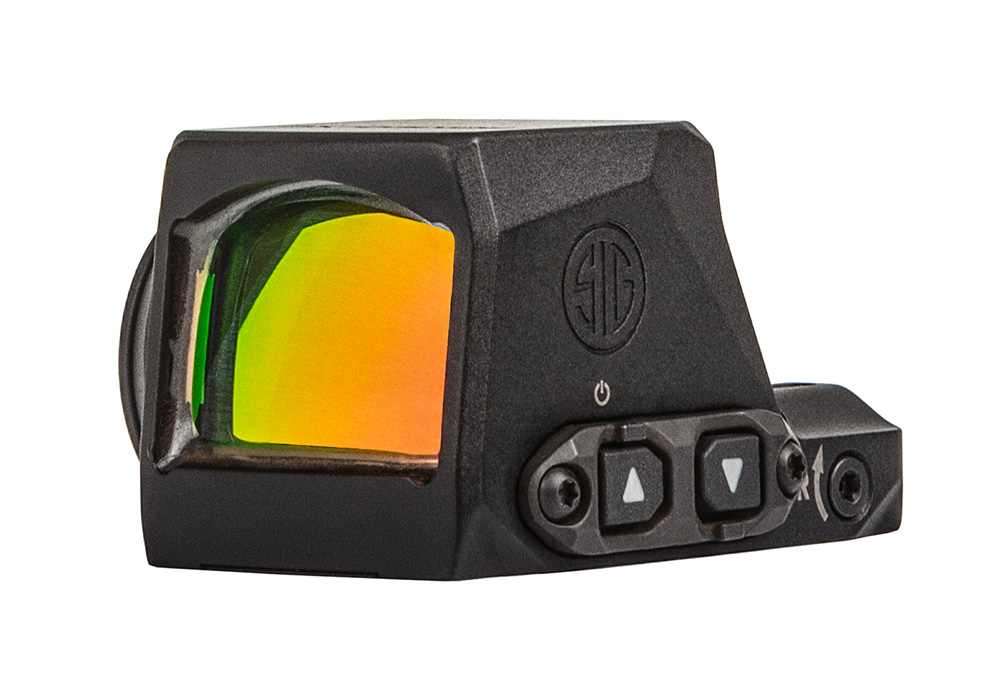
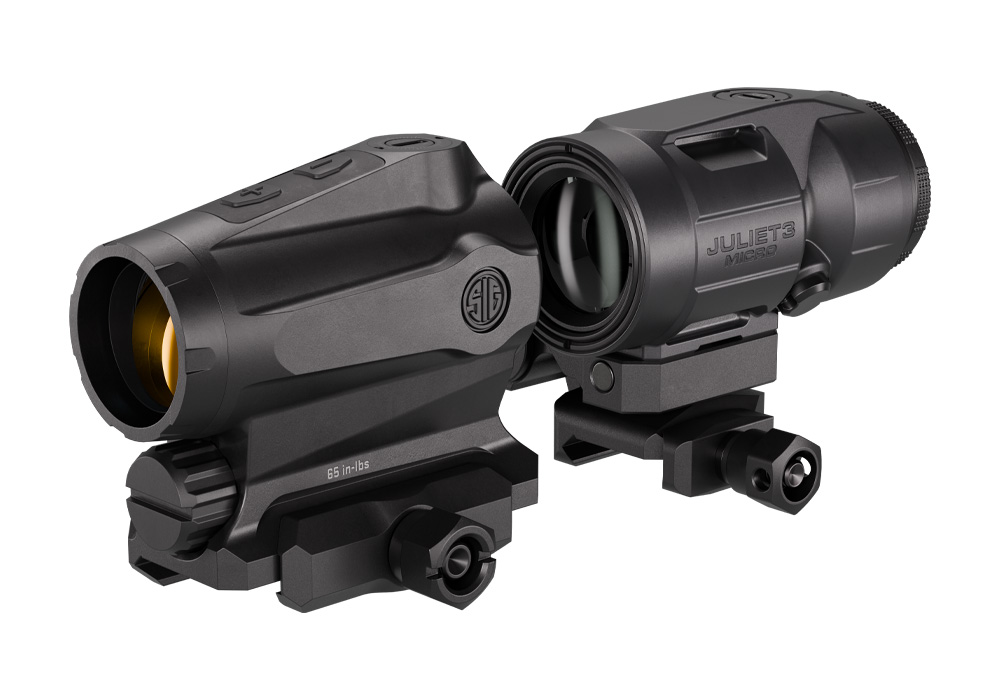
A night vision weapon sight supports viewing and aiming in low light by using available light, an electronic imaging system, or a combination of both. The term covers several different technologies, and those differences matter more than the label alone. Image-intensified night vision amplifies available light to create a visible image, while digital night vision uses an electronic sensor and an internal display. Both depend on light reaching the system; in complete darkness, an appropriate infrared illuminator may be necessary to produce a usable image. Infrared illumination is not the same as thermal imaging. A thermal weapon sight detects differences in emitted infrared energy rather than amplifying visible or near-infrared light, so it can produce an image without ambient illumination. Thermal and conventional night vision also reveal different kinds of detail: one emphasizes temperature contrast, while the other can preserve more familiar visual features when conditions support a clear image. Neither guarantees positive identification simply because an object appears on the screen. A night vision-compatible red dot sight is another distinct category. Its lower brightness settings are intended for viewing through compatible night vision equipment; the red dot itself does not turn darkness into a visible scene. Likewise, illuminated handgun sights can help a shooter locate the sights in reduced light without illuminating or identifying what lies beyond them. These distinctions help keep expectations realistic when comparing a dedicated night vision sight, a compatible daytime optic, or an accessory that supports a larger viewing system. Intended users may include lawful hunters, recreational shooters practicing at an approved facility, and professionals working within established training and equipment requirements. For each, the useful choice is the one that matches the firearm, the viewing equipment, and the permitted activity—not simply the system with the longest specification sheet. Local hunting regulations, range rules, and restrictions on electronic sights or infrared illumination can also shape which equipment is appropriate. A clear sight picture remains only one part of responsible use, alongside positive identification and awareness of what is beyond the intended target.
Image quality is best understood as a combination of detail, contrast, field of view, and consistency rather than a single resolution figure. With digital night vision, sensor resolution and display resolution describe different parts of the viewing chain, and neither number alone establishes how clearly a distant object can be identified. Image processing, optical quality, available illumination, and the contrast between an object and its surroundings all influence the result. Detection, recognition, and identification are also different standards: noticing that something is present is not the same as recognizing its general shape or identifying it with confidence. Published distance claims are most useful when the manufacturer explains the conditions and criteria behind them. Magnification brings its own tradeoffs. A wider view can provide more surrounding context, while increased magnification narrows that view; digital enlargement can make an image look larger without revealing additional detail. Reticle visibility should complement the image rather than overpower it, with brightness adjustment that remains usable at lower settings. Viewing comfort matters just as much during a prolonged range session as it does during a brief look through the optic. Eye relief, the size of the usable viewing area, display placement, and control layout all affect how naturally a sight works with a particular firearm and shooting position. For rifle-specific options, explore Night Vision Rifle Scopes with attention to mounting compatibility and the intended use. Power requirements deserve equal attention. Runtime can vary with display brightness, recording functions, external illumination, and other enabled features, so a stated maximum does not necessarily represent every use pattern. Replaceable batteries, rechargeable power systems, and external power connections each involve different practical considerations. Recording and wireless functions, where present, may be useful for reviewing a supervised practice session, but they do not replace optical clarity, dependable controls, or a suitable mounting interface. Simple, clearly arranged controls can be easier to operate without losing track of the viewing image, especially when several electronic accessories share limited space.
Construction and fit determine how well a night vision weapon sight integrates with the rest of the firearm. Aluminum housings and reinforced polymer components are common approaches to balancing structural strength and weight, while the quality of seals, lens coatings, mounting surfaces, and controls contributes to long-term durability. Material names alone do not establish performance. A documented recoil rating, a clearly specified water-resistance rating, and compatibility information are more useful than a broad claim of ruggedness. The complete setup includes more than the optic body: mounts, batteries, illuminators, cables, and other accessories can add weight and occupy space needed for comfortable handling or access to controls. Rail type, mount dimensions, sight height, and clearance around adjacent components all deserve attention before selecting a configuration. A dedicated replacement sight and a clip-on night vision device are not interchangeable formats, and clip-on compatibility should be confirmed with the manufacturers of the equipment involved. Correct installation and any required verification belong within the relevant manufacturer instructions, with qualified assistance when needed. Care is similarly specific to the device. Optical surfaces benefit from protective covers and cleaning methods approved for their coatings; grit should not be rubbed across a lens, and household cleaners may be unsuitable. Battery compartments, connector covers, and mounting hardware should remain clean and receive the inspections specified in the owner’s documentation. Storage requirements can differ between rechargeable systems and equipment using removable batteries, particularly over longer periods. Bright-light limits also vary by technology. Image-intensified equipment can be damaged by excessive light exposure, and protection features should never be treated as permission to ignore handling restrictions. Digital and thermal systems have their own limits, including warnings about intense light sources or direct solar exposure on certain devices. Following those model-specific precautions protects both image quality and service life. For a gift recipient, compatibility is especially important: knowing the firearm platform and existing equipment is more valuable than choosing by appearance alone. A well-matched night vision weapon sight brings together usable image detail, comfortable viewing, suitable construction, and manageable power needs, with performance expectations grounded in its actual technology.